Why Visit Granada in 2026?
Every time I return to Granada, I arrive with a list and leave with stories. There are cities that impress you and cities that stay with you; Granada does both. It’s small enough to feel intimate, yet layered enough to keep surprising you on your third, fourth, or fifth visit.
Where else can you eat free tapas with every drink, wander Moorish alleys at sunset, look up to a glowing palace fortress (the Alhambra) on the hill, and then end the night watching flamenco in an old cave home? If you’re planning 3 days in Granada or stretching to a 4 or 5 day itinerary for Granada, this guide will help you use every hour well.
In 2026, Granada is buzzing. Post-restoration details at the Alhambra are being unveiled, new creative tapas bars are opening in Realejo, and cultural institutions are doubling down on festivals and events. Yet the city still feels wonderfully local: old men arguing over football in Plaza Bib-Rambla, kids playing with water fountains on hot afternoons, and the persistent scent of orange blossoms and jasmine in spring.
This travel guide for Granada is written as if I’m walking beside you: which alley to cut through, where to stand for the best view, when to eat, and how not to blow your budget. We’ll cover the must-see attractions in Granada, the most atmospheric neighborhoods, the best local food in Granada, and those little hidden gems in Granada that rarely make it to the glossy brochures.
Granada at a Glance
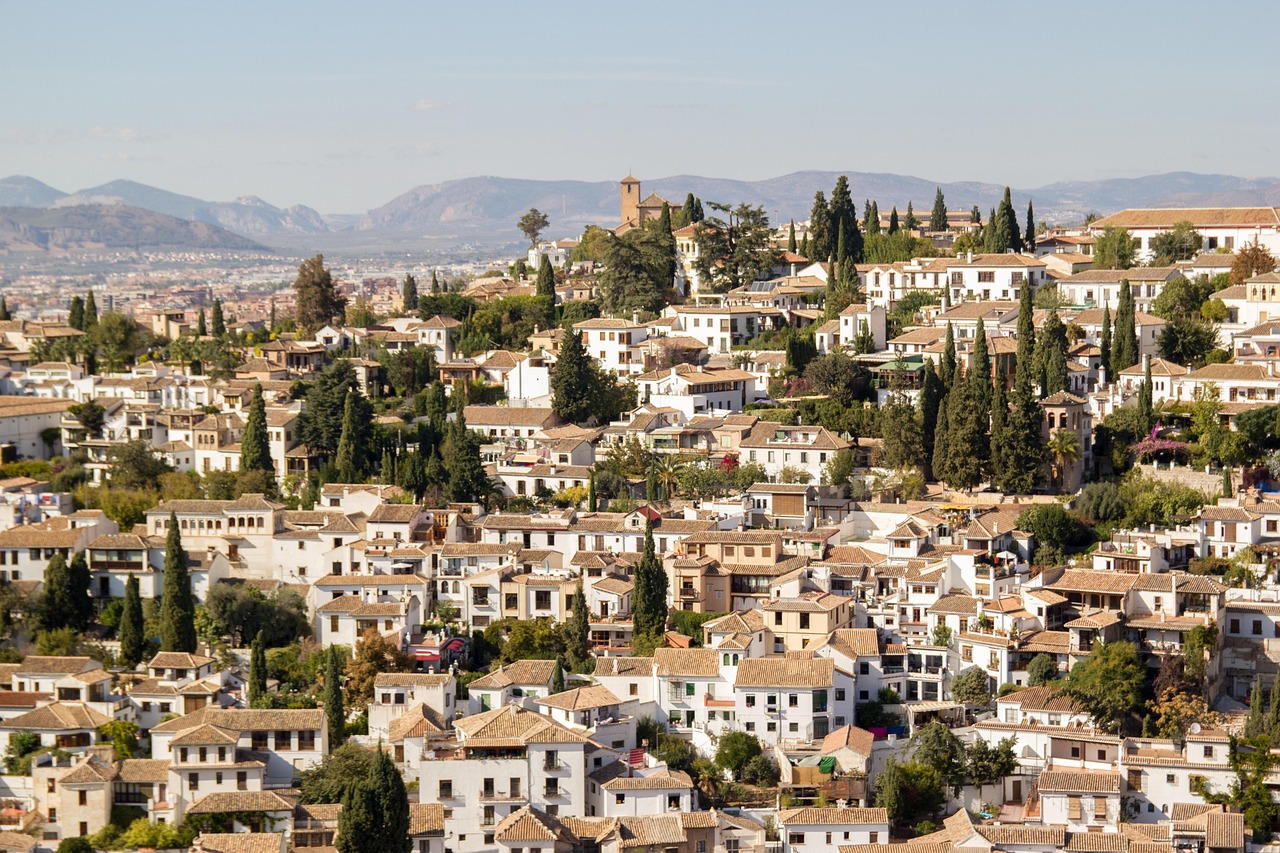
Granada sits at the foot of the Sierra Nevada mountains in Andalusia, southern Spain. It’s famous for the Alhambra, of course, but it’s the mixture of Moorish heritage, Catholic monuments, student energy, and village-like neighborhoods that makes the city feel so rich.
- Size: About 230,000 people. You can walk most of the historic center.
- Vibe: University town, deeply Andalusian, but more introspective and “mystical” than Seville or Málaga.
- Best for: History lovers, foodies, couples, families, budget-conscious travelers, culture seekers.
- Perfect stay length: 3 days in Granada for highlights; 4–5 days in Granada to dig deeper and add day trips.
Granada’s Neighborhoods & Districts
Centro Histórico
The heartbeat of Granada: the Cathedral, shopping streets, plazas full of café chairs and chatter. This is where I like to stay when I want to walk everywhere.
Albaicín
The old Moorish quarter climbing the hillside opposite the Alhambra. Narrow lanes, whitewashed houses, jasmine-draped patios, and the city’s most iconic views. It’s romantic, a bit bohemian, and best explored on foot (and in comfortable shoes).
Sacromonte
Just beyond the Albaicín, Sacromonte clings to the hillside with its famed cave houses. Historically the Roma quarter, it’s the soul of Granada’s flamenco and a must for cultural experiences in Granada at night.
Realejo
The old Jewish quarter, just below the Alhambra hill. Today it’s full of street art, creative tapas bars, and quieter streets. When I want to feel like I’m living in Granada rather than just visiting, I stay here.
Cartuja & University Area
North of the center, around the Cartuja Monastery and university faculties. Cheaper eats, lots of students, and a more everyday local life.
Zaidín & Beyond
Residential and less picturesque, but where you’ll find modern venues like the Palacio de Congresos and some underrated tapas streets. Good if you’re chasing a non-touristy vibe.
20 Must-See Attractions in Granada (with Local Stories & Tips)
Below are the best places to visit in Granada, each treated as a mini-story: history, what it feels like to be there, how to get there, and my own notes from multiple visits. These are the anchors for any 3 day itinerary for Granada or longer stay.
1. The Alhambra & Generalife
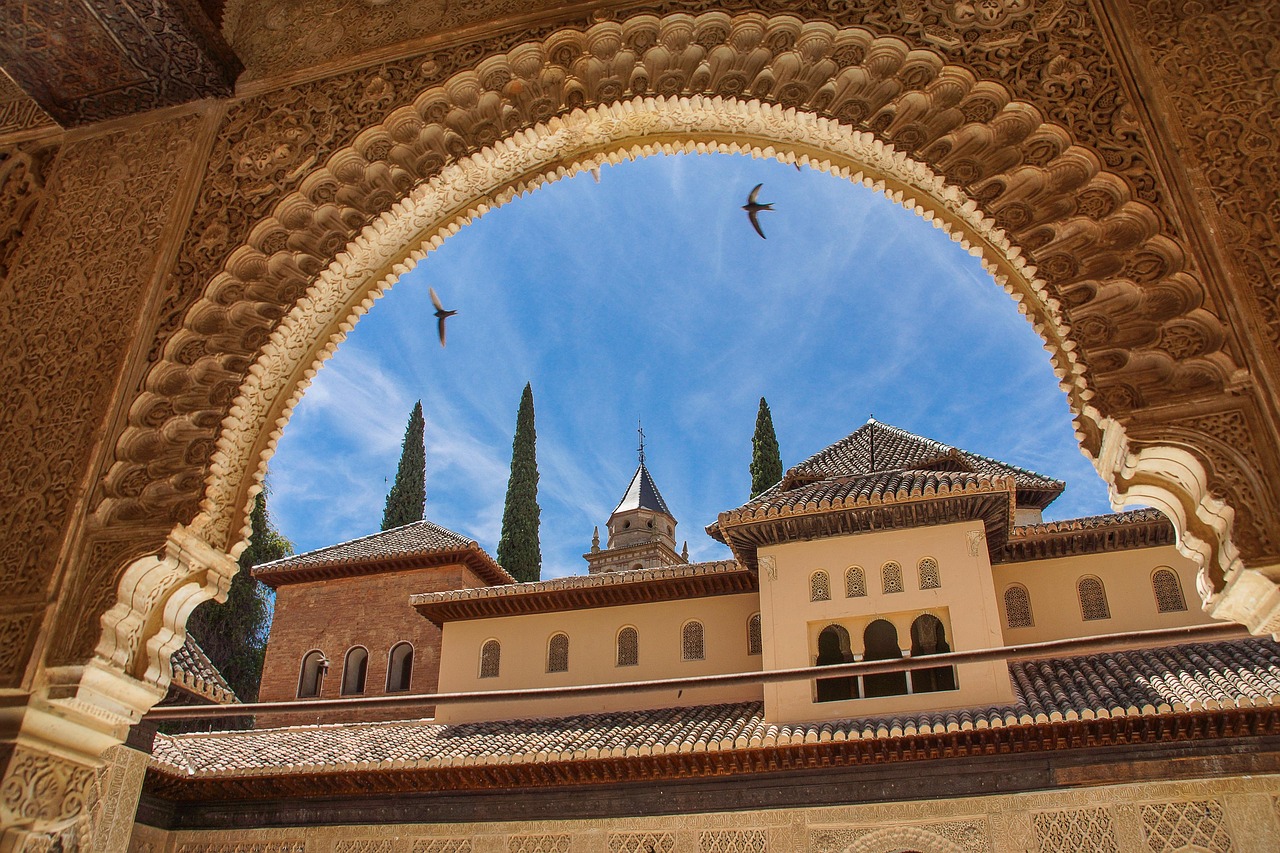
The Alhambra is the reason many people first Google “things to do in Granada,” and it’s every bit as magical as the photos. I’ve visited in blazing July heat, in crisp December light, and once in a soft spring rain, and each time felt like entering a different world.
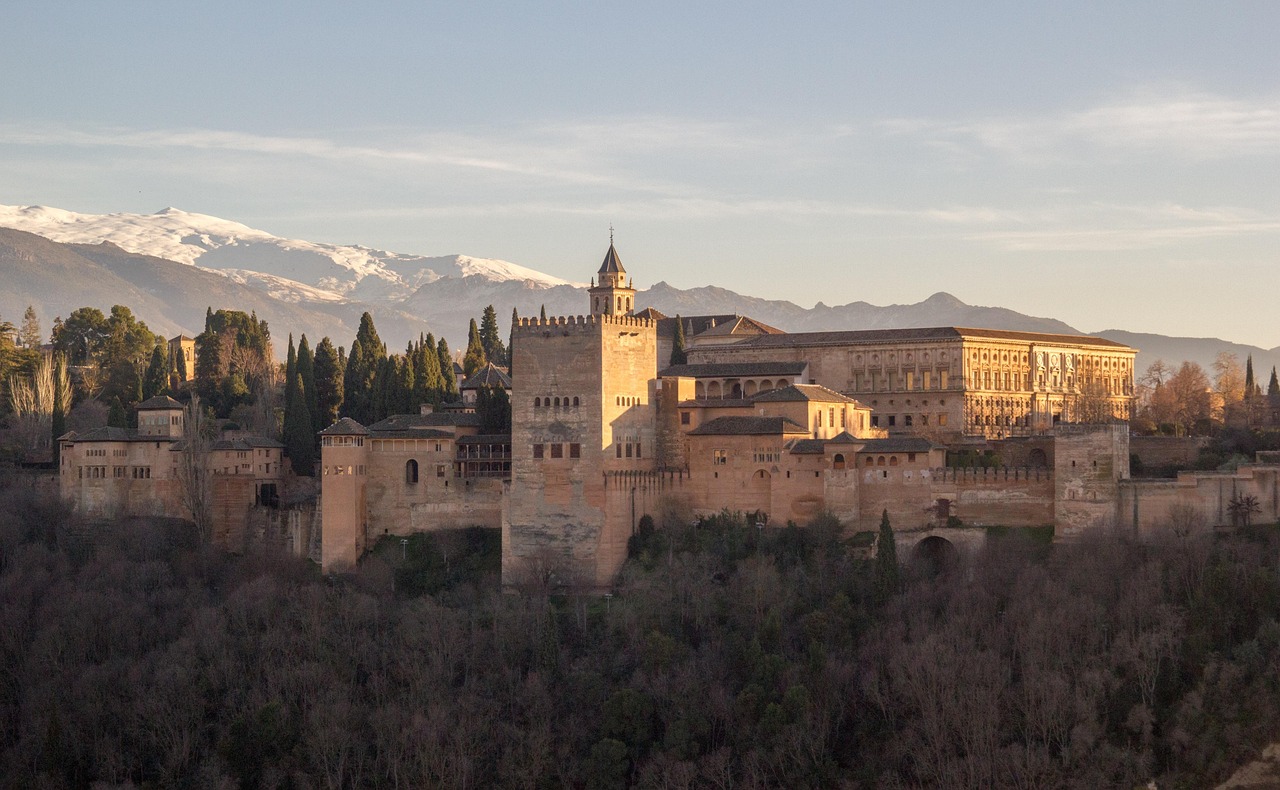
What it is: A vast complex of palaces, gardens, and fortifications built mainly during the Nasrid dynasty (13th–15th centuries), later modified by the Catholic Monarchs. It includes the Nasrid Palaces, the Alcazaba fortress, Generalife gardens, and Charles V’s Renaissance palace.
Why it matters: It’s the pinnacle of Islamic art and architecture in Europe: every arch, every tile, every carved wall tells a story of a world where art, science, and poetry were woven into daily life. You feel that as you walk through the Court of the Lions or watch the reflections in the Court of the Myrtles.
My experience: The visit that stays with me most was a winter morning. I booked the earliest available slot. As I stepped into the Nasrid Palaces, breath hanging in the air, the light was soft and low. There were moments where I found myself alone in a courtyard, hearing only water. It felt like time had stopped.
Tips for visiting in 2026:
- Book weeks ahead. Tickets often sell out. Use the official site or authorized vendors.
- Time slot matters. You must enter the Nasrid Palaces at your exact time slot. Plan your route around this.
- Best route: I like to start with the Alcazaba (for morning light over the city), then the Nasrid Palaces, then wander down to Generalife gardens as the day warms.
- Family-friendly? Yes, but bring snacks, water, and patience; it’s a long visit. Kids often love the towers and gardens.
- Romantic? Extremely. Evening visits (offered some seasons) are perfect for couples.
- Getting there: Uphill walk from the center (~20–30 mins), or take bus C30/C32 from Plaza Isabel la Católica. I often walk up through the Cuesta de Gomérez for the forested approach and come down via the Albaicín views.
2. Mirador de San Nicolás
If the Alhambra is Granada’s crown, Mirador de San Nicolás is the balcony where everyone comes to admire it. From here, you see the Alhambra spread across the opposite hill with the snow-capped Sierra Nevada behind. It’s the postcard shot.
My ritual: On almost every trip, I walk up just before sunset. There’s always music: a lone guitarist, a group of young people singing, or an older man with a weathered voice. As the sky shifts from gold to pink, the Alhambra turns a deeper shade of amber. I usually bring a small paper cone of roasted almonds from a stand near Plaza Nueva and just let time pass.
Tips:
- Go twice: Once at midday for clear views, and again at sunset for atmosphere.
- Crowds: It gets very busy. If you want a front-row spot at sunset, arrive 30–45 minutes early.
- Nearby: Duck into the San Nicolás church or wander the surrounding Albaicín streets which are some of the most charming in the city.
- Romantic? Yes, but don’t expect privacy; it’s shared romance with half the city.
3. Granada Cathedral & Royal Chapel
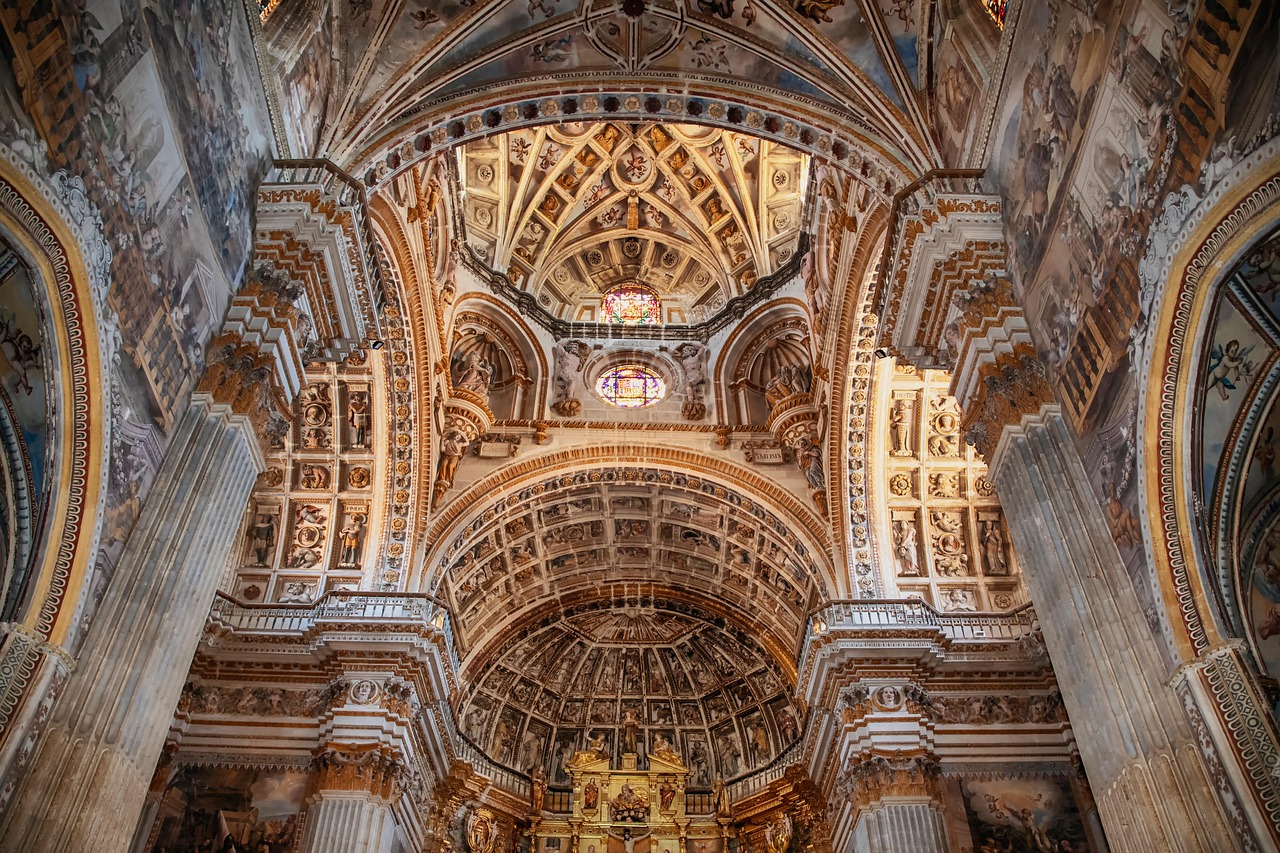
When you step from the narrow streets around Gran Vía into the open space of the cathedral, it’s as if the city suddenly breathes out. The building is enormous, luminous, and surprisingly elegant for its size.
What to see:
- Cathedral interior: White columns, gilded altars, and an impressive pipe organ. The light inside on a sunny morning is beautiful.
- Royal Chapel (Capilla Real): The tombs of the Catholic Monarchs, Isabella and Ferdinand, who completed the Reconquista by taking Granada in 1492. Their marble effigies rest above a crypt where you can see their actual coffins. It’s quietly powerful.
Personal note: I like to visit early, when the streets outside are just waking up and delivery vans are rattling over the cobblestones. There’s something grounding about moving from that noise into the hushed interior.
Tips: Buy a combined ticket for the Cathedral and Royal Chapel. Shoulders covered and moderate clothing are appreciated, though the dress code isn’t as strict as some places.
4. The Albaicín Quarter
The Albaicín is where I always get deliciously lost. It’s the old Moorish quarter, and its irregular tangle of lanes and hidden plazas gives you a sense of what medieval Granada may have felt like.
What to do:
- Wander up the Carrera del Darro along the river, then duck into side streets.
- Find smaller viewpoints like Mirador de San Cristóbal or Mirador de San Miguel Bajo for quieter Alhambra views.
- Peek into cármenes (traditional houses with gardens) when doors swing open.
My experience: On one trip, I stayed in a tiny guesthouse hidden behind a nondescript door. Inside was a tiled courtyard with a lemon tree, a fountain, and an Alhambra view from the rooftop. The owners, an older couple, insisted I try their homemade tortilla and taught me the word “moraíto” for that moment when the sky turns purple after sunset.
Tip: Streets are steep and often cobbled. Wear good shoes. At night, some alleys are dim, so bring your phone flashlight if you’re not comfortable with low light.
5. Sacromonte Caves & Flamenco
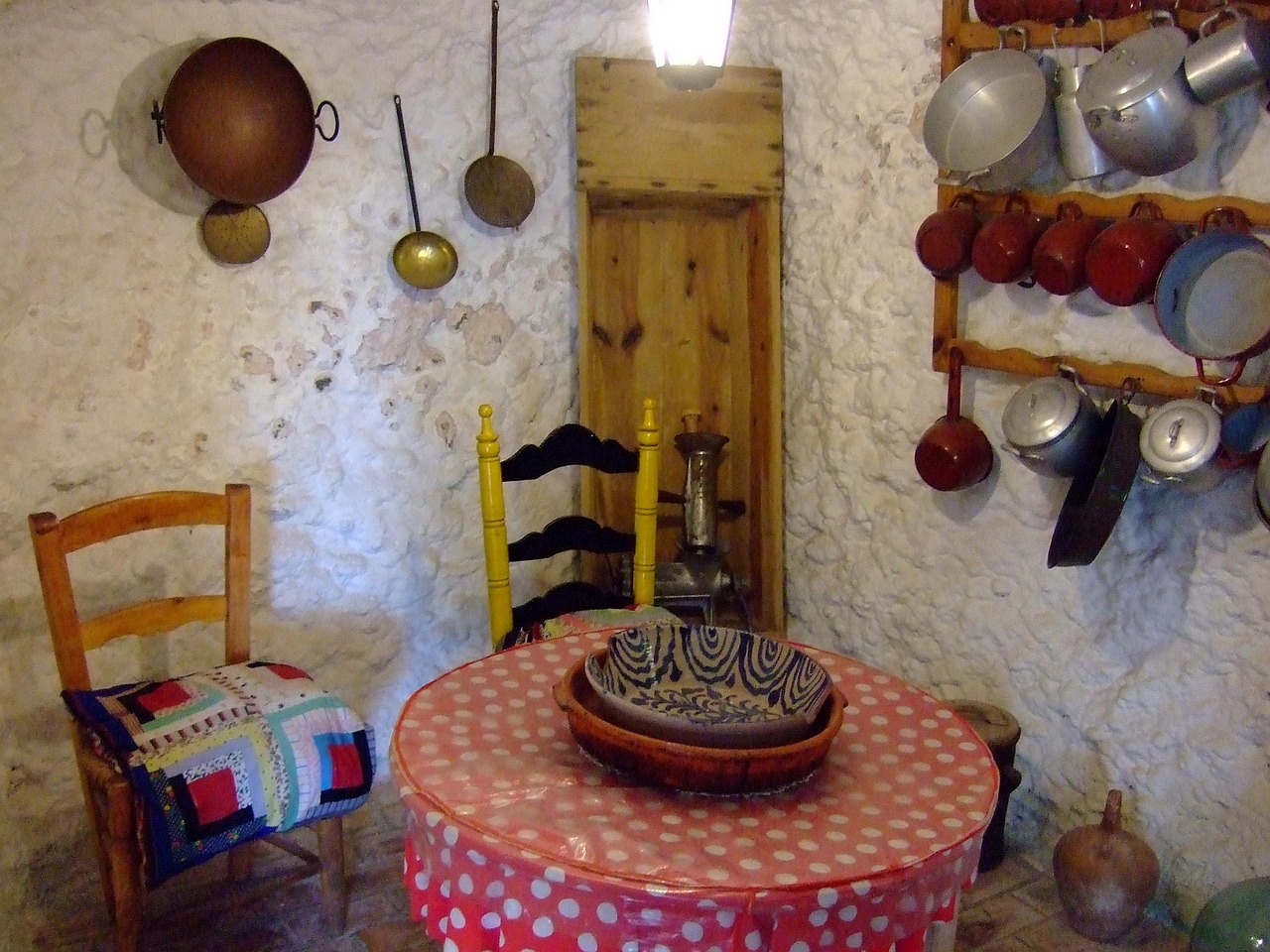
Sacromonte is the hillside of caves, flamenco, and unforgettable nighttime views. Historically home to Granada’s Roma community, many caves have been converted into performance spaces or homes with whitewashed interiors and arching ceilings.
Flamenco here feels different. I’ve watched flamenco in Seville and Madrid, but in Sacromonte’s caves, with only a handful of people pressed up against the walls and the performers so close you can see every drop of sweat, it feels more like an emotional storm than a show.
Tips:
- Look for venues that emphasize cante jondo (deep song) and traditional styles rather than big-bus tour shows.
- Book ahead in summer and on weekends.
- Bring a light jacket; even in summer the night breeze up here can be cool.
- Families are welcome at early shows, but later performances can be intense and run late.
6. Carrera del Darro & Paseo de los Tristes
This is arguably the prettiest walk in Granada. The Carrera del Darro runs along the narrow Darro River, with stone bridges, old houses leaning out over the water, and the Alhambra looming above. It leads into the Paseo de los Tristes, a promenade where locals gather in the evenings.
My favorite moment: One April evening, I sat at a terrace here with a glass of local red wine, watching kids chase pigeons and an older couple dance to a street musician’s guitar. The Alhambra was just visible above, catching the last light. It felt like the very definition of “you are in Andalusia now.”
Tip: Do this walk in the late afternoon when the light is soft. Many 3 day itineraries for Granada end one of their days here.
7. Realejo & Its Street Art
The Realejo, once the Jewish quarter, is now a mix of classic family homes, small bars, and some of the city’s best street art. You’ll see works by Granada’s famed street artist El Niño de las Pinturas on many corners.
Why I love it: It feels like a place where people live real lives, not just a backdrop for tourism. I’ve spent slow mornings here, sipping coffee at a corner café while kids in school uniforms rushed past and neighbors exchanged gossip.
Tip: Combine Realejo with a walk up to the Alhambra forest entrance or down towards the center for tapas.
8. Palace of Charles V
Inside the Alhambra complex, the Palace of Charles V is a Renaissance surprise: a massive square exterior hiding a circular courtyard. It feels almost Roman in its geometry.
What’s inside: The Museum of the Alhambra and the Fine Arts Museum, both small but worth a wander if you like art and history.
Personal note: On hot summer days, this is one of the coolest (literally) places to sit for a few quiet minutes. The stone and shade create a natural air-conditioning effect.
9. El Bañuelo (Arab Baths)
El Bañuelo is one of Spain’s best-preserved medieval Arab baths, dating back to the 11th century. It’s a compact but atmospheric space, with star-shaped skylights puncturing the ceiling.
Why go: It’s a tangible slice of daily life under Muslim rule, and much less crowded than the Alhambra. I often pair it with a leisurely walk along the Darro.
Tip: Entry is usually included in combined tickets with other city monuments—check current offers in 2026 at the tourist office.
10. Monastery of San Jerónimo
Slightly off the typical tourist route, the Monastery of San Jerónimo is a serene Renaissance complex with cloisters and a richly decorated church.
My experience: I visited one drizzly January morning and had the cloisters almost to myself. The sound of raindrops in the courtyard and the faint smell of incense from the chapel made it feel centuries away from the busy streets outside.
Tip: Combine this with a visit to the nearby Hospital Real and university area for a quieter, more local side of Granada.
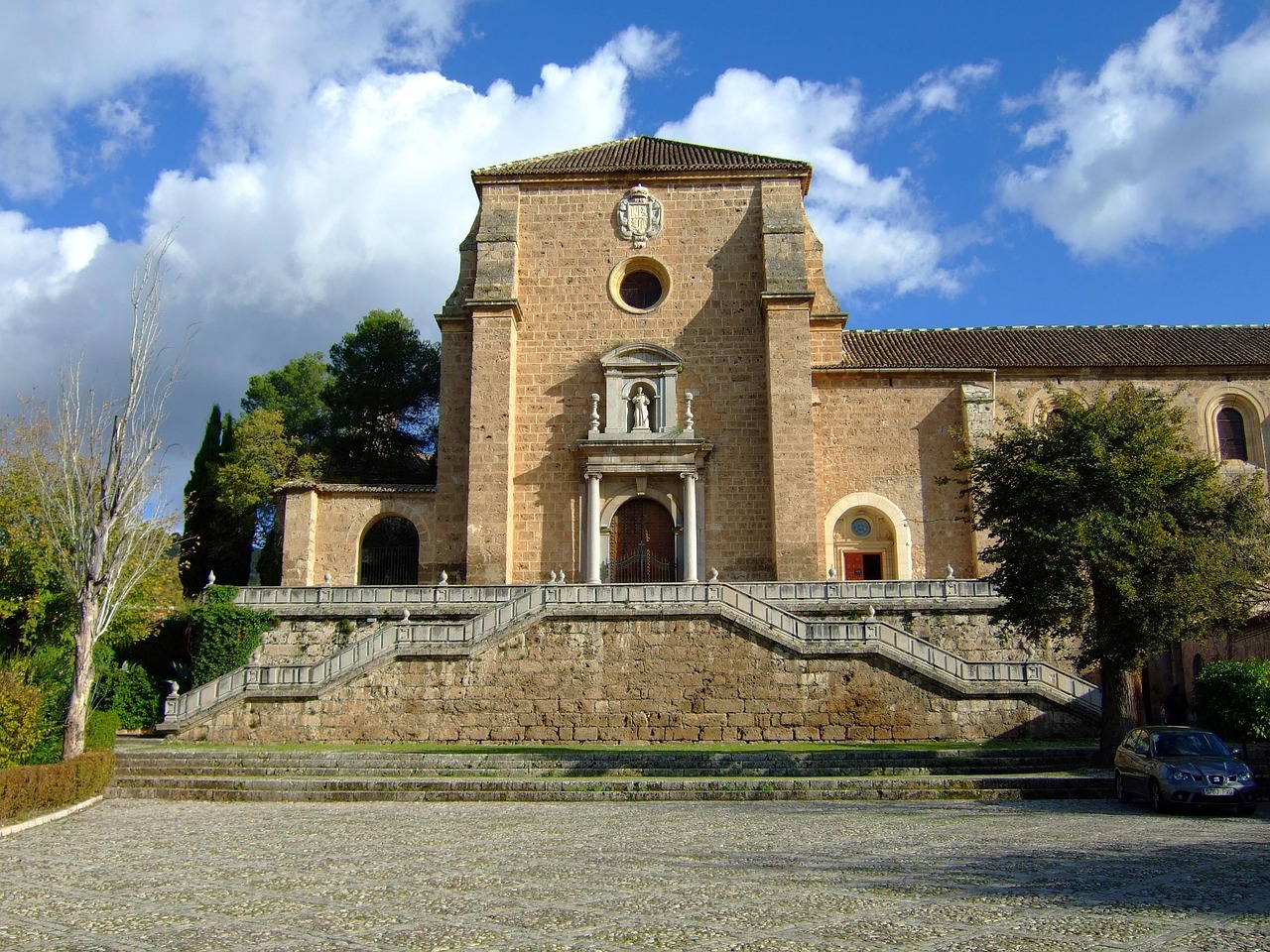
11. Cartuja Monastery
The Cartuja, a Carthusian monastery, has one of the most lavishly decorated Baroque sacristies you’ll ever see. Outside, it’s austere; inside, an explosion of gilding, sculpture, and painting.
Personal tip: Even friends who “don’t like Baroque” have been impressed. Go mid-morning when the light filters nicely through the windows.
12. Parque de las Ciencias (Science Park)
If you’re traveling with kids (or if you’re a grown-up who still loves hands-on museums), Parque de las Ciencias is one of the best family-friendly things to do in Granada.
Highlights: Interactive exhibits, a planetarium, a butterfly house, and rotating temporary exhibitions that often focus on nature, technology, or space.
My visit: I went with friends and their two children. We’d planned for “a quick few hours” and ended up staying almost all day. The kids still talk about the dinosaur exhibit they saw there.
Tip: Easy to reach by bus or a 25–30 minute walk from the center. Great option for a cloudy or very hot day.
13. Carmen de la Fundación Rodríguez-Acosta
This early 20th-century mansion and garden complex is one of Granada’s most unexpected spaces. Perched above Realejo, its terraces, staircases, and eclectic decorative details feel like a mix between an Italian villa and a surrealist stage set.
Why I recommend it: The views over the city are superb, and it’s usually far less crowded than the Alhambra. On a previous trip, I joined a guided visit and loved the stories about the artist Rodríguez-Acosta’s eccentric life.
14. Basílica de San Juan de Dios
This basilica is an absolute Baroque jewel, dedicated to Saint John of God, Granada’s patron saint of hospitals and the poor. The interior is ornate to the point of overwhelming, with gilded altars and elaborate chapels.
Tip: Don’t miss the upper-level gallery if it’s open; it gives a great vantage point over the main nave.
15. Plaza Bib-Rambla & Plaza Nueva
These two plazas are my usual orientation points in the center.
- Plaza Bib-Rambla: Colorful buildings, flower stalls, and cafés. Ideal for people-watching with a coffee or hot chocolate and churros.
- Plaza Nueva: Gateway to the Albaicín and the Alhambra climb, with a mix of bars, shops, and the old Royal Chancellery building.
My habit: I often start my day at Plaza Bib-Rambla with a coffee and tostada before heading off exploring. It’s touristy around the edges, but still used by locals, especially in the mornings.
16. Alcaicería Market
The Alcaicería is a warren of narrow alleys lined with shops selling ceramics, textiles, spices, and souvenirs. It’s a modern reconstruction of the old Moorish silk market, which burned down in the 19th century.
Tip: Prices are negotiable in some shops, especially if you’re buying more than one item. For authentic ceramics, look for pieces made in nearby villages like Fajalauza.
17. Mirador de San Miguel Alto
For one of the most expansive views over Granada, hike up to San Miguel Alto. It’s a longer, steeper climb than San Nicolás, but you’ll be rewarded with fewer people and a more panoramic cityscape.
My memory: I walked up here once with a group of local friends just before dark. We brought a simple picnic—bread, cheese, olives, a bottle of wine—and watched the city lights flicker on below. It felt like a secret, even though plenty of Granadinos know and love this spot.
18. Patio de los Leones (Court of the Lions)
Inside the Nasrid Palaces, the Patio de los Leones is the heart of the Alhambra’s intricate beauty. The famous fountain, ringed by 12 marble lions, anchors a forest of slender columns and lace-like carvings.
Local-style tip: Don’t rush through with the crowd. Find a spot along the edge and just look. Notice the inscriptions, the symmetry, the way the water sounds. This is one of those places where slowing down transforms your experience.
19. Generalife Gardens
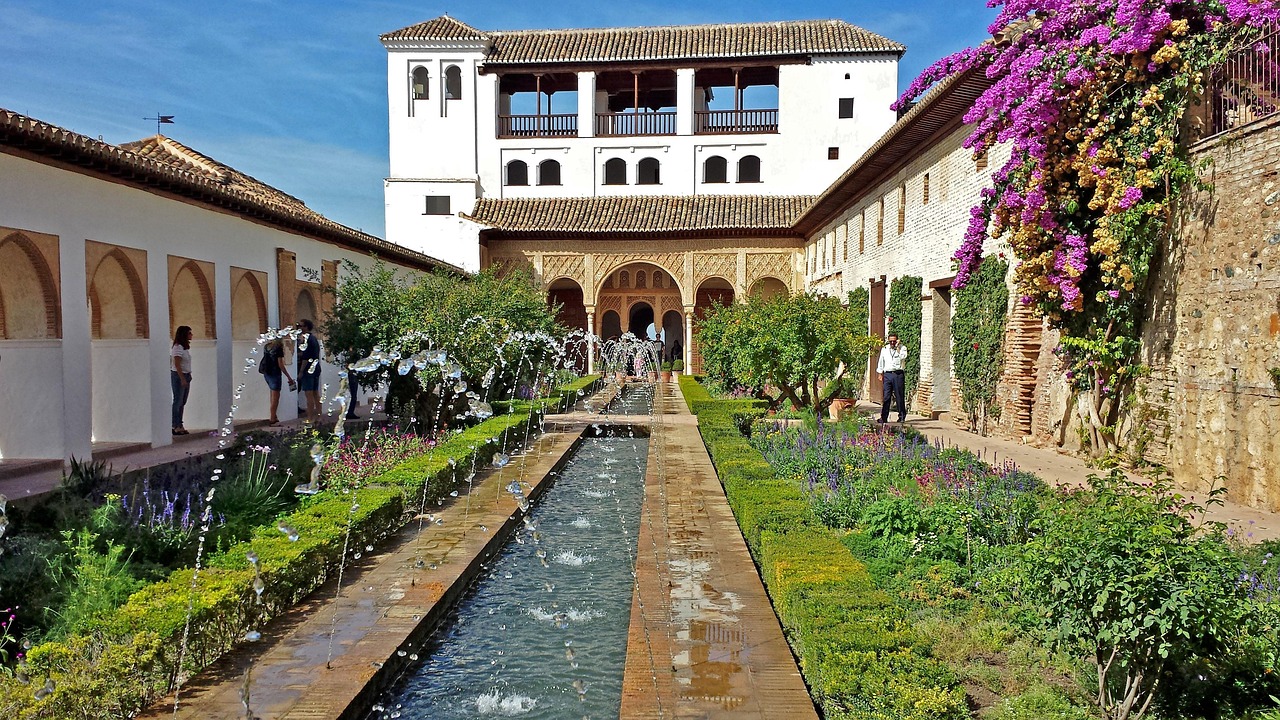
The Generalife was the Nasrid sultans’ summer palace, a retreat from court life. Today its gardens are a symphony of water channels, roses, cypress trees, and carefully framed views of the Alhambra and the city below.
My favorite time: Late spring, when the roses are in bloom but the summer heat hasn’t fully arrived. I like to walk slowly, then find a bench in the shade and just sit. It’s one of the most peaceful corners in the entire complex.
20. Huerta de San Vicente (Federico García Lorca’s House)
This was poet Federico García Lorca’s summer home, now turned into a museum surrounded by gardens. If you’re interested in literature or in understanding Granada’s soul, it’s a must.
Why I go: Lorca is inseparable from the identity of Granada. Walking through the house where he wrote and lived, seeing his typewriter, his drawings, and family photos adds another layer to the city’s atmosphere.
Tip: Check for guided tours and small cultural events; sometimes there are poetry readings or concerts in the gardens, especially in warmer months.
Perfect 3–5 Day Itineraries in Granada (With Personal Stories)
Whether you have 3 days in Granada or are planning a 4 or 5 day itinerary for Granada, here’s how I’d structure your time, based on many trips and countless walks through these streets.
3 Days in Granada: Essential Highlights
Day 1: First Glimpse of Granada – Center, Albaicín & Sunset
Morning: Arrive, drop your bags (ideally somewhere near the historic center), and head straight for Plaza Bib-Rambla for coffee and a tostada con tomate. I like to sit facing the fountain and watch the city wake up.
From there, walk to the Granada Cathedral and Royal Chapel. Spend a couple of hours exploring, then wander through the Alcaicería market. Even if you’re not shopping, the narrow lanes are fun to experience.
Lunch: Find a nearby bar (I often duck into a small, slightly scruffy spot rather than a big terrace) and order a drink. Remember: in Granada, your drink usually comes with a free tapa. This is one of the best ways to experience local food in Granada without spending much.
Afternoon: Follow Calle Elvira toward Plaza Nueva, then turn onto the Carrera del Darro and stroll along the river. Stop at El Bañuelo if you have energy, then continue to Paseo de los Tristes for a drink with an Alhambra view.
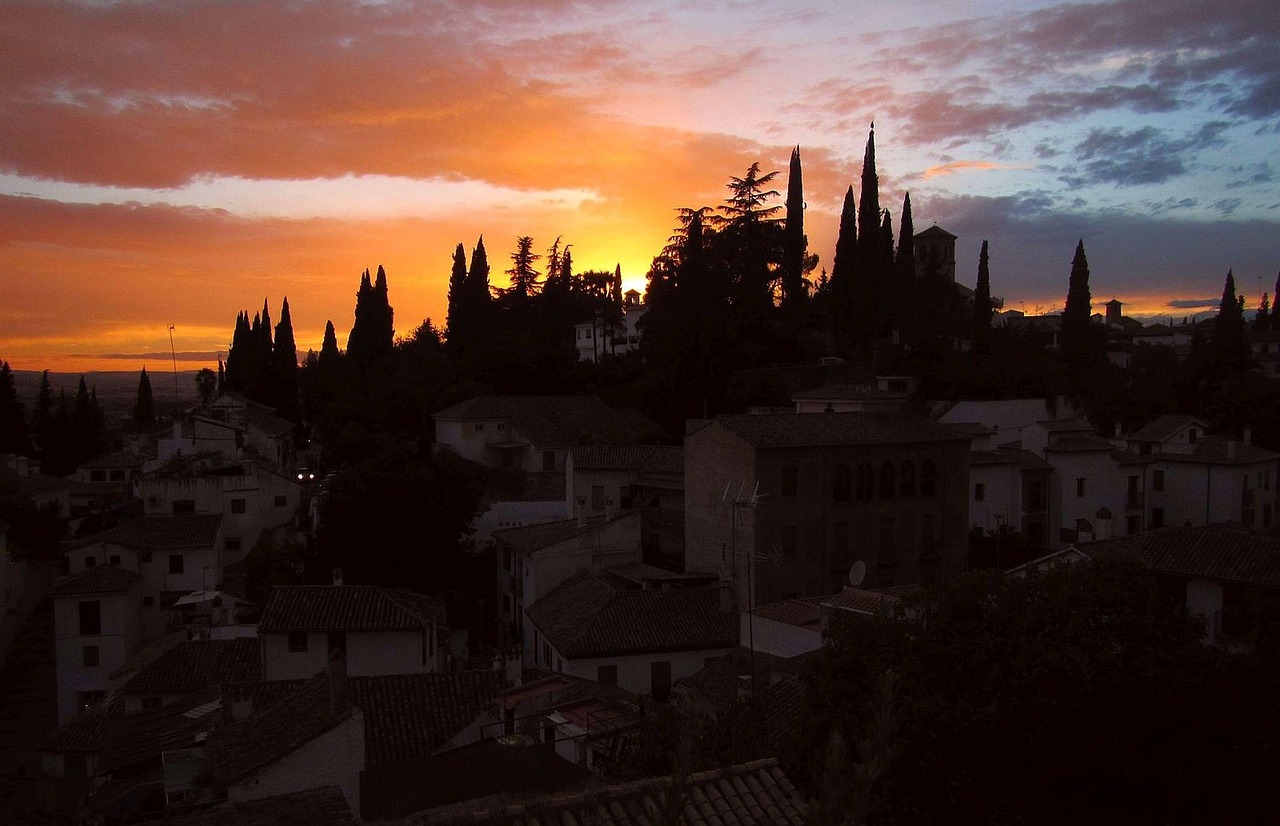
Evening: Climb into the Albaicín, aiming for Mirador de San Nicolás about 45 minutes before sunset. After the show, wander down through the Albaicín’s streets by feel (keep an eye on your map, but let yourself wander). Have dinner at a local carmen-style restaurant with an Alhambra view if your budget allows, or find a tiny tapas bar on a side street.
Day 2: The Alhambra Day
Morning: This day revolves around your Alhambra entry time. I like to book a mid-morning Nasrid Palaces slot. Eat breakfast near your accommodation, then either walk or take the bus up.
Start with the Alcazaba fortress for sweeping views, then time your walk so you reach the Nasrid Palaces a bit before your slot. After drinking in the details of the palaces, head to the Palace of Charles V and finally the Generalife gardens. Expect 4–5 hours in total.
Lunch: Either snack inside (options are limited and a bit pricey) or head back downhill toward Realejo or the center and follow the crowds of locals to a simple tapas joint. I often end up somewhere in Realejo after an Alhambra visit, partly to decompress in a quieter neighborhood.
Afternoon: Wander Realejo’s streets and street art, or simply rest. If you still have energy, visit the Carmen Rodríguez-Acosta for more views and gardens.
Evening: For a cultural experience in Granada, this is a great night to book a flamenco show in Sacromonte. Have an early dinner or heavy tapas in the center, then either walk or taxi up to the caves. I still remember the first time I felt a singer’s voice physically vibrate in my chest in one of these tiny venues—it’s an emotional experience even if you don’t understand the words.
Day 3: Monasteries, Science, or Just Wandering
Morning options:
- Visit the Monastery of San Jerónimo and the Basilica de San Juan de Dios, then wander the university area.
- Or, if you have kids (or are kid-at-heart), head to Parque de las Ciencias for a few hours.
Lunch: Try a more local, student-oriented bar near Cartuja or the Science Park for generous tapas and lower prices.
Afternoon: If you’re still in the mood for views, hike up to Mirador de San Miguel Alto. Alternatively, make a pilgrimage to Huerta de San Vicente to connect with Lorca and then relax in the surrounding park.
Evening: For your final night, pick a tapas crawl route: I usually weave from Plaza Nueva through Realejo and back toward Bib-Rambla, stopping wherever looks lively but not too polished. This is your last chance to sample more local food in Granada and toast the city with a glass of vino tinto or tinto de verano.
4 Days in Granada: Going Beyond the Highlights
If you have 4 days in Granada, follow the 3-day itinerary above and add:
Day 4: Deeper Neighborhoods & Relaxed Pace
Morning: Choose a neighborhood you liked and go back with no agenda. My pick is usually Realejo. Have a slow breakfast, photograph the street art, and sit in a small plaza with a book.
Midday: Visit the Cartuja Monastery or any church/monument you missed earlier. Four days give you permission to linger, not just tick boxes.
Afternoon: Consider a hammam experience in one of the modern Arab-style baths in the city. While not historic like El Bañuelo, they’re a beautiful way to unwind after days of walking. On one trip, I booked an afternoon slot here and came out so relaxed I nearly floated back to my hotel.
Evening: Venture across the river to a less touristy part of Zaidín for dinner, or revisit your favorite tapas bar from earlier in the trip. With 4 days, you can afford to return to places you love.
5 Days in Granada: Adding a Day Trip
With 5 days in Granada, you can follow the 4-day itinerary and dedicate one full day to a nearby excursion. This transforms your trip into a broader Andalusian experience.
Day 5 Option 1: Sierra Nevada Mountains
Winter (roughly Dec–March): Head up to the Sierra Nevada ski resort for a day of snow, even if you’re not skiing. Families love the snow play areas; couples can cozy up in mountain cafés.
Spring–Autumn: Go for hiking and mountain views. There are trails for all levels; even short walks give you breathtaking scenery.
Getting there: Buses run from Granada’s bus station; check the current 2026 schedule. A rental car gives more flexibility but parking in high season can be tricky.
Day 5 Option 2: Las Alpujarras Villages
The Alpujarras are a chain of white villages spilling down the southern slopes of Sierra Nevada. Pampaneira, Bubión, and Capileira are the classic trio.
My memory: I spent one misty March day wandering their steep lanes, ducking into artisan shops and warming up with plato alpujarreño (a hearty plate of potatoes, sausage, egg, and ham). The air smelled of wet stone and woodsmoke.
Tip: Organized day tours run from Granada if you don’t want to deal with driving mountain roads.
Local Food & Drink in Granada
Tapas Culture: How It Works
Granada is legendary for its free tapas. Order a drink—beer, wine, soft drink—and you’ll typically receive a tapa at no extra charge. It’s one of the best ways to save money and sample lots of local dishes.
- First round: You often don’t choose; the bar brings what they’re serving.
- Later rounds: Some places let you choose from a small list, others keep it chef’s choice.
- Strategy: Move between bars; each has its own style and specialties.
Dishes to Try
- Remojón granadino: Orange, cod, olives, and onions in a refreshing salad.
- Habas con jamón: Broad beans with cured ham, especially good in spring.
- Plato alpujarreño: Mountain-style comfort food, ideal on cooler days.
- Tortilla española: Every bar does it slightly differently; find your favorite.
- Piononos: Little syrupy pastries from nearby Santa Fe—sweet, sticky, and very Granadino.
Drinks
- Tinto de verano: Red wine with soda and ice, lighter than sangria and beloved by locals.
- Vino tinto from Granada province: Increasingly good, especially from the Contraviesa and Alpujarras regions.
- Local craft beers: 2026 sees a growing microbrew scene—ask for local labels in trendier bars.
Where I Like to Eat & Drink (Examples)
I won’t list every spot (places come and go), but here are some types of places I seek out:
- Old-school tapas bars around Calle Navas and Plaza Nueva for classic tapas and noisy, authentic atmospheres.
- Student-heavy bars around the university and Cartuja for bigger, budget-friendly tapas.
- View restaurants in the Albaicín and Sacromonte for special-occasion dinners with Alhambra vistas—perfect for romantic nights.
Nightlife, Flamenco & Cultural Experiences in Granada
Flamenco
For genuine cultural experiences in Granada, flamenco is essential. As mentioned, Sacromonte caves are iconic; the Albaicín also has small venues. Look for intimate settings over large tourist buses.
Bars & Late Nights
Granada’s nightlife skews young thanks to the university. Even on weeknights, you’ll see students starting their tapas rounds at 9–10pm.
- Early evening: Tapas bars around the center.
- Later: Cocktail bars in Realejo or the center, then small clubs or music venues if you want to go late.
Cultural Venues
Check the programming at:
- Auditorio Manuel de Falla: Classical music with a view over the city.
- Teatro Isabel la Católica: Theater, dance, and concerts.
- Centro Federico García Lorca: Exhibitions and events related to Lorca and contemporary culture.
Day Trips from Granada
Beyond the Sierra Nevada and Alpujarras mentioned in the 5-day itinerary, consider:
- Guadix: Known for cave dwellings and a striking cathedral. Reachable by train or car.
- Montefrío: A spectacular hilltop town with one of Spain’s most scenic viewpoints.
- Nerja & Costa Tropical: If you crave the sea, buses can take you to the coast in about 1.5–2 hours.
Cultural Etiquette & Local Customs in Granada
- Schedule: Lunch is usually 2–3:30pm, dinner from 9pm onward. Don’t be surprised if restaurants are quiet at 7pm.
- Greetings: A simple “Hola” or “Buenos días” when entering small shops or cafés goes a long way.
- Language: English is spoken in tourist areas, less so further out. A few Spanish phrases are appreciated.
- Dress: Casual but neat. Cover shoulders and avoid very short shorts when visiting religious sites.
- Tipping: Not obligatory, but rounding up or leaving 5–10% for good service is common.
- Noise: Spaniards speak loudly, but late-night noise in residential Albaicín/Sacromonte streets can bother locals—keep voices down passing through.
Practical Travel Advice for Granada (2026)
Getting Around
- On foot: The best way to see most of the historic city. Expect hills and cobblestones.
- Buses: Small buses (C30, C32, C34) connect the center with the Albaicín, Sacromonte, and Alhambra. Regular city buses serve outlying neighborhoods and the Science Park.
- Taxi & ride-hailing: Affordable for shorter hops, especially to Sacromonte at night.
- Car rental: Not needed in the city and parking is difficult. Better for onward travel or day trips; leave the car in a garage and walk/bus inside Granada.
Saving Money
- Take full advantage of free tapas with drinks.
- Look for combined monument tickets (El Bañuelo, certain monasteries, etc.).
- Use the local buses instead of taxis for hills if you’re on a tight budget.
- Stay slightly outside the most touristy streets (like just off Gran Vía or in lower Realejo) for better accommodation deals.
SIM Cards & Connectivity
In 2026, eSIMs have made things easier. You can either:
- Buy an eSIM from providers like Orange, Movistar, or Vodafone online before arrival.
- Or purchase a physical SIM at airports, phone shops, or larger supermarkets. You’ll need your passport.
Visa & Entry Requirements
Granada follows Spain/Schengen rules:
- EU/EEA/Swiss citizens can enter freely with ID.
- Many other nationalities can visit visa-free for up to 90 days in 180 (check Schengen visa rules for your passport).
- From some regions, an ETIAS travel authorization may be required—check official EU sources before 2026 travel.
Driving & Foreign Licenses
Most foreign licenses are accepted for short visits; some non-EU licenses require an International Driving Permit (IDP). Check Spain’s current regulations for your country in 2026 before renting.
Best Seasons for Activities
- Spring (March–May): Ideal for most travelers. Alhambra gardens blooming, comfortable temperatures for walking, Holy Week processions and spring festivals.
- Summer (June–August): Hot in the afternoons; plan sightseeing early/late and rest midday. Livelier nightlife and more events.
- Autumn (Sept–Nov): Mild, often sunny, fewer crowds. Great for hiking and day trips.
- Winter (Dec–Feb): Chilly but often bright days, snow visible on Sierra Nevada. Perfect if you want to combine city with skiing and don’t mind bundling up at night.
What’s New & Major Events 2026–2027 in Granada
While exact lineups change each year, here are recurring and expected highlights for 2026–2027 to watch for when planning your trip:
- Festival Internacional de Música y Danza de Granada (Summer 2026): Classical music, dance, and performances staged in historic venues like the Alhambra and Generalife. Book tickets early.
- Semana Santa (Holy Week): Processions and religious events in the spring—moving, visually striking, and very Andalusian.
- Corpus Christi Fair: A major local festival with parades, fairgrounds, and traditional dress.
- Updated Alhambra Conservation Projects: 2026 is expected to see new phases of restoration unveiled, particularly in lesser-known palace areas—check official Alhambra announcements.
- Lorca-related cultural programming: The Centro Federico García Lorca continues to expand its exhibitions and events calendar through 2027, including international collaborations.
Summary & Final Recommendations
Granada is not a city you just “do” in a checklist. It’s a place to walk slowly, to sit often, and to let the layering of history, music, food, and light sink in.
- If you only have 3 days in Granada, focus on the Alhambra, Albaicín, Sacromonte flamenco, and the Cathedral area.
- With 4 days in Granada, add quieter monasteries, Realejo, and maybe a hammam or more cultural events.
- With 5 days in Granada, build in a day trip to Sierra Nevada or the Alpujarras and slow your pace.
Best seasons to visit: If you’re flexible, choose April–May or late September–October. You’ll avoid the worst heat, enjoy comfortable walking weather, and still have plenty of light for those long, golden evenings when Granada looks its best.
Whether you come for a weekend or settle in for a week, let Granada be more than the Alhambra. Climb the miradors, get lost in the Albaicín, listen to a street guitarist by the Darro, and follow the smell of grilled pescado or the sound of flamenco palmas echoing from a doorway. That’s where the real city lives—and where your own Granada stories will begin.