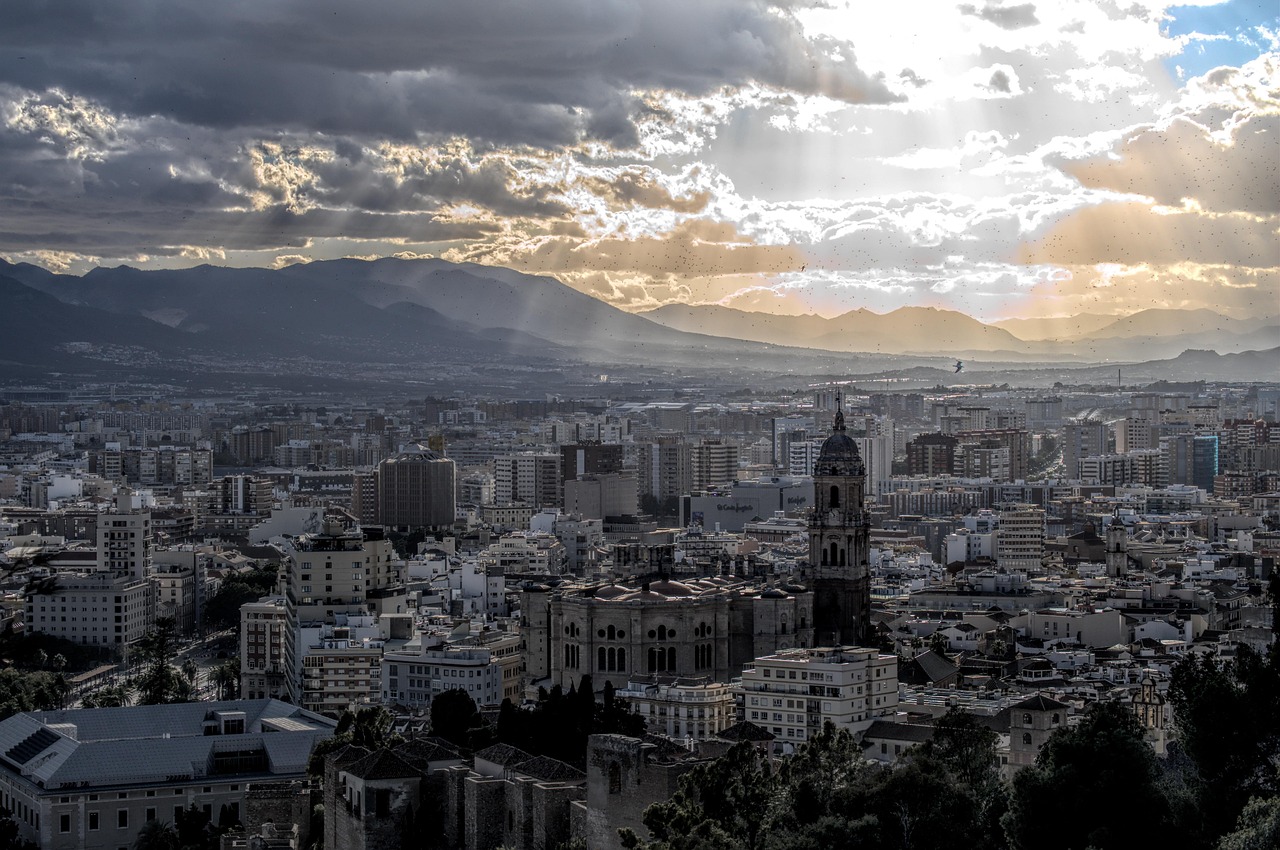
Why Visit Malaga in 2026?
Malaga has quietly transformed from “just a gateway to the Costa del Sol” into one of Spain’s most vibrant, creative, and genuinely livable cities. The first time I came here, I treated it as a quick stop on my way to Granada. Now, I plan entire trips around Malaga. It’s that good.
In 2026, Malaga is buzzing: new cultural events, improved public transport links, and a food scene that somehow keeps getting better while staying refreshingly affordable compared to Barcelona or Madrid. You get beaches, museums, historic castles, leafy parks, rooftop bars, and traditional taverns, all within a compact, walkable center.
This travel guide for Malaga is written as if I’m walking beside you through the city. I’ll share a detailed 4–5 day itinerary for Malaga (easily adaptable for 3 days in Malaga if you’re short on time), must-see attractions, local food in Malaga, hidden gems, cultural experiences, and practical travel tips to help you feel like a savvy semi-local, not just a visitor.
Whether you’re planning 3 days in Malaga for a quick city break, 4 days in Malaga to mix museums with beach time, or 5 days in Malaga to add day trips and deeper cultural experiences, this guide has you covered for 2026–2027.
Table of Contents
- Why Visit Malaga in 2026?
- Malaga at a Glance
- Suggested Itineraries: 3, 4, and 5 Days in Malaga
- Day 1: Historic Heart – Alcazaba, Gibralfaro & Old Town
- Day 2: Museums, Port & Beach Life
- Day 3: Neighborhoods, Street Art & Local Food
- Day 4: Hidden Gems, Hills & Viewpoints
- Day 5: Day Trips & Deeper Cultural Experiences
- 20 Must-See Attractions in Malaga (In Depth)
- Best Neighborhoods & Areas to Explore
- Local Food and Drink in Malaga
- Nightlife, Entertainment & Cultural Experiences
- Major Events & Festivals 2026–2027
- Best Day Trips from Malaga
- Cultural Etiquette & Local Customs
- Practical Travel Tips for Malaga
- Summary & Best Time to Visit Malaga
Malaga at a Glance
Population: Around 580,000, with a relaxed, coastal-city vibe and a growing international community.
Location: Southern Spain, in Andalusia, facing the Mediterranean Sea. Easy hub for exploring Granada, Cordoba, Ronda, and the wider Costa del Sol.
Vibe: Sunny, artistic, and surprisingly local once you step away from the cruise crowds. Think tapas in tiled bars, palm-lined promenades, and late-night terraces.
Why I keep returning: Malaga offers the sweet spot between culture and beach laziness. I can spend the morning at the Picasso Museum, eat lunch at a bustling seafood joint, then nap on the sand and finish the day with sunset views from a castle rampart. And I can do it all on foot.
Suggested Itineraries: 3, 4, and 5 Days in Malaga
This guide dives deeply into a 5 day itinerary for Malaga, but you can easily trim it down:
- 3 days in Malaga: Focus on the historic center, Alcazaba & Gibralfaro, the port and beach, and a couple of key museums (Picasso, Carmen Thyssen). Follow Days 1–3, cutting some slower neighborhood wandering if needed.
- 4 days in Malaga: Add more local neighborhoods (Lagunillas, Soho) and a dedicated food day with market visits and a wine tasting. Follow Days 1–4.
- 5 days in Malaga: Go all in with a day trip (Caminito del Rey, Ronda, or Nerja) and deeper cultural experiences. Follow the full 5 day itinerary below.
Day 1: Historic Heart – Alcazaba, Gibralfaro & Old Town
On my most recent trip in early spring 2026, I landed in Malaga just before noon, dropped my bag at a small guesthouse near Plaza de la Merced, and walked straight toward the Alcazaba. That first climb up through jasmine-scented paths with the city opening beneath you is the perfect introduction to Malaga.
Morning: Roman Theatre & Alcazaba
Start at the Teatro Romano, the Roman Theatre at the foot of the Alcazaba. It’s free to wander around the ruins and the small interpretation center, and I like to stand there and imagine the centuries of life that played out in this exact spot. The contrast between the Roman stones and the Moorish fortress looming above is striking.
Then head up into the Alcazaba, Malaga’s star attraction and one of the best-preserved Moorish fortresses in Spain. The ascent is gentle but steady; wear decent shoes. I usually linger in the courtyards, listening to the sound of fountains and admiring the geometric tilework. In the quieter corners, you can often hear birds more loudly than the city below.
Tip: Arrive when it opens (usually 9:00) to beat both the heat and the cruise ship crowds. If you’re visiting in summer, this is non-negotiable.
Midday: Castillo de Gibralfaro
From the Alcazaba, you can climb further up to Castillo de Gibralfaro. This is a slightly more demanding walk (about 20–30 minutes uphill), but the payoff is huge: a panoramic view of the port, the bullring, the cathedral dome, and the long sweep of the coastline.
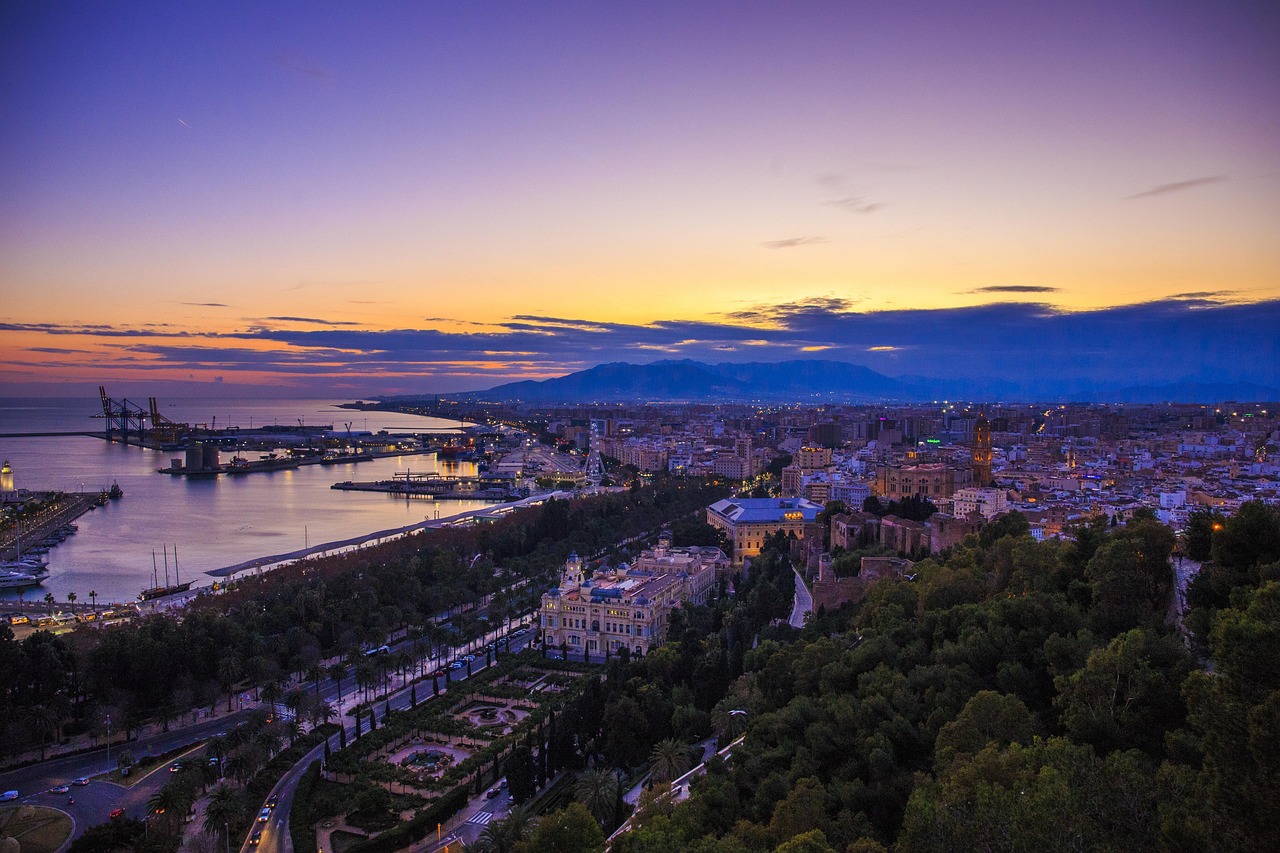
I’ve done this walk in every season. In July, I nearly melted – bring water and a hat. In March and October, it’s glorious, with a soft breeze and clear skies. The castle itself is essentially a long, walkable wall; I like to circle the ramparts slowly, stopping at each curve to spot new angles of the city.
Family tip: Kids love the sense of adventure up here – lots of towers, walls, and space to roam. Just keep an eye on little ones near the ramparts.
Lunch: Traditional Tavern in the Old Town
After descending (you can walk back down or take Bus 35 if you’re tired), head toward the Old Town. This is when I like to slip into a timeless bodega for lunch. Around the cathedral and Plaza de la Constitución, you’ll find plenty of places serving classic Andalusian dishes.
Order ensaladilla rusa (potato salad with tuna and mayo), boquerones en vinagre (white anchovies marinated in vinegar), and a cold caña (small draft beer). Tapas here are still reasonably priced, especially if you step one or two streets away from the main squares.
Afternoon: Malaga Cathedral & Old Town Wandering
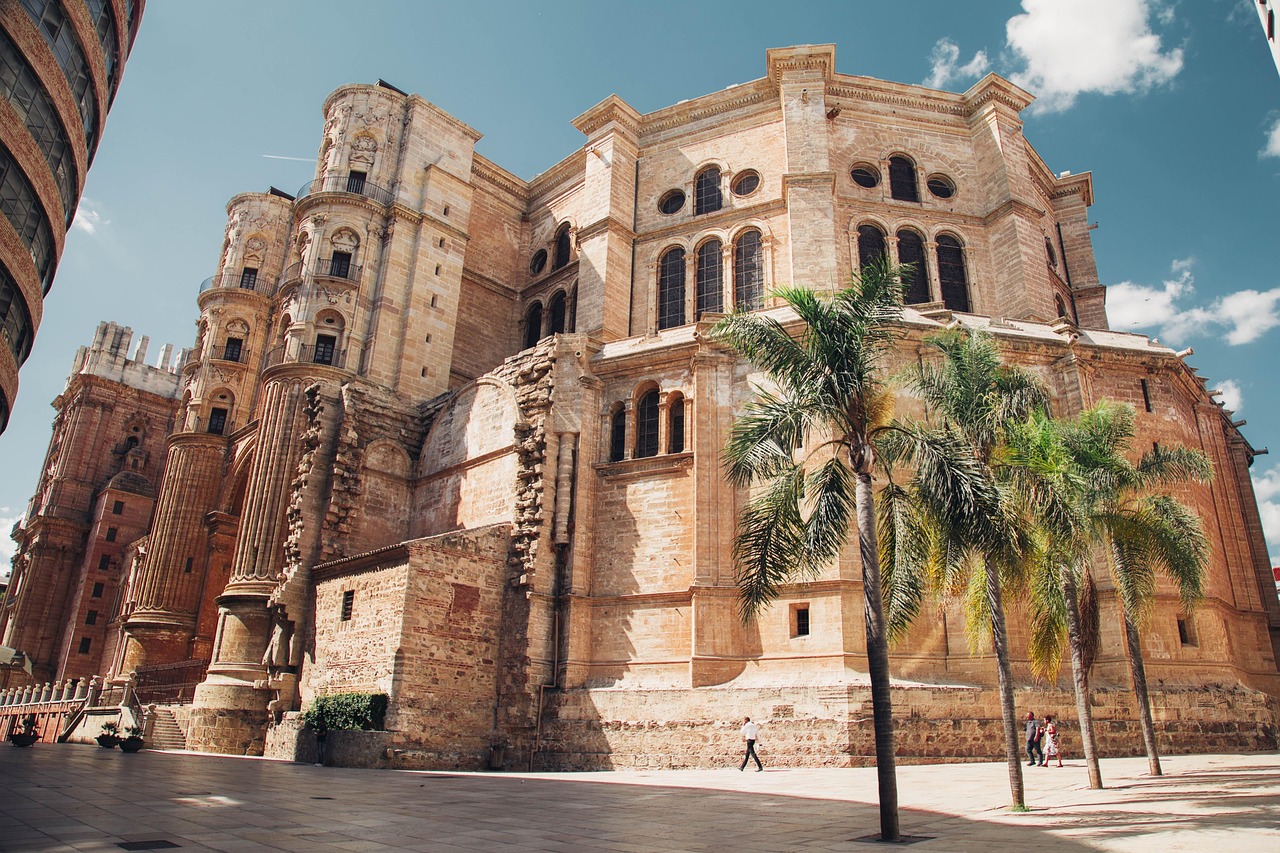
Now it’s time for Malaga Cathedral, affectionately nicknamed “La Manquita” (the One-Armed Lady) because one of its towers was never finished. I’ve visited several times, and the interior still takes my breath away – soaring columns, ornate chapels, and a surprising sense of lightness. If the rooftop visits are running when you’re in town, they’re absolutely worth booking for yet another vantage point over the city.
Afterwards, let yourself get lost in the Old Town streets around Calle Larios, Plaza de la Constitución, and Plaza de la Merced. This is where Malaga feels both polished and lived-in: glossy shopfronts, local kids kicking balls, old men reading newspapers on benches, and street musicians playing guitar in the shade.
Late Afternoon: Coffee & Sweet Treats
Malaga takes coffee seriously. Order like a local: a “mitad” (half coffee, half milk) or a “sombra” (more milk than coffee). Pair it with a slice of tarta de almendra (almond cake) or torta de aceite.
Evening: Sunset Drinks & Tapas
For a romantic start to the evening, I like heading to a rooftop bar near the cathedral for a sundowner. Watching the stone of the cathedral turn golden as the sun drops is one of those simple Malaga pleasures.
Then, dive into a tapas crawl. Stay mostly in the Old Town but don’t be afraid to drift down side streets – the best spots are often the ones where the menu is handwritten and crowded with locals. Share croquetas, berenjenas con miel (fried eggplant with cane honey), and pimientos de padrón.
You’ve already seen some of the best places to visit in Malaga on Day 1, and yet it still feels like a gentle introduction. Tomorrow, we go deeper into Malaga’s artistic side and waterfront life.
Day 2: Museums, Port & Beach Life
My second day in Malaga usually follows a familiar pattern now: art in the morning, leisurely lunch by the sea, and lazy beach time. It’s a mix that works whether you’re traveling solo, as a couple, or with kids.
Morning: Picasso Museum & Birthplace
Malaga is Picasso’s birthplace, and the city is understandably proud of that fact. The Picasso Museum Malaga is housed in a beautiful palace in the Old Town, with a permanent collection that spans his early works to later experiments. Even if you’re not a hardcore art lover, the museum is well-curated and approachable.
Book tickets ahead in high season. I like to go early, when the rooms are still quiet. There’s something intimate about seeing Picasso’s sketches and ceramics in the city where he was born.
A short walk away is the Picasso Birthplace Museum on Plaza de la Merced. It’s more biographical, giving you a sense of his family and early years in Malaga. You can easily do both in a morning.
Late Morning: Carmen Thyssen Museum
If you have the energy for more art (I usually do), head to the Carmen Thyssen Museum. It focuses on 19th-century Spanish painting, with lots of Andalusian scenes. The building itself is another beautifully restored palace, and the collection gives a vivid sense of the region’s past.
Lunch: Muelle Uno & Port Area
From the Old Town, stroll down toward the sea and the modern waterfront development of Muelle Uno. This pedestrian-friendly port area has become one of my favorite places in Malaga for a leisurely lunch. The promenade is lined with restaurants and bars, and you’ll often find street performers and small craft stalls.
Grab a table with a view of the yachts and the lighthouse. Order espeto de sardinas (sardines grilled on a skewer) if they’re on the menu, or go for a seafood paella or arroz caldoso (brothy rice). A glass of cold vino blanco from Malaga or a local craft beer goes perfectly with the sea breeze.
Afternoon: Centre Pompidou Malaga & La Malagueta Beach
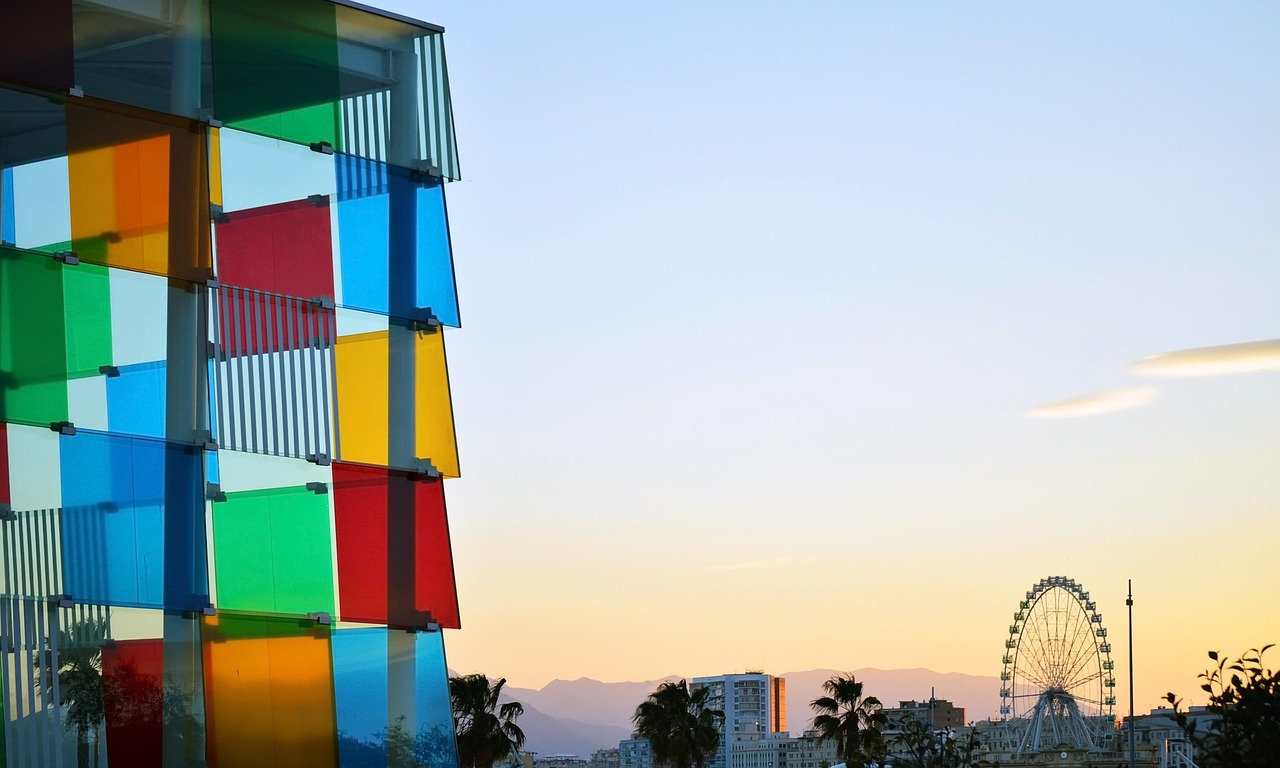
At Muelle Uno, you can’t miss the colorful glass cube of the Centre Pompidou Malaga, the first Pompidou outside France. Inside, you’ll find rotating contemporary art exhibitions. I’ve spent both quick 45-minute visits and long rainy afternoons here – it’s flexible and rewarding either way.
From there, walk along the promenade to Playa de la Malagueta, Malaga’s main city beach. It’s not the most spectacular beach on the Costa del Sol, but its convenience is unbeatable: one moment you’re in a museum, the next you’re barefoot in the sand.
I love the simple pleasures here: renting a sun lounger for a few euros, napping under a parasol, or watching locals play paddleball. The beach bars (chiringuitos) behind the sand are great for a cold drink and a plate of fritura malagueña (mixed fried fish).
Budget tip: Skip the loungers if you want to save money and bring a towel. The beach is free; only the chairs and umbrellas cost extra.
Evening: Paseo Marítimo & Seafood Dinner
As the day cools, walk along the Paseo Marítimo, the seaside promenade. This is one of Malaga’s most romantic evening walks, with palm trees, joggers, and families out strolling.
Pick a chiringuito or simple seafood restaurant for dinner. My go-to order: boquerones fritos (fried anchovies), calamares a la romana (fried squid), a salad with tomatoes and olives, and a cold bottle of local white wine. It always hits the spot.
By the end of Day 2, you’ve seen many of the must-see attractions in Malaga, but you’ve also started to feel its daily rhythm: art in the morning, sea in the afternoon, long dinners that stretch into the night.
Day 3: Neighborhoods, Street Art & Local Food
On my third day in Malaga, I always slow down and let the city reveal its more local side. This is the day when Malaga starts to shift from pretty destination to somewhere I could imagine living.
Morning: Atarazanas Market
Start at Mercado Central de Atarazanas, Malaga’s central market, housed in a stunning iron-and-glass structure with a Moorish arch and a huge stained-glass window. I like to arrive mid-morning when it’s buzzing but not yet packed.
Walk through the aisles of fresh fish, jamón, cheeses, fruits, and olives. Vendors are generally friendly; if you try a few Spanish phrases, you’ll often get a smile and maybe a free taste. Grab a quick breakfast of tostada con tomate (toast with tomato and olive oil) and a coffee from one of the small bars inside or just outside the market.
Money-saving tip: This is the place to buy picnic supplies if you’re on a budget. A wedge of cheese, some olives, fruit, and a baguette can make a feast for a few euros.
Late Morning: Soho – The Arts District
From Atarazanas, cross into the Soho neighborhood, Malaga’s creative district. Once a somewhat overlooked area, it’s now covered in large-scale murals and smaller pieces of street art. I like to wander without a fixed route, turning corners just to see what’s painted on the next wall.
Soho also has independent galleries, quirky cafes, and some excellent coffee shops. If you’re into urban art, this is one of the most rewarding things to do in Malaga.
Lunch: Tapas in a Local Bar
Soho and the streets west of the center are full of more local-feeling tapas bars than the heart of the Old Town. Look for places where the menu is in Spanish first and where you see workers on their lunch break. Try albóndigas en salsa (meatballs in sauce), tortilla de patatas, and a small glass of vino tinto.
Afternoon: Lagunillas – Gritty, Artsy, Authentic
Lagunillas is one of my favorite hidden gems in Malaga. Just a few minutes’ walk uphill from Plaza de la Merced, it’s a working-class neighborhood with a raw, artistic edge. Many buildings are run-down, but the streets are alive with vivid murals, political slogans, and portraits.
Come in daylight and stay aware of your surroundings – it’s not dangerous, but it’s very local and not polished for tourists. I’ve always felt welcome, especially when I’m clearly there to appreciate the art and I’m respectful with my camera.
For photographers and anyone who likes seeing the undercurrent of a city, this is one of the most interesting places to visit in Malaga.
Late Afternoon: Coffee & People-Watching in Plaza de la Merced
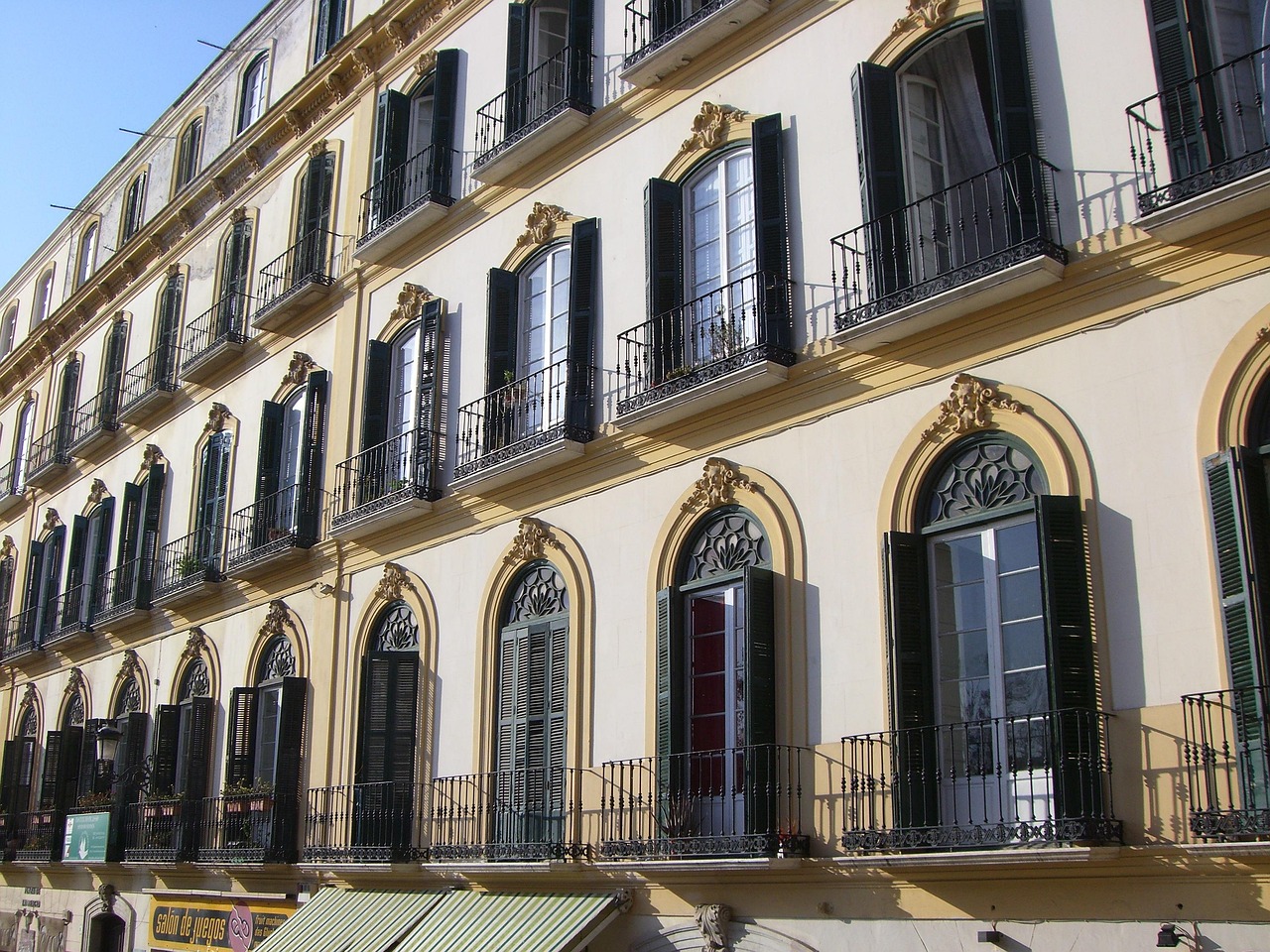
Head back down to Plaza de la Merced, one of Malaga’s most atmospheric squares. This is where Picasso was born, and there’s a statue of him sitting on a bench. It’s my go-to spot for a late-afternoon coffee or a glass of tinto de verano (red wine with soda and ice) while watching the constant flow of locals and visitors.
Evening: A Deep Dive into Malaga’s Food Scene
Tonight, focus on local food in Malaga. You could join a food tour (there are excellent small-group ones that include traditional taverns and modern tapas bars), or build your own route:
- Start with vermut (vermouth) in a classic bar with barrels behind the counter.
- Move on to a modern tapas spot for inventive dishes – think salmorejo (thick tomato soup) topped with jamón and egg, or grilled octopus with smoked paprika.
- Finish in a traditional freiduría (fried-fish shop) for a paper cone of fresh fried fish to share.
Budget tip: Stick to small plates and house wine or beer. You can eat incredibly well in Malaga without spending a fortune, especially if you drift away from the most touristy streets.
Day 4: Hidden Gems, Hills & Viewpoints
By Day 4, I like to escape the immediate city center and see another side of Malaga: its hills, parks, and lesser-known cultural spots. This is also a flexible day – you can make it more active or more relaxed depending on your energy.
Morning: Montes de Malaga Natural Park (Active Option)
If you’re up for something more adventurous, consider a half-day trip into the Montes de Malaga Natural Park, a hilly, forested area just north of the city. Rent a car or join a small tour; the drive up offers sweeping views back over the city and the sea.
There are hiking trails of varying lengths; I like the ones that loop around viewpoints where you can see how Malaga sits between mountains and sea. Pack water and snacks – services in the park are limited.
Alternative Morning: Jardín Botánico Histórico La Concepción
If you prefer something more tranquil, head to the La Concepción Historical-Botanical Gardens on the northern edge of the city. This lush 19th-century garden is a world of its own: palm trees, ponds, shaded paths, and viewpoints over the city. I love coming here in summer when the center feels hot and busy; the gardens are cooler and quieter.
There’s a small entrance fee, and you can get there by bus or taxi. It’s family-friendly and also quite romantic if you’re visiting as a couple.
Lunch: Local Neighborhood Eatery
On the way back from the gardens or the Montes, stop in a less touristy neighborhood for lunch – somewhere north or west of the center. Look for menus with daily specials (menú del día) around €10–15 for a starter, main, dessert, and drink. This is one of my favorite ways to eat cheaply and well in Spain.
Afternoon: Russian Museum Collection or Automobile & Fashion Museum
Malaga has a couple of excellent “secondary” museums that many visitors skip:
- Russian Museum Collection (Colección del Museo Ruso): Located in a former tobacco factory complex, this museum hosts rotating exhibitions from the Russian State Museum. The building and surrounding area are worth exploring too.
- Automobile and Fashion Museum: An unexpected gem with vintage cars and period fashion displayed together. I went in with low expectations and came out delighted – it’s playful, stylish, and surprisingly fun.
Both are great options for families and for anyone who’s had their fill of classical art and churches.
Late Afternoon: Alternative Viewpoints
If you still have energy, seek out another viewpoint. Besides Gibralfaro, there are lesser-known spots in the hills and along the coast where you can watch the sunset. I’ve followed local friends up small paths behind their neighborhoods to little terraces where it’s just us, the sky, and the city lights coming on one by one.
Evening: Chill Night – Wine Bar or Local Square
By now, you might be ready for a slower evening. This is when I like to pick a cozy wine bar in the Old Town or near the Soho area and let the evening unfold naturally: a glass of vino dulce de Málaga (Malaga sweet wine), some cheese and charcuterie, and people-watching from a quiet corner table.
Day 5: Day Trips & Deeper Cultural Experiences
If you have 5 days in Malaga, use the last one to either take a day trip or dive deeper into the city’s cultural scene. I’ve done both, depending on my mood and who I’m traveling with.
Option 1: Day Trip to Caminito del Rey (Adventure)
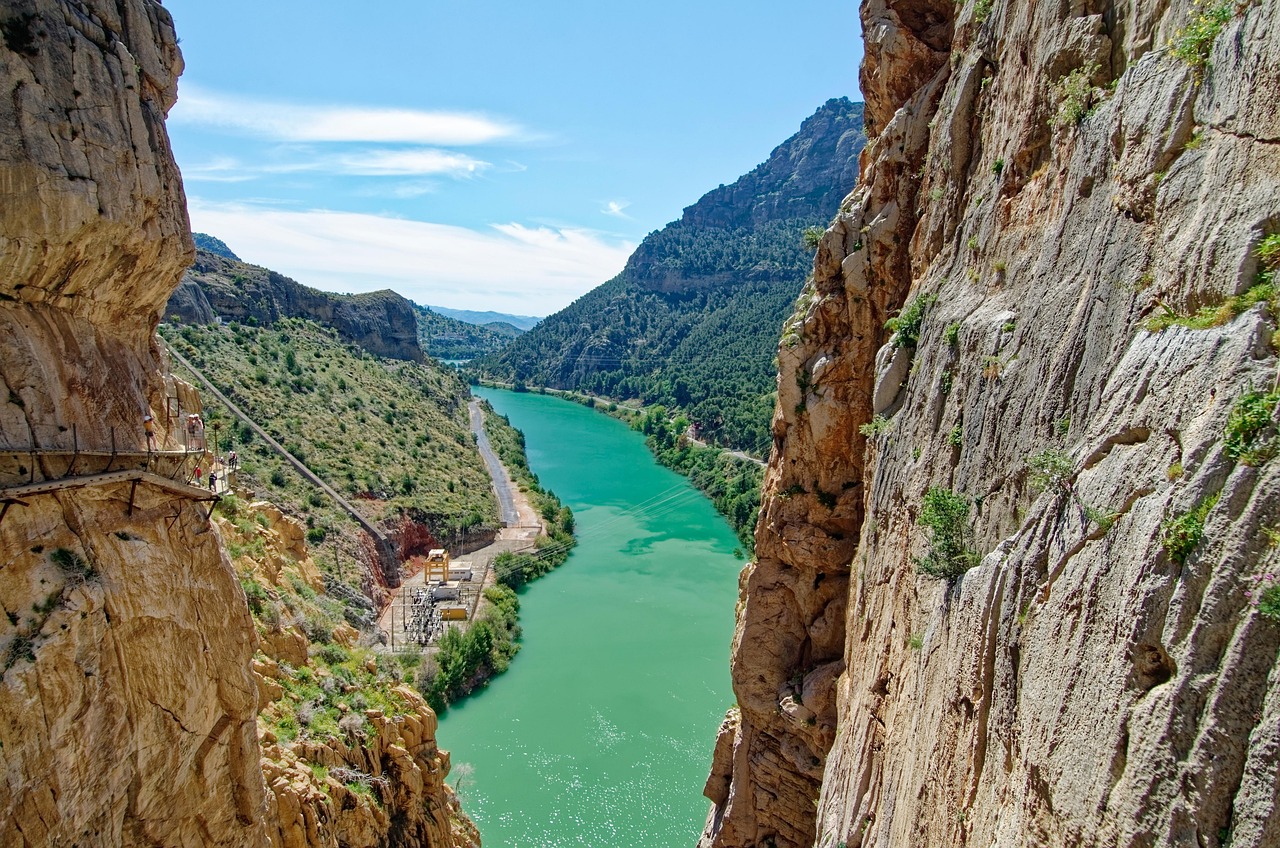
Caminito del Rey is one of the most dramatic day trips from Malaga: a walkway pinned to the side of a narrow gorge, with vertiginous views and a thrilling sense of exposure. It used to be notorious as one of the most dangerous paths in the world, but it has been completely rebuilt and is now safe and carefully regulated.
Book tickets and transport well in advance, especially in 2026–2027 as popularity continues to grow. If you’re not comfortable driving, there are plenty of organized tours from Malaga that include transport and entry.
Tip for the nervous: I’m not especially fond of heights, but I handled it fine. The path feels sturdy, and there are railings. Focus on the scenery and take it slowly.
Option 2: Day Trip to Nerja & Frigiliana (Relaxed Coastal Charm)
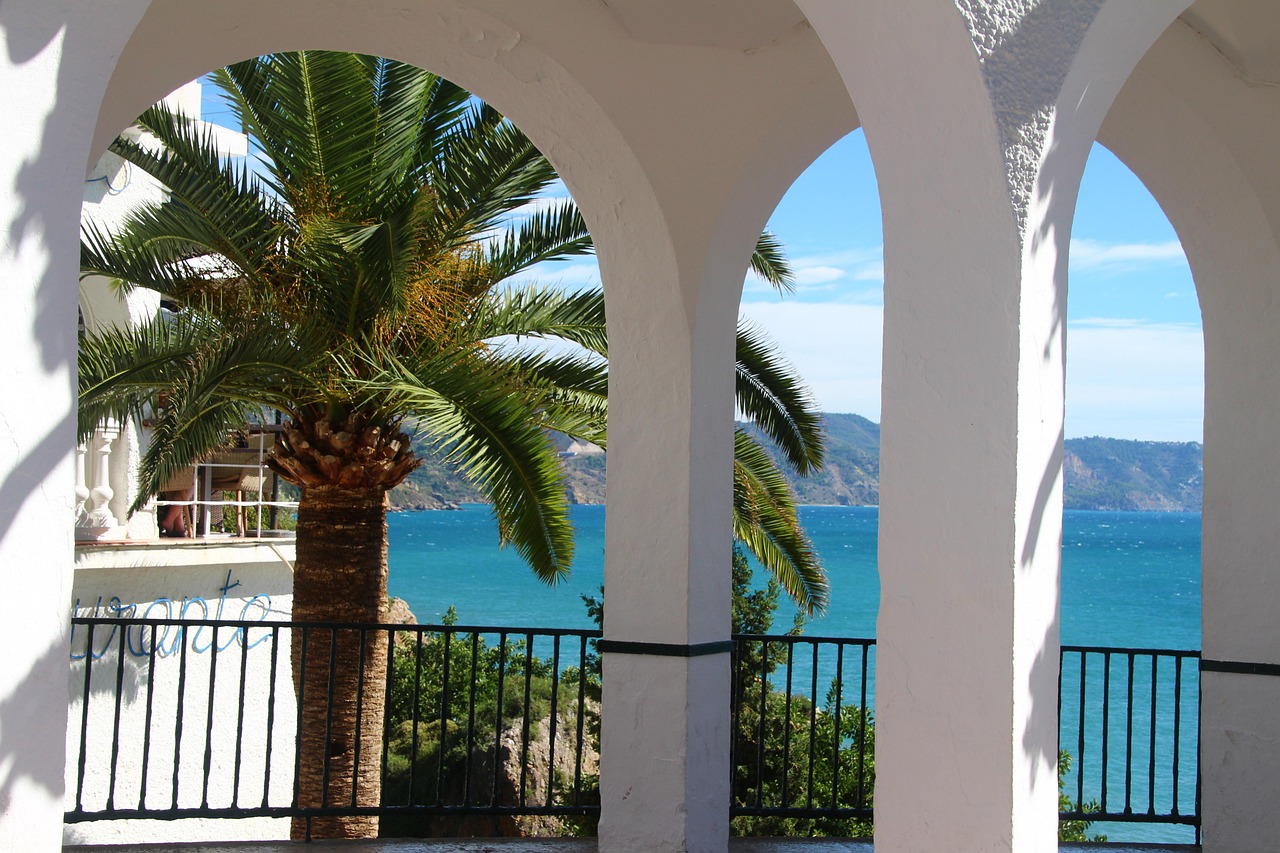
For something gentler, head east to Nerja, a pretty coastal town with cliffs, coves, and the famous Balcón de Europa viewpoint. Combine it with a visit to the Nerja Caves or the whitewashed village of Frigiliana, which has steep, narrow streets and flower-filled balconies.
Buses run regularly from Malaga, or you can rent a car for more flexibility.
Option 3: Day Trip to Ronda or Granada (Cultural Heavyweights)
If you’re happy with a longer day, you can also reach Ronda (with its dramatic gorge and historic bullring) or even Granada (for the Alhambra) from Malaga. Both are rich in history and scenery. Just know that Granada in one day is intense, especially if you’re trying to fit in the Alhambra.
Option 4: Stay in Malaga – Cultural Deep Dive
Alternatively, stay in Malaga and explore at an even slower pace:
- Visit smaller museums you may have missed.
- Take a flamenco class or watch a more authentic flamenco performance in a small venue.
- Join a cooking class to learn how to make gazpacho, salmorejo, and other Andalusian dishes.
- Spend more time in parks, like the Parque de Malaga, full of mature trees and statues.
This kind of day is perfect if you’re traveling as a couple or solo and want cultural experiences in Malaga that go beyond the main attractions.
20 Must-See Attractions in Malaga (In Depth)
Below are twenty of the best places to visit in Malaga, blending major sights with some lesser-known gems. I’ve woven in history, significance, and my personal tips from multiple trips.
1. Alcazaba of Malaga
The Alcazaba is Malaga’s crown jewel: a Moorish fortress-palace climbing up the hillside above the Roman Theatre. Built in the 11th century by the Hammudid dynasty, it served as both a defensive stronghold and a residence for Muslim rulers.
Inside, you’ll find courtyards with central fountains, archways decorated with delicate stucco, and gardens that smell of orange blossom in spring. Each time I visit, I find a new favorite corner – a quiet bench in the shade, a view framed by a horseshoe arch, a corridor that catches the afternoon light just right.
Tips:
- Combine your ticket with Castillo de Gibralfaro for savings.
- Go early in the morning or late afternoon to avoid heat.
- Bring water; there’s limited shade on the way up.
2. Castillo de Gibralfaro
Castillo de Gibralfaro crowns the hill above the Alcazaba. Originally a Phoenician site, the current fortress dates mostly from the 14th century under Yusuf I of Granada, intended to protect the Alcazaba and the port.
Walking the walls feels like circling the rim of a giant amphitheater, with the city as the show below. I especially love late afternoons up here in winter, when the low sun makes the sea glint like metal.
Tip: If you’re not up for the steep walk, take Bus 35 up and walk down.
3. Roman Theatre (Teatro Romano)
Discovered relatively recently in the 1950s, the Roman Theatre dates from the 1st century BC, under Emperor Augustus. For centuries, its stones were plundered to build the Alcazaba, but what remains is evocative.
I like sitting on the stone steps for a few minutes, imagining Roman citizens watching performances here with the sea in the background.
4. Malaga Cathedral (“La Manquita”)
Officially the Cathedral of the Incarnation, but known lovingly as La Manquita because one tower was never completed, Malaga’s cathedral was built between the 16th and 18th centuries on the site of a former mosque.
The interior is a harmonious mix of Renaissance and Baroque styles. The choir stalls, carved from dark wood, are particularly beautiful. On my last visit, I joined a rooftop tour at sunset and watched the city slowly light up around us – unforgettable.
5. Picasso Museum Malaga
The Picasso Museum Malaga is a must for art lovers and anyone curious about how a global icon like Picasso started out. The collection, donated by his family, includes over 200 works and rotates regularly.
I like that the museum doesn’t overwhelm; you can see everything in an hour or two and still have the energy to continue exploring. Audio guides add context without being too academic.
6. Picasso Birthplace Museum
On the corner of Plaza de la Merced, this modest building is where Picasso was born in 1881. Inside, there are family mementos, early drawings, and exhibits on the artist’s formative years.
Combined with the main Picasso Museum, it gives you a fuller picture of the man behind the myth.
7. Carmen Thyssen Museum
The Carmen Thyssen Museum focuses on 19th-century Spanish and Andalusian art. Many paintings show rural scenes, fiestas, and traditional dress, offering a visual journey through the region’s past.
I often recommend it to friends who feel “done” with big-name art; the works here feel rooted in the land you’re walking through.
8. Centre Pompidou Malaga
Housed under the colorful glass cube at Muelle Uno, the Centre Pompidou Malaga brings cutting-edge contemporary art to the Costa del Sol. The exhibitions change regularly, mixing big names with emerging artists.
I’ve seen everything from immersive installations to intense film pieces here; it always feels fresh.
9. Atarazanas Market (Mercado Central de Atarazanas)
More than a market, Atarazanas is a daily performance of Malaga life. The building itself began as a Nasrid shipyard, and you can still see the original arch at the entrance.
I come here on almost every trip, even if I’m not cooking. The energy – vendors calling out prices, locals greeting each other by name – is addictive.
10. Muelle Uno & Malaga Port
Muelle Uno is the modern face of Malaga’s port: a bright, open promenade with shops, restaurants, and views of the sea and the city skyline. It’s especially lively at sunset, when the sky turns pink and orange behind the lighthouse.
It’s great for families (lots of space to run), couples (romantic walks), and solo travelers (easy people-watching with an ice cream in hand).
11. Playa de la Malagueta
La Malagueta is Malaga’s main city beach, just east of the port. It’s a long arc of dark sand backed by a promenade and a row of chiringuitos.
Come here for convenience and atmosphere rather than crystal-clear water. I love it for spontaneous swims – you can finish a museum visit and be in the sea 15 minutes later.
12. Parque de Malaga
Running parallel to the port, the Parque de Malaga is a long, narrow oasis of mature trees, exotic plants, fountains, and statues. It was laid out in the late 19th and early 20th centuries and feels slightly tropical.
On hot summer afternoons, I cut through here for shade, listening to parrots screeching in the treetops.
13. Soho Arts District
Soho is Malaga’s self-styled arts district, with large murals commissioned as part of the MAUS (Malaga Arte Urbano Soho) project. International and local artists have transformed once-plain facades into vivid canvases.
It’s where I go when I need a break from historic architecture and want to feel the city’s contemporary pulse.
14. Lagunillas Neighborhood
Lagunillas is raw, creative, and imperfect. It’s a grassroots counterpart to Soho: rather than curated murals, you’ll find DIY art, political commentary, and a sense of community resilience.
I respect this area deeply. I move quietly, take photos thoughtfully, and support any small local businesses I pass.
15. Jardín Botánico Histórico La Concepción
The La Concepción Botanical Garden was created by a wealthy 19th-century family and later opened to the public. It’s a dreamy landscape of palms, bamboo, and exotic plants, with viewpoints over the city.
On my last visit, I spent a slow morning here, sitting by a small pond and reading under the trees. It felt a world away from the busy port, even though it’s only a short bus ride from the center.
16. Russian Museum Collection
Located in the old Tabacalera (tobacco factory) complex, the Russian Museum Collection presents rotating exhibitions of Russian art. The building’s industrial architecture contrasts beautifully with the paintings inside.
It’s usually quieter than the central museums, making it a relaxing place to spend a couple of hours.
17. Automobile and Fashion Museum
The Automobile and Fashion Museum surprised me. I expected a niche car collection; instead I found a cleverly curated journey through style and design, pairing vintage cars with period fashion.
It’s playful and visually stunning, and it’s a hit with both kids and adults.
18. Pedregalejo & El Palo Beaches
East of La Malagueta, the old fishing neighborhoods of Pedregalejo and El Palo are local favorites. The beaches are smaller and more intimate, backed by low-rise houses, seafood restaurants, and bars.
I often rent a bike or hop on a bus here for a slower, more authentic day by the sea. This is also where you’ll find outstanding espetos (sardines grilled over open fires on the sand).
19. Plaza de la Merced
Plaza de la Merced is one of Malaga’s social hearts: a large square lined with cafes, bars, and historic buildings. It’s where Picasso was born, and a statue of him sits casually on a bench.
I’ve spent countless evenings here, from quiet solo dinners to lively nights with friends, watching the city swirl around us.
20. Montes de Malaga Natural Park
The Montes de Malaga rise just behind the city, forming a green backdrop you see from Gibralfaro. The natural park protects pine forests, streams, and wildlife, with hiking trails and viewpoints.
When I need a reset from urban life, I head up here. The silence, broken only by wind and birds, reminds me how close Malaga is to nature.
Best Neighborhoods & Areas to Explore in Malaga
Centro Histórico (Old Town)
The Centro Histórico is where most visitors stay and where many of Malaga’s main attractions cluster. Think narrow streets, historic churches, hidden squares, and endless bars and shops. It’s lively from morning to late at night.
Soho
Soho lies just west of the center, between the Alameda and the port. It’s younger, artsier, and a bit grittier, with street art, indie boutiques, and cool cafes.
Lagunillas
Lagunillas, just north of Plaza de la Merced, is more residential and raw. It’s best for daytime walks to see the street art and get a feel for a less polished side of Malaga.
La Malagueta
La Malagueta stretches along the beach east of the port. It’s a mix of apartments, beach bars, and a few hotels, ideal if you want to wake up close to the sea but still be within walking distance of the center.
Pedregalejo & El Palo
Further east, Pedregalejo and El Palo are former fishing villages turned relaxed beach neighborhoods. They’re more local than La Malagueta and great for seafood and sunsets.
Huelin & Westside
To the west, areas like Huelin feel more residential, with local bars and parks. Accommodation here tends to be cheaper, and you’ll see fewer tourists.
Local Food and Drink in Malaga
Must-Try Dishes in Malaga
- Espeto de sardinas: Sardines skewered and grilled over open fires on the beach. Best in Pedregalejo/El Palo.
- Boquerones fritos: Lightly fried anchovies, crispy and addictive.
- Fritura malagueña: Mixed fried fish, often served in generous portions for sharing.
- Ensalada malagueña: Potato, cod, orange, and olives – a refreshing local salad.
- Porra antequerana / salmorejo: Thick cold tomato soups, richer cousins of gazpacho.
- Ajoblanco: Cold almond and garlic soup, usually served with grapes.
Local Drinks
- Vino dulce de Málaga: Sweet fortified wine from local grapes. Try it in a traditional bodega.
- Tinto de verano: Red wine with soda and ice, lighter than sangria and beloved by locals.
- Cerveza: Beer is usually served in small, cold cañas, perfect for the climate.
Where to Eat (and Save Money)
For budget travelers, look for:
- Menú del día at lunch, especially outside the main tourist streets.
- Tapas bars where a drink comes with a small free bite (less common than in Granada, but you can still find them).
- Markets and bakeries for picnic supplies.
I often stay in simple apartments so I can mix eating out with occasional home-cooked meals using market ingredients.
Nightlife, Entertainment & Cultural Experiences in Malaga
Nightlife
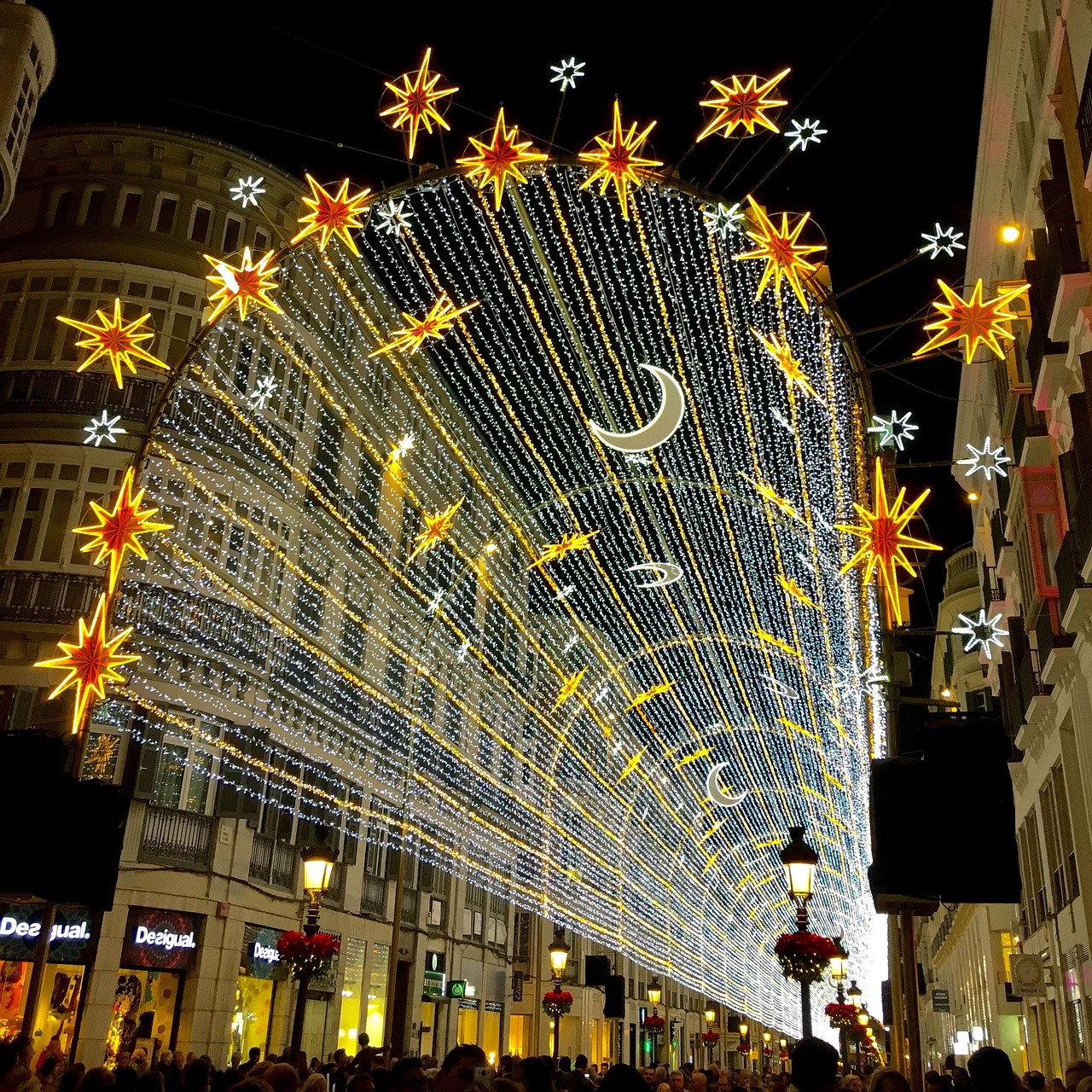
Malaga’s nightlife is varied and generally relaxed. The Old Town is full of bars ranging from traditional taverns to sleek cocktail spots. Soho has edgier venues and live music. Along the beach, chiringuitos stay open late in summer with DJs and dancing.
Flamenco
Flamenco in Malaga tends to be less touristy than in Seville or Granada, but you can still find excellent performances in small venues. Look for peñas flamencas (flamenco clubs) with regular shows.
Cultural Experiences
- Participate in a Semana Santa procession (as a respectful observer).
- Join a local festival or summer concert at the port.
- Take a Spanish class for a day or two – it adds depth to your interactions.
Major Events & Festivals in Malaga (2026–2027)
Semana Santa (Holy Week)
In March or April 2026 (dates vary), Semana Santa in Malaga features elaborate processions with huge floats, marching bands, and penitents. It’s one of Spain’s most impressive Holy Week celebrations.
Feria de Malaga
Every August, the Feria de Malaga turns the city into a week-long party with music, dancing, fairground rides, and traditional dress. In 2026 and 2027, expect even more international visitors, so book accommodation early.
Malaga Film Festival
Usually held in spring, the Festival de Málaga focuses on Spanish-language cinema and brings screenings, red carpets, and events to the city center.
New Developments in 2026–2027
Malaga continues to develop its cultural infrastructure, with ongoing improvements to the port area, expanded bike lanes, and new boutique hotels opening in restored historic buildings. Check local listings for up-to-date info on temporary exhibitions and concerts when you visit.
Best Day Trips from Malaga
Caminito del Rey
As described above, this is the top adventurous day trip from Malaga. Book ahead and wear good shoes.
Nerja & Frigiliana
Perfect for coastal views, caves, and whitewashed-village charm. Buses are frequent and affordable.
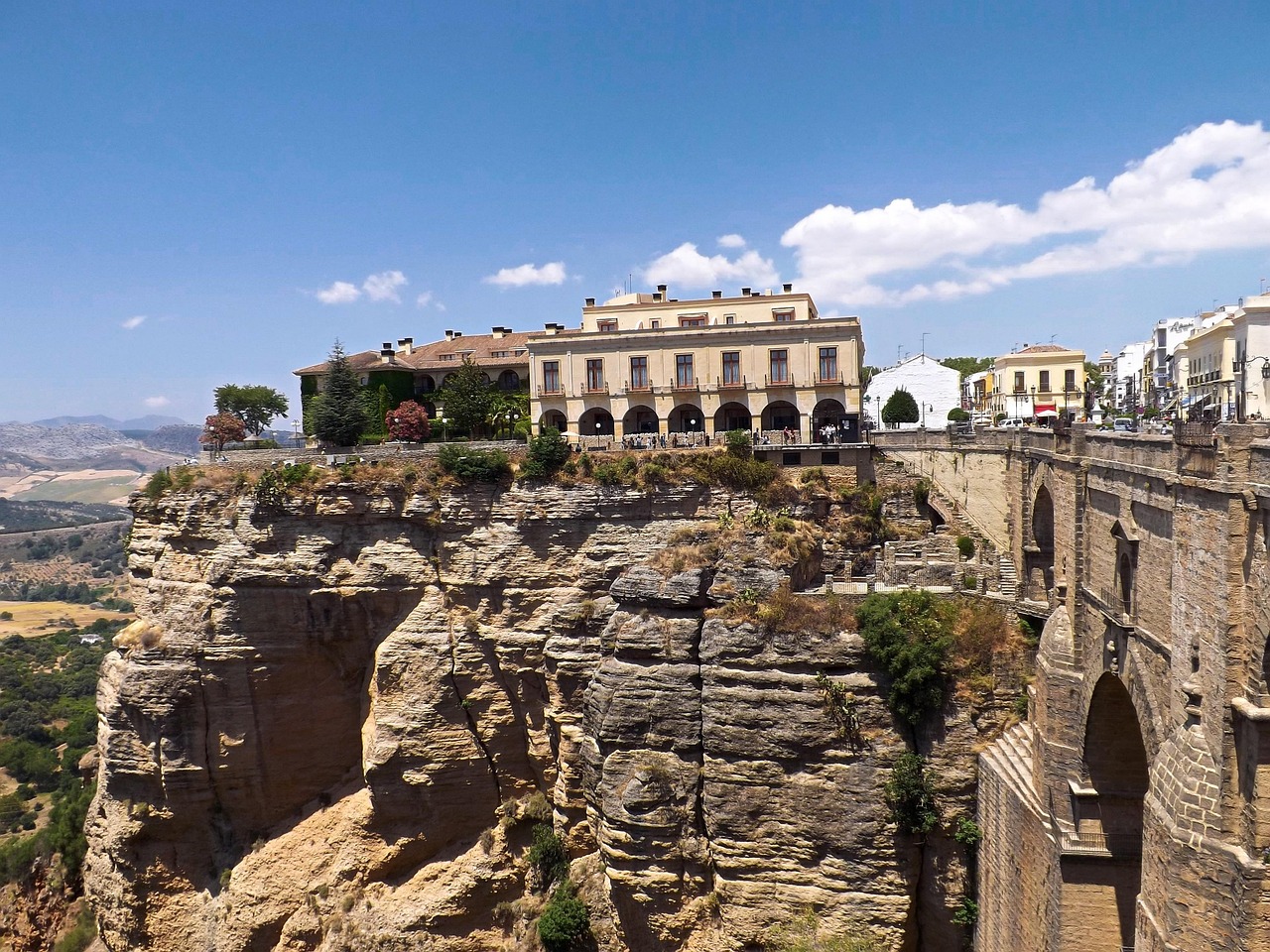
Ronda
Famous for its dramatic gorge and the Puente Nuevo bridge. Reachable by bus, train, or car in about 2 hours.
Granada
Home of the Alhambra. It’s a longer day trip but doable by bus or car. Reserve Alhambra tickets well in advance.
Cordoba
A bit further, but the Mezquita (mosque-cathedral) is one of Spain’s greatest monuments. High-speed trains from Malaga make it feasible.
Cultural Etiquette & Local Customs in Malaga
Daily Rhythm
Malaga runs on a later schedule than many visitors are used to:
- Lunch: 1:30–3:30 pm
- Dinner: from 9 pm onwards
- Shops: Many close for siesta around 2–5 pm, especially outside the center.
Greetings & Politeness
Use “buenos días” (morning) and “buenas tardes/noches” (afternoon/evening) when entering shops or cafes. A simple “por favor” (please) and “gracias” (thank you) go a long way.
Dining Etiquette
- It’s normal to share dishes (raciones, medias raciones).
- Tipping is modest: round up or leave 5–10% for good service.
- Don’t rush; meals are meant to be enjoyed slowly.
Dress & Behavior
Beachwear is for the beach, not the city streets or churches. In religious sites, cover shoulders and avoid very short shorts.
Language
Spanish is the main language; English is widely spoken in tourism areas, less so in local neighborhoods. Learning a few phrases is appreciated.
Practical Travel Tips for Malaga (2026–2027)
Getting There
Malaga-Costa del Sol Airport (AGP) is a major hub with flights from across Europe and beyond. From the airport, take the C1 commuter train, a bus, or a taxi into the city center.
Getting Around
- On foot: The center is compact and walkable.
- Public transport: Buses cover the city and suburbs; the metro is expanding. Buy a rechargeable card for savings if you stay several days.
- Bikes & scooters: Bike lanes are improving; rentals and e-scooters are widely available.
- Car rental: Useful for day trips and exploring the wider region, but unnecessary (and inconvenient) in the historic center.
Saving Money
- Visit museums on free or reduced-entry days (many have one afternoon a week).
- Eat your main meal at lunchtime with a menú del día.
- Stay slightly outside the Old Town for cheaper accommodation.
- Use buses for beaches like Pedregalejo instead of taxis.
SIM Cards & Connectivity
In 2026, eSIMs and physical SIM cards from providers like Orange, Vodafone, and Movistar are easy to buy at the airport, malls, and phone shops. EU travelers usually roam at domestic rates; non-EU travelers should consider a local data plan or international eSIM.
Visa Requirements & Entry
Spain is part of the Schengen Area. EU/EEA/Swiss citizens can enter with an ID card or passport. Many other nationalities (including U.S., Canada, UK, Australia, etc.) can enter visa-free for short stays but may need to comply with updated ETIAS requirements once fully implemented – check official sources before traveling in 2026–2027.
Driving & Licenses
Foreign driver’s licenses are generally accepted; some non-EU visitors may also need an International Driving Permit (IDP). Check current rules for your nationality. Driving in central Malaga can be tricky due to narrow streets and restrictions; parking garages are common but not cheap.
Safety
Malaga feels safe, even at night, but standard city precautions apply: watch for pickpockets in crowded areas, keep an eye on your bag at the beach, and avoid leaving valuables in parked cars.
Best Seasons for Different Activities
- Spring (March–May): Ideal for a 3 or 4 day itinerary for Malaga – mild weather for sightseeing, hiking, and alfresco dining. Semana Santa can be crowded but unforgettable.
- Summer (June–August): Best for beach time and nightlife. Very hot in July–August; plan siestas and early/late sightseeing.
- Autumn (September–November): My favorite season: warm sea, fewer crowds, perfect for a 5 day itinerary for Malaga including day trips.
- Winter (December–February): Mild, with fewer tourists and lower prices. Great for museums and food-focused trips; sea swimming is for the brave.
Summary & Final Recommendations
Malaga in 2026 is a city that rewards lingerers. You can see the main must-see attractions in 3 days in Malaga, but 4 or 5 days in Malaga lets you slip into the local rhythm – late dinners, morning markets, spontaneous swims, and unhurried museum visits.
For a 3 day itinerary for Malaga, focus on the historic center, Alcazaba and Gibralfaro, the cathedral, Picasso Museum, Muelle Uno, and La Malagueta. For a 4 day itinerary for Malaga, add neighborhoods like Soho and Lagunillas, plus more time in markets and on the eastern beaches. For a 5 day itinerary for Malaga, build in a day trip to Caminito del Rey, Nerja, Ronda, or Granada, and dive deeper into cultural experiences like flamenco or cooking classes.
If you’re choosing the best time to visit Malaga, aim for late spring or early autumn for the best balance of weather, crowds, and prices. But whenever you come, if you give Malaga a little time and attention, it will give you sun, flavor, and a sense of ease that’s hard to leave behind. I keep returning – and I suspect you might, too.