Why Visit Bilbao in 2026?
Bilbao is one of those cities that people still say “oh, I’ve heard it’s nice” about—usually right before they fall completely in love with it. It’s a place where cutting-edge architecture stands next to weathered pintxo bars, where Atlantic mist rolls between green hills and glass towers, and where the sound of clinking glasses and Basque conversation fills narrow medieval streets at night.
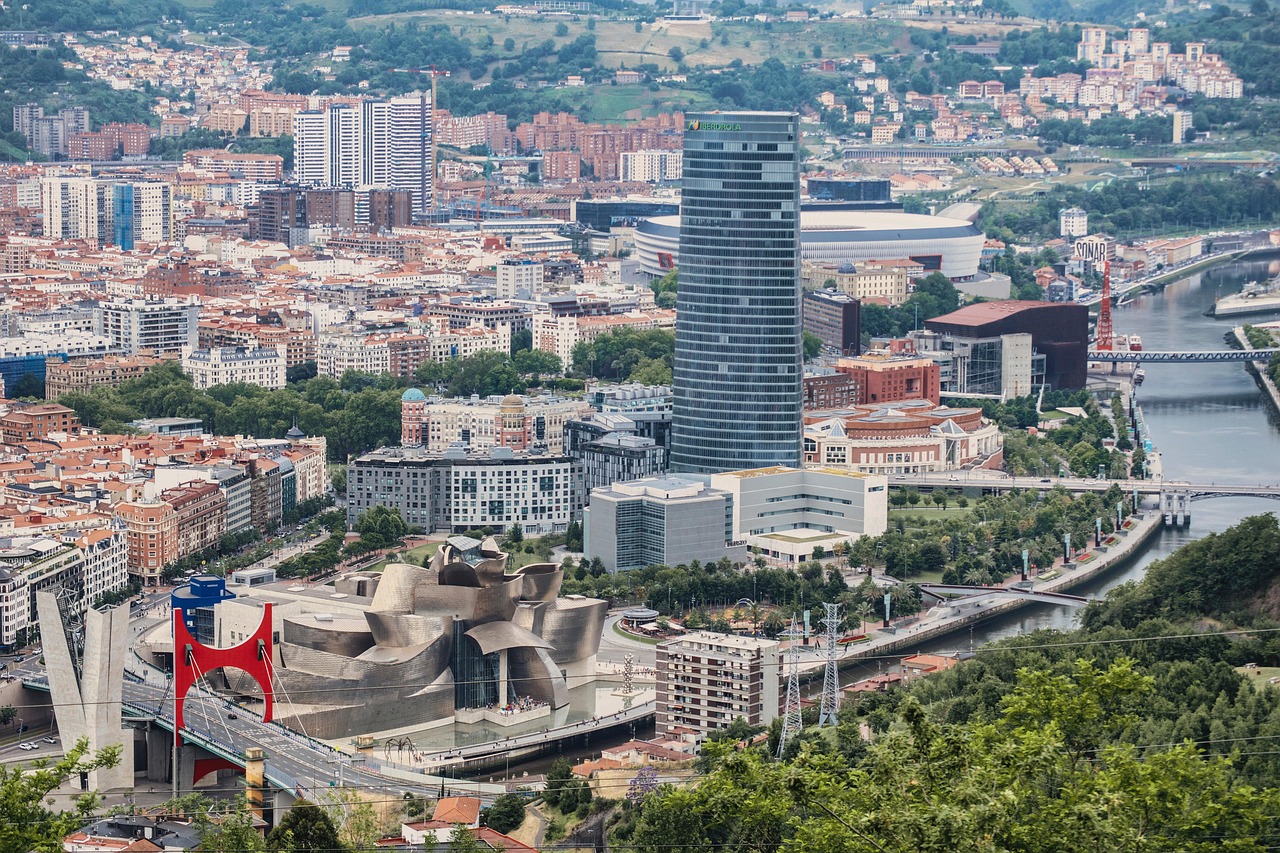
Over the last couple of decades, Bilbao has transformed from a gritty industrial port into a sophisticated cultural hub, anchored by the iconic Guggenheim Museum and a wave of urban renewal. Yet it’s still very much a working, lived-in Basque city. You’ll see office workers in suits crowding bar counters for a quick pintxo, grandmas shopping at the produce market, and kids kicking a ball in the plazas until late.
In 2026, Bilbao is especially exciting: new exhibitions at the Guggenheim, a stronger spotlight on Basque gastronomy, and a packed calendar of festivals and cultural events stretching into 2027. Whether you have 3 days in Bilbao, 4 days, or 5 days to spare, you can create a deeply memorable city break filled with art, food, coastal day trips, and genuine cultural experiences.
I first came to Bilbao on a rainy November weekend years ago, expecting “just another industrial city” between San Sebastián and Santander. Instead, I found a place where you can wander along the Nervión River between titanium and stone, eat better than in many capitals, and feel like you’ve slipped into a different cultural universe—Basque, proud, and quietly welcoming.
Table of Contents
- Why Visit Bilbao in 2026?
- Bilbao at a Glance
- 3–5 Day Itineraries for Bilbao
- Top 20 Must-See Attractions in Bilbao (With Local Tips)
- Best Neighborhoods and Areas to Explore
- Local Food in Bilbao: What and Where to Eat
- Nightlife, Entertainment & Cultural Experiences
- Best Day Trips from Bilbao
- Events & Festivals in 2026–2027
- Cultural Etiquette & Local Customs
- Practical Travel Tips for Bilbao
- Final Summary & Best Time to Visit Bilbao
Bilbao at a Glance
Bilbao sits in Spain’s Basque Country, a green, mountainous, and fiercely proud region on the Atlantic coast. The city stretches along the Nervión River, with a compact historic core and modern districts framed by steep hills. It’s easy to navigate, very walkable, and connected by an efficient metro designed by Norman Foster.
- Country: Spain (Autonomous Community of the Basque Country)
- Language: Spanish and Basque (Euskara). Many people speak English in tourism-related jobs, but not everyone.
- Population: ~345,000 in the city; over 1 million in the metro area.
- Currency: Euro (€)
- Best for: Art & architecture lovers, foodies, couples, culture seekers, families with older kids, city + nature combo trips.
Perfect 3–5 Day Itineraries for Bilbao (With Personal Notes)
To help you decide how many days to spend, I’ve laid out flexible itineraries. They’re built so that a 3 day itinerary for Bilbao covers the essentials, 4 days in Bilbao adds depth and breathing room, and 5 days in Bilbao lets you slip into a more local rhythm and include at least one great day trip.
3 Day Itinerary for Bilbao: The Essentials
Day 1: Guggenheim, Riverside Strolls & Old Town Evenings
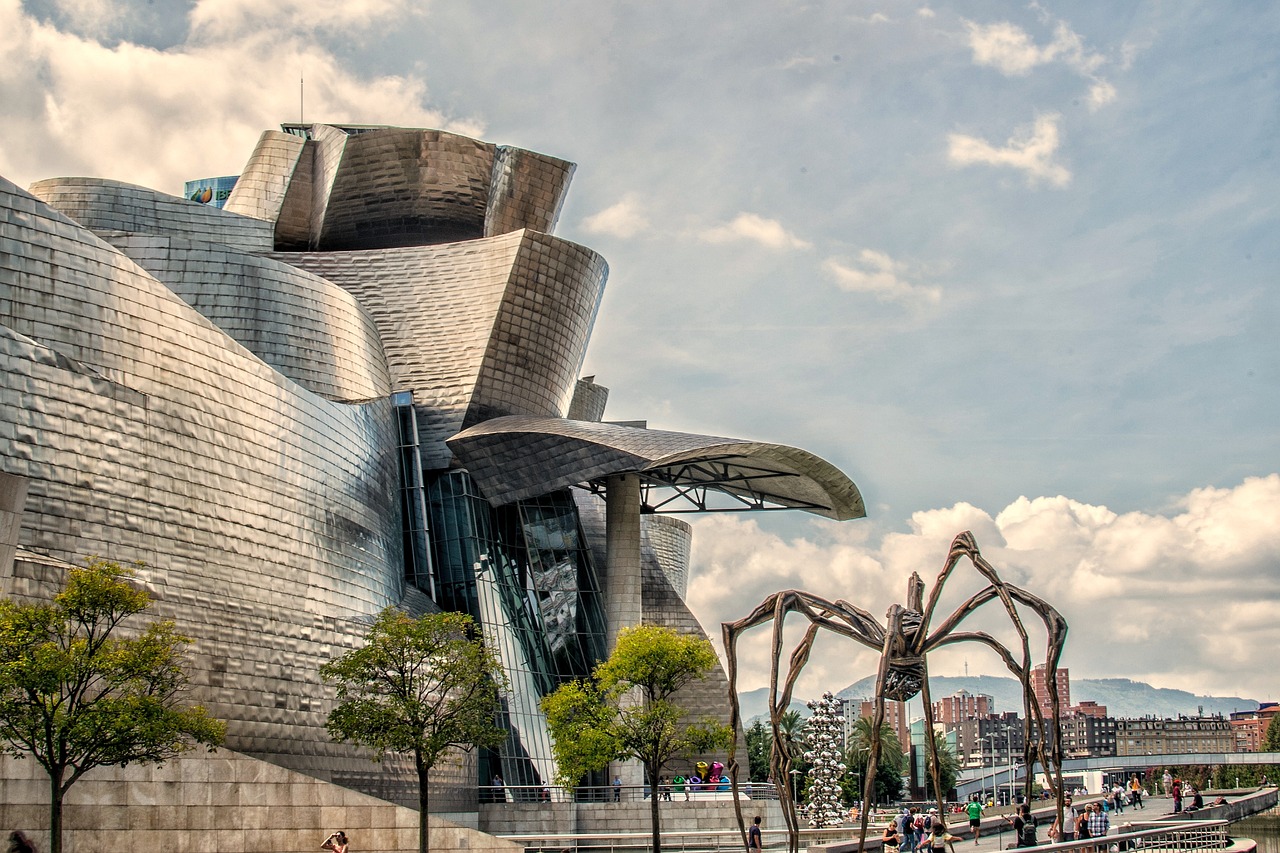
Whenever I bring someone to Bilbao for the first time, we start with the same ritual: a slow approach to the Guggenheim along the river. Even if museums aren’t your thing, this building will likely change your mind.
Morning – Guggenheim Museum Bilbao
Arrive early, ideally right at opening, to beat the tour groups. I like to get off at Moyúa metro and walk down through the elegant streets, letting the titanium curves of the Guggenheim slowly appear as you reach the river.
You’ll pass by Puppy, the huge floral West Highland terrier guarding the entrance, and see the famous mist and fire installations when you loop around the building.
- Tickets: Book online for 2026 time slots; they’re increasingly popular, especially on weekends.
- Family tip: The massive “The Matter of Time” steel sculptures inside are a hit with kids—they can walk through them like a labyrinth.
- Romantic tip: Stand on the river terrace for photos; the reflections on a cloudy day can be just as beautiful as sunshine.
Lunch – Riverside Pintxos Near Deusto Bridge
After a few hours of art, I usually walk across the La Salve Bridge and along the river toward Deusto. Several small bars around there offer excellent, less-touristy pintxos. Look for places with plates stacked on the counter and a buzz of local voices.
Afternoon – River Walk to the Old Town
Follow the river promenade back toward the center. This is one of the most enjoyable, free “things to do in Bilbao” and perfect for photos of the skyline and bridges.
- Pause at the Zubizuri Bridge, Calatrava’s white pedestrian bridge (and one of the most photographed spots in the city).
- Continue to the Arenal gardens, a small but lively park by the river.
Late Afternoon & Evening – Casco Viejo (Old Town)
Cross into Casco Viejo, Bilbao’s medieval heart. I usually enter via Plaza Arriaga, with its ornate theater, and then dive into the Seven Streets (Las Siete Calles).
Wander without a map: you’ll stumble upon tiny squares, traditional shops, and some of the city’s best pintxo bars. For a classic first-night experience, do a pintxos crawl—one drink and one pintxo per bar.
- Budget tip: Standing at the bar is cheaper than table service; ask for “un zurito” (small beer) or “txikito” (small wine) to keep costs down.
- Cultural note: Don’t hoard plates; eat a couple of pintxos and move on to the next bar—this grazing style is part of the fun.
Day 2: Markets, Viewpoints & Modern City Life
Morning – Mercado de la Ribera & La Vieja
Start at Mercado de la Ribera, Bilbao’s main market and one of the largest covered markets in Europe. I like to go by 9–10 a.m., when fishmongers are still shouting and locals are shopping.
- Have a coffee and a tortilla slice at one of the market bars.
- Browse the fish stalls—Basque cooking lives and dies by the quality of the seafood.
Then cross the river into Bilbao La Vieja (Bilbi), a once-gritty, now-creative neighborhood. Street art, indie shops, and cafés have given it a distinctly bohemian vibe.
Lunch – Trendy Cafés in Bilbi
I often grab a simple menu del día (fixed-price lunch menu) here; you can eat well for a reasonable price, especially on weekdays.
Afternoon – Funicular to Artxanda Viewpoint
For one of the best views over Bilbao, take the Artxanda Funicular. The station is a short walk from the river. At the top, you’ll find panoramic views that show just how green and hilly the city’s surroundings are.
- Photography tip: Late afternoon or golden hour is ideal for cityscape photos.
- Family friendly: Kids love the funicular ride and there’s space to run around at the top.
Evening – Gran Vía & Ensanche
Descend and walk into the Ensanche district around Gran Vía. This is “new” Bilbao—wide boulevards, elegant buildings, and shopping streets.
Have a more relaxed sit-down dinner here, perhaps with modern Basque cuisine. I like to save at least one night for a proper multi-course meal with good wine; Bilbao does contemporary food extremely well.
Day 3: Museums, Riverfront Architecture & Deusto
Morning – Museo de Bellas Artes (Fine Arts Museum)
The Museo de Bellas Artes is often overshadowed by the Guggenheim but is one of Spain’s best classic art museums. I usually spend 2–3 hours here and never regret it.
- Art lovers: Look for Basque artists you’ve never heard of; it gives a deeper sense of the region’s culture.
- Weather tip: Keep this museum in your back pocket as a rainy-day savior.
Lunch – Picnic in Doña Casilda Park
Right next to the museum is Doña Casilda Iturrizar Park, a leafy green lung. Grab a takeaway sandwich or some simple snacks and enjoy them by the pond if the weather’s good.
Afternoon – Deusto & River Architecture Walk
Cross over to the Deusto side of the river, home to the university and a more local vibe. Walking along this stretch gives great angles on the city’s mix of old industrial structures and new architecture.
If you’re into architecture, make sure to stop at the Isozaki Atea towers, the Zubizuri, and some of the redeveloped docks.
Evening – Last Night Pintxos or Txakoli Toast
For your final evening, either return to Casco Viejo for one more pintxo crawl or stay around the Ensanche for slightly more polished bars. I like to toast the trip with a glass of txakoli (local white wine) poured from high above the glass, as is tradition.
4 Day Itinerary for Bilbao: Extra Depth & Slower Pace
If you have 4 days in Bilbao, you can keep the 3 day itinerary as your base and add a slower, more local-feeling day. This is when the city really starts to reveal itself.
Day 4: Neighborhood Immersion & Hidden Corners
Morning – Indautxu & Coffee Culture
I like to dedicate this day to just living like a Bilbaíno. Start in Indautxu, a neighborhood full of everyday life, bakeries, and cafés. Have a leisurely breakfast: coffee, fresh orange juice, and a bollo de mantequilla (local sweet bun).
Late Morning – Hidden Churches & Small Museums
Wander toward some less-visited spots: the interior of Iglesia de San Vicente, or smaller galleries that pop up around town. In 2026, Bilbao continues to see a rise in independent art spaces, especially around La Vieja and San Francisco neighborhoods.
Lunch – Menu del Día with Locals
Eat where the office workers eat. Look for handwritten chalkboards advertising menú del día for around €12–18. You’ll usually get three courses and wine or water. It’s the best way to try hearty Basque dishes on a budget.
Afternoon – San Francisco & Multicultural Bilbao Keep your wits about you here (like in any city’s transitional neighborhood) but don’t skip it—it’s part of modern Bilbao’s story. Evening – Cultural Event or Concert
Cross into San Francisco
With an extra night, try to catch a concert at the Euskalduna Palace or a performance at Teatro Arriaga. Check listings in advance; in 2026, Bilbao’s performing arts calendar is busier than ever, with more international collaborations and Basque-language productions.
5 Day Itinerary for Bilbao: City + Coast or Countryside
With 5 days in Bilbao, you can do everything above and still have time for a full-day trip. This is my favorite way to experience the city: three intense urban days, one laid-back local day, and one day on the coast or in the countryside.
Day 5: Day Trip – Choose Your Adventure
Option A: Getxo & Portugalete – Coastal Elegance & the Hanging Bridge
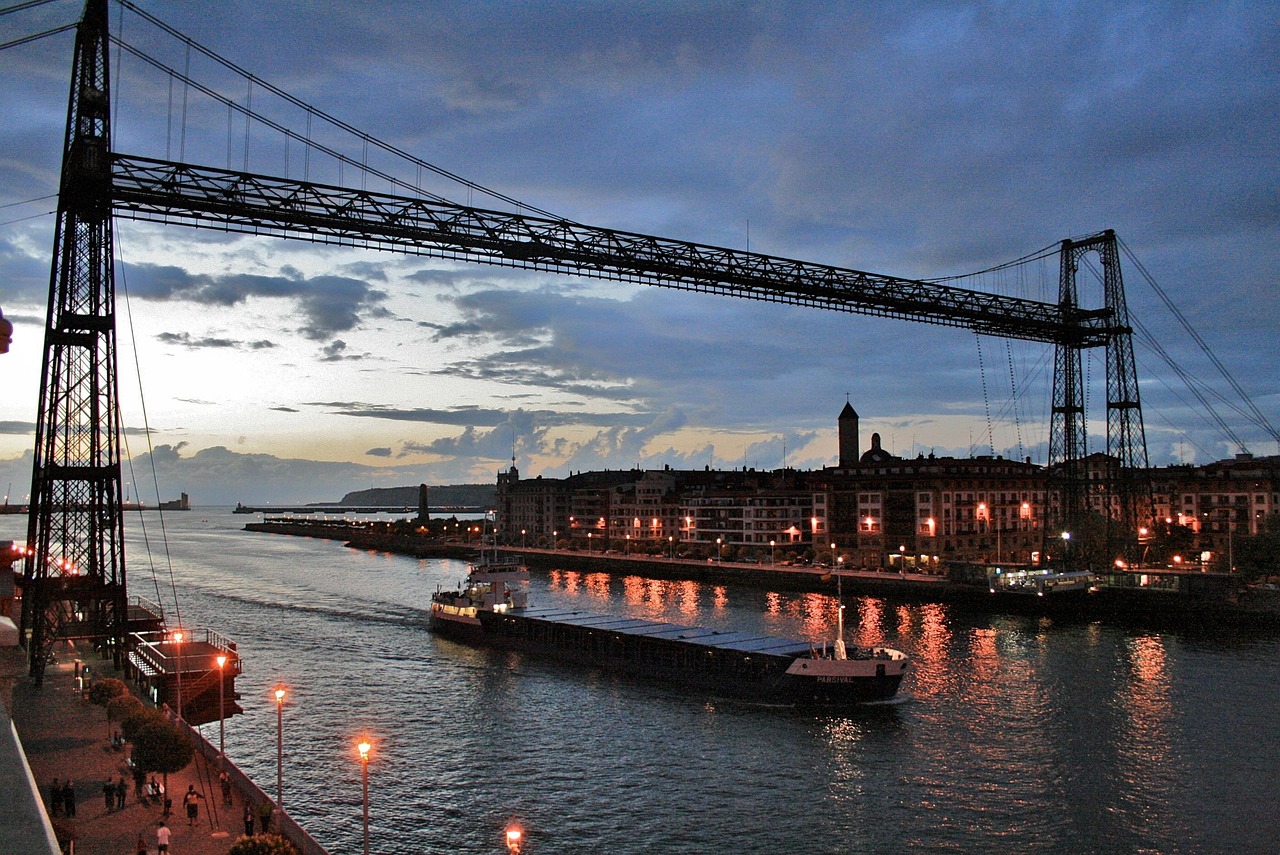
Take the metro toward the coast (lines 1 or 2) and head to Getxo and Portugalete. Here you’ll find the Vizcaya Bridge (Puente Colgante), a UNESCO-listed transporter bridge that ferries people and cars across the river on a suspended platform.
- Walk the promenade in Las Arenas and admire the old mansions and sea air.
- Take the lift up to walk across the top of the bridge if you’re not afraid of heights.
- Have a seafood lunch in Algorta’s old port, a charming fishing quarter.
Option B: San Juan de Gaztelugatxe – Dramatic Coast & “Dragonstone”
For a more adventurous outing, go to San Juan de Gaztelugatxe, a stunning islet linked to the mainland by a long stone causeway and many, many steps. It’s about 45–60 minutes from Bilbao by car or bus.
- Fitness note: The walk down and back up is steep; wear proper shoes.
- Family tip: Great for active families with older kids; younger ones may struggle with the stairs.
- Combine it with a stop in Bakio or Bermeo for a full coastal day.
Option C: Gernika & Basque Inland Culture
If you’re more into history and culture, visit Gernika (Guernica), the town immortalized by Picasso’s painting. It’s a powerful place to understand the Basque experience, especially during the Spanish Civil War.
- Visit the Gernika Peace Museum and the Assembly House & Tree.
- Go on a Monday if you can to experience the traditional market.
Come back to Bilbao in the evening for a relaxed final dinner, maybe revisiting your favorite pintxo bar, or trying something new you’ve spotted during the week.
Top 20 Must-See Attractions in Bilbao (With Local Insights)
Below you’ll find 20 of the best places to visit in Bilbao and nearby, each described with history, context, and personal tips. These are the backbone of any travel guide for Bilbao and easy to mix into a 3 day, 4 day, or 5 day itinerary.
1. Guggenheim Museum Bilbao
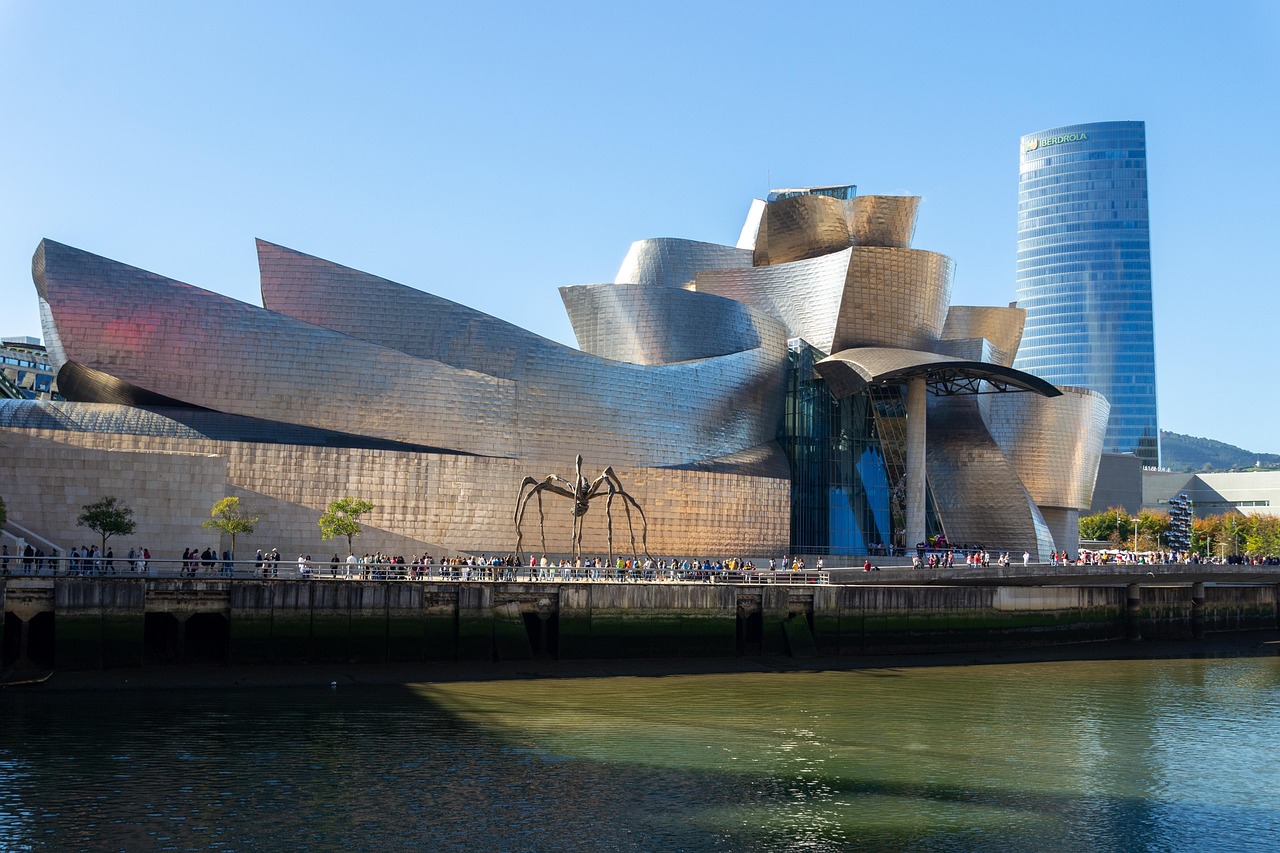
The Guggenheim Museum Bilbao is more than a museum; it’s the symbol of the city’s rebirth. Designed by Frank Gehry and opened in 1997, its swirling titanium curves transformed Bilbao’s image overnight.
Why it matters: The Guggenheim sparked the so-called “Bilbao Effect,” showing how bold cultural investment can catalyze urban renewal. Inside, you’ll find both permanent and rotating exhibitions of contemporary art, including monumental works such as Richard Serra’s The Matter of Time.
My experience: I’ve visited the Guggenheim in every season. On a bright winter morning, the titanium glows like ice; on a rainy autumn day, it turns moody and reflective. I love to do a complete circuit outside before even stepping in: Puppy, the giant flower dog; Louise Bourgeois’ massive spider Maman; the mist and fire installations by the river.
- When to go: Weekday mornings in 2026 are best. Summer weekends get crowded.
- Tickets: Book timed entries online; combo tickets sometimes include temporary exhibitions.
- Family friendly: The building itself is a playground for the imagination; check for kids’ workshops on weekends.
- Romantic moment: Sunset on the riverside terrace, with reflections dancing on the museum’s surface.
2. Casco Viejo (Old Town)
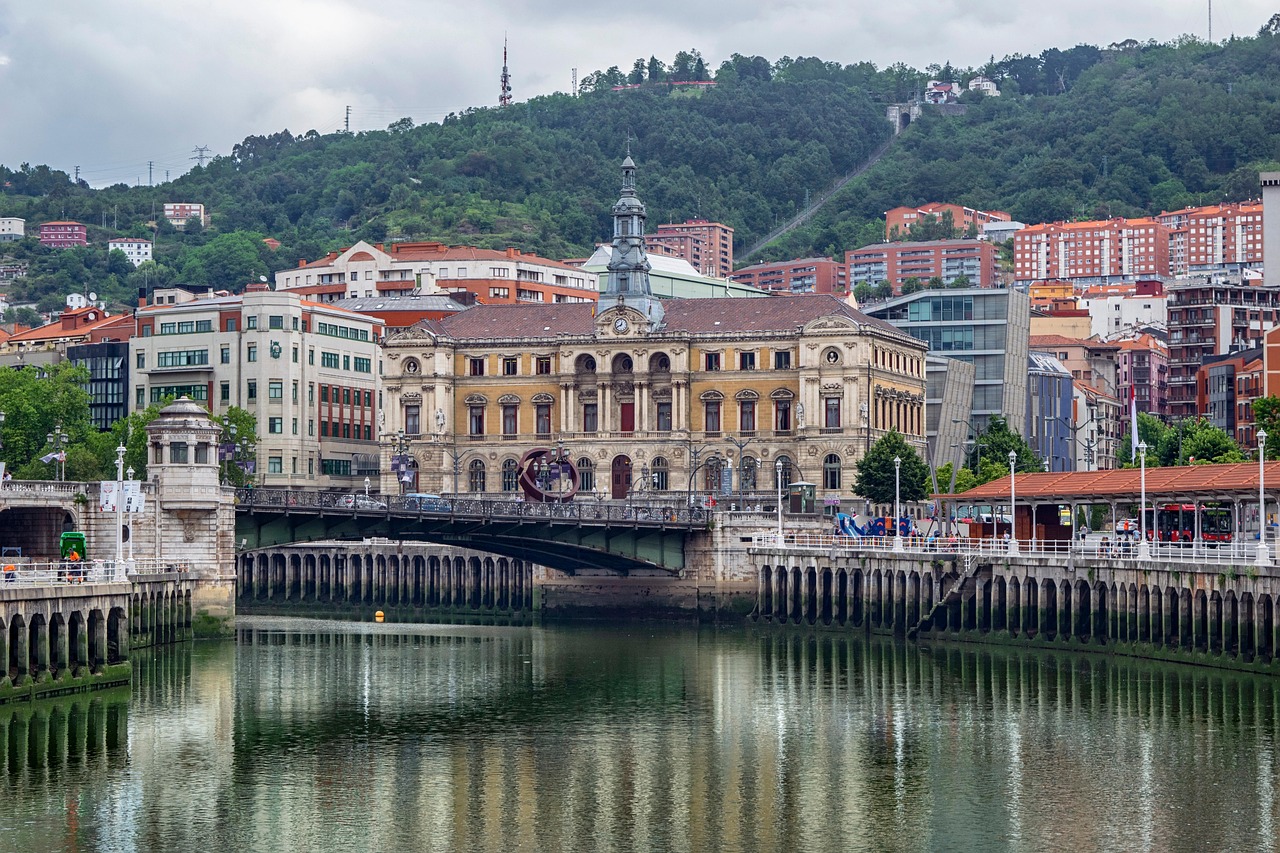
Casco Viejo is the medieval core of Bilbao, a dense grid of narrow streets known as the Siete Calles (Seven Streets). This is where Bilbao was born and where its personality is most concentrated: noisy bars, old shops, laundry on balconies, and kids playing in the squares.
Highlights:
- Plaza Nueva: A grand neoclassical square ringed with arcades and pintxo bars—great for people-watching.
- Santiago Cathedral: A Gothic cathedral tucked amid the streets; a peaceful pause in the urban bustle.
- Small shops: Knife shops, traditional hatters, and delicatessens selling idiazabal cheese and local wine.
My experience: I’ve spent countless evenings here doing the classic pintxo crawl. Some bars I discovered by following the sound of laughter, others by seeing locals spilling into the street with wine glasses in hand.
Tip: Come twice—once by day to see the details and once at night to feel the energy.
3. Mercado de la Ribera
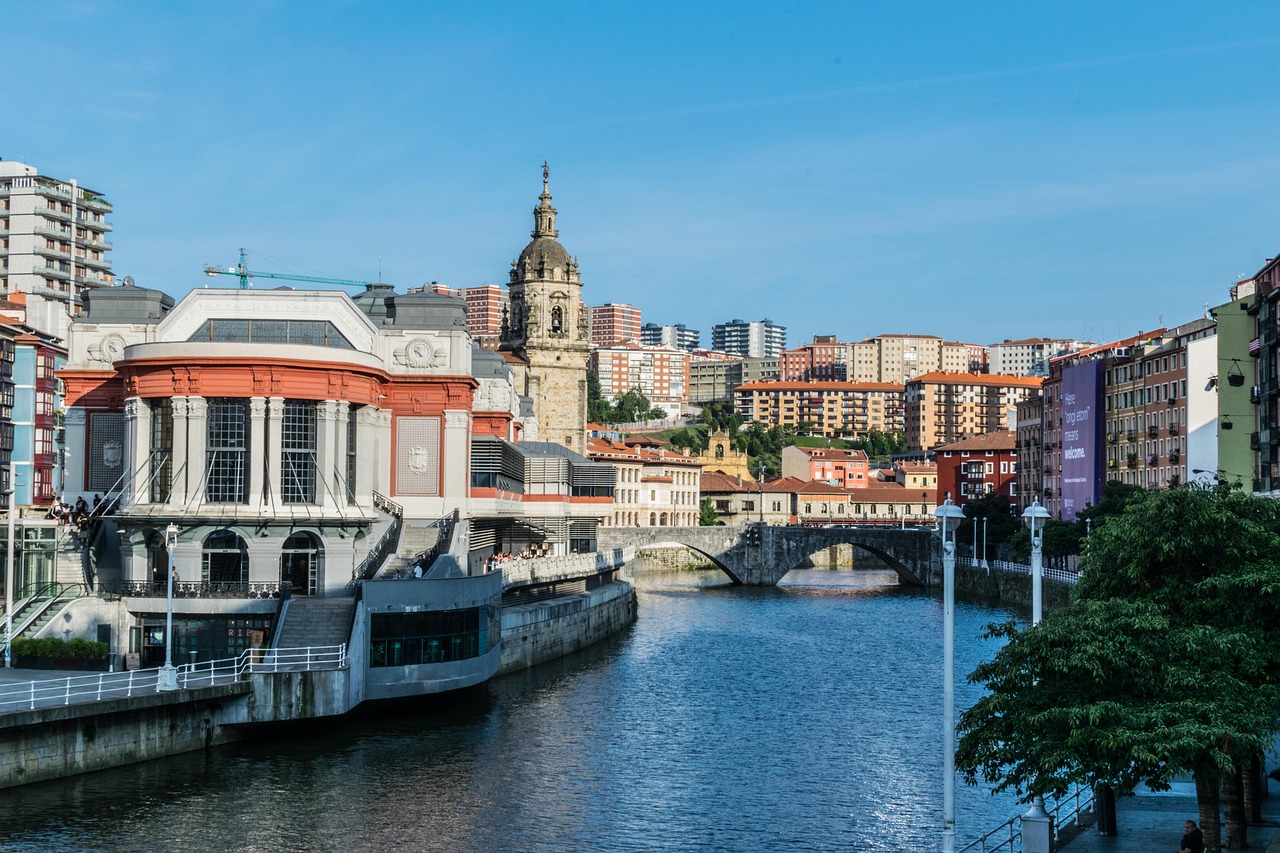
The Mercado de la Ribera is a cathedral of food: a vast, Art Deco-inspired market hall by the river. Built on the site of Bilbao’s medieval market, it remains the beating heart of the city’s food culture.
What to see: Stalls piled with gleaming fish from the Cantabrian Sea, seasonal produce from Basque farms, and cured meats and cheeses. Upstairs, a modernized area offers ready-to-eat dishes and pintxos.
My ritual: I like to buy a piece of fruit, grab a coffee at one of the inner bars, and just watch the choreography of daily life: chefs picking over the fish, grandmothers debating tomatoes, stallholders chatting.
Tip: Go early for the most action, and don’t be shy about asking stallholders for cooking tips; they’re proud of their products.
4. Museo de Bellas Artes de Bilbao (Fine Arts Museum)
While the Guggenheim grabs headlines, the Museo de Bellas Artes is where you’ll find Spain’s artistic soul. Its collections range from medieval to contemporary, with a strong emphasis on Spanish and Basque art.
Why go: It offers context: you see where modern Basque artists came from, and how this region has always been culturally rich. The museum’s architecture itself is a blend of classic and modern wings, reflecting Bilbao’s evolution.
My experience: On a rainy day, I once ducked in here “just for an hour” and stayed half a day. The calm atmosphere is a relief from the city’s busier spots, and I love that many visitors are locals, not just tourists.
5. Artxanda Funicular & Viewpoint
The Artxanda Funicular has been carrying Bilbaínos up to their favorite lookout since the early 20th century. In a few minutes, you go from riverside to hilltop, trading traffic for sweeping views.
Why go: To understand Bilbao’s geography—city, river, hills, and the path toward the sea in one glance. It’s also an inexpensive, easy outing suitable for all ages.
Local tip: On clear evenings, you’ll see locals up here just sitting on benches, chatting, and watching the city lights come on.
6. Zubizuri Bridge
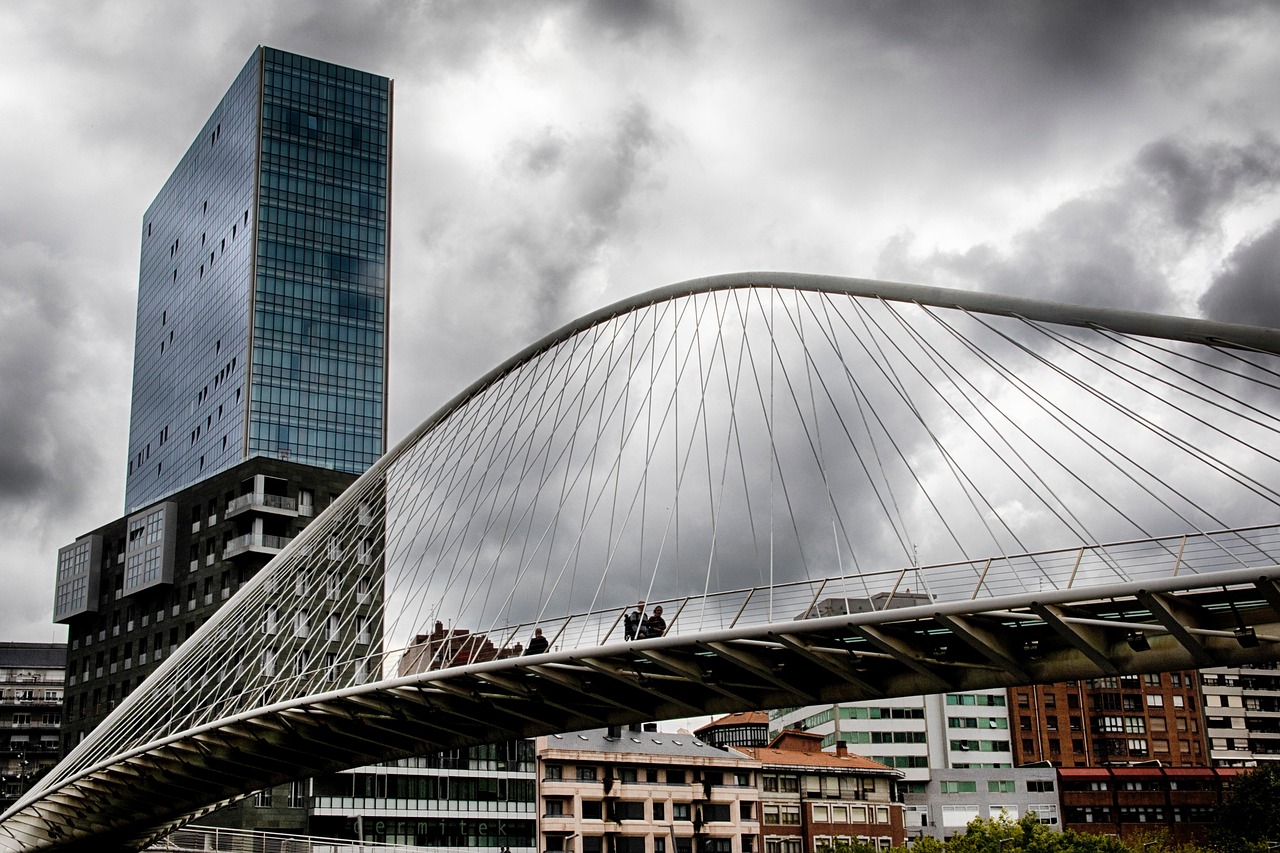
The Zubizuri, meaning “white bridge” in Basque, is Santiago Calatrava’s sleek pedestrian bridge linking the Guggenheim area with the city center. Its arched form and glass floor panels make it an architectural highlight—and a frequent photo subject.
Personal note: I’ve crossed it in sunshine, drizzle, and fog; each time the views shift slightly, especially with reflections on the river. It’s at its most magical at night with the city lights shimmering on the water.
7. Plaza Nueva
Plaza Nueva is the living room of Casco Viejo: a wide, arcaded square where life unfolds at all hours. By day, kids ride scooters and old men read newspapers; by night, the arcades fill with pintxo crawlers.
Sunday tip: On Sunday mornings, there’s often a small flea market with books, stamps, vinyl, and curios—a delightful way to pass an hour.
8. Santiago Cathedral
Santiago Cathedral is a Gothic church that’s easy to miss among Casco Viejo’s tight streets, but worth seeking out. It’s a stop on the Camino de Santiago (Northern Route), so you’ll often see pilgrims resting quietly inside.
My experience: I once stumbled into a short evening mass here while sheltering from the rain. Even if you don’t share the faith, the choral music echoing off the stone was moving.
9. Doña Casilda Iturrizar Park
Doña Casilda Park is where Bilbao slows down: a romantic, tree-filled park with a pond, fountains, and walking paths. Locals come here to jog, walk dogs, or just sit on benches with an ice cream.
Why I love it: After a few intense museum or pintxo sessions, this is where I go to breathe. It’s also a great spot for families—kids can run freely, and there are playgrounds to burn off energy.
10. Euskalduna Conference & Concert Hall
The Euskalduna Palace is a modern cultural and conference center built on the former Euskalduna shipyards. Its ship-like form nods to Bilbao’s industrial past while hosting operas, concerts, and events.
Why visit: Even if you don’t attend a performance, the building and its riverfront surroundings are worth a look, especially as the area continues to develop as a nightlife and leisure zone in 2026.
11. Gran Vía de Don Diego López de Haro
Gran Vía is Bilbao’s main artery—wide, elegant, and lined with shops and offices. It’s also a showcase of the city’s early 20th-century architecture, with ornate façades and grand bank buildings.
My tip: Walk it from Moyúa to the end, then duck into side streets to find smaller cafés and boutiques where locals actually hang out.
12. Bilbao La Vieja (Bilbi)
Bilbao La Vieja is one of my favorite areas to show repeat visitors. Once a rough, industrial neighborhood across the river from Casco Viejo, it’s now packed with street art, creative spaces, and a new generation of bars and cafés.
Why go: To see another layer of Bilbao’s identity—less polished, more experimental. It’s also where you’ll find some of the city’s most interesting nightlife and alternative culture.
13. San Francisco Neighborhood
San Francisco is a multicultural, evolving area near the center, historically associated with prostitution and poverty but slowly changing. You’ll find African hair salons, Latin American groceries, halal butchers, and new art spaces.
My experience: I like to come here in daylight for lunch at one of the immigrant-run eateries—best value in town and a different taste of Bilbao. It’s not picture-perfect, but it’s real.
14. Getxo & Algorta Old Port
Getxo, reachable by metro, is a well-heeled coastal town that feels a world away from downtown Bilbao. The highlight is the Old Port of Algorta, a cascade of whitewashed houses and steps leading down to the water.
Why go: For sea views, fresh air, and a lazy seafood lunch. On sunny weekends, Bilbaínos flock here, turning the port into a lively, scenic hangout.
15. Vizcaya Bridge (Puente Colgante)
The Vizcaya Bridge is a 19th-century engineering marvel—the world’s oldest transporter bridge and a UNESCO World Heritage Site. It connects Portugalete and Las Arenas (Getxo) with a suspended gondola that glides over the river.
My tip: Take the gondola one way and walk the other side’s river promenade. If you’re not afraid of heights, go up to the walkway on top for spectacular views.
16. San Juan de Gaztelugatxe
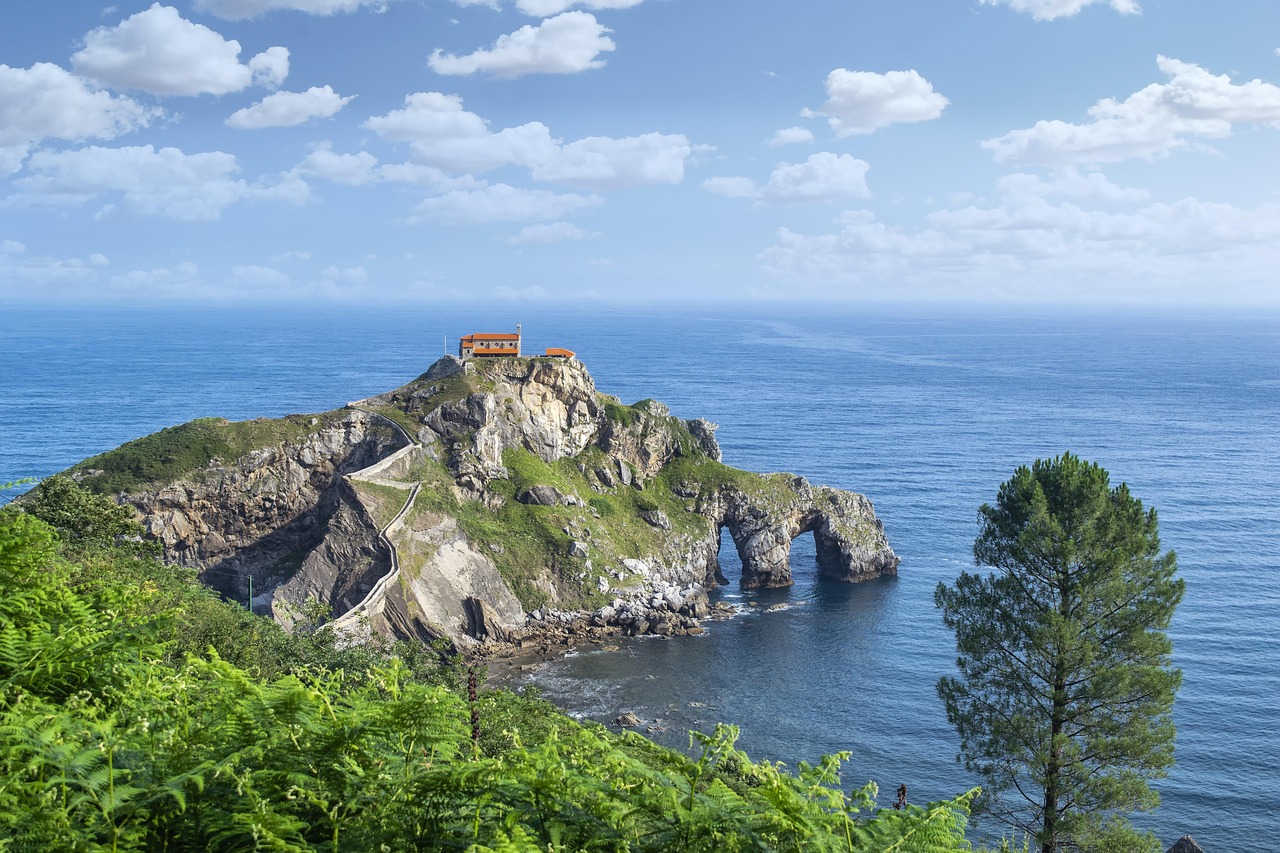
San Juan de Gaztelugatxe is one of the Basque Coast’s icons: a tiny hermitage perched atop a rocky islet, connected to the mainland by a long, zigzagging stairway. It gained extra fame as “Dragonstone” in Game of Thrones, but locals have been climbing it for centuries.
Why go: The combination of crashing waves, sheer cliffs, and human-made path is unforgettable. Tradition says you should ring the hermitage bell three times and make a wish.
Practical note: In high season, access is regulated and you may need to reserve a free ticket slot—check updated info before you go in 2026.
17. Gernika (Guernica)
Gernika is a small town with a big place in history, bombed in 1937 during the Spanish Civil War and immortalized by Picasso’s painting. Today, it’s a symbol of peace and Basque identity.
Key sites: The Peace Museum, the Assembly House, and the iconic Tree of Gernika, under which Basque leaders once swore to uphold local laws.
My experience: Coming here after studying the painting in books was powerful. It gives emotional depth to your broader understanding of the Basque Country.
18. Abandoibarra Riverside Promenade
Abandoibarra is the gleaming new riverside district that houses the Guggenheim, luxury hotels, offices, and landscaped walkways. Once industrial docklands, it’s now Bilbao’s most polished face.
Why go: To walk, run, cycle, or simply sit and watch the river flow past the titanium curves and glass towers. It’s also dotted with public art installations and clever urban design.
19. Ensanche & Indautxu Districts
Ensanche and Indautxu form Bilbao’s late 19th and early 20th-century expansion—gridded streets, handsome architecture, and many of the city’s best shops and restaurants.
Why go: To see how modern-day Bilbaínos live, shop, and socialize beyond the tourist core. It’s also where many excellent, less-touristy pintxo bars hide.
20. Santurtzi Port
Santurtzi is a port town at the edge of Bilbao’s metro, known for its fishing heritage and grilled sardines. It’s not as polished as Getxo but feels very authentic.
My tip: Come during sardine season, find a local bar near the port, and order sardinas a la brasa (grilled sardines) with a cold beer. It’s one of those simple, perfect Basque experiences.
Bilbao Neighborhoods & Areas to Explore
Understanding Bilbao’s neighborhoods helps structure your stay—especially if you’re planning 4 or 5 days in Bilbao and want to go beyond the standard tourist loop.
- Casco Viejo: Medieval core, nightlife, pintxos, historic sights.
- Abando & Ensanche: Business district, shopping, elegant streets, many hotels.
- Indautxu: Residential, local bars and restaurants, good for staying.
- Deusto: University area, young vibe, river views.
- Bilbao La Vieja & San Francisco: Edgy, artistic, multicultural.
- Abandoibarra: Modern riverfront with Guggenheim and parks.
Local Food in Bilbao: What to Eat & Where
Bilbao is one of the best cities in Spain for food, full stop. You can spend days just moving from bar to bar, sampling pintxos, or sit down for refined tasting menus that showcase Basque produce.
Must-Try Basque Dishes
- Pintxos: Small bites on bread or skewers. Try gilda (olive, anchovy, chili), cod-based pintxos, and seasonal specials.
- Bacalao al pil-pil: Salt cod in a silky garlic and olive oil emulsion—pure Basque alchemy.
- Marmitako: Tuna and potato stew, hearty and perfect in cooler months.
- Talo con chorizo: Corn flatbread with sausage, often at fairs and markets.
- Txuleton: Huge, bone-in aged steak to share—best in traditional asadores.
- Cheesecake (tarta de queso): Basque-style, often creamy and slightly burnt on top.
Drinks to Order
- Txakoli: Slightly sparkling, acidic white wine, poured from height.
- Rioja Alavesa wines: Reds from the nearby Basque part of Rioja.
- Cider (Sagardoa): Basque cider, especially if you visit a cider house in season.
Where I Love to Eat (Types of Places)
I won’t lock you into specific names (they change, and that’s part of the fun), but here’s what to look for:
- Traditional pintxo bars in Casco Viejo: Stand at the bar, pick a couple of things that look good, and order a drink. Move on after 2–3 pintxos.
- Modern pintxo bars in Ensanche: Fewer items on display, more made-to-order warm pintxos and mini-plates.
- Asadores (grill houses): For txuleton, grilled fish, and rustic charm—sometimes worth a taxi or metro ride.
- Menu del día restaurants: Affordable lunch sets for around €12–18; always ask what the plato del día is.
Money-Saving Food Tips
- Eat your main meal at lunchtime with a menu del día, then do a light pintxo dinner.
- Standing at the bar is cheaper than sitting on the terrace.
- Tap water is safe; ask for “agua del grifo” if you don’t want bottled.
Nightlife, Entertainment & Cultural Experiences in Bilbao
Bilbao’s nightlife is more about bars and conversations than big clubs, though you’ll find those too. The city stays lively late, especially on weekends.
Evening & Nightlife Areas
- Casco Viejo: Pintxos early, then crowded bars later. Great for groups and sociable travelers.
- Bilbao La Vieja & San Francisco: Alternative bars, live music, LGBTQ+ friendly venues.
- Ensanche / Indautxu: Wine bars, cocktail spots, slightly more polished vibe.
Cultural Experiences
- Teatro Arriaga: Classic theater offering plays, opera, and music.
- Euskalduna Palace: Big concerts, operas, conventions.
- Local festivals: Check what’s on during your visit; there’s always something, from book fairs to music events.
Best Day Trips from Bilbao
If you’re staying 4 or 5 days in Bilbao, consider these day trips:
- Getxo & Vizcaya Bridge: Easy metro ride; coastal walks and heritage.
- San Juan de Gaztelugatxe: Bus or car; dramatic scenery and hiking.
- Gernika: Train or bus; history, markets, and Basque identity.
- San Sebastián: Around 1–1.5 hours away by bus; a great bonus city if you have the time.
Events & Festivals in Bilbao (2026–2027)
Bilbao’s calendar is full of events that can add flavor to your stay:
- Aste Nagusia (Semana Grande): Late August – the big city festival with concerts, fireworks, and street parties.
- BBK Live Festival: July – a major music festival on Mount Cobetas, drawing international acts and crowds.
- Cultural seasons at Guggenheim & Fine Arts Museum: 2026–2027 will see new blockbuster exhibitions and more Basque-focused programming.
- Film & theater festivals: Smaller but interesting events pop up year-round—check the 2026 listings as they’re updated.
Cultural Etiquette & Local Customs in Bilbao
Bilbao is relaxed, but a few customs will help you blend in:
- Language: Spanish is widely spoken; Basque is also visible and heard. A few Spanish words go a long way: hola, por favor, gracias.
- Pintxo etiquette: Don’t touch food with your hands unless you’re taking it; ask for what you want. Pay at the end; bartenders keep track impressively well.
- Tipping: Not mandatory, but rounding up or leaving 5–10% for good service is appreciated.
- Volume: Bars are loud; people talk over each other. Don’t mistake it for aggression—it’s just the style.
- Dress: People tend to dress neatly, especially in the evening. Casual is fine, but you’ll see fewer athletic clothes at night.
Practical Travel Tips for Bilbao (2026)
Getting Around
- On foot: The center is compact; many things to do in Bilbao are within walking distance.
- Metro: Clean, safe, and efficient; runs out to coastal towns like Getxo.
- Tram & buses: Fill in the gaps; useful for reaching some neighborhoods and the Euskalduna area.
- Barik card: Rechargeable transport card usable on metro, tram, and buses—worth getting if you stay 3 days or more.
- Car rental: Not needed in the city; useful only for rural/coastal exploring. Parking in the center can be expensive.
Saving Money
- Choose central but non-touristy neighborhoods (Indautxu, Deusto) for better-value accommodation.
- Use menu del día for main meals, and pintxos for lighter dinners.
- Get a transport card and walk whenever possible.
- Many viewpoints (like Artxanda) and riverfront walks are free and offer some of the best experiences.
SIM Cards & Connectivity
- Major Spanish providers (Movistar, Vodafone, Orange) offer tourist SIMs with data; buy at the airport or in the city.
- eSIM options are increasingly common in 2026—check providers before you arrive.
- Wi‑Fi is common in hotels and many cafés, but not guaranteed everywhere.
Visa & Entry Requirements
- Bilbao is in Spain (Schengen area). Check Schengen visa requirements based on your nationality.
- Most non-EU visitors can stay up to 90 days in any 180-day period, but always verify current rules.
- Travel insurance is highly recommended.
Driving & Licenses
- EU/EEA licenses are accepted without issue.
- Many non-EU licenses are accepted along with an International Driving Permit (IDP); check your country’s specifics.
- City driving can be dense; parking garages are expensive, and one-way streets confusing. Consider public transport instead.
Best Seasons & Weather
- Spring (April–June): Mild, green, fewer crowds. Great for 3–5 day itineraries, combining city and short hikes.
- Summer (July–August): Warmer but not as hot as inland Spain; busiest time, especially around festivals.
- Autumn (September–October): My favorite: comfortable weather, harvest season foods, fewer tourists.
- Winter (Nov–March): Cooler, gray, and rainy at times—but cozy bars and lower prices make it appealing if you don’t mind the weather.
Hidden Tips from Repeat Visits
- Always carry a light rain jacket; showers can appear even on “clear” days.
- Look up: many buildings have beautiful upper façades you’d miss if you only watch your step.
- Don’t over-plan. Leave at least one afternoon to just wander a neighborhood that catches your eye.
- Ask bartenders or café staff for recommendations—they often give better, more up-to-date tips than any app.
Summary: Key Takeaways & Best Time to Visit Bilbao
Bilbao in 2026 is a city where you can spend 3 days and see the highlights—or 5 days and still feel like you’ve only scratched the surface. It’s a place of contrasts: titanium and stone, rivers and hills, industrial roots and artistic ambition.
- For 3 days in Bilbao: Focus on the Guggenheim, Casco Viejo, Mercado de la Ribera, Fine Arts Museum, and a riverfront & Artxanda walk.
- For 4 days in Bilbao: Add a slower neighborhood immersion day—Bilbao La Vieja, San Francisco, Indautxu—and a cultural evening.
- For 5 days in Bilbao: Add a full day trip to the coast (Getxo, Vizcaya Bridge, Gaztelugatxe) or inland (Gernika).
Best seasons: Late spring and early autumn offer the best balance of weather, crowds, and prices—ideal for any 3, 4, or 5 day itinerary for Bilbao. Summer is festive and lively, especially during Aste Nagusia and BBK Live, while winter rewards you with cozy bars and quieter museums.
However you structure your visit, let Bilbao surprise you. Walk by the river, eat standing at crowded bars, listen to the rhythm of Basque and Spanish around you, and give yourself time to simply sit and look. That’s when the city really sinks in.