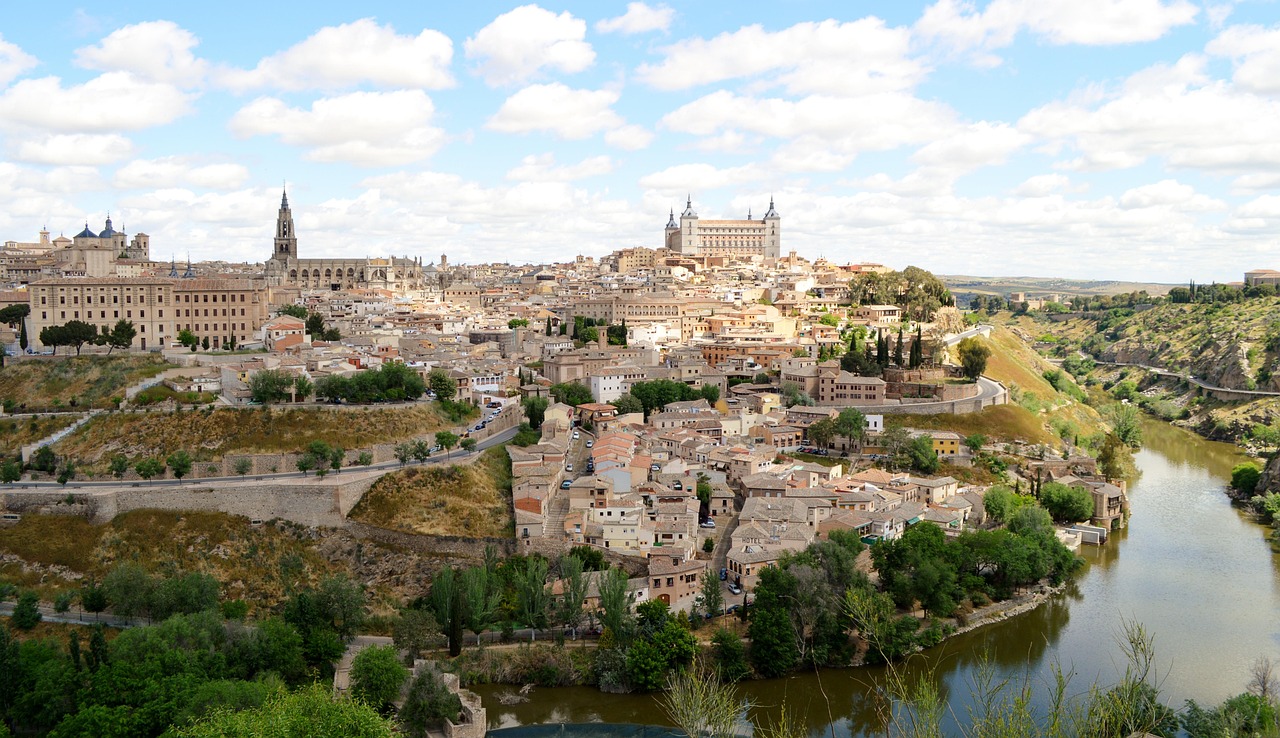
Why Visit Toledo, Spain?
Toledo is the kind of city that lingers with you long after your suitcase is unpacked. Perched above the Tagus River, its golden stone walls and tangled medieval streets have witnessed Romans, Visigoths, Jews, Muslims, and Christians all leaving their mark. Today, it’s a compact, walkable city that feels like a living museum – but with great food, friendly locals, and just enough modern comfort.
I’ve been coming back to Toledo for more than a decade, most recently in early 2026. Every visit feels like opening the same beloved book and noticing new details: a tiny courtyard garden hidden behind a heavy wooden door, a bar where the bartender still slices jamón by hand, a sunset over the Alcázar that somehow outdoes the last one.
This travel guide for Toledo is designed to feel like a local friend walking you through the city, with detailed 3 day itinerary for Toledo, 4 day itinerary for Toledo, and even a full 5 day itinerary for Toledo. Whether you’re chasing must-see attractions in Toledo, searching for hidden gems in Toledo, or just want to know where to find the best local food in Toledo, you’ll find it all here.
Why you should consider Toledo for your next trip:
- History layered in stone: Roman foundations, Moorish gates, Mudejar churches, synagogues turned churches, and a fortress-turned-museum – all in a city you can cross on foot in 20 minutes.
- Easy access: Just 30 minutes by high-speed train from Madrid, making it perfect for a day trip – but so much better as a 3–5 day stay.
- Romantic and family-friendly: Lantern-lit alleys for couples, swords and knight stories for kids, and plenty of plazas where grandparents can sit and people-watch.
- Food that sticks to your ribs: Game stews, Manchego cheese, marzipan, hearty soups – Toledo shines in cooler months but is delicious year-round.
- Cultural experiences: El Greco’s paintings, Holy Week processions, Corpus Christi, and small neighborhood fiestas that suddenly fill the streets with music.
Table of Contents
- Why Visit Toledo
- Essential Overview of Toledo in 2026
- Neighborhoods & Areas of Toledo
- Top 20 Must-See Attractions in Toledo (In-Depth Guides)
- Suggested Itineraries: 3, 4 & 5 Days in Toledo
- Local Food in Toledo: What & Where to Eat
- Nightlife, Entertainment & Cultural Experiences
- Day Trips from Toledo
- Cultural Etiquette & Local Customs in Toledo
- Practical Travel Tips for Toledo
- When to Visit Toledo & Final Takeaways
Toledo in 2026: Essential Overview
Toledo hasn’t changed much in 500 years – in the best way – but travel infrastructure and events evolve. Here’s what’s new and important for 2026–2027.
2026–2027 Events & What’s New
- Corpus Christi Toledo (June 4, 2026 & May 27, 2027): The city’s most famous festival, with elaborate processions through flower-carpeted streets. Book accommodation 6+ months ahead.
- Semana Santa (Holy Week) 2026–2027: Processions in late March/early April. Very atmospheric; some museums have reduced hours during key days.
- El Greco-related exhibits: The Museo del Greco and the Cathedral plan rotating exhibitions through 2026–2027 – check current schedules when you plan.
- Accessibility improvements: More public elevators and better signage from the bus/train station into the historic center, making the steep climb easier for visitors.
Currency is the euro, tap water is safe to drink, and English is increasingly understood in tourist-facing establishments, though a few Spanish phrases still go a long way.
Neighborhoods & Areas of Toledo
Toledo’s historic core is small but surprisingly diverse. When I stay in the city, I like to switch neighborhoods every visit for a different flavor.
Casco Histórico (Historic Center)
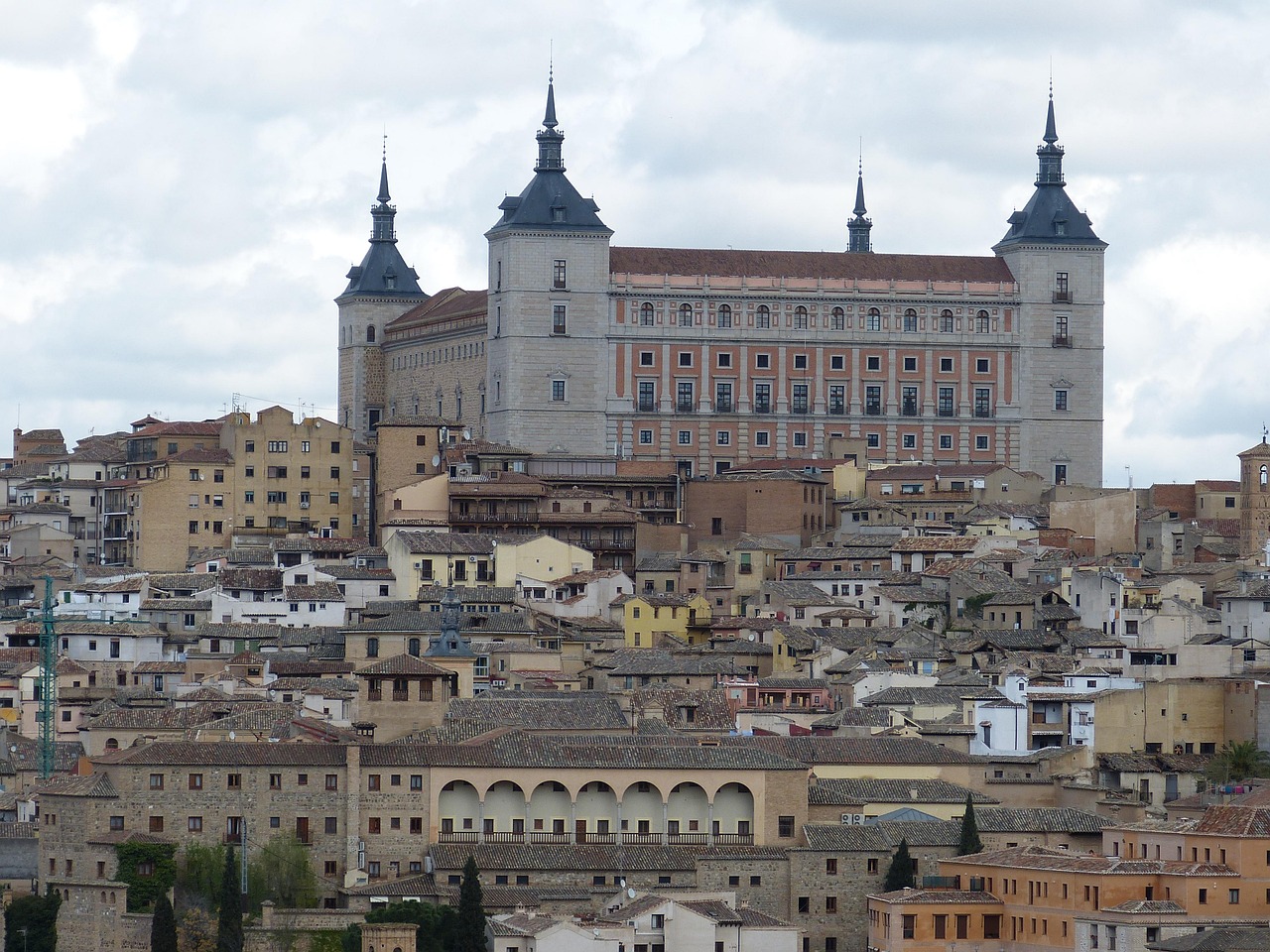
This is the walled, medieval heart of Toledo – where you’ll likely spend most of your time. Think cobbled lanes, small plazas, and a skyline punctuated by the Cathedral and Alcázar.
- Best for: First-time visitors, 3-day itinerary for Toledo, couples, culture lovers.
- Highlights: Cathedral, Alcázar, Jewish Quarter, Zocodover, San Juan de los Reyes.
- Vibe: Lively in the day, quiet but safe at night, with plenty of restaurants and cafés.
Judería (Jewish Quarter)
The Judería is a sub-area of the historic center, on the western side, where medieval Jewish life once flourished. Today it’s one of the most atmospheric corners of the city, full of whitewashed walls, ceramic street signs, and small artisan shops.
- Best for: History buffs, photographers, romantic evening strolls.
- Highlights: Synagogue of Santa María la Blanca, Synagogue of El Tránsito, Museo Sefardí, artisan workshops.
Area Around Plaza de Zocodover
Zocodover is the main square and social heart of Toledo. Locals meet here “debajo del reloj” (under the clock), and almost every route through town passes it at some point.
- Best for: People-watching, central accommodation, access to everything.
- Vibe: Bustling, slightly touristy, but still very local.
La Cornisa & River Bend (Mirador Area)
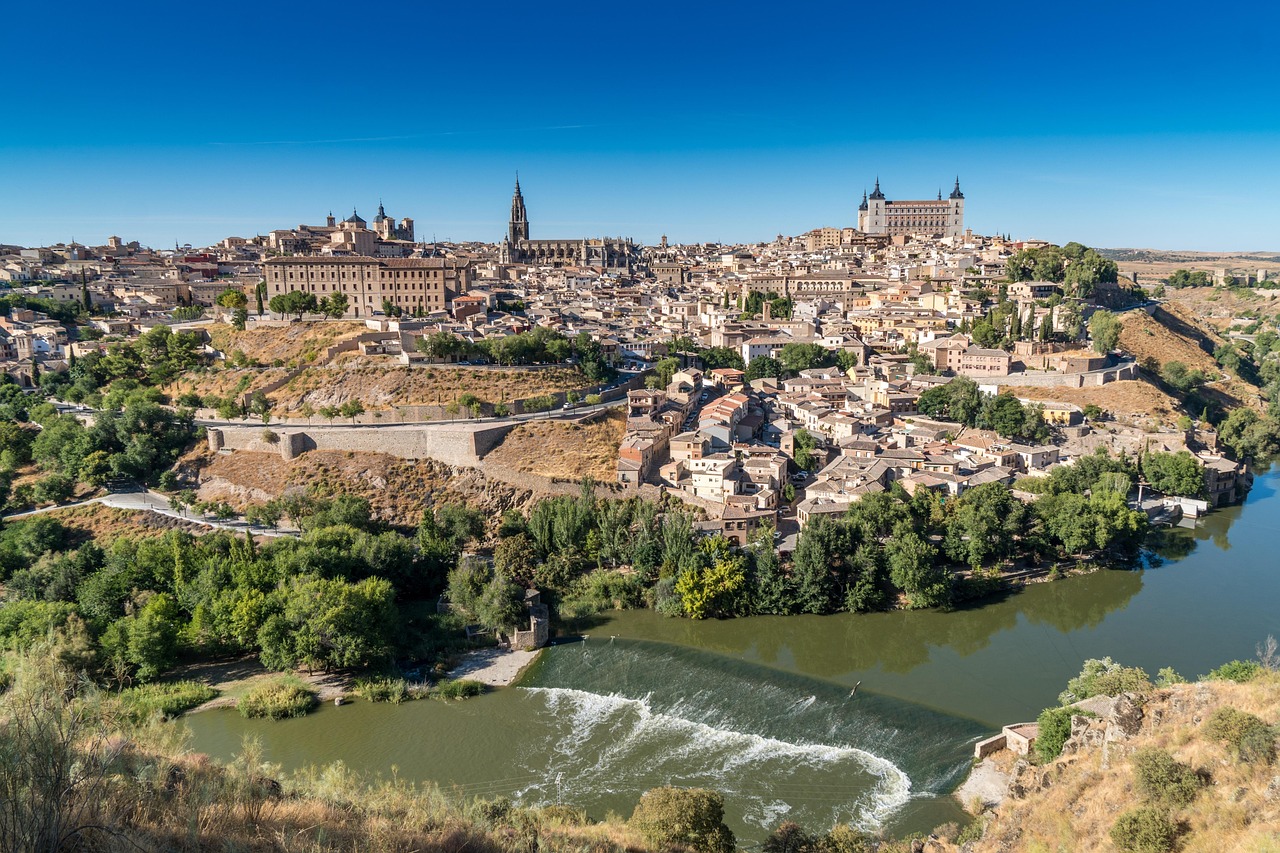
Across the river and along the Tagus, this area offers some of the best places to visit in Toledo if you want panoramic views. I always set aside one sunset for a walk out here.
- Best for: Sunset photos, skyline views, quiet walks.
- Highlights: Mirador del Valle, San Martín Bridge, Puente de Alcántara.
New City (Around the Bus & Train Stations)
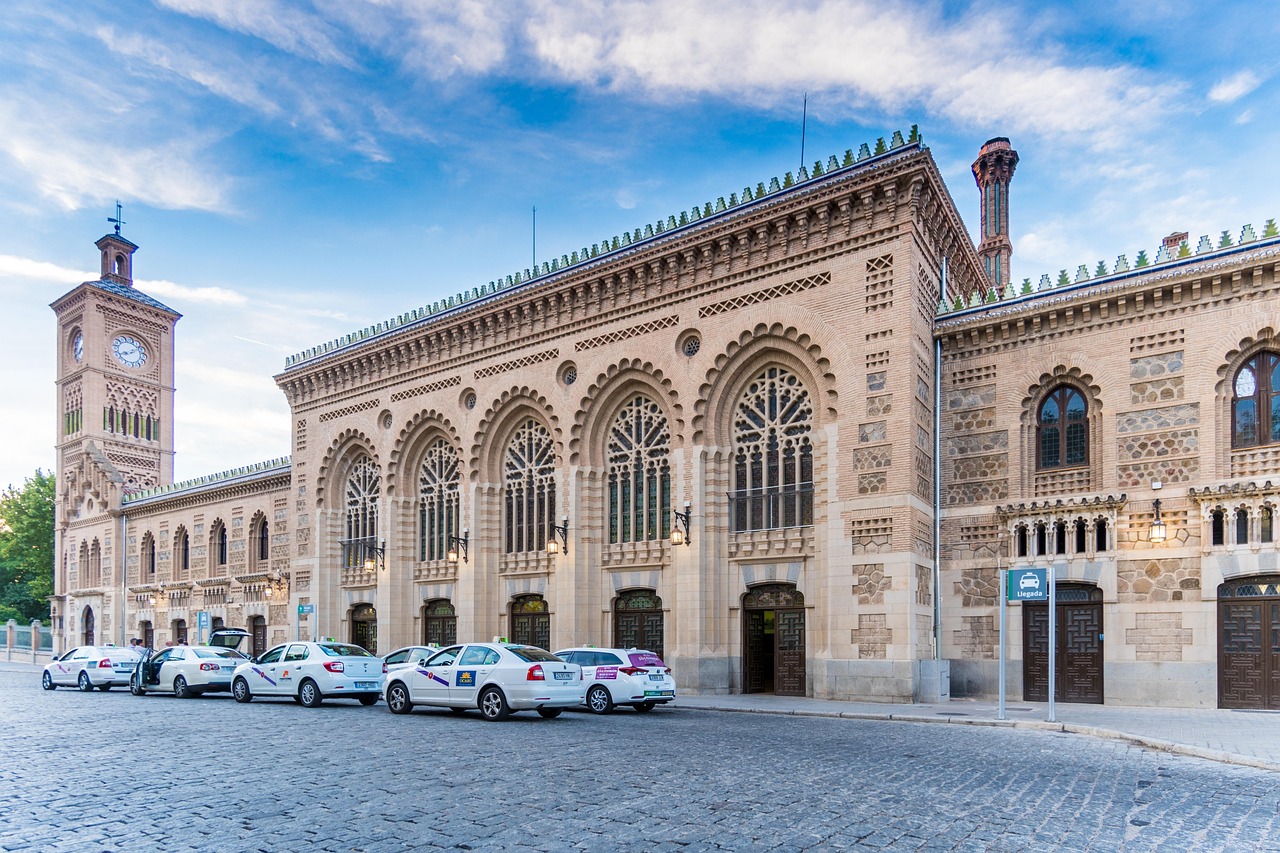
Outside the walls, modern Toledo stretches out with residential neighborhoods, supermarkets, and local life. The train station itself is a beautiful Mudejar-style building worth a quick look.
- Best for: Budget stays, practical shopping, parking if you have a car.
- Tip: Walking up to the old town from here is steep; use the escalators and public elevators marked from the bus station area.
Top 20 Must-See Attractions in Toledo (In-Depth)
Below are the must-see attractions in Toledo with deeper dives – not just what they are, but how they feel, when I like to visit, and small tips that don’t always make it into guidebooks. These are written as mini sub-articles; you can weave them into any 3 days in Toledo, 4 days in Toledo, or 5 days in Toledo plan.
1. Toledo Cathedral (Catedral Primada)
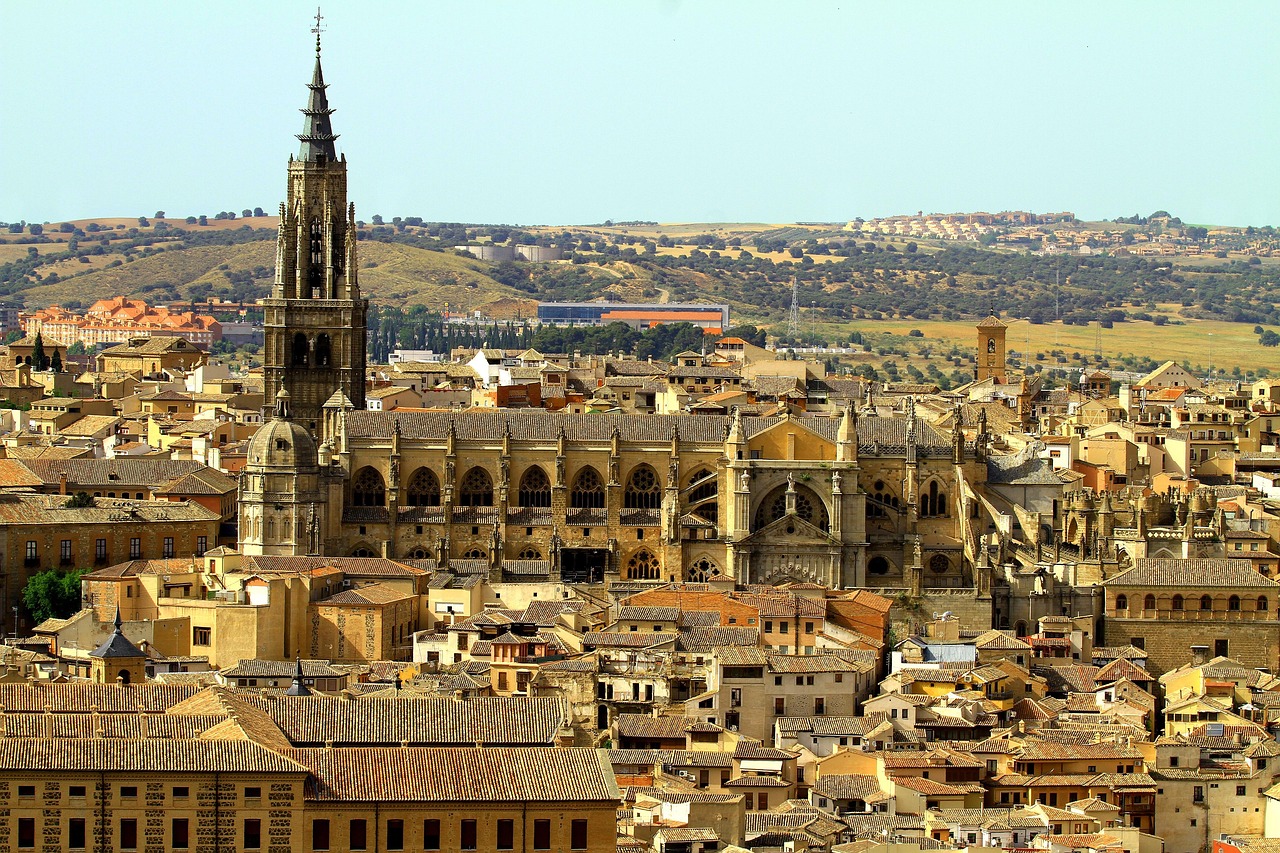
The first time I stepped into Toledo’s Cathedral, I actually stopped in the doorway and forgot to move for a full minute. Light filtered through stained glass in shades of sapphire and ruby, dust danced in the air, and the hum of whispers and footsteps seemed oddly sacred.
Officially the Catedral Primada de Santa María de Toledo, this is one of Spain’s most important Gothic cathedrals, built between the 13th and 15th centuries on the site of an earlier mosque. It embodies the city’s history as the religious capital of Castile.
Highlights Inside
- The Transparente: A Baroque explosion of marble, angels, and light behind the main altar. In late morning, sunlight pierces through an opening in the ceiling and sets it glowing.
- Sacristy: A mini art museum with paintings by El Greco, Goya, Velázquez, and Titian. El Greco’s El Expolio is here – I always linger in front of it.
- Choir stalls: Intricately carved wood depicting scenes from the conquest of Granada.
- Treasury: Home to the massive, jewel-encrusted monstrance used in the Corpus Christi procession.
Practical Tips
- When I go: Right at opening (usually 10:00) or late afternoon around 16:30 when crowds thin.
- Tickets: Pay the small extra fee to access the tower if available; the views are worth the climb.
- Dress code: It’s a working cathedral; avoid bare shoulders and very short shorts.
- Family-friendly: Kids tend to be impressed by the scale and the treasury; bring a simple “treasure hunt” checklist to keep them engaged.
2. Alcázar of Toledo
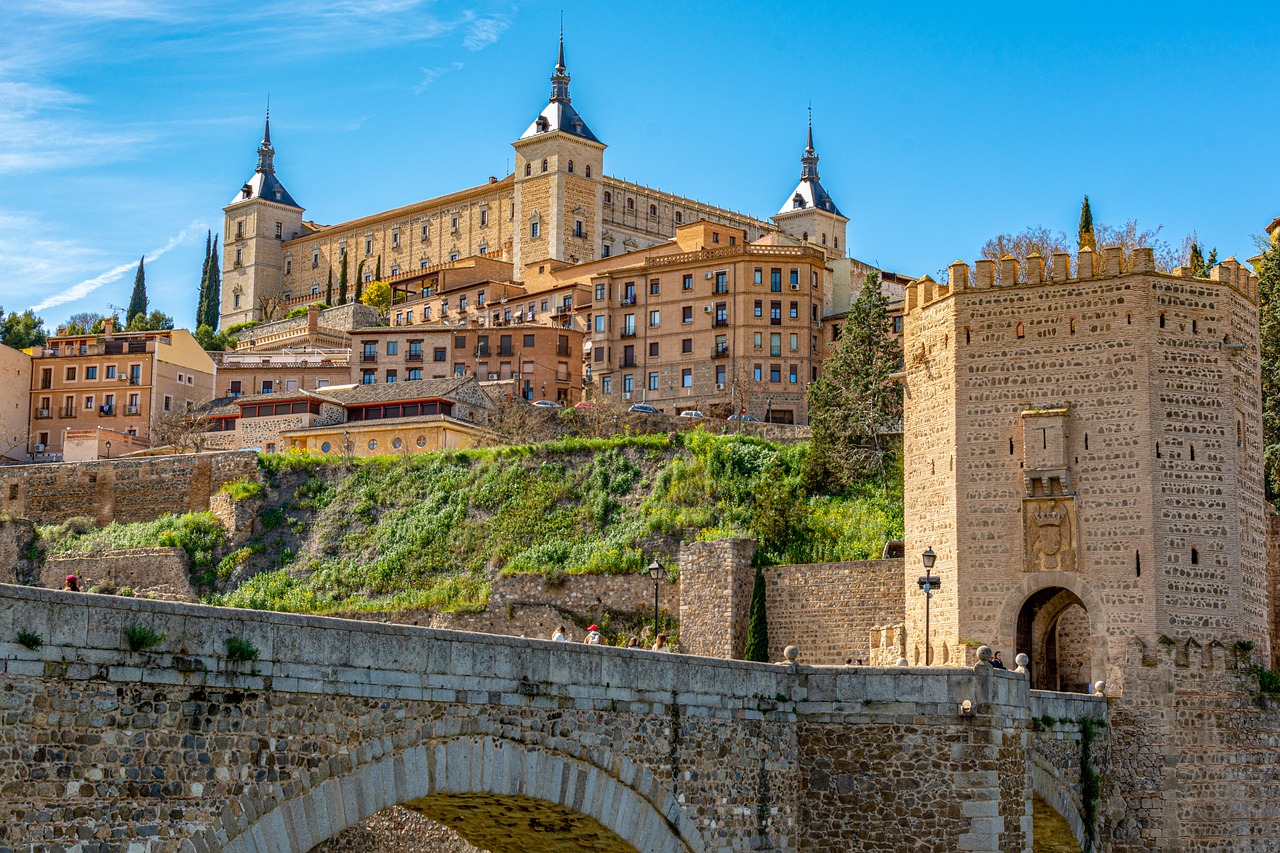
The Alcázar dominates Toledo’s skyline – a square fortress with four corner towers that glows warm gold at sunset. I love walking up past it in the early evening as the lights flicker on; it feels like a watchful guardian over the city.
The current structure is mostly 16th century, rebuilt multiple times after sieges and fires. Today, it houses the Army Museum and an extensive library.
Why Visit
- History: From Roman fortress to medieval castle, from imperial palace under Charles V to a key site in the Spanish Civil War.
- Views: The terraces and certain windows offer sweeping views of the Tagus and distant plains.
- Exhibits: Weapons, uniforms, and dioramas; compelling for history enthusiasts.
Tips & Personal Notes
- Time needed: 1.5–2 hours for a relaxed visit.
- Best time: Mid-morning when light is good for photos and before your energy dips.
- Romantic angle: Walk around the perimeter at dusk; the surrounding streets are surprisingly quiet and very atmospheric.
3. Monastery of San Juan de los Reyes
Tucked into the western part of the old town, San Juan de los Reyes is one of my personal refuges in Toledo. After a busy morning, I like to slip into its cloister with a coffee to-go and just sit.
Commissioned by the Catholic Monarchs (Ferdinand and Isabella) in the late 15th century, it was originally intended as their mausoleum. The stone chains hanging from the façade are said to represent freed Christian prisoners.
Inside the Monastery
- Gothic cloister: Two levels of delicate arches, carved foliage, and peaceful garden – a photographer’s dream.
- Church: High vaulted ceilings and a simple, harmonious interior.
Visiting Tips
- When: Late afternoon light is especially beautiful in the cloister.
- Combo: Combine with a stroll through the nearby Jewish Quarter.
- Accessibility: Ground floor mostly accessible, upper cloister via stairs.
4. Synagogue of Santa María la Blanca
Walking into Santa María la Blanca always feels like stepping into a serene, white forest of columns. Built in the 12th century as a synagogue, later converted into a church, it’s one of the oldest surviving synagogues in Europe.
Its whitewashed horseshoe arches and wooden ceiling blend Islamic, Christian, and Jewish influences – a visual summary of Toledo’s “City of Three Cultures” identity.
Tips
- Visit: Pair it with El Tránsito and the Sephardic Museum for a deeper dive into Jewish Toledo.
- Photography: Midday light streams through small windows and highlights the arches beautifully.
5. Synagogue of El Tránsito & Sephardic Museum
El Tránsito is the emotional heart of the old Jewish Quarter for me. The first time I visited, the guide quietly pointed out Hebrew inscriptions hidden in the walls, and suddenly layers of history snapped into focus.
The synagogue (14th century) boasts intricate stucco work, Arabic inscriptions, and Hebrew texts. Attached is the Museo Sefardí, which traces the history of Sephardic Jews in Spain.
Why It Matters
- Cultural insight: Understand the coexistence – and eventual expulsion – that shaped Toledo.
- Atmosphere: Smaller and more intimate than Santa María la Blanca.
Practical Notes
- Allow: 60–90 minutes if you enjoy reading museum displays.
- Family-friendly: Good for older kids interested in history; exhibits are visual enough to keep them engaged.
6. Plaza de Zocodover
Zocodover is less about monuments and more about daily life. I’ve lost count of how many evenings I’ve spent here, perched at a café table with a small beer and a plate of olives, watching the city swirl around me.
Historically a livestock market (the name comes from Arabic), it’s now Toledo’s living room.
What to Do
- Coffee or vermut: Sit under the arcades and order a café solo or a vermouth on tap.
- People-watching: Locals meeting friends, children chasing pigeons, buskers playing guitar.
- Orientation point: Most streets either lead here or can be traced back here, so it’s a good navigational anchor.
7. Mirador del Valle
If you’ve seen a postcard of Toledo, it was probably taken from Mirador del Valle. The city rises above the curve of the Tagus River, the Cathedral spire and Alcázar piercing the sky – it’s breathtaking every single time.
I try to come here at least once every trip, usually for sunset. Bring a light jacket even in warmer months; the breeze can be cool.
How to Get There
- By tourist train/bus: The little tourist train from Zocodover does a loop that includes a stop at the mirador.
- By taxi: 5–10 minutes from the old town; worth it if you’re short on time.
- On foot: Possible but a bit long and exposed in summer heat; go early or late.
Tips
- Photography: Golden hour is ideal; bring a tripod if you want night shots.
- Romantic: This is one of the most romantic spots in Toledo; couples often sit along the wall just taking it all in.
8. Puente de Alcántara
Puente de Alcántara is often the first historic sight you see if you arrive by train and walk up. An elegant stone bridge spanning the Tagus, with towers and a triumphal arch, it’s been rebuilt over Roman foundations.
In the soft light of morning, when mist sometimes clings to the water, it looks like something from a fantasy novel.
Why I Love It
- Gateway feel: Crossing it feels like stepping into the old city properly.
- Views: Look back toward the train station (itself very photogenic) and up to the city walls.
- Family-friendly: Kids love the “castle-like” towers and watching the river below.
9. Puente de San Martín
On the western side of the city, Puente de San Martín is less busy than Alcántara and more dramatic in some ways, with high arches and great views back toward the old town.
Nearby you’ll find a zipline over the river – perfect if you want a bit of adventure in the middle of your cultural immersion.
Tips
- Best time: Late afternoon, when the sun lights up the city walls.
- Adventure: The Fly Toledo zipline is short but fun; good for teens and adventurous adults.
10. Church of Santo Tomé & El Greco’s “The Burial of the Count of Orgaz”
The Iglesia de Santo Tomé is relatively modest from the outside, but it holds one of Spain’s most famous paintings: El Greco’s The Burial of the Count of Orgaz. The first time I saw it in person, I was surprised by the size and the intense, almost otherworldly color.
Why Go
- Art history: See El Greco’s elongated figures and dramatic light up close.
- Context: The painting was made specifically for this church, depicting a local legend; it belongs here.
Visiting Tips
- Peak times: Late morning can get crowded with tour groups; try early afternoon instead.
- No photos: Respect the no-photography rule and just absorb it quietly.
11. Museo del Greco
Despite the name, this isn’t El Greco’s actual house, but it’s built in the style of a 16th-century Toledo home and displays many of his paintings. I love the tranquil courtyard garden here – it’s a nice break between heavier sightseeing stops.
Highlights
- El Greco works: Including portraits and religious scenes that show his distinctive style.
- House & garden: Gives a sense of domestic life in Toledo centuries ago.
Tips
- Allow: 45–60 minutes.
- Combo: Ideal to combine with nearby Jewish Quarter sights.
12. Mosque of Cristo de la Luz
This tiny, 10th-century mosque-turned-chapel is one of the oldest buildings in Toledo. Its brickwork, horseshoe arches, and simple proportions are stunning in their restraint.
I remember the first time I visited: I almost walked past it, it’s so small from the street; inside, the quiet felt centuries thick.
Why Visit
- Architecture: Exceptional example of early Islamic architecture in Spain.
- Views: Small garden and viewpoint next to it overlooking rooftops.
13. Iglesia de San Ildefonso (Iglesia de los Jesuitas)
San Ildefonso is my favorite church in Toledo for views. The twin towers offer 360-degree panoramas over the city’s tiled roofs and out to the countryside.
What to Expect
- Baroque interior: A contrast to the Gothic Cathedral.
- Tower climb: Narrow stairs but not too long; the reward is a photographer’s dream.
Tip
- Best light: Late afternoon, when shadows add depth to the rooftops.
14. Monasterio de San Clemente
Less visited than San Juan de los Reyes, San Clemente is a working convent with a peaceful cloister. If you’re lucky, you might buy sweets made by the nuns through a revolving hatch – one of those small, uniquely Spanish experiences.
Why It’s a Hidden Gem
- Quiet: Rarely crowded; great if you need a break from busier spots.
- Local flavor: The nuns’ pastries (when available) are simple but delicious.
15. Museo de Santa Cruz
Housed in a former hospital, the Museo de Santa Cruz is as much about the building as the exhibits: a Renaissance courtyard, stone staircases, and vaulted halls.
Collections range from archaeological finds to fine arts, including works by El Greco and others connected to Toledo.
Tips
- Good rainy-day choice: Plenty to see indoors.
- Allow: 1–1.5 hours, more if you’re an art lover.
16. Roman Baths & Underground Toledo
Beneath Toledo’s medieval streets lie Roman and Visigothic layers. Several small sites, like the Roman baths, give you literally a different perspective on the city.
I once joined a nighttime “underground Toledo” tour that wove in legends, and descending into these cool, stone spaces by lantern light was unforgettable.
Why Go
- Offbeat: A nice change from churches and synagogues.
- Short visits: Most underground sites are compact; easy to slot into a busy day.
17. Hospital de Tavera
Just outside the city walls, the Renaissance Hospital de Tavera is often overlooked but worth the short detour. Its airy courtyard and art collection make it a peaceful stop.
Highlights
- Architecture: Symmetrical, calm, and very different from the medieval density of the old town.
- Art: Works by El Greco and other Spanish masters.
18. Puerta de Bisagra & City Walls
Puerta de Bisagra is the grand main gate to Toledo from the north. Its two rounded towers and coat of arms feel straight out of a storybook.
Walking through it at dusk, when lights spill onto the stone, I always feel a little thrill – as if I’m entering some medieval drama.
Tips
- Photography: Best in late afternoon when sun hits the façade.
- Combine: With a short walk along parts of the city walls.
19. Sword Workshops & Damascene (Damasquinado) Shops
Toledo has been famous for its steel since Roman times. Today, sword workshops and damascene (gold-inlaid metalwork) shops keep the tradition alive, albeit with a nod to modern visitors (yes, there are plenty of “Lord of the Rings” and “Game of Thrones” replicas).
I like to step into the quieter shops where artisans are actually at work, painstakingly inlaying gold wire into dark metal.
Tips
- Authenticity: Look for workshops with visible artisans and fewer mass-produced souvenirs.
- Shipping: If you buy a large sword, ask about shipping to your home country to avoid airport hassle.
20. Tagus River Walks & Eco-Path
When you need a break from stone and steps, head down to the river. Paths along the Tagus offer a different perspective: the city rising above, reflections in the water, and birds gliding overhead.
On my last trip, I spent a quiet Sunday morning walking along the river with a takeaway coffee, passing joggers and fishermen – an everyday Toledo that most day-trippers miss.
Why It’s Worth It
- Nature break: Shade, water, and the sound of birds.
- Family-friendly: Great place for kids to run a bit more freely.
- Romantic: Lovely for an evening stroll in spring or autumn.
Suggested Itineraries: 3, 4 & 5 Days in Toledo
Below are flexible itineraries based on my own repeat visits. You can compress them into a 3 day itinerary for Toledo or stretch them into a 5 day itinerary for Toledo. I’ll frame them as a 5-day stay, and you can pick and choose days according to your schedule.
3 Days in Toledo: The Essential Highlights
If you only have 3 days in Toledo, focus on the core: Cathedral, Alcázar, Jewish Quarter, and key viewpoints, with time for wandering and tapas.
- Day 1: Cathedral, Alcázar, Zocodover, evening stroll.
- Day 2: Jewish Quarter (synagogues, Museo del Greco), San Juan de los Reyes, sunset at Puente de San Martín.
- Day 3: Mosques & minor churches, Museo de Santa Cruz, Mirador del Valle at sunset.
4 Days in Toledo: Deeper Dive
With 4 days in Toledo, you can add underground sites, river walks, and perhaps a small excursion just outside the walls.
- Day 1–3: As above.
- Day 4: Tagus river walk, Hospital de Tavera, sword workshops, relaxed food explorations.
5 Days in Toledo: Slow, Immersive Stay
A 5 day itinerary for Toledo lets you slow down, revisit favorite spots at different times of day, and discover true hidden gems in Toledo. Here’s how I’d structure it, based on my last long stay:
Day 1: First Impressions – Cathedral, Alcázar & Old Town Orientation
I like to start my first day in Toledo early, especially if I’ve come on the morning AVE train from Madrid. Dropping my bag at a small guesthouse near Zocodover, I head straight for coffee.
09:00 – Coffee & Orientation at Zocodover
Grab a café con leche and a simple pastry at one of the cafés on the square. Sit outside if the weather allows. Use this time to get your bearings: the Alcázar looms to one side, narrow streets radiate in all directions.
10:00 – Cathedral Immersion
Make your way to the Cathedral (5–10 minutes on foot). With fresh eyes, the Gothic façade and tower are even more impressive. Buy your ticket (audio guide recommended if you love history) and take your time inside. I usually budget 2 hours so I don’t feel rushed.
12:30 – Tapas Lunch Nearby
Around the Cathedral, there are several small bars offering menú del día (fixed-price lunch). Look for a place where Spanish is the dominant language and the menu isn’t translated into five languages – a decent sign of local appeal.
14:00 – Alcázar & Army Museum
Walk up to the Alcázar. Even if you’re not a huge military history fan, the building and views are worth exploring. Focus on a few floors that interest you rather than trying to see everything.
16:30 – Siesta & Wandering
Return to your accommodation for a short rest or simply wander the streets around Zocodover and the Cathedral. Duck into small churches if they’re open; many are free or request a small donation.
19:30 – Evening Stroll & Dinner
Head back to Zocodover and take a slow loop around the upper streets, letting yourself get a bit lost. Dinner in the old town – try carcamusas toledanas (a local pork stew) and a glass of La Mancha red wine.
Day 2: The Jewish Quarter & El Greco
Today is for the west side of the old town, where the Jewish Quarter spreads out in a maze of white walls and ceramic street signs.
09:30 – Breakfast Near San Juan de los Reyes
Start with a simple breakfast in a café on your way to the Judería – toast with tomato and olive oil (tostada con tomate) is my go-to.
10:00 – Synagogue of Santa María la Blanca
Arrive near opening; the space is especially peaceful when it’s quiet. Take your time to absorb the arches and columns.
11:00 – El Tránsito & Museo Sefardí
Walk a few minutes to El Tránsito. Explore both the synagogue and the museum; don’t rush the exhibits on Sephardic life and the 1492 expulsion – they contextualize much of what you’ll see in Toledo.
13:00 – Lunch in the Judería
There are several small restaurants here, some offering slightly more modern twists on traditional dishes. On one trip, I had a memorable lunch of roasted lamb and a simple salad on a tiny terrace overlooking a quiet lane.
15:00 – Museo del Greco
Head to the Museo del Greco. The shady courtyard is a welcome respite on hot days. Inside, focus on a few works that catch your eye; El Greco’s style can feel intense in large doses.
17:00 – Monastery of San Juan de los Reyes
End the afternoon wandering the cloisters of San Juan. By this time, groups have usually left and you may find yourself almost alone with the swallows swooping overhead.
19:30 – Sunset at Puente de San Martín
Walk downhill toward the Puente de San Martín. The light on the river and walls can be magical. If you’re up for it, try the zipline, then find a nearby bar for a casual dinner or head back up into the old town.
Day 3: Mosques, Minor Churches & Mirador del Valle
By day three, you’ve probably settled into Toledo’s rhythm. This is the day to explore smaller sites and end with the city’s grandest viewpoint.
09:30 – Mezquita del Cristo de la Luz
Head to the north side of town to visit this small mosque-turned-chapel. Appreciate its age and simplicity; step out to the small viewpoint beside it.
11:00 – Underground Toledo
Visit one or two of the Roman or Visigothic underground sites (like the Roman baths). I like booking a short guided tour that strings a few of them together; it’s easier than navigating individually.
13:30 – Lunch Near Puerta de Bisagra
Descend toward Puerta de Bisagra and have lunch in one of the more local-feeling places outside the busiest tourist streets. Set menus here are often good value.
15:00 – Museo de Santa Cruz
On your way back toward the center, stop at the Museo de Santa Cruz for an art-and-architecture fix.
17:30 – Rest & Snack
Grab an ice cream or a horchata (in summer) and relax somewhere shady. This is also a good time to shop for damascene jewelry or a small blade.
19:00 – Mirador del Valle
Take the tourist train, a taxi, or a long walk out to Mirador del Valle. Arrive at least 30 minutes before sunset. Watch the sky shift colors as the city lights come on – easily one of the top things to do in Toledo.
21:00 – Late Dinner & Night Walk
Back in town, enjoy a late dinner of tapas. I love ending the night with a quiet wander through nearly empty streets, the stones still warm from the day.
Day 4: River, Swords & Local Life
Now that you’ve seen the big names, day four is for savoring Toledo more like a local.
09:30 – Tagus River Walk
Head downhill toward the river, perhaps via Puente de Alcántara. Follow the paths along the Tagus, watching reflections of the walls and towers.
11:30 – Sword Workshops & Shopping
Back in the old town, dedicate late morning to visiting a sword workshop and damascene shops. Even if you don’t buy anything, seeing the craft up close is fascinating.
13:30 – Lunch: Local Specialties
Seek out a restaurant known for regional dishes: perdiz estofada (partridge stew), venado (venison), or pisto manchego (La Mancha’s ratatouille).
16:00 – Convent Sweets & Quiet Corners
Visit a convent like San Clemente to buy dulces de convento (convent sweets). Wander aimlessly afterward; this is often when you stumble upon your own hidden gems in Toledo – a tiny square, a view between buildings, a doorway left ajar revealing a courtyard.
19:30 – Drinks with a View
Find a rooftop terrace or bar with a view of the Cathedral or Alcázar. Order a tinto de verano (red wine with lemon soda) or a local craft beer and toast to slow travel.
Day 5: Excursions & Favorites Revisited
On your last day, you can either take a nearby day trip or simply revisit your favorite places at different times of day.
Option A – Nearby Excursion: Visit Consuegra (for windmills), Aranjuez (for royal gardens), or a local winery in La Mancha. See the Day Trips section below.
Option B – Deep Toledo: Revisit the Cathedral or your favorite viewpoint, spend longer in cafés, sketch or photograph, and soak in the city slowly.
On my last 5-day stay, I chose Option B. I went back to the Cathedral right at opening, then spent the afternoon in a café near Santo Tomé writing, watching the light change in the lane outside. It was one of my favorite days.
Local Food in Toledo: What & Where to Eat
Toledo’s cuisine is hearty, rustic, and deeply tied to the surrounding La Mancha countryside. If you like game, stews, and bold flavors, you’re in for a treat.
Must-Try Dishes
- Carcamusas Toledanas: Pork stewed with tomatoes, peas, and spices. Often served in small clay dishes as a tapa.
- Perdiz Estofada: Stewed partridge – a local specialty that appears on many traditional menus.
- Venado (Venison): Often served in rich sauces; perfect in cooler months.
- Pisto Manchego: A vegetable stew (like ratatouille) of peppers, tomatoes, zucchini, and onion, sometimes topped with a fried egg.
- Migas: Fried breadcrumbs with garlic, chorizo, and sometimes grapes – rustic, filling, and addictive.
- Manchego Cheese: Iconic sheep’s cheese from the region, served at all ages from young (tierno) to cured (curado).
- Marzipan (Mazapán de Toledo): Almond-sugar sweets made in intricate shapes, often by convents. Even if you think you don’t like marzipan, try it here – it’s different.
Drinks to Try
- Wines of La Mancha: Reds (Tempranillo) and whites (Airén, Verdejo) – often good value.
- Vermut de Grifo: Vermouth on tap, served over ice with an orange slice and an olive.
- Tinto de Verano: Red wine mixed with lemon soda – lighter than sangria, very refreshing.
Where to Eat (Styles & Tips)
Rather than listing specific places (which change quickly), here’s how I choose where to eat in Toledo:
- Avoid the most obvious tourist traps: If the menu is in six languages and someone is waving you in, keep walking a few more blocks.
- Look for daily menus: Menú del día at lunch (typically 13:30–15:30) offers starter, main, dessert, bread, and drink for a fixed price – great value.
- Check for locals: If you hear mostly Spanish and see older locals at tables, odds are good.
- Time your meals: Spaniards eat late. Lunch after 14:00, dinner after 21:00. If you’re hungry earlier, go for tapas.
Saving Money on Food
- Tapas hopping: Order one drink and one tapa at each bar, then move on.
- Markets & supermarkets: Pick up picnic supplies – bread, cheese, ham, fruit – and eat with a view (respect local rules and keep things tidy).
- Breakfast at bakeries: Cheaper and often better than hotel breakfasts unless they’re included.
Nightlife, Entertainment & Cultural Experiences
Toledo is not a late-night party city like Madrid, but it has a warm, low-key nightlife that suits its medieval mood.
Evening Atmosphere
- Tapas Bars: Clustered around Zocodover and along main streets; many open until midnight or later on weekends.
- Wine & Vermouth Bars: Great for trying local wines and people-watching.
- Rooftop Terraces: Some hotels and bars have small terraces with views of the Cathedral or Alcázar; perfect for a romantic drink.
Cultural Experiences
- Holy Week & Corpus Christi: If you’re in town during these times, evening processions are deeply atmospheric.
- Night Tours: Several companies offer night walking tours that blend history and legends – fun and not too kitschy if you pick a reputable guide.
- Concerts: Churches and cultural centers occasionally host classical or choral concerts; check local listings.
Family-Friendly Evenings
- Early evening paseo (stroll) through the old town, ice cream in hand.
- Short night tour focused on legends – older kids usually love ghost stories and knight tales.
Day Trips from Toledo
Once you’ve soaked up Toledo’s charms, there are some excellent day trips within reach, especially if you’re basing yourself here for 4–5 days.
Consuegra (Windmills & Castle)
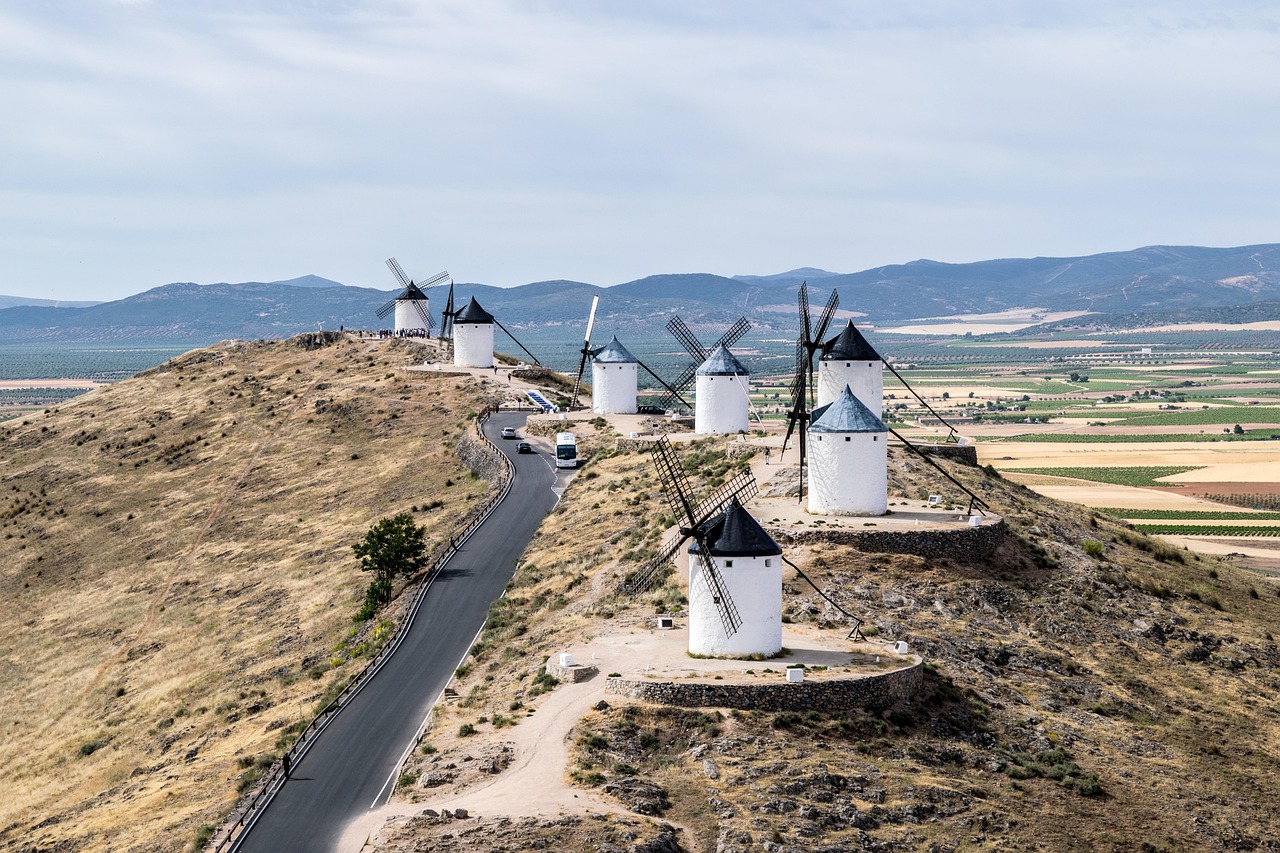
The hilltop windmills and castle of Consuegra feel like walking into the pages of Don Quixote. On a breezy day, the views over the plains are spectacular.
- Getting there: About 1–1.5 hours by car; buses run but are less convenient.
- What to do: Tour the castle, walk between windmills, enjoy a long lunch in town.
Aranjuez (Royal Palace & Gardens)
Aranjuez, with its royal palace and sprawling gardens, offers a leafy contrast to Toledo’s stone. Roses, fountains, and long avenues of trees make it perfect for a relaxing day.
- Getting there: Easy by train from Toledo via Madrid or by car (about an hour).
La Mancha Wineries
Wine lovers can visit a local bodega in La Mancha for tastings and vineyard tours. Many require advance booking; ask your Toledo accommodation for current recommendations.
Cultural Etiquette & Local Customs in Toledo
Toledo is welcoming, but a few cultural pointers will help you blend in and show respect.
General Behavior
- Greetings: A simple “Hola” and “Buenos días / tardes / noches” go a long way. In shops, greet the staff when you enter and say goodbye when you leave.
- Personal space: Spaniards stand a bit closer than some Northern Europeans or North Americans, but not uncomfortably so. Don’t take mild jostling in busy streets personally.
- Noise: Streets and bars can be lively and loud, but speaking very loudly in quiet churches or late at night in residential streets is frowned upon.
In Churches & Religious Sites
- Dress modestly; no beachwear or bare midriffs.
- Remove hats inside churches.
- Keep voices low; avoid phone use and flash photography.
- During mass, sit or stand quietly at the back if you just want to observe.
Dining Customs
- Timing: Lunch is the main meal; dinner is lighter and later.
- Tipping: Not mandatory, but rounding up or leaving 5–10% for good service is appreciated.
- Sharing: Tapas and raciones (larger portions) are usually shared; it’s normal to have several dishes in the middle.
Practical Travel Tips for Toledo
Getting To & Around Toledo
From Madrid:
- Train: AVE high-speed trains from Madrid Atocha to Toledo take ~30 minutes. This is the fastest, most comfortable option.
- Bus: Cheaper, taking about 1 hour; arrives near the escalators up to the old town.
Within Toledo:
- On foot: The historic center is walkable but steep with many cobblestones. Wear sturdy shoes.
- Public escalators & elevators: From the lower areas up to the old town; follow signs from the bus station.
- Taxi: Useful for trips to Mirador del Valle or if you’re tired at the end of the day.
- Car: Avoid driving in the old town; streets are narrow and parking is limited. Park outside the walls and walk or use escalators.
SIM Cards & Connectivity
- eSIM: Many international travelers use eSIMs from providers like Airalo or Holafly; coverage in Toledo is generally good.
- Physical SIM: Available from major carriers (Movistar, Orange, Vodafone) and some electronics or phone shops in the modern part of town or Madrid before you arrive.
- Wi-Fi: Most hotels and many cafés offer free Wi-Fi.
Money-Saving Tips
- Stay longer: Accommodation prices per night often improve if you book several days.
- Menú del día: Use it for your main meal to get the best value.
- City cards & combo tickets: Check if Toledo is offering combined tickets for multiple monuments during your visit.
- Tap water: Safe to drink; refill your bottle instead of buying new ones.
Accommodation: Where to Stay
- Inside the walls (Casco Histórico): Best for first-timers and short stays; atmospheric and convenient but pricier and often in historic buildings with stairs.
- Near the train/bus stations: Better for drivers and budget travelers; less charming but practical.
- Views: Some hotels and guesthouses on the south or east edges of the old town have killer river or skyline views.
Visa & Driving Requirements (For International Visitors)
- Visa: Toledo follows Spain’s and the EU’s Schengen rules. Many nationalities can visit visa-free for short stays; check current requirements before you travel.
- Foreign driving licenses: EU licenses are valid. Non-EU visitors often need an International Driving Permit (IDP) alongside their home license to rent and drive legally in Spain.
- Parking: If you drive, aim to park outside the historic center in designated lots; fines for mis-parking can be steep.
Safety & Health
- Safety: Toledo is generally very safe. As always, watch your belongings in crowded areas and on public transport.
- Heat: Summers can be extremely hot. Carry water, wear a hat, and schedule indoor visits for midday.
- Footwear: Cobblestones plus hills mean supportive shoes are non-negotiable.
Hidden Tips Only Frequent Visitors Mention
- Revisit places at different times: See the Cathedral area early, at midday, and at night – it feels different each time.
- Use side streets: To move between major sights, deliberately take parallel lanes instead of main arteries; they’re quieter and often more beautiful.
- Look up & in: Many doorways hide glimpses of interior patios – small worlds of plants and tiles.
- Plan for breaks: Toledo is intense – sensory and physical. Build in café or park stops every few hours.
When to Visit Toledo & Final Takeaways
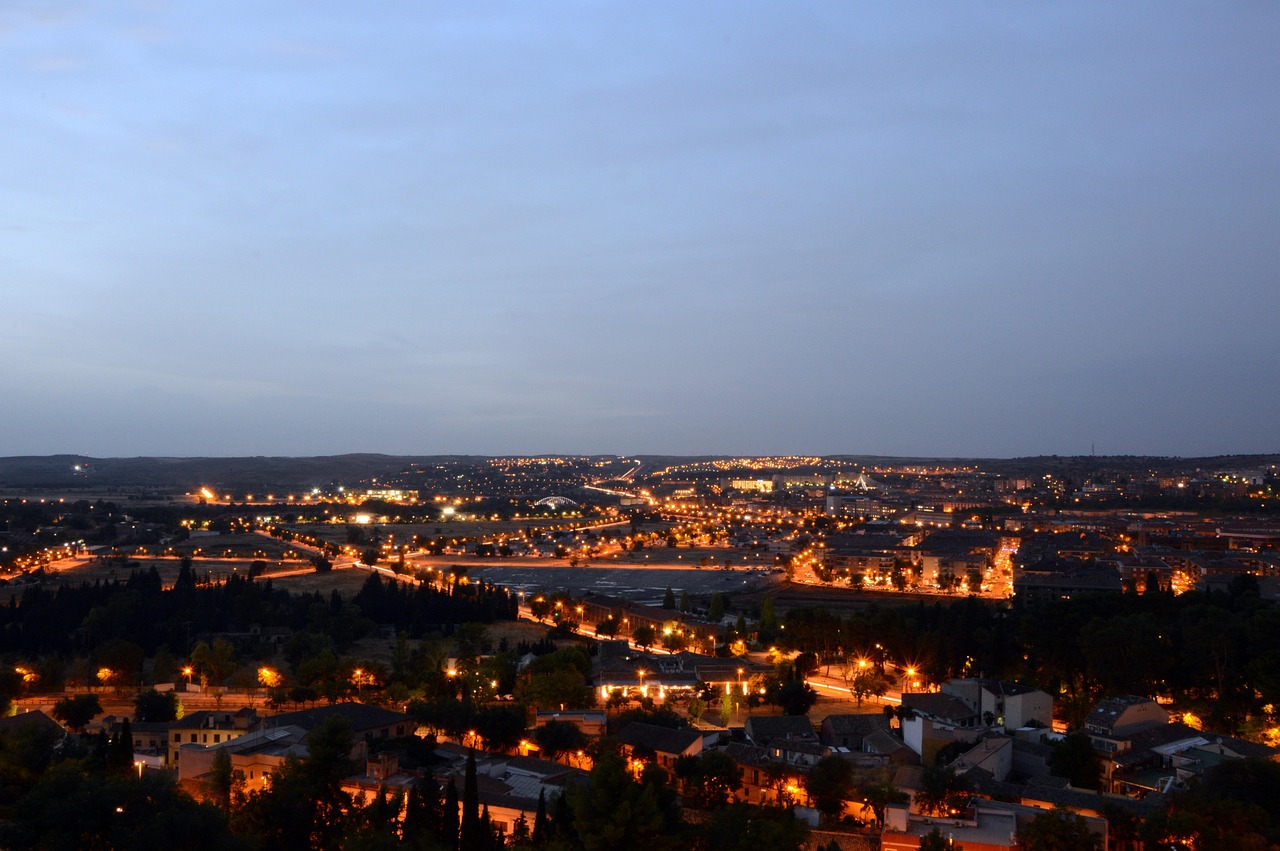
Toledo changes with the seasons, and the “best” time depends on what you want to do.
Spring (March–May)
- Best for: Comfortable temperatures, strolling, and festivals like Semana Santa.
- Pros: Blossoms around the river, longer days, livelier city.
- Cons: Can be busy during Easter and major holidays; book ahead.
Summer (June–August)
- Best for: Late evenings, nightlife, and long days for photography.
- Pros: Warm nights perfect for terrace dining.
- Cons: Very hot midday temperatures; plan a slow, siesta-style rhythm.
Autumn (September–November)
- Best for: Balanced weather, fewer crowds, rich stews and game dishes.
- Pros: Perhaps my favorite season: golden light, pleasant days and evenings.
Winter (December–February)
- Best for: Quiet, lower prices, hearty food.
- Pros: Atmospheric, especially around Christmas; great for museums and indoor sights.
- Cons: Short days, can be chilly; some smaller businesses may have reduced hours.
Key Takeaways & Final Recommendations
- Stay at least 2–3 nights: Day-trippers miss Toledo at dawn and after dark – arguably its best moments.
- Build your own pace: Use the suggested 3 day itinerary for Toledo, 4 day itinerary for Toledo, or 5 day itinerary for Toledo as a framework, but don’t be afraid to swap, linger, or skip.
- Mix big sights with small joys: For every cathedral or monastery, add a café, a river walk, or a quiet bench in a hidden square.
- Let Toledo reveal itself slowly: Its beauty is in the obvious monuments and in the tiny, unexpected details you notice when you’re not in a hurry.
However you structure your time – 3 days in Toledo, 4 days in Toledo, or a full 5 days in Toledo – this compact city has a way of getting under your skin. Leave space in your schedule for serendipity, and Toledo will reward you with moments you couldn’t have planned.