Why Visit Barcelona in 2026?
Barcelona is one of those rare cities that manages to be many things at once: a seaside escape, an open-air architecture museum, a food paradise, a football-obsessed metropolis, and a place where people still take long lunches and late-night walks. I’ve been coming here regularly for over a decade, and I still find new corners, new bars, and new stories every visit.
In 2026, Barcelona feels especially exciting. The city has continued improving its pedestrian areas, bike lanes, and green spaces, and there’s a renewed focus on sustainable tourism and protecting local neighborhoods. Museums are updating exhibitions, new restaurants are opening in emerging districts like Poblenou and Sant Antoni, and classic spots like the Barri Gòtic and La Barceloneta are as atmospheric as ever—just a bit more thoughtfully managed.
If you’re planning 3 days in Barcelona, a 4 day itinerary for Barcelona, or even 5 days in Barcelona, this guide is written to feel like a local friend walking beside you—showing you the must-see attractions in Barcelona, steering you to the best local food, and slipping in hidden gems and local customs that many visitors miss.
Table of Contents
- Why Visit Barcelona in 2026?
- Barcelona at a Glance
- Suggested Itineraries (3–5 Days in Barcelona)
- Top 20+ Must-See Attractions in Barcelona (with Local Stories)
- Neighborhoods & Districts to Explore
- Local Food in Barcelona: What & Where to Eat
- Nightlife, Entertainment & Cultural Experiences
- Best Day Trips from Barcelona
- Cultural Etiquette & Local Customs in Barcelona
- Practical Travel Advice for Barcelona (Transport, SIM, Money-Saving)
- Major Events & What’s New in 2026–2027
- Best Time to Visit Barcelona
- Summary & Final Recommendations
Barcelona at a Glance
Barcelona is the capital of Catalonia, a region with its own language (Catalan), culture, and fierce sense of identity. You’ll hear both Catalan and Spanish on the streets, and you’ll quickly notice how the city balances its Mediterranean soul with modern, creative energy.
- Population: ~1.6 million in the city, about 5 million in the metro area.
- Language: Catalan & Spanish (most people in tourism also speak English).
- Currency: Euro (€).
- Vibe: Relaxed but lively, beachy yet urban, late-night, creative, football-mad.
Think of Barcelona as a city of layers: Roman ruins under the Gothic Quarter, medieval streets next to modernist masterpieces, beach promenades leading into tech start-up hubs. That’s what makes it endlessly fascinating, whether you’re here for a quick 3 day itinerary for Barcelona or you stretch it to 4 or 5 days in Barcelona.
Suggested Itineraries: 3–5 Days in Barcelona
Below are flexible itineraries you can adapt, depending on whether you have 3 days in Barcelona, 4 days, or 5 days. I’ll weave in my personal experiences and small tips that make a big difference—like when to visit Sagrada Família, how to dodge the worst crowds at Park Güell, and where to sneak in a quiet coffee between big sights.
3 Day Itinerary for Barcelona: The Essential Highlights
If you only have 3 days in Barcelona, focus on Gaudí, the historic center, and the waterfront. This plan assumes you like walking and don’t mind full days; you can always slow it down.
Day 1: Sagrada Família, Eixample & Passeig de Gràcia
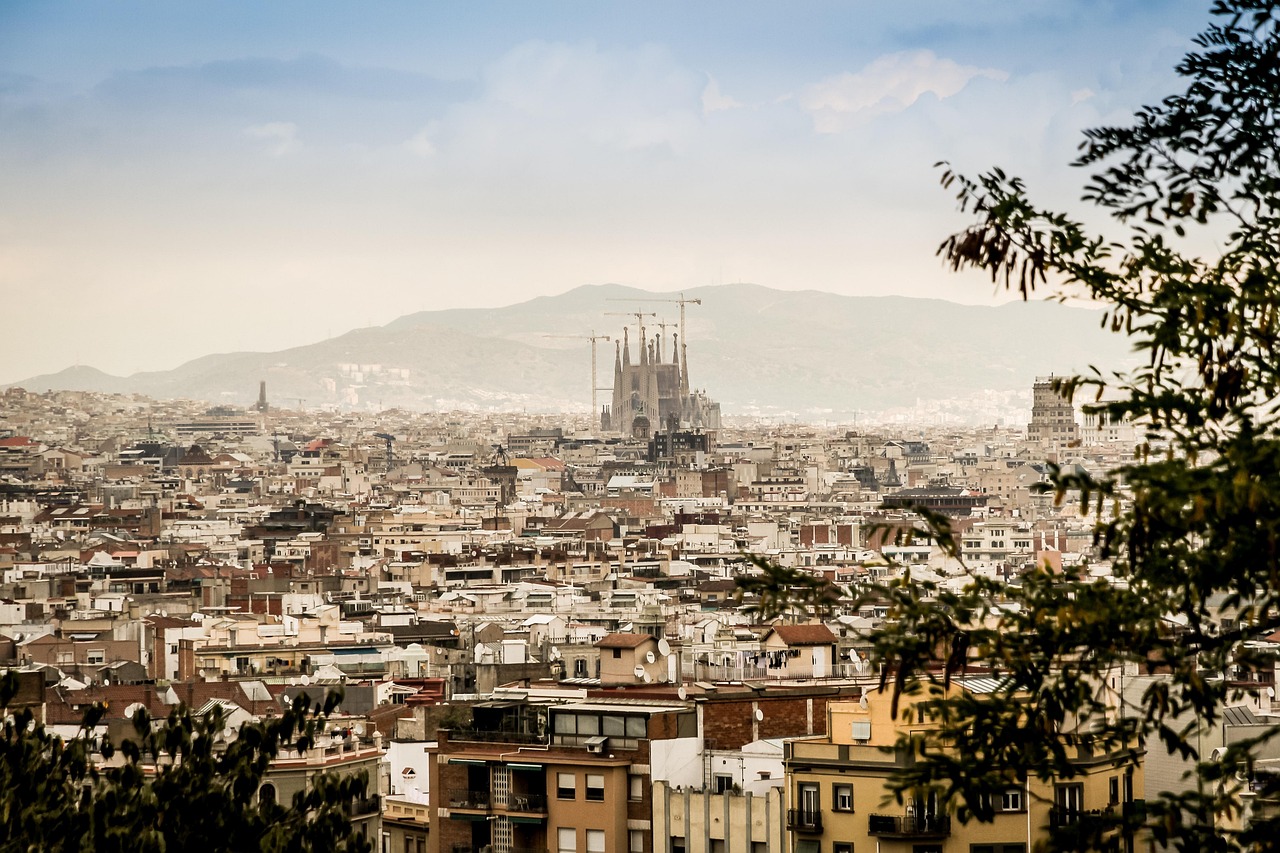
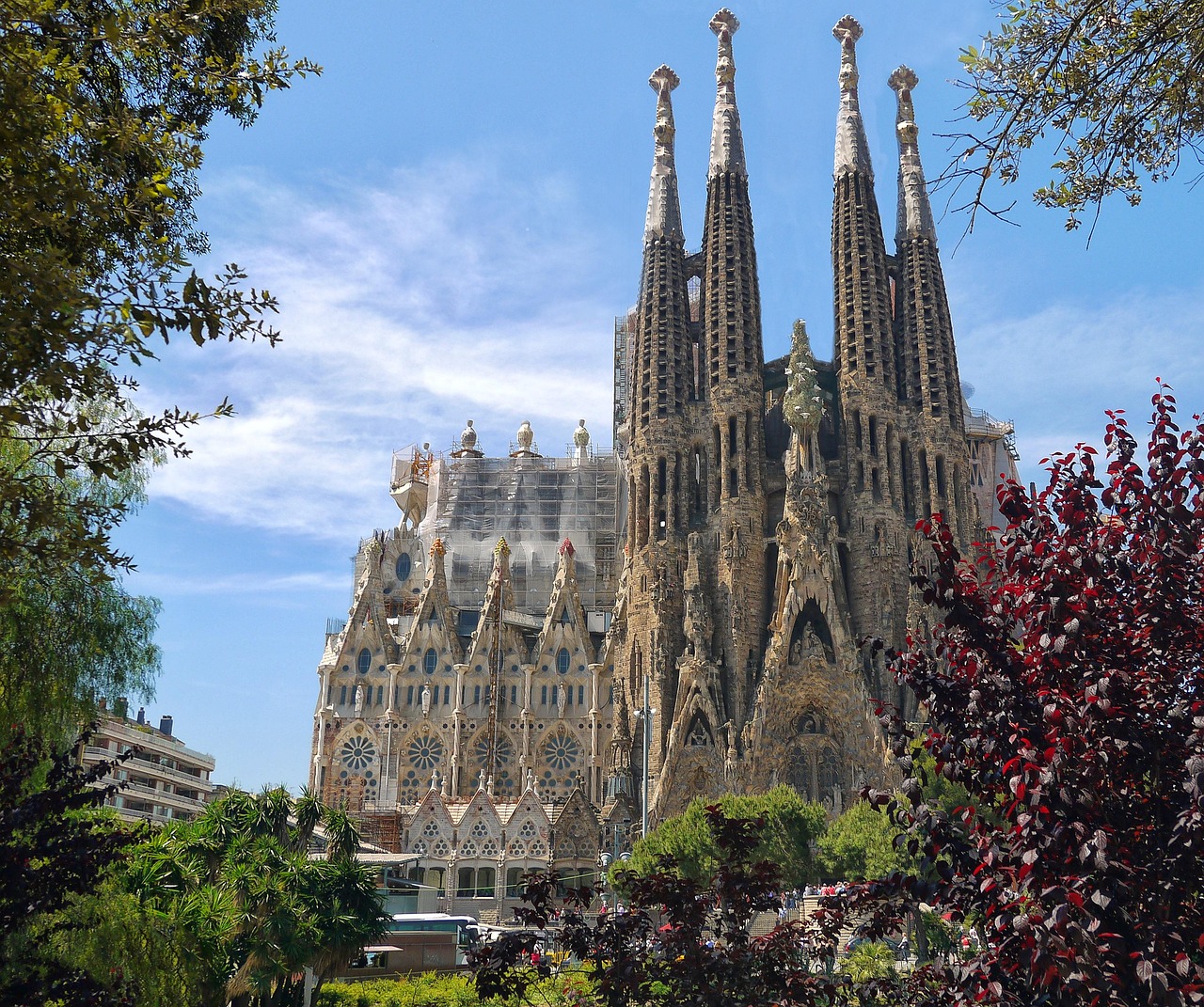
I like starting my Barcelona trips at Sagrada Família. There’s something about seeing Gaudí’s unfinished masterpiece first that sets the tone for the rest of the city—ambitious, strange, deeply spiritual, and constantly evolving.
- Morning: Pre-book the earliest possible ticket for Sagrada Família (ideally 9:00). I usually book a ticket with tower access; the Nativity Façade has slightly better views in soft morning light. Give yourself at least 2 hours inside—it isn’t just a “quick photo stop” if you really want to feel it.
- Late morning: Walk through the grid of Eixample, stopping for a coffee and ensaimada or croissant de mantega at a local bakery. I often duck into a random café around Carrer de Mallorca for a quiet break.
- Afternoon: Head to Passeig de Gràcia for Gaudí’s famous houses: Casa Batlló and La Pedrera (Casa Milà). I usually pick one to visit inside (Casa Batlló is more theatrical; La Pedrera has the better rooftop for architecture lovers).
- Evening: Dinner in Eixample at a modern tapas bar. If you want to keep it close, restaurants along Enric Granados street are a good bet—more locals than around La Rambla.
Day 2: Gothic Quarter, El Born & Barceloneta Beach
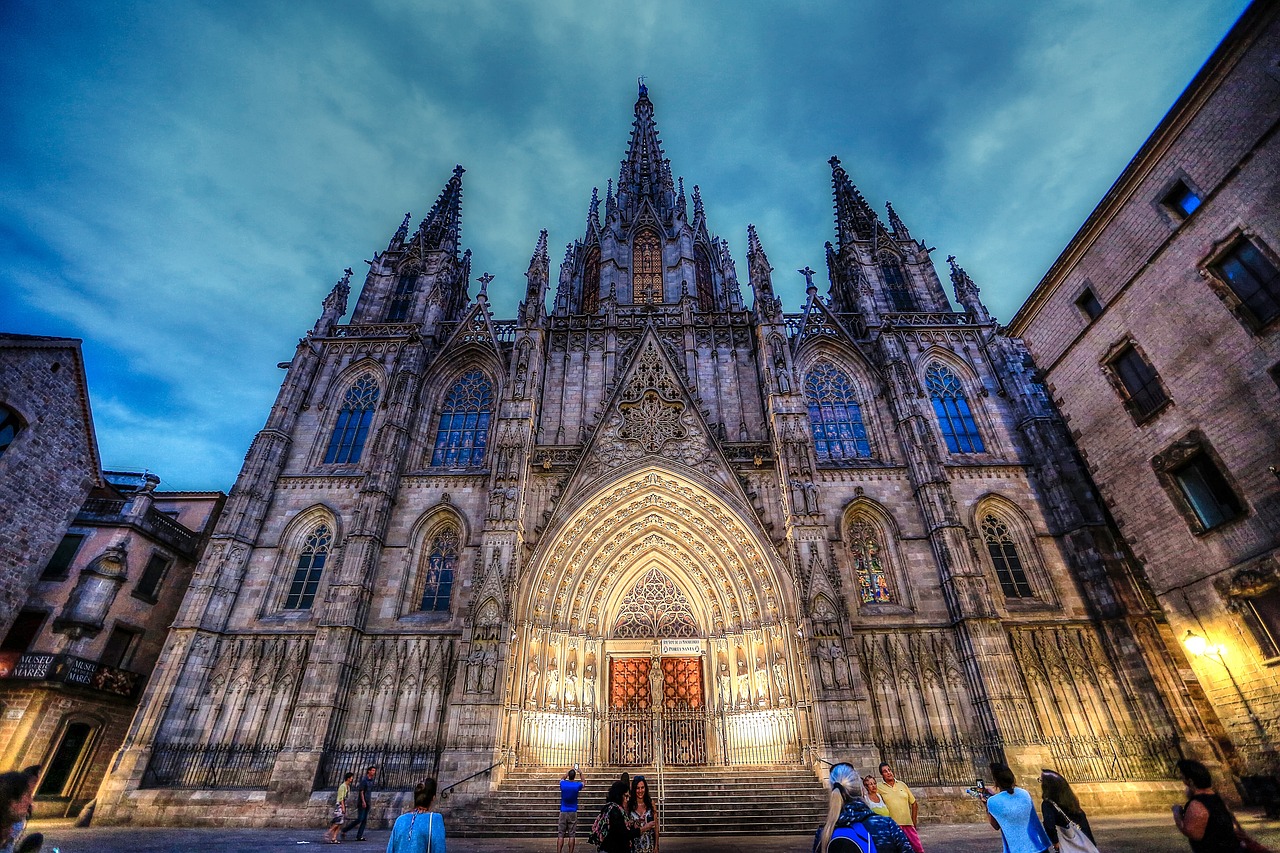
On my second day in the city, I always gravitate to the old town. The Gothic Quarter (Barri Gòtic) and El Born are where I wander without a strict plan and let the history reveal itself in hidden squares and narrow lanes.
- Morning: Start at Barcelona Cathedral, then lose yourself in the Gothic streets. Seek out Plaça del Rei, Plaça Sant Felip Neri, and the Roman city remains.
- Midday: Cross into El Born. Visit Santa Maria del Mar, one of my favorite churches in Barcelona, then hit the Picasso Museum if you’re a fan.
- Afternoon: Walk down to Barceloneta. If it’s warm, swim or just stroll the promenade. I like grabbing a simple seafood lunch near the market instead of on the main touristy strip.
- Evening: Drinks in El Born (lots of cozy wine bars) or a relaxed dinner in Barceloneta with a view of the sea.
Day 3: Park Güell, Gràcia & Montjuïc
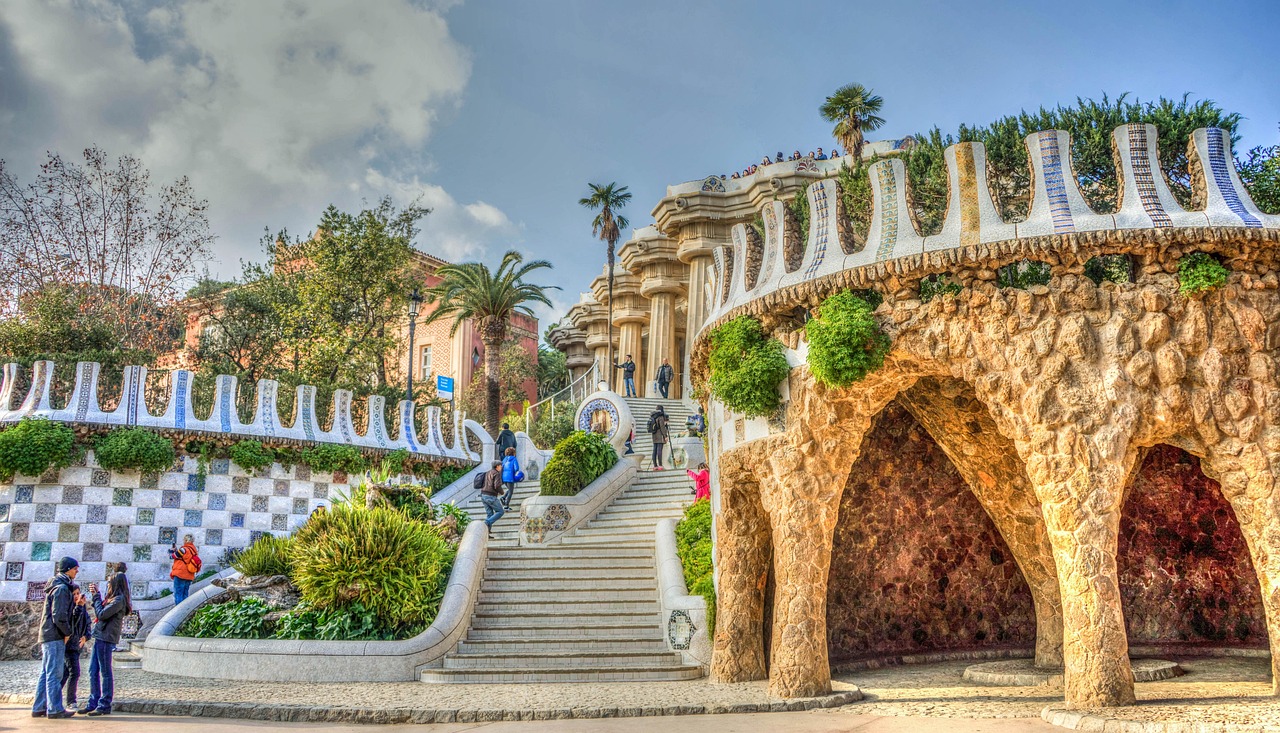
This day balances Gaudí, village vibes, and big city views. It’s my favorite combination when I’m planning a tight 3 day itinerary for Barcelona.
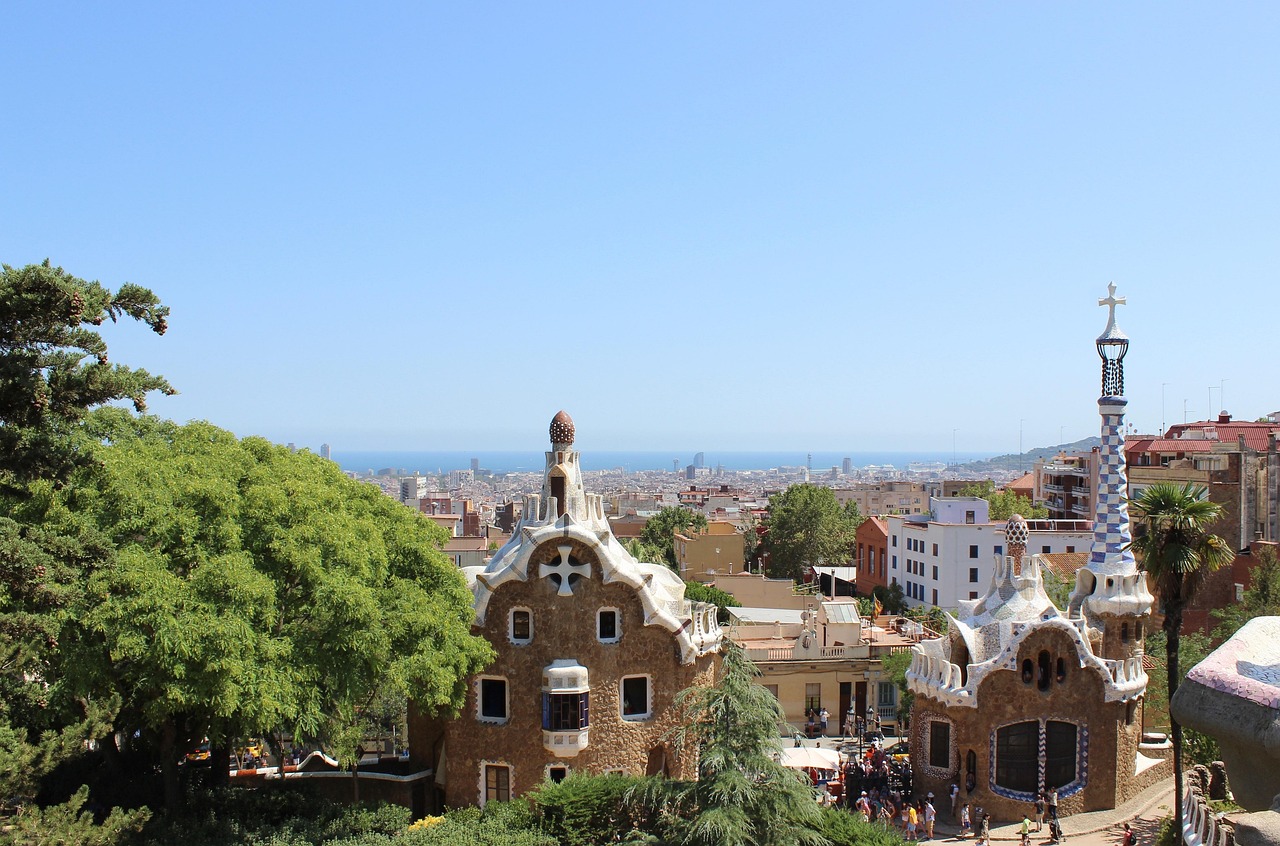
- Morning: Visit Park Güell early (pre-booked tickets). The mosaic terrace and the view over the city are iconic, but I love wandering the less crowded paths away from the famous lizard statue.
- Late morning: Walk down into Gràcia, grab brunch or a snack in Plaça de la Vila or Plaça del Sol. This is where Barcelona still feels like a bohemian small town.
- Afternoon: Head to Montjuïc for panoramic views, gardens, and museums. I usually ride the cable car up at least once each trip just for the view over the port.
- Evening: Watch the sunset from Montjuïc, then head back down for dinner in Poble-sec, a great neighborhood for tapas bars that aren’t overrun with tourists.
4 Day Itinerary for Barcelona: Classics + Neighborhood Depth
With 4 days in Barcelona, you can slow down and add more neighborhood wandering and cultural experiences.
- Days 1–3: Follow the 3-day itinerary above.
- Day 4: Dive into Poblenou and the Glòries area for street art, beach walks, and a look at modern Barcelona, or spend more time museum-hopping on Montjuïc and in El Raval.
On my last 4-day trip, I spent an entire afternoon just exploring Poblenou’s old industrial streets turned creative spaces, then ended the day with a sunset beer on Bogatell Beach. It felt worlds away from the bustle of La Rambla.
5 Day Itinerary for Barcelona: Add a Day Trip or Deeper Local Life
5 days in Barcelona is ideal if you want both the must-see attractions and a taste of everyday life here.
- Days 1–4: Follow the 4-day itinerary.
- Day 5: Choose between:
- A day trip (Montserrat, Girona, Sitges, or Costa Brava).
- Or a “live-like-a-local” day: lazy brunch in Sant Antoni, thrift shopping in El Raval, sunset at the Bunkers del Carmel, and an evening of tapas and vermouth.
When I have five full days, I almost always escape to Montserrat for a day—it’s the perfect counterbalance to the city: fresh air, hiking, and those surreal serrated mountains.
Top 20+ Must-See Attractions in Barcelona (with Local Stories)
Below you’ll find the best places to visit in Barcelona: some world-famous, others quieter but just as special. I’ve included history, why they matter, and how I personally like to experience each one. These aren’t just “things to do in Barcelona”—they’re the places where the city’s soul feels most alive.
1. Sagrada Família
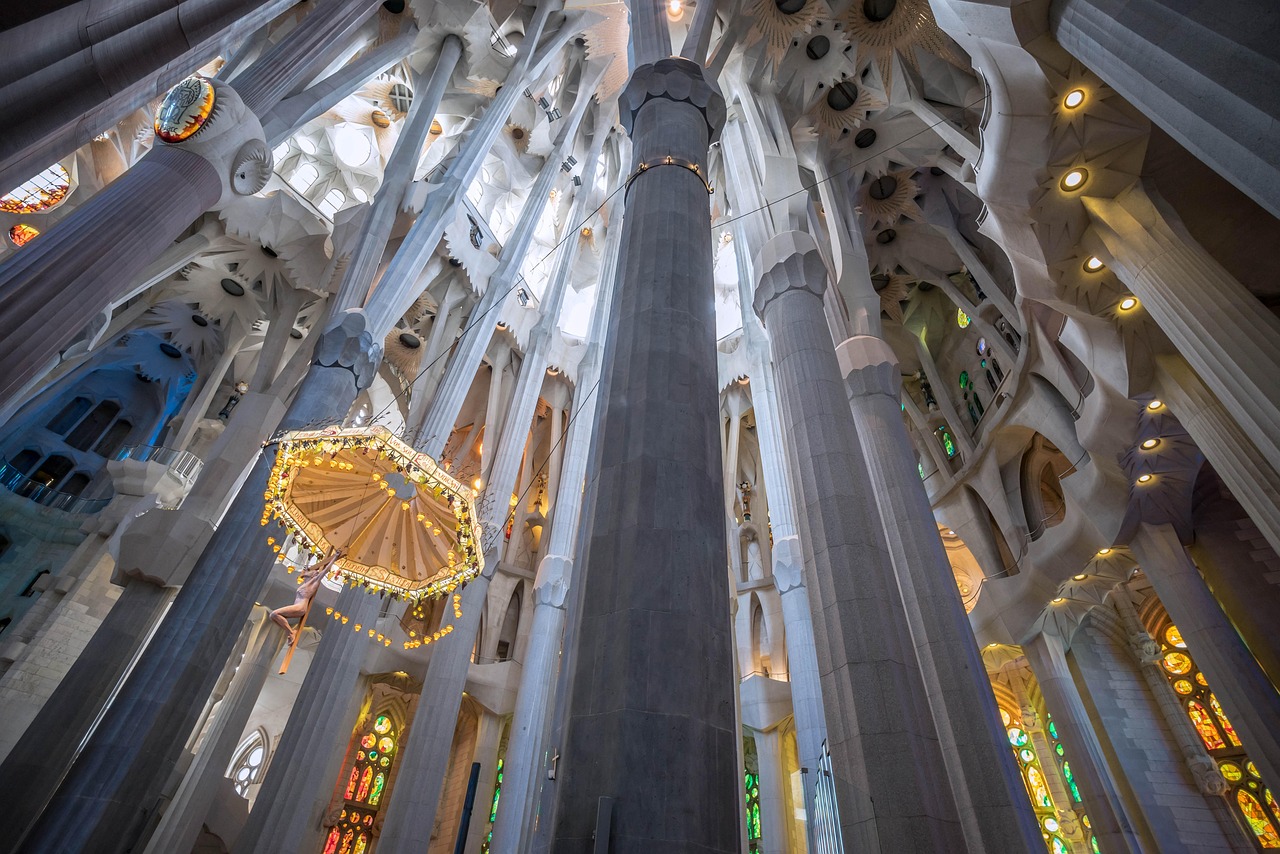
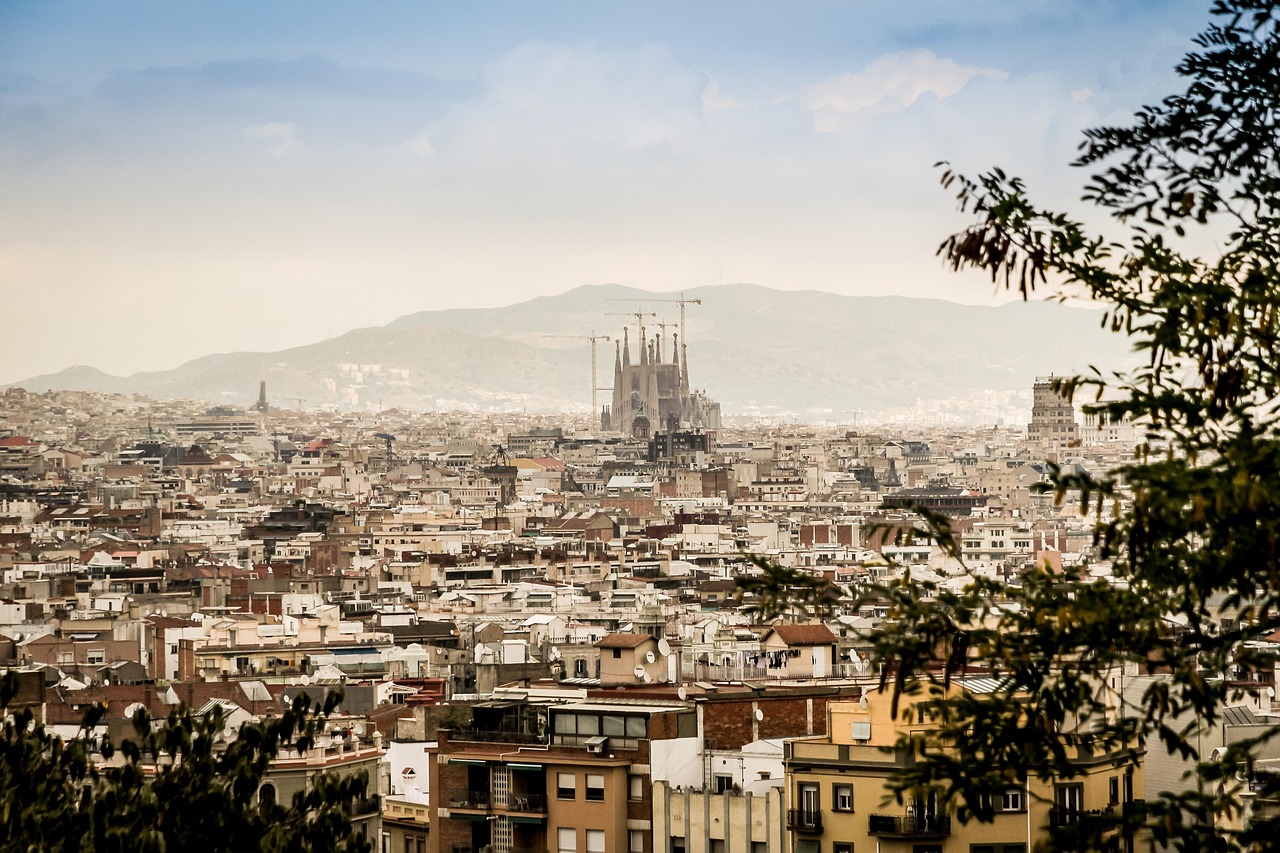
No list of must-see attractions in Barcelona is complete without Sagrada Família. I’ve visited at least six times over the years, and every time I walk in, that forest of stone columns and colored light still catches my breath.
Construction began in 1882 and continues to this day, funded mainly by visitor tickets and donations. The plan is to complete the main structure in the coming years, and in 2026 you can already see how much progress has been made, especially on the towers.
My routine: I always try to visit in the morning when the eastern windows flood the nave with cool blue light. If I go in the afternoon, the western side glows orange and red—completely different feel. I usually pay extra to visit one tower; the climb (via elevator + short stairs) and the view over Eixample are worth it.
- Family-friendly? Yes, but bring snacks and something to quietly entertain younger kids.
- Romantic? Surprisingly yes, especially if you share a quiet pew and just sit in the light for a few minutes.
- Tips:
- Book tickets online at least a few days ahead—same-day tickets in high season often sell out.
- Dress modestly (shoulders covered, no very short shorts) as it’s still a functioning basilica.
- Download the audio guide or join a guided tour; there’s so much symbolism you’ll miss otherwise.
- How to get there: Metro Sagrada Família (L2, L5). It’s right outside the station.
2. Park Güell
Park Güell is Gaudí’s playful side brought to life: gingerbread-like houses, colorful mosaics, and curving benches overlooking the city. Originally designed as a high-end housing development, it became a public park when the project failed commercially—but triumphed artistically.
My favorite memory here is a winter morning when I arrived just after opening. It was chilly, the city below was wrapped in soft mist, and for about 20 minutes the famous mosaic bench was almost empty. I sat there, coffee in hand from a thermos (yes, I’m that person), and watched the city gradually wake up.
- Family-friendly? Very. Kids love the lizard fountain and exploring the paths.
- Adventurous? There are some good uphill walks and side trails for short mini “hikes.”
- Tips:
- Reserve a timed ticket for the Monumental Zone. The rest of the park (outside the controlled area) is free.
- Wear comfortable shoes; there’s a decent amount of walking and some steep streets to reach the park.
- Sunrise and late afternoon are the least crowded times and best for photos.
- How to get there:
- Metro Lesseps or Vallcarca (L3), then a 15–20 minute uphill walk.
- Or bus lines that stop closer to the park entrance.
3. Casa Batlló
Casa Batlló looks like it was grown, not built: bones and scales, sea waves and dragon backs. On Passeig de Gràcia, it’s the house that always makes people stop in their tracks—even if they know nothing about Gaudí.
The first time I went inside, I thought, “I could actually live here.” The flowing ceilings, the carefully placed light wells, even the handles designed to fit your hand—it’s all about how humans move and feel in a space. The latest immersive exhibition (as of 2026) makes it even more engaging, especially for teens and design lovers.
- Best for: Architecture buffs, couples, anyone with an eye for design.
- Tips:
- Book the “Be the First” or early entry slot if you’re into photography.
- Audio guides are well done and worth using.
- Combine with a stroll along Passeig de Gràcia to see other modernist gems.
4. La Pedrera (Casa Milà)
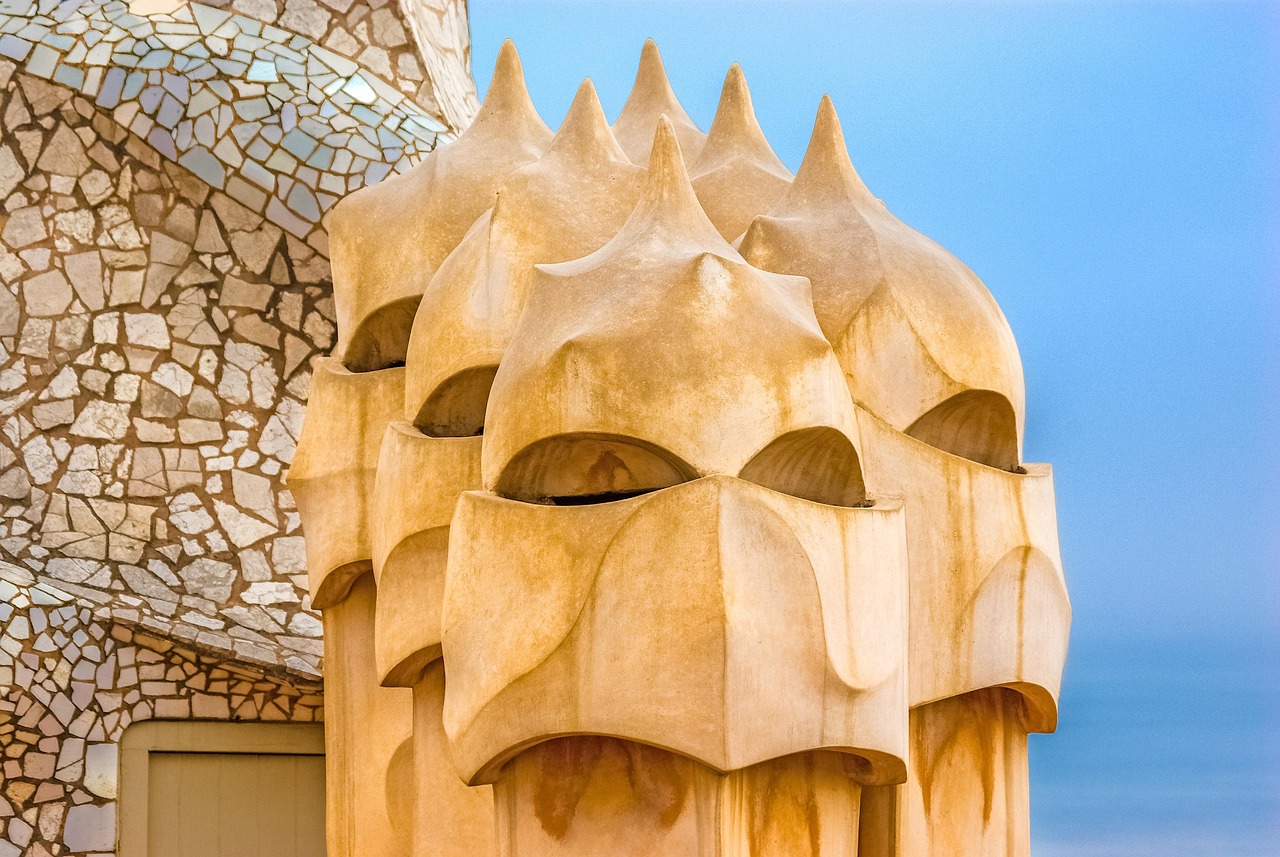
La Pedrera, nicknamed “the stone quarry,” is another Gaudí masterpiece, known for its wavy stone façade and surreal rooftop chimneys that look like helmeted warriors. I love coming here close to sunset—the light on the stone and the view over the Eixample grid feels timeless.
Inside, you can see a reconstructed apartment from the early 20th century, which makes it easier to imagine how people actually lived in these spaces. The attic, with its parabolic arches and exhibitions on Gaudí’s work, is one of my favorite small museum spaces in the city.
- Romantic? Yes—especially the special night visits and rooftop concerts (check schedules).
- Family-friendly? Yes; the rooftop and attic exhibitions can be surprisingly engaging for older kids.
5. Gothic Quarter (Barri Gòtic)
The Gothic Quarter is where I always end up when I have no plan. Its narrow lanes, hidden squares, and stone walls whisper layers of history—Roman, medieval, and modern Catalan.
I like entering from Plaça de Catalunya, then letting myself drift. I might light a candle in Barcelona Cathedral, listen to a busker’s guitar in Plaça del Pi, then hunt down a tiny bar for a midday vermouth. In the early morning, when shop shutters are still down, you’ll mostly encounter locals walking dogs and going to work; at night, it becomes a lively, sometimes noisy maze of bars and restaurants.
- Key spots: Barcelona Cathedral, Plaça del Rei, Plaça Sant Jaume, Plaça Sant Felip Neri.
- Tips:
- Watch your belongings—pickpockets are an issue in the busiest lanes.
- Visit early for quiet photos; return in the evening for atmosphere.
6. La Rambla & La Boqueria Market
La Rambla is Barcelona’s most famous boulevard—and also its most controversial. Locals often avoid it because of crowds and tourist traps, but I still walk it at least once each trip, usually early in the morning or late in the evening when it’s calmer.
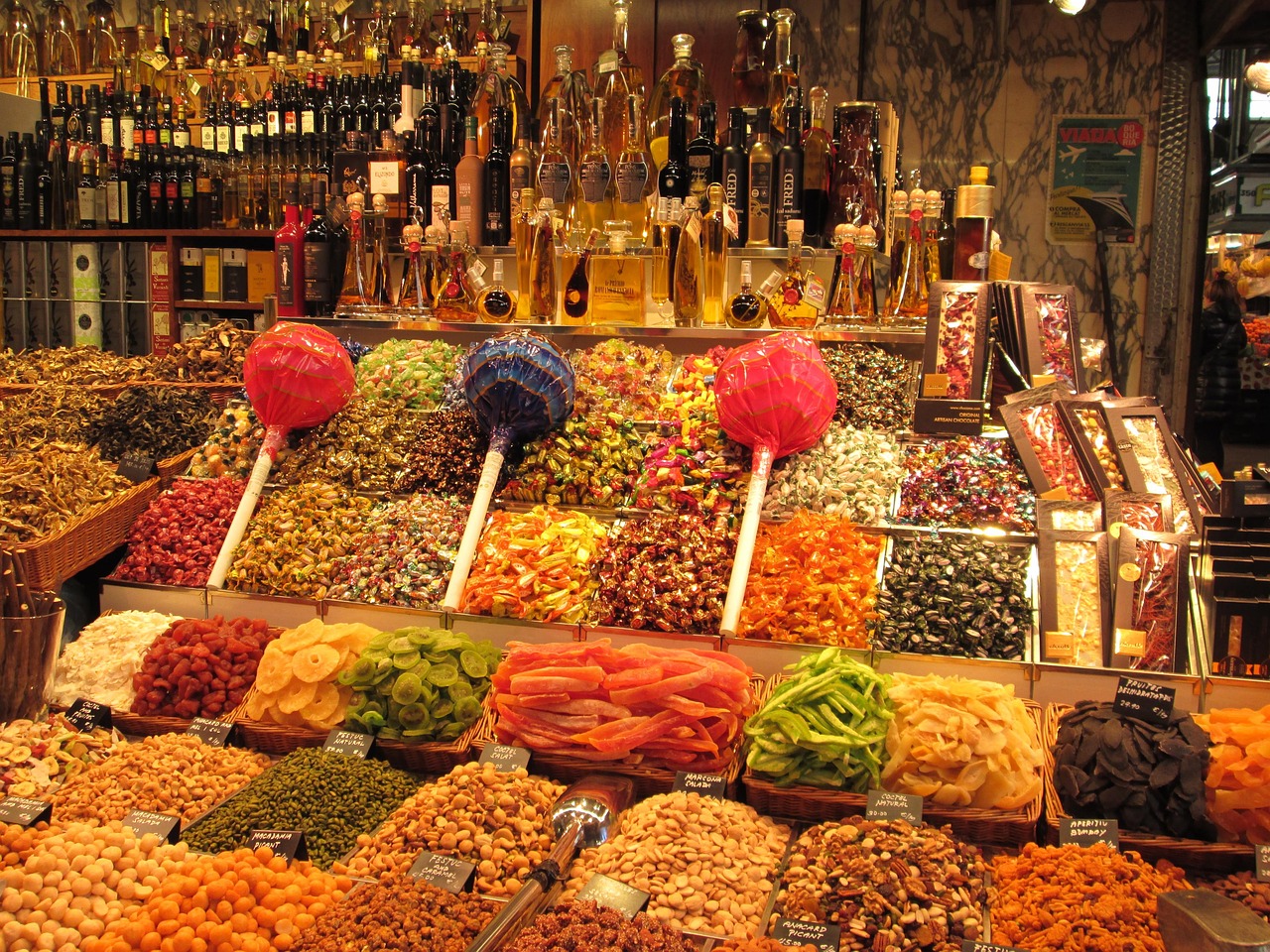
The highlight for me is La Boqueria Market, just off La Rambla. While it’s much more touristy than it used to be, I still love diving into the chaos of fruit stands, jamón hung from ceilings, and seafood stalls.
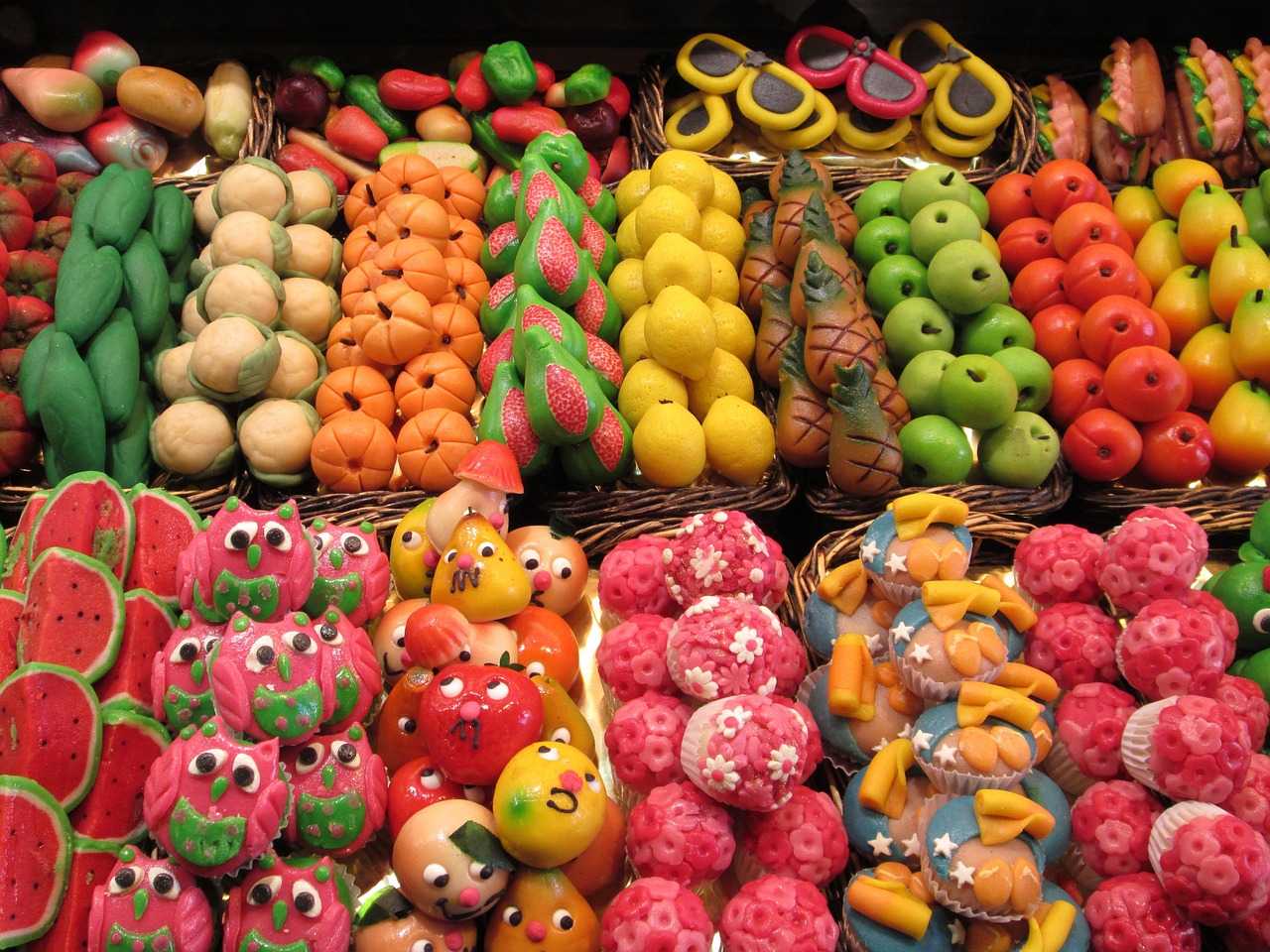
My routine: grab a fresh juice (try mango or a local mix), then slide up to one of the traditional market bars for a quick plate of chipirones (baby squid) or a Spanish omelet.
- Family-friendly? Yes, but hold hands and keep an eye on kids in the market crush.
- Tips:
- Avoid eating at the generic restaurants directly on La Rambla; head a few streets away for better, cheaper food.
- Visit La Boqueria before 11:00 to avoid the worst crowds.
7. El Born & Santa Maria del Mar
El Born is where I go when I want to feel like I live in Barcelona, even if it’s just for a few days. Narrow medieval streets, small designer shops, art galleries, and intimate wine bars—it’s atmospheric day and night.
The heart of El Born is Santa Maria del Mar, a stunning Gothic church. If you’ve read the novel The Cathedral of the Sea, this is the church at its center. I once ducked in here during a summer downpour; the sound of the rain on the roof and the smell of old stone and wax felt like stepping back centuries.
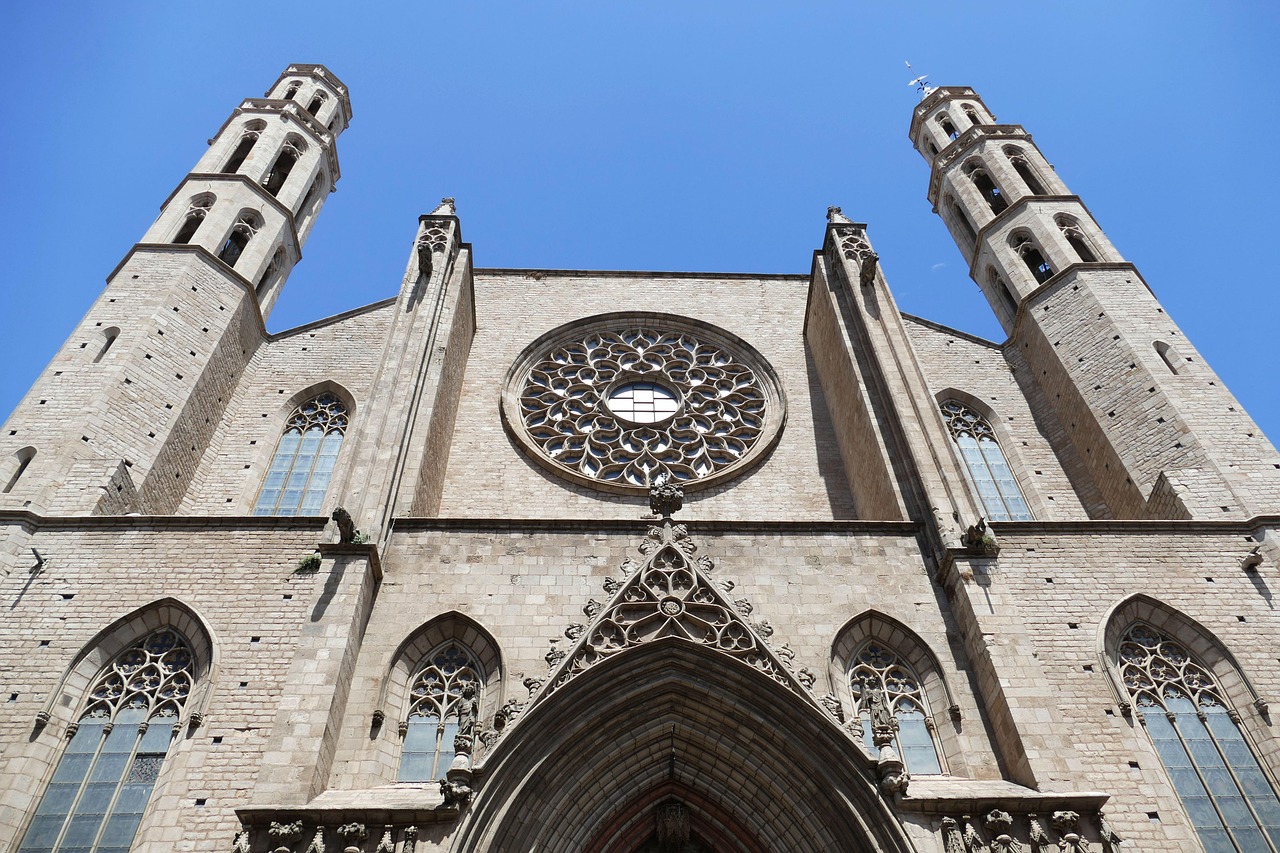
- Best for: Couples, solo wanderers, evening drinks, boutique shopping.
- Tip: Many small restaurants here are excellent—book ahead on weekends.
8. Barceloneta & the Beaches
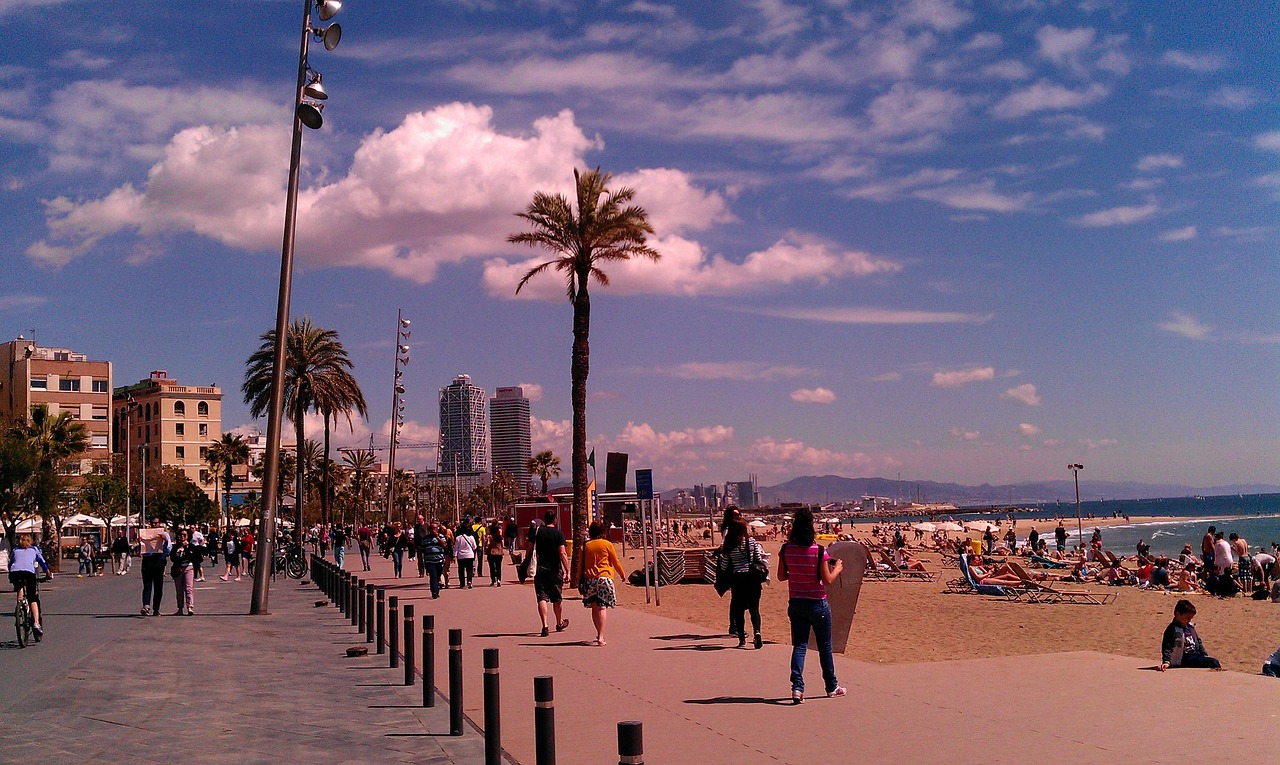
Barcelona’s beachfront stretches for kilometers, but Barceloneta Beach is the most iconic: golden sand, a palm-lined promenade, and the sail-shaped W Hotel anchoring the skyline.
I like jogging here early in the morning, when it’s mostly dog walkers, fishermen, and a few hardy sunrise swimmers. In summer, late afternoons are perfect for a swim and a cold beer at a chiringuito (beach bar). If you want a calmer scene, walk further along to Bogatell or Mar Bella.
- Family-friendly? Very. Shallow entry, playgrounds, space to run.
- Tips:
- Keep valuables to a minimum on the beach; theft can happen if you leave things unattended.
- In high summer, avoid 12:00–16:00 for peak heat and crowds.
9. Montjuïc Hill
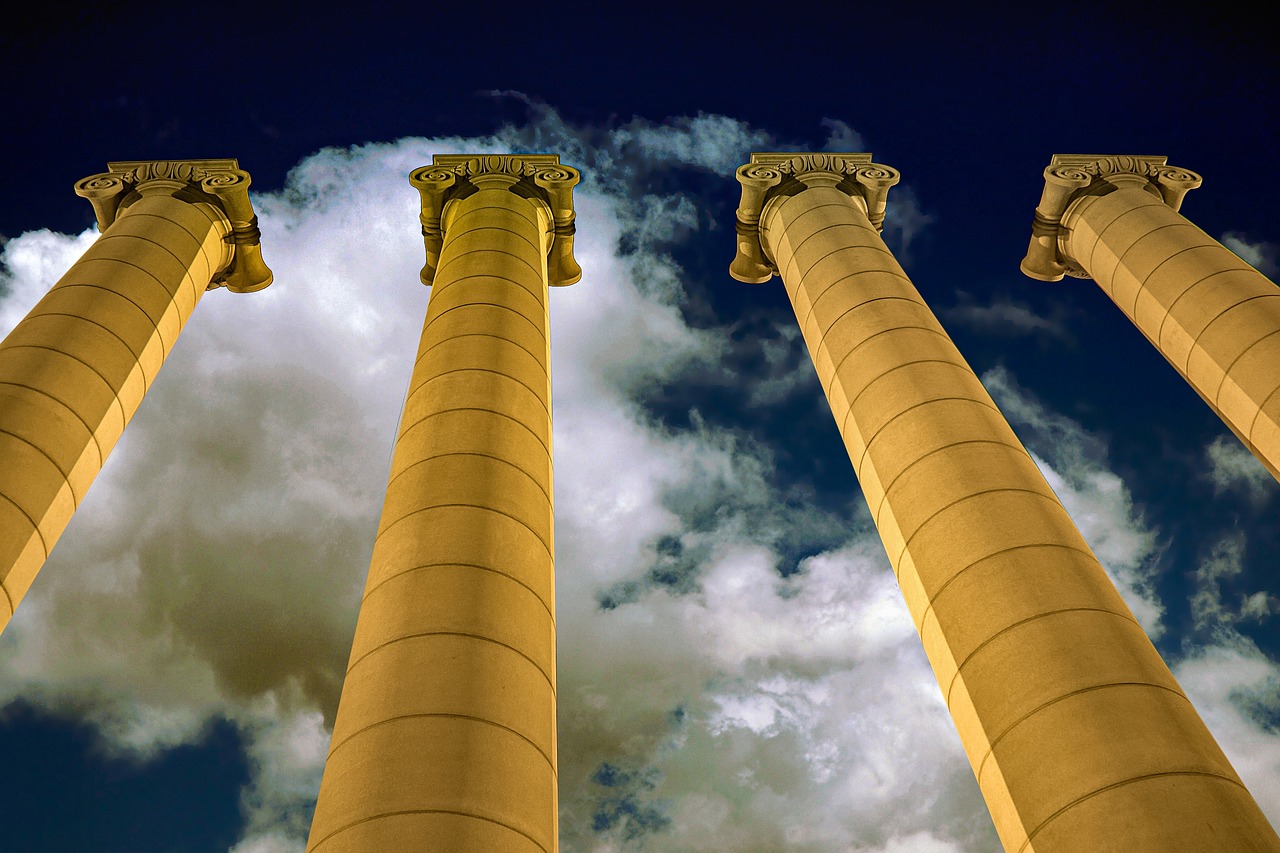
Montjuïc is a green hill overlooking the port, packed with gardens, museums, sports facilities, and viewpoints. It’s where I go when I need a break from the dense city streets.
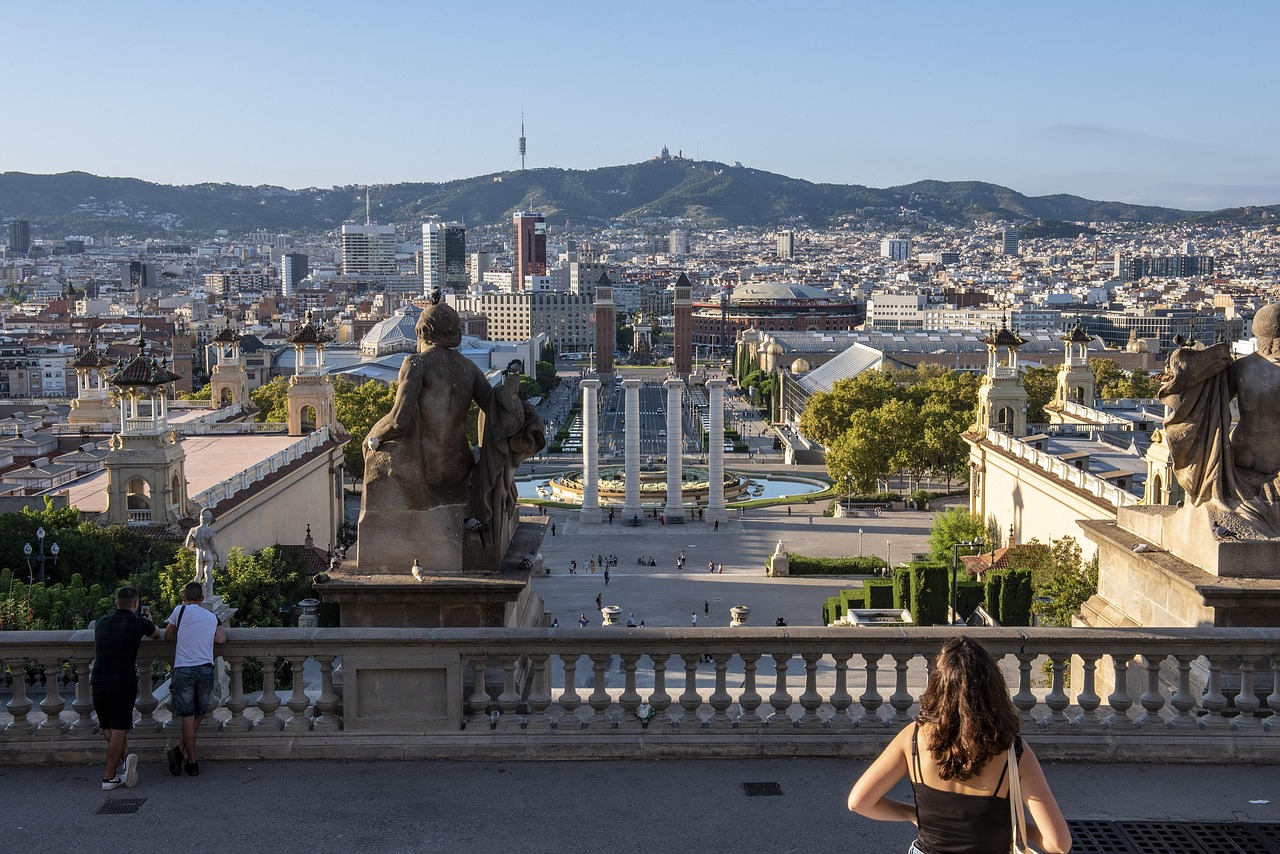
Some days I’ll take the cable car up and just wander through the Jardins de Miramar, then continue to Montjuïc Castle for sweeping views over the harbor. Other days, I focus on culture: the MNAC (National Art Museum of Catalonia) with its Romanesque murals and the nearby Magic Fountain area (note: check if the evening light shows are running in 2026, as they’re occasionally paused or adjusted for sustainability).
- Best for: Families (lots of open space), couples (sunset views), culture lovers (museums).
- Tips:
- Wear comfortable shoes; distances between sights on the hill are larger than they seem.
- The cable car is more expensive than the bus but gives fantastic panoramas.
10. Spotify Camp Nou & Barça Immersive Tour
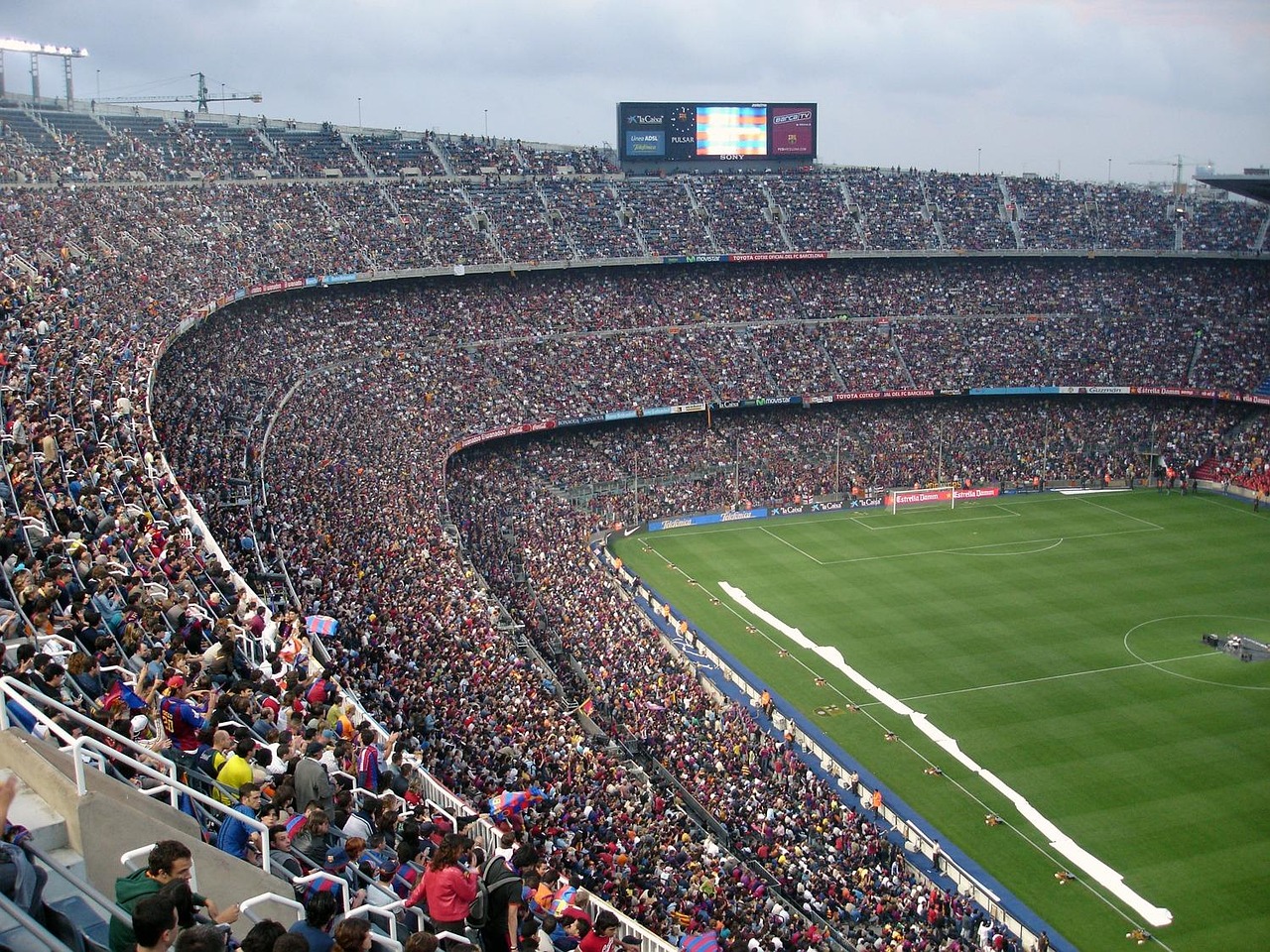
Even if you’re not a football fan, FC Barcelona is woven into the city’s identity. With the stadium undergoing redevelopment, the club has been offering updated museum and immersive experiences that showcase the team’s history, legendary players, and trophies.
On my first tour here, a local guide explained how Barça is “more than a club” (més que un club)—a symbol of Catalan identity, especially during the Franco era. Standing by the pitch (or now, viewing it through the renovation work), you sense how emotional football is here.
- Family-friendly? Yes; kids usually love the trophies and interactive exhibits.
- Tips:
- Check in advance where matches are being played during the renovation years and whether the main stadium is visitable.
- On match days, arrive early and soak up the atmosphere around the stadium.
11. Picasso Museum
The Picasso Museum is tucked into a series of medieval palaces in El Born and focuses mainly on Picasso’s early years. It’s the best place to see how a prodigy became an icon.
I remember one rainy afternoon when I slipped in here to escape a sudden storm. I ended up spending two hours longer than planned, moving slowly from room to room as the galleries traced Picasso’s evolution from academic realism to the beginnings of cubism. It’s contemplative, not overwhelming like some big European museums.
- Tips:
- Reserve timed entry online, especially in summer and on free-entry days.
- Combine with a walk around El Born and a coffee in a nearby square afterward.
12. Parc de la Ciutadella & Arc de Triomf
Parc de la Ciutadella is Barcelona’s central green lung, a favorite for picnics, rowing on the small lake, and lazy afternoons. Nearby, the red-brick Arc de Triomf frames a pedestrian promenade lined with palm trees.
On sunny Sundays, I like to bring a blanket, some cheese and olives from a local market, and just chill here. You’ll see groups practicing yoga, musicians jamming, and families pushing strollers. It’s a lovely pause in a busy itinerary.
- Family-friendly? Absolutely—playgrounds, open lawns, and boats.
- Tips:
- Consider renting a bike and riding through the park and along the beachfront.
13. Gràcia Neighborhood
Gràcia was once a separate village and still feels like it. Small plazas, local bars, independent shops—this is one of my favorite neighborhoods in Barcelona.
On my last stay, I rented an apartment near Plaça de la Vila de Gràcia. Most evenings, I’d sit at a terrace, watch kids play around the clock tower, and chat with neighbors about everything from politics to the best bakery on the block. It made the city feel less like a destination and more like a temporary home.
- Best for: Evening tapas, slow strolls, feeling “local.”
- Tip: If you’re in Barcelona in August, don’t miss the vibrant Festa Major de Gràcia, when streets are decorated with elaborate handmade themes.
14. Poblenou & the 22@ District
Poblenou is Barcelona’s former industrial heart, now a creative, tech-forward neighborhood with a laid-back beach vibe. The 22@ district is full of converted factories, co-working spaces, and street art.
I love wandering Poblenou’s old factory streets, stopping for third-wave coffee, and ending at the seafront around Bogatell Beach. It’s quieter than Barceloneta, with more locals walking dogs and fewer selfie sticks.
- Best for: Digital nomads, street-art lovers, modern architecture fans.
- Hidden gem: The old Can Framis factory turned into a contemporary art museum (Fundació Vila Casas) is a great, lesser-known stop.
15. Bunkers del Carmel (Turó de la Rovira)
Bunkers del Carmel offers one of the best free viewpoints in Barcelona. These old anti-aircraft bunkers from the Spanish Civil War era now serve as a 360-degree lookout over the city.
One of my favorite evenings in Barcelona was spent here with a simple picnic: a baguette, some jamón, a wedge of manchego, and a bottle of local red. We watched the city lights flicker on as planes traced lines across the sky.
- Adventurous? Mildly—there’s a bit of a climb, but nothing technical.
- Tips:
- Go for sunset, but arrive early; it’s popular with locals and travelers alike.
- Bring a light jacket; it can be breezier up there than at sea level.
16. Palau de la Música Catalana
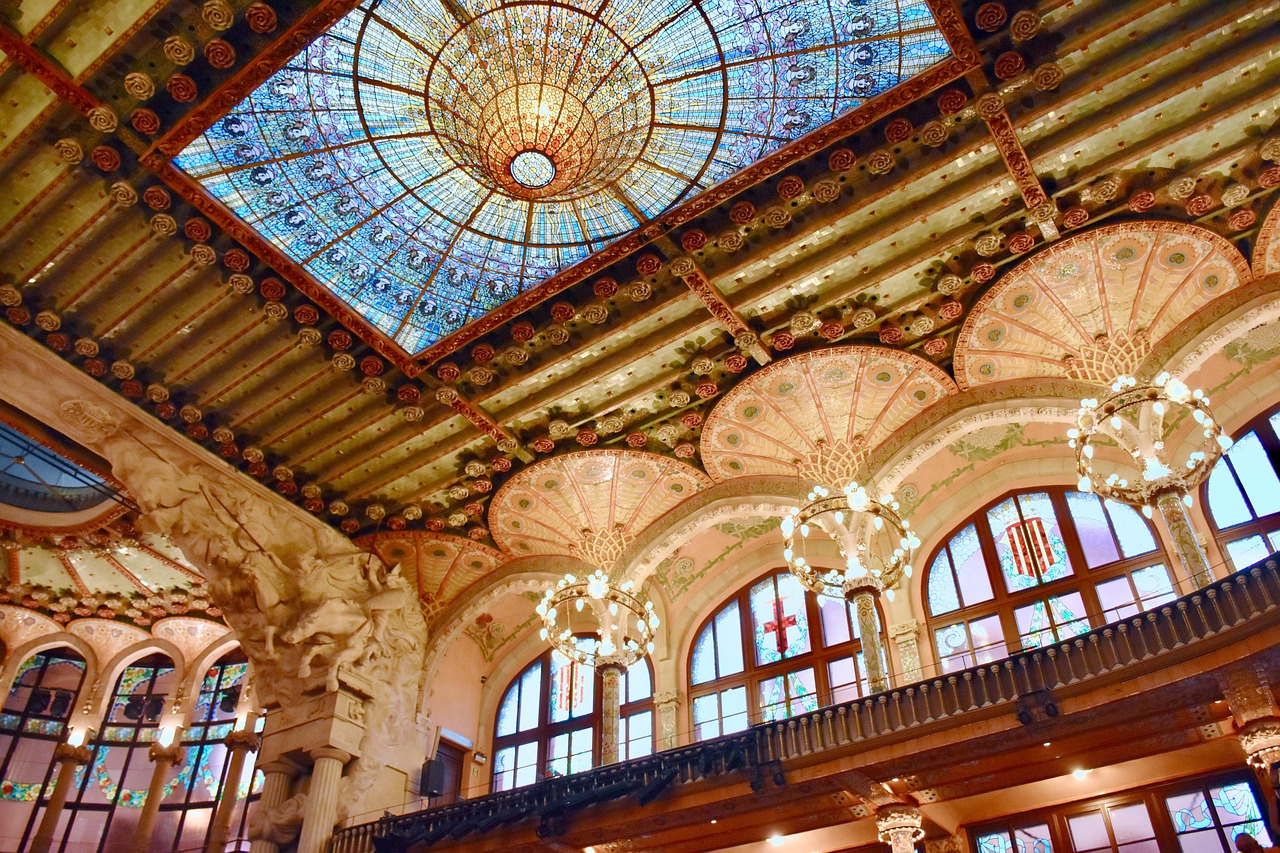
The Palau de la Música Catalana is a jewel-box concert hall and one of my absolute favorite buildings in Barcelona. Designed by Lluís Domènech i Montaner, it’s a riot of stained glass, mosaics, and sculpture.
I always recommend seeing it through a concert rather than just a daytime tour, if possible. I once heard a choral performance here; as the voices rose under that stained-glass skylight, it felt like the room itself was singing.
- Best for: Music lovers, architecture enthusiasts, romantic evenings.
- Tip: Book tickets early; popular performances sell out.
17. El Raval & MACBA
El Raval is edgy, diverse, and constantly changing. It’s home to the MACBA (Museum of Contemporary Art), lively street life, and a mix of old bars and new concepts.
I like sitting on the steps near MACBA, watching skateboarders and students hang out. It’s a people-watcher’s dream. The side streets are full of vintage shops, multicultural eateries, and some excellent cocktail bars.
- Best for: Contemporary art, nightlife, people-watching.
- Tip: Like any big-city neighborhood with nightlife, be aware of your surroundings late at night and stick to busier streets.
18. Tibidabo & Collserola
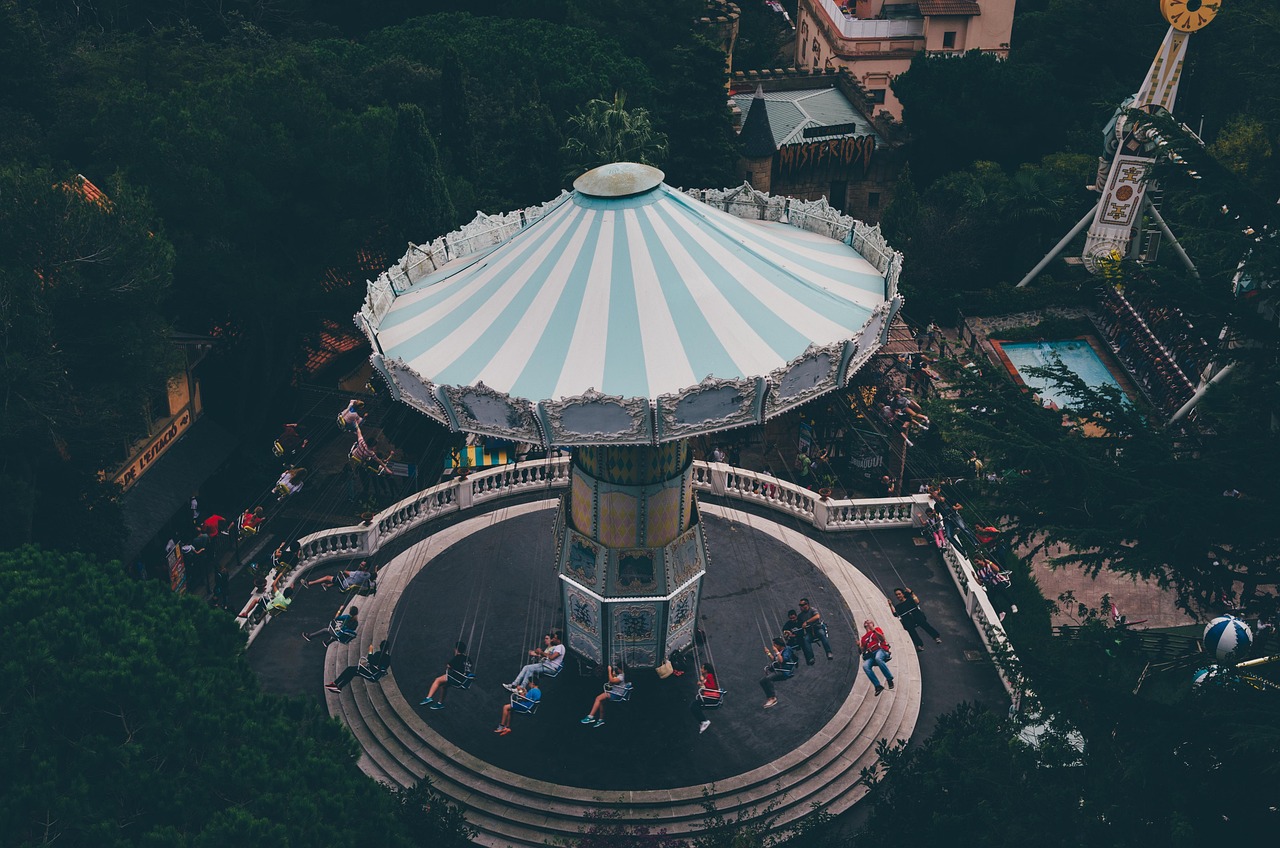
Tibidabo is the mountain with a church and old-fashioned amusement park overlooking Barcelona. It’s wonderfully nostalgic: a ferris wheel, vintage rides, and that classic view of the city fading into the sea.
I once spent a lazy Sunday here with friends, riding a couple of rides, then sitting on a terrace for hours, watching paragliders circle above the Collserola hills. It’s a great way to escape the urban buzz for a bit.
- Family-friendly? Absolutely; kids love it.
- Romantic? Yes, especially around sunset.
19. Hospital de Sant Pau
Hospital de Sant Pau is one of Barcelona’s most underrated modernist masterpieces. A former hospital complex designed by Lluís Domènech i Montaner, it’s now a cultural and heritage site with beautifully restored pavilions and gardens.
I walked through it almost by accident my first time—after leaving Sagrada Família, I saw its towers in the distance and wandered over. Inside, the colorful tiles, stained glass, and underground tunnels made it feel like a secret alternative to the better-known Gaudí sites.
- Best for: Architecture lovers, photographers, anyone wanting a quieter major site.
- Tip: Combine with Sagrada Família; they’re a short walk apart.
20. Magic Fountain & Plaça d’Espanya
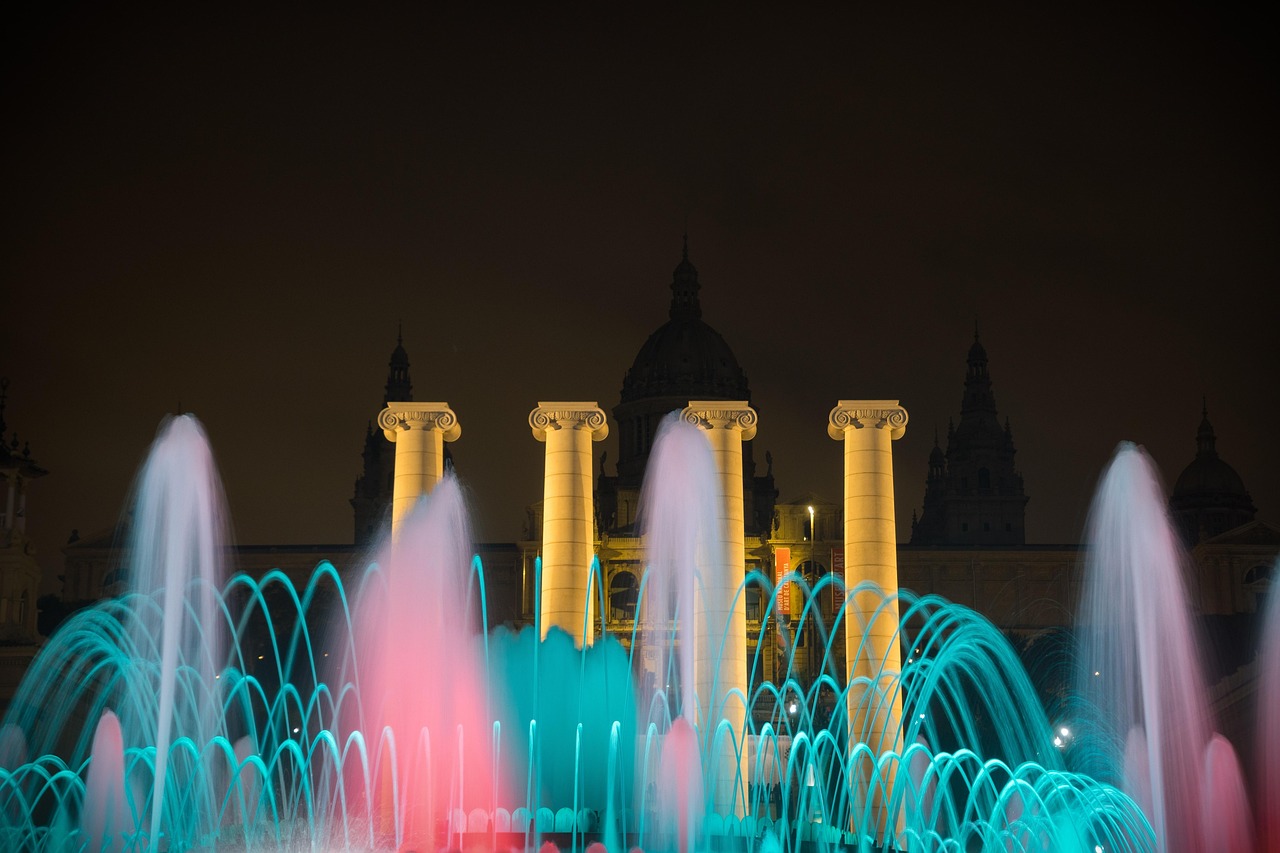
The Magic Fountain of Montjuïc is famous for its evening light-and-music shows. Depending on water and energy policies in 2026, the schedule can vary, so check current info during your stay.
When the shows are running, it’s a fun, family-friendly way to end a day, with locals and travelers gathering on the steps leading up to MNAC. I like arriving a bit early, grabbing a simple snack, and just soaking up the atmosphere.
Other Notable Attractions & Hidden Gems in Barcelona
- Santa Maria del Pi: A Gothic church with a beautiful rose window and occasional small concerts.
- Recinte Modernista de Sant Andreu: Lesser-known modernist industrial complexes, if you’re into architecture off the beaten path.
- Parc del Laberint d’Horta: Historic garden with a hedge maze—peaceful and fun, especially with kids.
- Mercat de Sant Antoni: A fantastic local market, newly renovated, with fewer tourists than Boqueria.
Barcelona Neighborhoods & Districts: Where to Wander
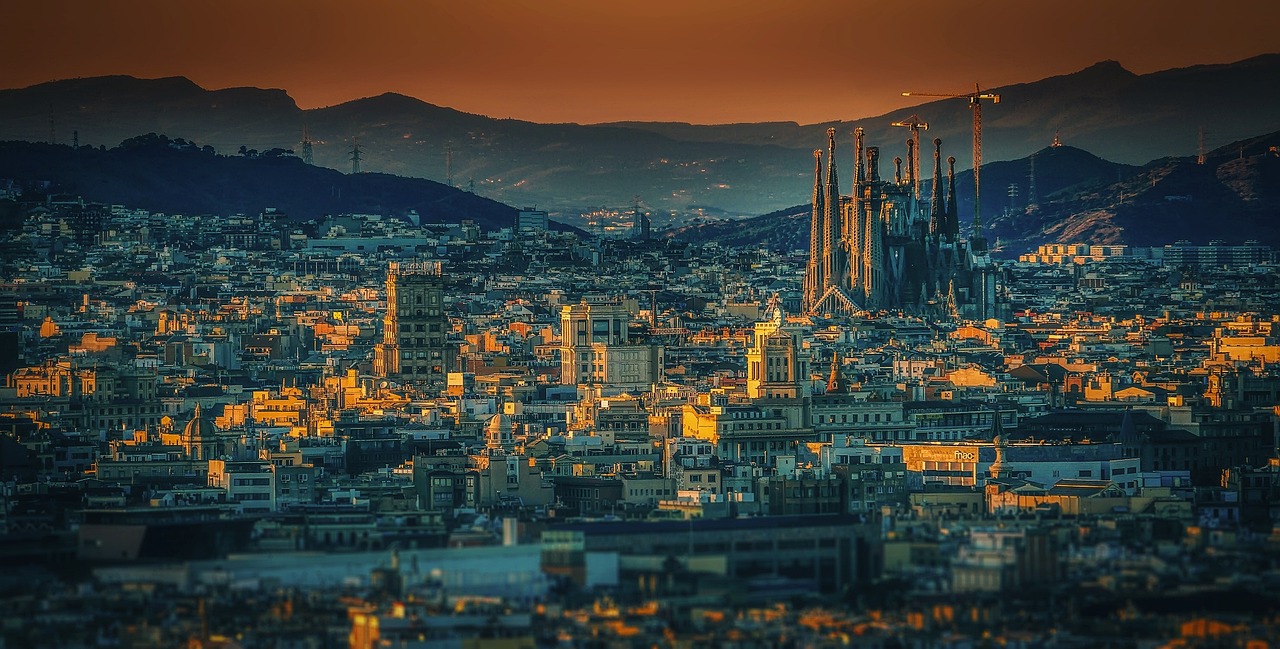
One of the best cultural experiences in Barcelona is simply walking different neighborhoods and noticing how the vibe shifts. Here’s how I think of the main areas:
- Barri Gòtic: Medieval heart, narrow lanes, tourist-heavy but atmospheric. Great for history, hidden squares, and evening strolls.
- El Born: Trendy, artistic, full of boutiques and wine bars. Ideal for evenings and dining.
- El Raval: Gritty but creative, multicultural, with MACBA and street life.
- Eixample: Grand boulevards, modernist architecture, many hotels and restaurants. Very central and convenient.
- Gràcia: Village feel, bohemian, squares full of locals. Great for those wanting a more residential vibe.
- Poblenou: Industrial-chic, tech and design, laid-back beaches. Good for longer stays and digital nomads.
- Barceloneta: Old fishing quarter turned beach district. Casual, lively, lots of seafood.
- Poble-sec: At the foot of Montjuïc, full of local bars and tapas streets like Carrer de Blai.
- Sant Antoni: Up-and-coming, anchored by its beautiful market; great brunch cafes and more local nightlife.
Local Food in Barcelona: What & Where to Eat
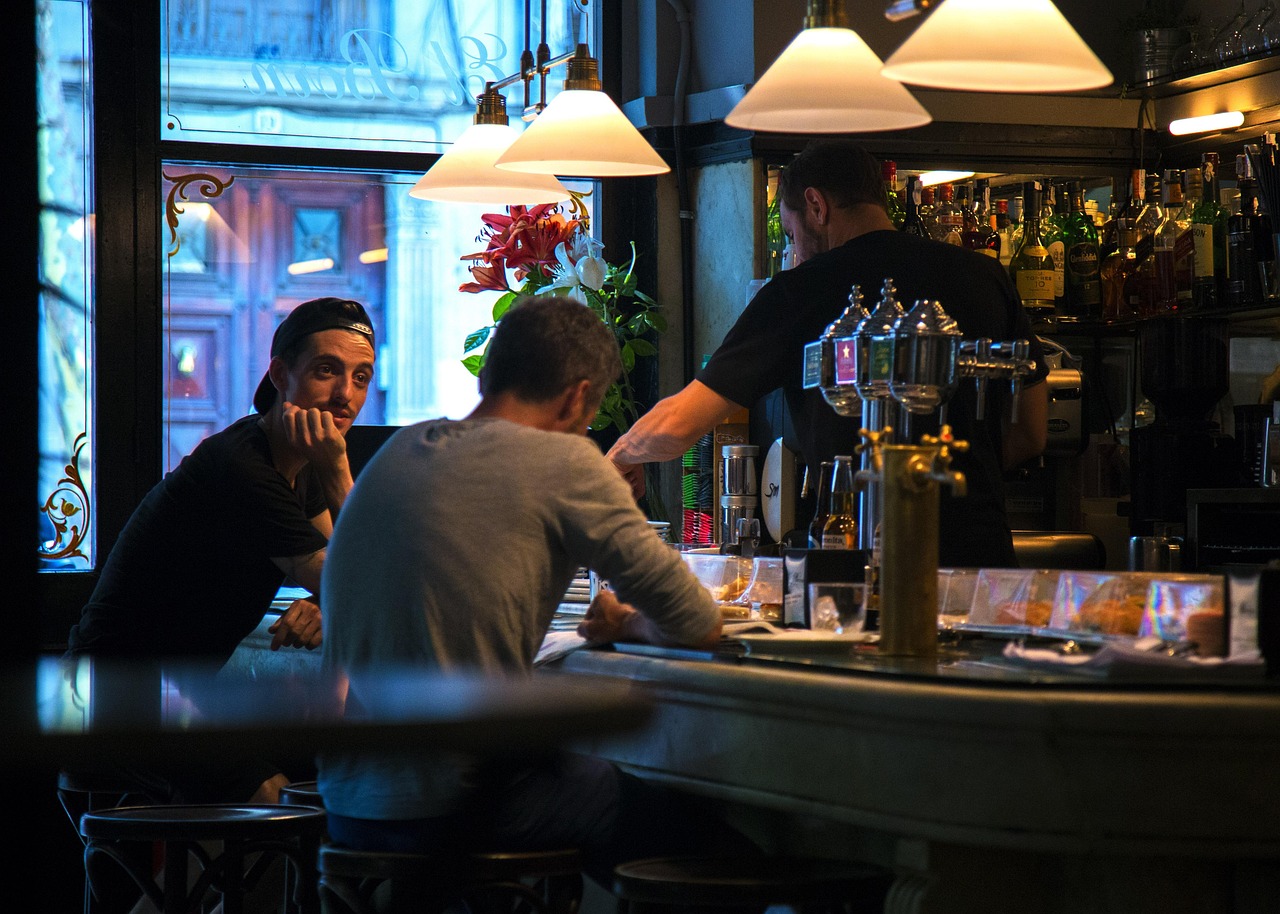
Barcelona isn’t just about tapas (though there are plenty). It’s also about Catalan stews, seafood, market-fresh produce, and a strong vermouth culture. I plan my days around meals here more than anywhere else.
Must-Try Dishes & Drinks
- Pa amb tomàquet: Toasted bread rubbed with ripe tomato, olive oil, and salt. Simple, perfect.
- Bombas: Potato croquettes filled with meat, served with spicy sauce (born in Barceloneta).
- Calçots with romesco (seasonal): Grilled spring onions dipped in nutty romesco sauce—winter/spring specialty.
- Esqueixada: Salt cod salad with tomatoes, onions, olives.
- Fideuà: Like paella but with short noodles instead of rice—often with seafood.
- Crema catalana: Catalan crème brûlée with citrus and cinnamon.
- Vermouth (vermut): Aromatized wine served on ice with an orange slice and olive—traditional aperitif.
- Cava: Catalan sparkling wine, perfect with seafood and celebrations.
Where I Love to Eat (Representative Types)
I’ll avoid naming too many specific places (restaurants change, and I want this to stay helpful), but here’s the kind of spots I seek out:
- Markets for budget-friendly bites:
- Mercat de Sant Antoni: Great for less touristy snacks and fresh produce.
- Mercat de la Concepció: Local feel in Eixample; grab fruit, cheese, and cured meats for a picnic.
- Traditional tapas bars:
- Look for small, slightly worn-in bars with locals standing at the counter.
- Order patates braves, pa amb tomàquet, croquetes, and a small beer (canya).
- Seafood joints in Barceloneta:
- Avoid the most obvious tourist menus along the main promenade.
- Look for places a couple blocks inland, near the market, where menus are in Catalan/Spanish first.
- Modern Catalan bistros in Eixample & Gràcia:
- Great for creative menus, tasting menus, and natural wines.
- Vermouth bars in Poble-sec & Sant Antoni:
- Perfect for a late afternoon drink and small plates before dinner.
Money-Saving Food Tips
- Menu del dia: Many restaurants offer a fixed-price lunch menu (weekday lunch): starter, main, dessert, and drink for a good price. This is my go-to budget hack.
- Skip breakfast at hotels: Local cafés offer coffee and a pastry or small sandwich for much less.
- Tap water: Safe to drink. Ask for “aigua de l’aixeta” (tap water) if you want to avoid paying for bottled water, though not every place loves this request.
Nightlife, Entertainment & Cultural Experiences in Barcelona
Barcelona’s nightlife starts late and ends even later. Dinner at 21:00 is normal; bars fill up around 23:00; clubs get going after 1:00.
Evening & Nightlife Options
- Wine & vermouth bars: My favorite way to spend evenings—small glasses, good conversations, local cheeses and anchovies.
- Tapas streets: Carrer de Blai in Poble-sec is famous for its pintxos (small bites on bread), usually paid per toothpick.
- Live music: Jazz clubs in Eixample and the old town, rock bars in Raval, and classical concerts at the Palau de la Música or Liceu Opera House.
- Beach clubs: Along the beachfront, especially in summer—more mainstream, dance-heavy.
Cultural Experiences
- Flamenco shows: While flamenco is more Andalusian than Catalan, Barcelona has some quality tablaos. Choose venues that highlight live music and dance, not just tourist one-hour shows bundled with dinner.
- Castells (human towers): If you’re lucky to be here during a local festival, you might see these breathtaking human towers—a core Catalan tradition.
- Festivals:
- La Mercè (September): Barcelona’s main festival with fireworks, concerts, correfocs (fire-runs), and more.
- Festa Major de Gràcia (August): Neighborhood festival with decorated streets and free concerts.
Day Trips from Barcelona
If you have 4 or 5 days in Barcelona, a day trip is a great way to see more of Catalonia.
Montserrat
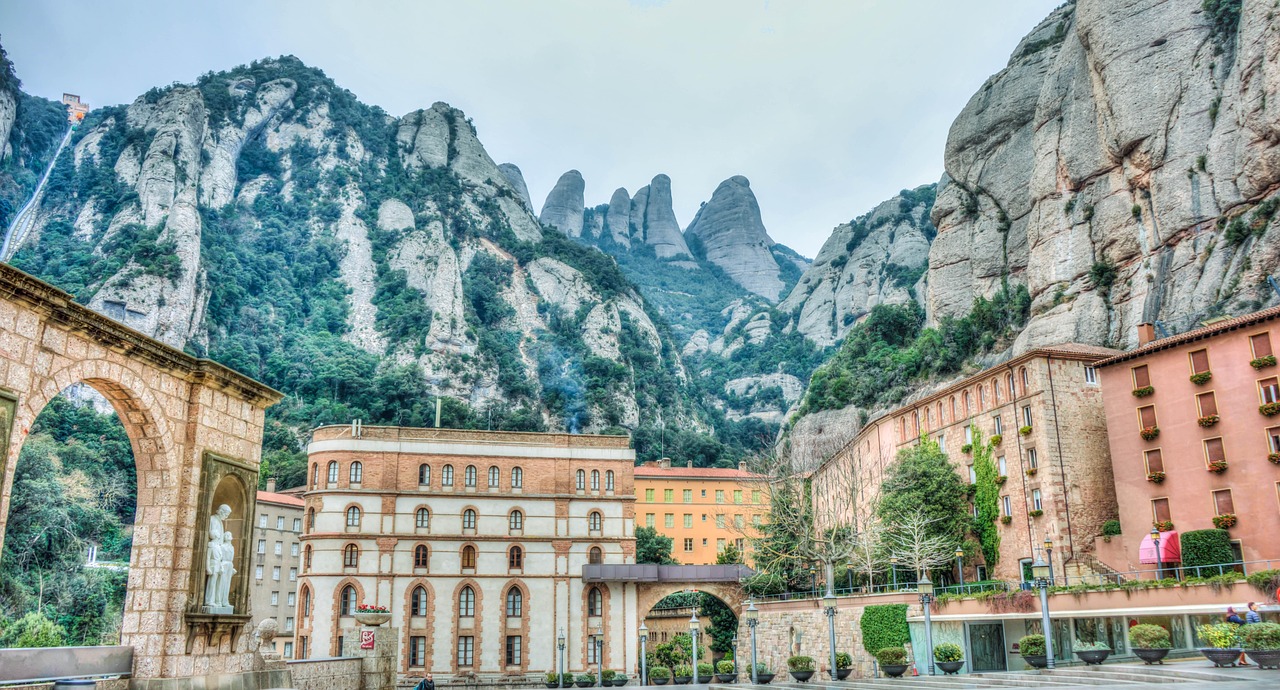
Montserrat is a jagged mountain range with a monastery perched high above the plains. I love it for hiking and for the views—on clear days, you can see all the way to the sea.
- How to get there: Train from Plaça d’Espanya to Montserrat-Aeri (cable car) or Monistrol de Montserrat (rack railway).
- What to do: Visit the monastery and basilica, hike to viewpoints like Sant Jeroni, sample mató (fresh cheese) from local stands.
Girona
Girona is a charming medieval city with preserved walls, a Jewish quarter, and colorful houses along the river. I like walking the city walls in the late afternoon, then having dinner in the old town.
- How to get there: High-speed train (~40 minutes) from Barcelona Sants.
Sitges
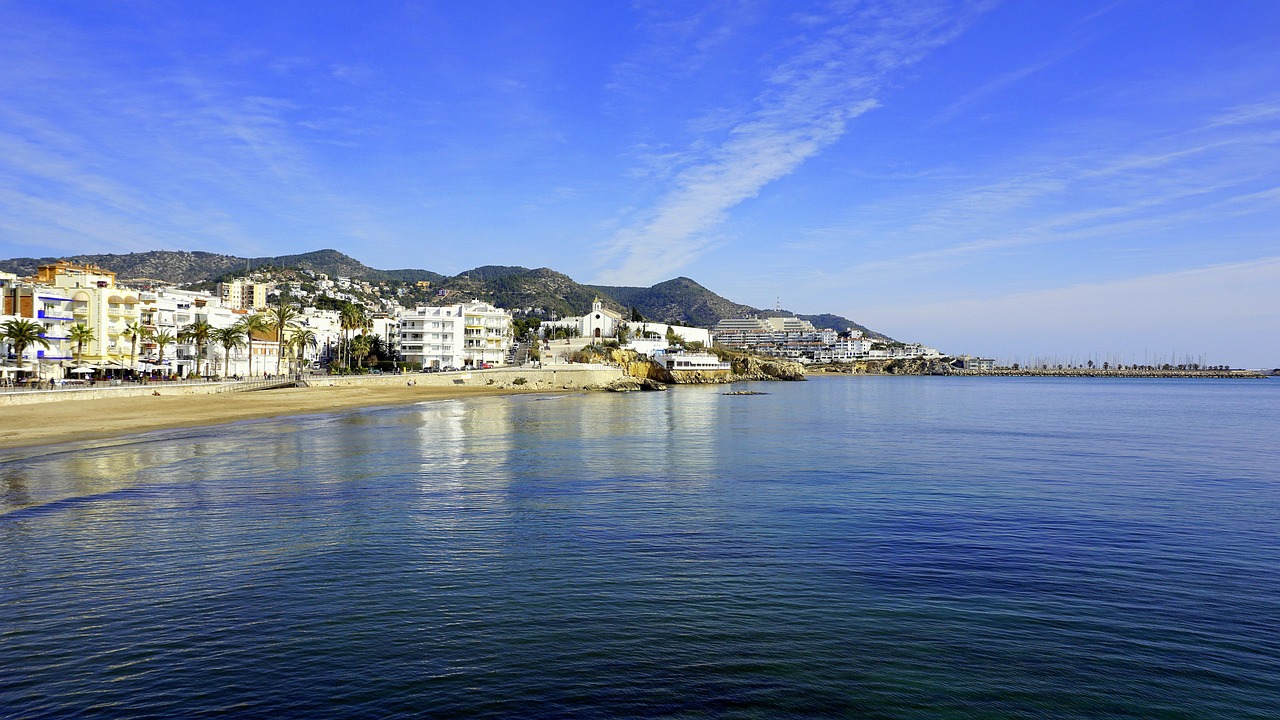
Sitges is a seaside town with sandy beaches, whitewashed houses, and a vibrant LGBTQ+ scene. It’s great for a relaxed beach day with a touch of glamour.
- How to get there: Train from Estació de França, Passeig de Gràcia, or Sants (~40 minutes).
Costa Brava
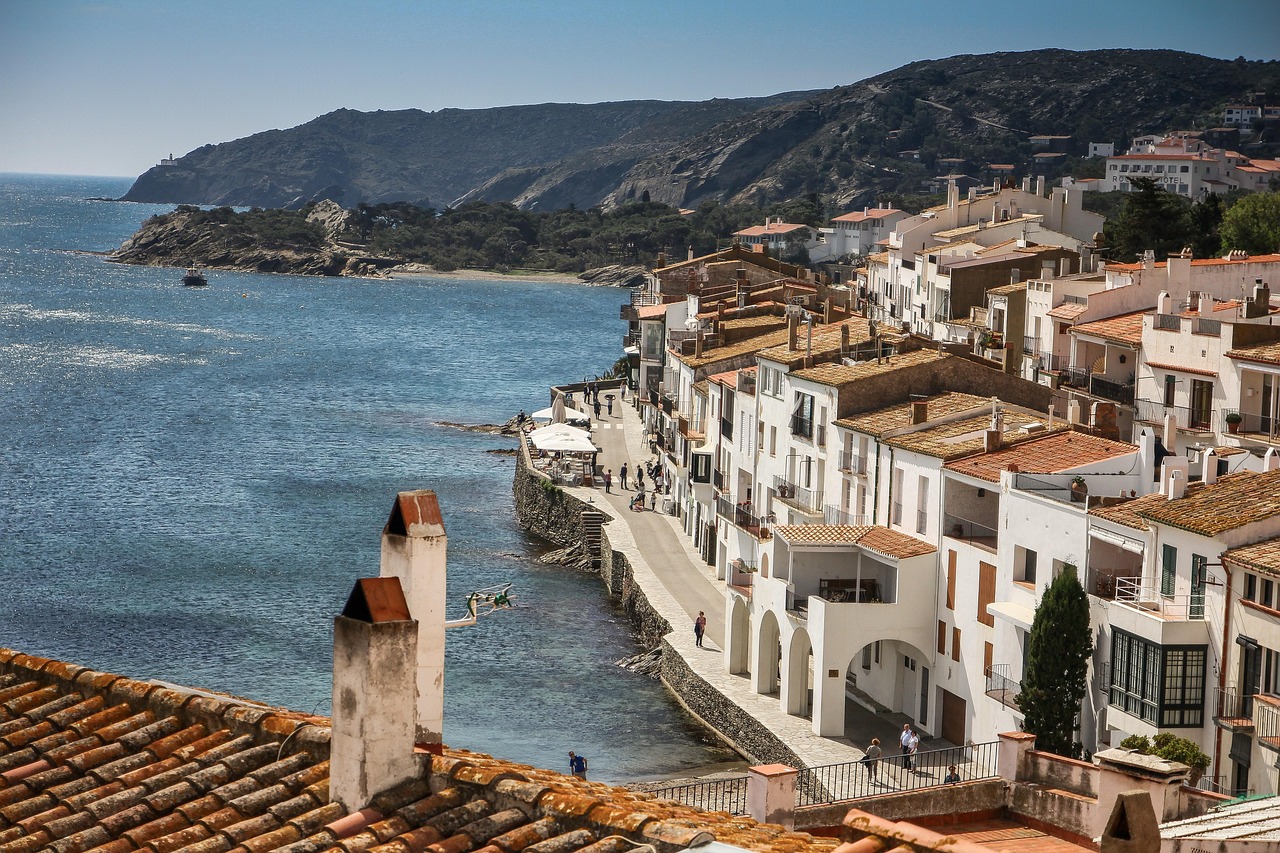
The Costa Brava north of Barcelona offers rocky coves, turquoise water, and pretty villages. It’s easiest with a rental car, but some spots are reachable by bus or train.
Cultural Etiquette & Local Customs in Barcelona
Understanding a few local customs will make your trip smoother and more respectful.
- Language: Catalan is widely spoken and a source of pride. Simple words like “bon dia” (good day) and “gràcies” (thank you) in Catalan are appreciated.
- Greetings: Friends often greet with two cheek kisses (starting on the left). With strangers, a handshake or simple “hola” is fine.
- Meal times: Lunch 13:30–15:30, dinner 21:00–23:00. Many kitchens close between lunch and dinner.
- Tipping: Not obligatory but appreciated—round up the bill or leave 5–10% for good service.
- Noise: Barcelona can be loud, but building stairwells and inner courtyards amplify sound. Keep late-night noise down in residential streets.
- Dress: Beachwear is for the beach and promenade, not for city streets, restaurants, or public transport.
- Political sensitivity: Catalan independence is a complex, sensitive topic. Listen more than you speak, and avoid sweeping statements if you’re not informed.
Practical Travel Advice for Barcelona in 2026
Getting Around
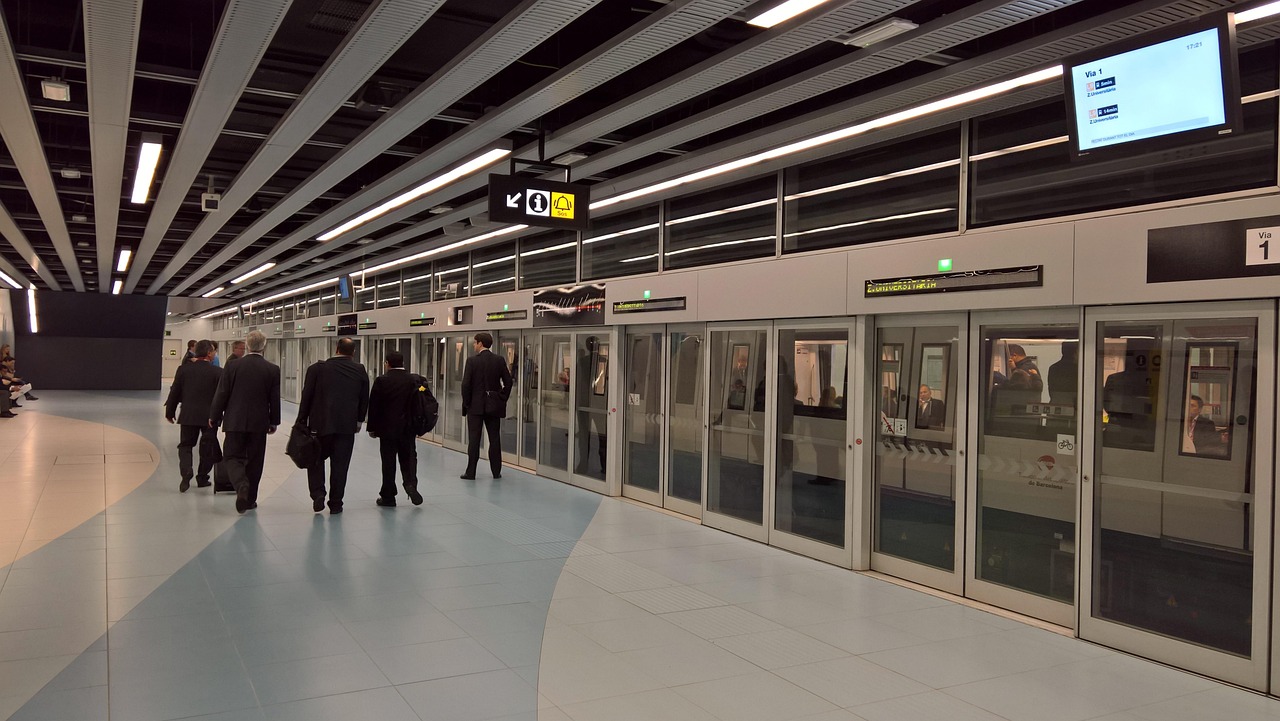
- Metro & buses: Extensive, reliable, and usually the fastest way to move around. Get a multi-day transport card if you’ll be using it a lot.
- Walking: Central Barcelona is very walkable; expect 15–30 minute walks between many major sights.
- Biking: Increasingly popular with new bike lanes; consider a guided bike tour if you’re not comfortable navigating traffic alone.
- Taxi & ride-hailing: Taxis are metered and relatively affordable. Licensed taxis are black and yellow.
- Car rental: Not recommended for city use—traffic and parking are a hassle. Rent only for day trips where public transport is inconvenient.
SIM Cards & Connectivity
- eSIMs: Many travelers use eSIMs (e.g., European data plans) for convenience.
- Physical SIM: Available at the airport or in the city from major providers (Movistar, Orange, Vodafone). You’ll need your passport.
- Wi-Fi: Common in hotels, cafés, and many public spaces.
Money & Safety
- Currency: Euro (€). Cards widely accepted, but carry some cash for small purchases.
- Pickpockets: The main safety issue, especially around La Rambla, metro, and busy tourist areas. Keep valuables secure, use a money belt or anti-theft bag, and stay aware.
- General safety: Violent crime is rare; common-sense precautions go a long way.
Visa Requirements & Driving Licenses
- Visas: Spain is in the Schengen Area. Many nationalities can enter visa-free for short stays (typically up to 90 days in 180). Check current Schengen rules and any updated entry systems for 2026 before you travel.
- Foreign driver’s license: EU licenses are valid. For non-EU visitors, an International Driving Permit plus your home license is recommended if you plan to rent a car.
How to Save Money in Barcelona
- Use menu del dia for lunch instead of always eating à la carte.
- Buy advance tickets for major attractions (Sagrada Família, Park Güell, Casa Batlló) to avoid pricier last-minute options and long lines.
- Use public transport passes instead of single tickets if you’ll ride often.
- Stay slightly outside the most central tourist zones (e.g., Gràcia, Sant Antoni, Poblenou) for better value on accommodation.
- Take advantage of free museum hours, usually one afternoon or evening per week—check each museum’s website.
Major Events & What’s New in Barcelona 2026–2027
Barcelona is always evolving. For 2026–2027, expect:
- Ongoing Sagrada Família progress: Additional towers and façades nearing completion, with new viewpoints and interpretive exhibits.
- Expanded pedestrian zones: Continued roll-out of “superilles” (superblocks) to reduce car traffic and create more green, people-focused spaces, especially in Eixample.
- Updated cultural programming: Refreshed exhibitions at MACBA, CCCB, and MNAC focusing on Mediterranean identity, climate, and digital art.
- Annual festivals: La Mercè (September), Primavera Sound and Sónar (music festivals usually between late spring and early summer), and various neighborhood festes majors throughout the year.
Best Time to Visit Barcelona
Barcelona is a year-round destination, but each season has a different feel:
- Spring (March–May): My favorite time. Mild weather, blooming parks, fewer crowds than peak summer. Perfect for a 3 or 4 day itinerary for Barcelona.
- Summer (June–August): Hot, busy, and buzzing with festivals. Ideal if you love beaches and nightlife, but book accommodation early and expect crowds at all must-see attractions in Barcelona.
- Autumn (September–November): Warm sea, slightly cooler air, and major festivals like La Mercè. Great for food, culture, and a balanced 5 day itinerary for Barcelona.
- Winter (December–February): Cooler but rarely freezing. Christmas markets, fewer tourists, and lower prices. Some beach days are still possible on sunny afternoons, though mostly for walking rather than swimming.
Summary & Final Recommendations
Barcelona is a city that rewards both first-timers and repeat visitors. In 3 days in Barcelona, you can see the greatest hits: Sagrada Família, Park Güell, the Gothic Quarter, and the beaches. With 4 days, you can add neighborhoods like Gràcia and Poblenou and dive deeper into its food scene. With 5 days in Barcelona, you can either live more like a local or venture out on a day trip to Montserrat, Girona, Sitges, or the Costa Brava.
What makes Barcelona special isn’t just its architecture or its location between mountains and sea; it’s the way people still fill plazas at night, linger over vermouth on Sundays, and reclaim their streets with festivals. If you balance must-see attractions in Barcelona with quieter neighborhood walks, local food, and a little curiosity about Catalan culture and customs, you’ll leave with a sense that you’ve experienced more than a checklist—you’ve touched the city’s rhythm.
Whenever you come—spring for blossoms, summer for the sea, autumn for festivals, or winter for quieter streets—Barcelona is ready to welcome you, one plaza, one tapa, and one golden sunset at a time.