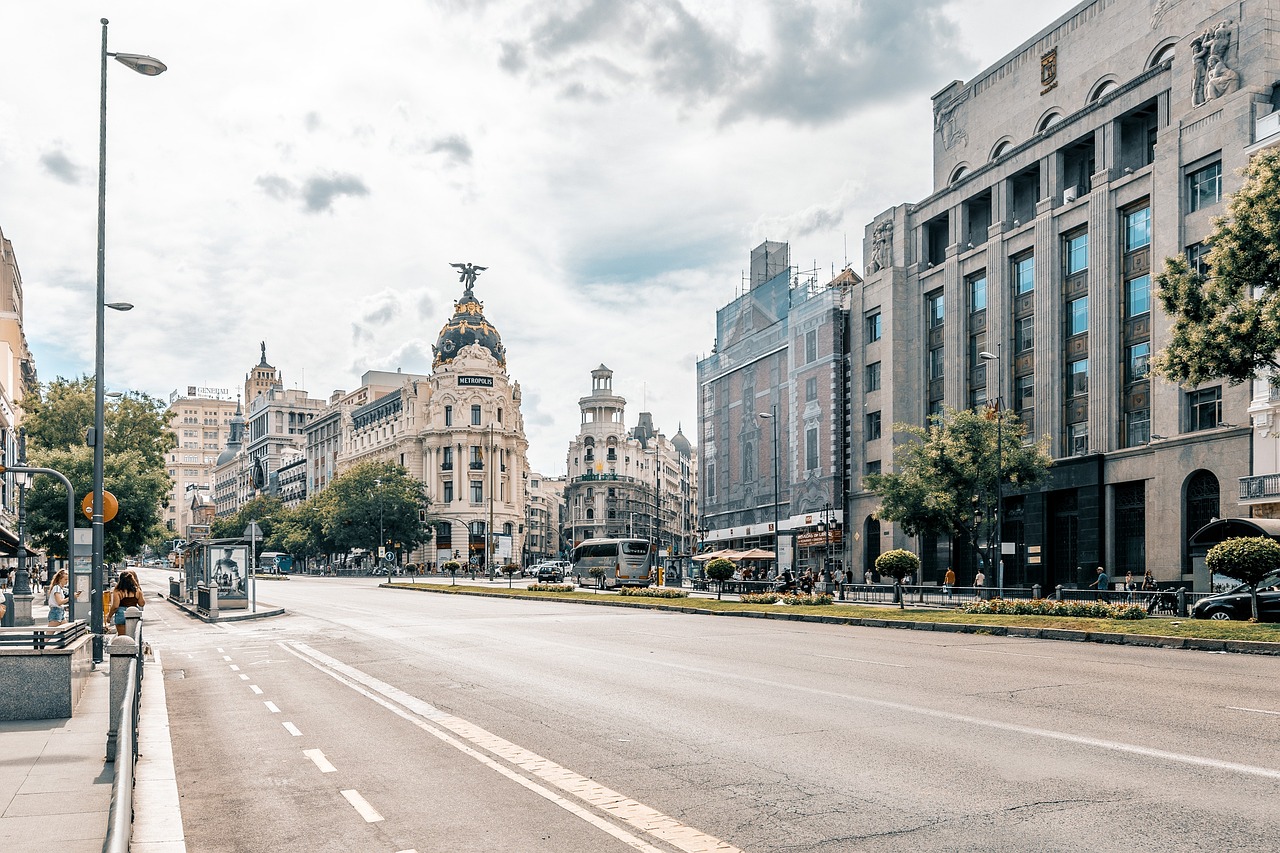
Why Visit Madrid in 2026?
Madrid is one of those cities that doesn’t try to impress you with a single monument; it seduces you slowly with long lunches, golden sunsets over terracotta rooftops, spontaneous street music, and late-night conversations at tiny bars that never seem to close. If Barcelona is Spain’s flashy seaside cousin, Madrid is the confident friend who says, “Sit down, I’ll pour the wine, we’ve got all night.”
In 2026, Madrid feels especially alive. Major renovations around Plaza de España and Gran Vía are complete, pedestrian-friendly zones are flourishing, museums are rotating blockbuster exhibitions, and the city is doubling down on open-air events, rooftop culture, and sustainable transport. Whether you have 3 days in Madrid or 5 days in Madrid, you can craft an itinerary that mixes art, food, nightlife, and lazy, people-watching afternoons.
Madrid is ideal for:
- Culture lovers – the Prado, Reina Sofía, Thyssen, plus smaller gems and live flamenco.
- Foodies – from traditional cocido madrileño to modern tapas, markets, and vermouth bars.
- Families – huge parks, interactive museums, and easy day trips.
- Couples – sunset rooftops, romantic plazas, and late dinners in candlelit taverns.
- Night owls – Madrid doesn’t really get going until 10 pm.
This travel guide for Madrid gives you a detailed 3, 4, and 5 day itinerary for Madrid, deep dives into the must-see attractions in Madrid, hidden gems in Madrid, and practical travel tips for Madrid from the perspective of someone who’s walked these streets many times.
Table of Contents
- Why Visit Madrid in 2026?
- Madrid at a Glance
- Neighborhoods & Areas to Explore
- Top 20 Must-See Attractions in Madrid (with Local Stories)
- Suggested Itineraries – 3, 4 & 5 Days in Madrid
- Best Local Food & Drink in Madrid
- Nightlife, Entertainment & Cultural Experiences
- Best Day Trips from Madrid
- Cultural Etiquette & Local Customs
- Practical Travel Advice for Madrid (2026–2027)
- Major Events & What’s New in 2026–2027
- Final Summary & Best Time to Visit Madrid
Madrid at a Glance
Madrid sits in the heart of Spain, both geographically and emotionally. It’s a high-altitude city (about 650 m above sea level), which means dry summers, crisp winters, big skies, and those famous sunsets. The historic center is walkable, the metro is efficient, and each barrio feels like its own little village.
On my first trip, I tried to “do” Madrid in 3 days and left feeling I’d only skimmed the surface. On later visits, I slowed down, spent an entire morning in one café, or a whole afternoon in just one museum. That’s when the city clicked for me: Madrid rewards both quick itineraries and long, meandering stays.
Madrid’s Neighborhoods: Where to Wander & Stay
Centro (Sol, Opera, Gran Vía)
This is the Madrid of postcards: Puerta del Sol, Plaza Mayor, Gran Vía, and the Royal Palace. It’s busy, touristy, and incredibly convenient. I like staying a 5–10 minute walk away from Sol so I’m close but not right in the chaos.
La Latina
La Latina is my personal favorite for evenings: medieval streets, tapas bars spilling onto the sidewalks, and El Rastro flea market on Sundays. It feels very “old Madrid” and is perfect if you love bar-hopping and tapas crawls.
Malasaña
Malasaña is hip, full of street art, vintage shops, and small bars. I stayed here for a week in 2024 and loved waking up to people chatting on the terraces by 10 am and still laughing at 2 am. It’s great for younger travelers and anyone who likes creative, alternative vibes.
Chueca
Chueca is Madrid’s LGBTQ+ heart, stylish and energetic, with great restaurants and cocktail bars. I often end up eating here even when I stay elsewhere. It’s central and well connected, ideal for nightlife lovers.
Salamanca
This is the upscale district: designer shopping, wide boulevards, elegant apartment buildings. I once splurged on two nights here; it felt like living in a European movie. Perfect if you want quiet streets and luxury boutiques, but still fairly central.
Lavapiés
Lavapiés is multicultural, bohemian, and a bit rough-around-the-edges in the best way. Lots of international food, small art spaces, and a strong neighborhood identity. Ideal if you enjoy diverse, lived-in neighborhoods rather than polished tourist areas.
Chamberí & Ríos Rosas
These are more residential, local-feeling districts with excellent tapas streets and calmer vibes. I like basing myself here on longer trips; you’ll be surrounded by madrileños going about their day, with easy metro links to the center.
Top 20 Must-See Attractions in Madrid (with Local Stories & Tips)
These are the best places to visit in Madrid if it’s your first or fifth time. I’ll start with the icons and move toward lesser-known hidden gems in Madrid. For each, I’ll share what it’s like, some history, and how I personally like to experience it.
1. Prado Museum (Museo del Prado)
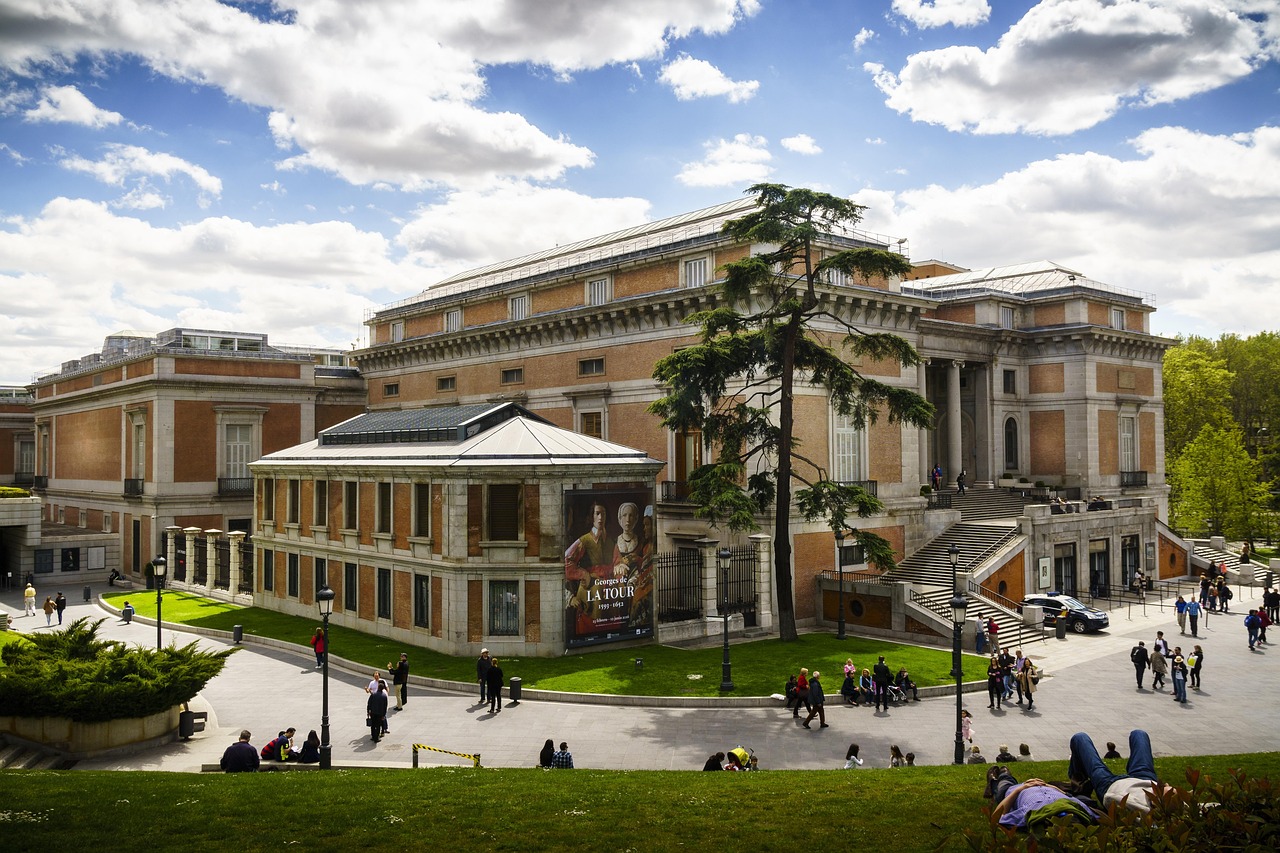
If you’re an art lover, the Prado will be your pilgrimage. If you’re not, it might just turn you into one. On my second trip to Madrid, I spent almost an entire day here, yet left feeling I’d missed half of it. The collection is that rich.
The Prado houses masterpieces by Velázquez, Goya, El Greco, Titian, and more. The star of the show is usually Las Meninas by Velázquez, surrounded by a perpetual crowd. I like to start early (doors open at 10:00) and go there first, before the tour groups arrive.
History & significance: Opened in 1819, the Prado became Spain’s royal art collection turned national museum. Many works were once scattered in royal palaces; now they’re under one roof, documenting Spain’s Golden Age and beyond.
My tip: Focus your visit. On one visit, I decided to “follow Goya” through the museum: starting with his royal portraits, then the Black Paintings. It gave the visit a narrative. Another time, I did just the Flemish and Italian rooms. Two hours with a theme beats five hours of trying to see everything.
- Best for: Culture lovers, couples, solo travelers.
- Family-friendly? Yes, but pick a short route for kids.
- Practical tip: Book timed tickets online; free entry last two hours of the day is crowded but an option for budget travelers.
2. El Retiro Park (Parque del Retiro)
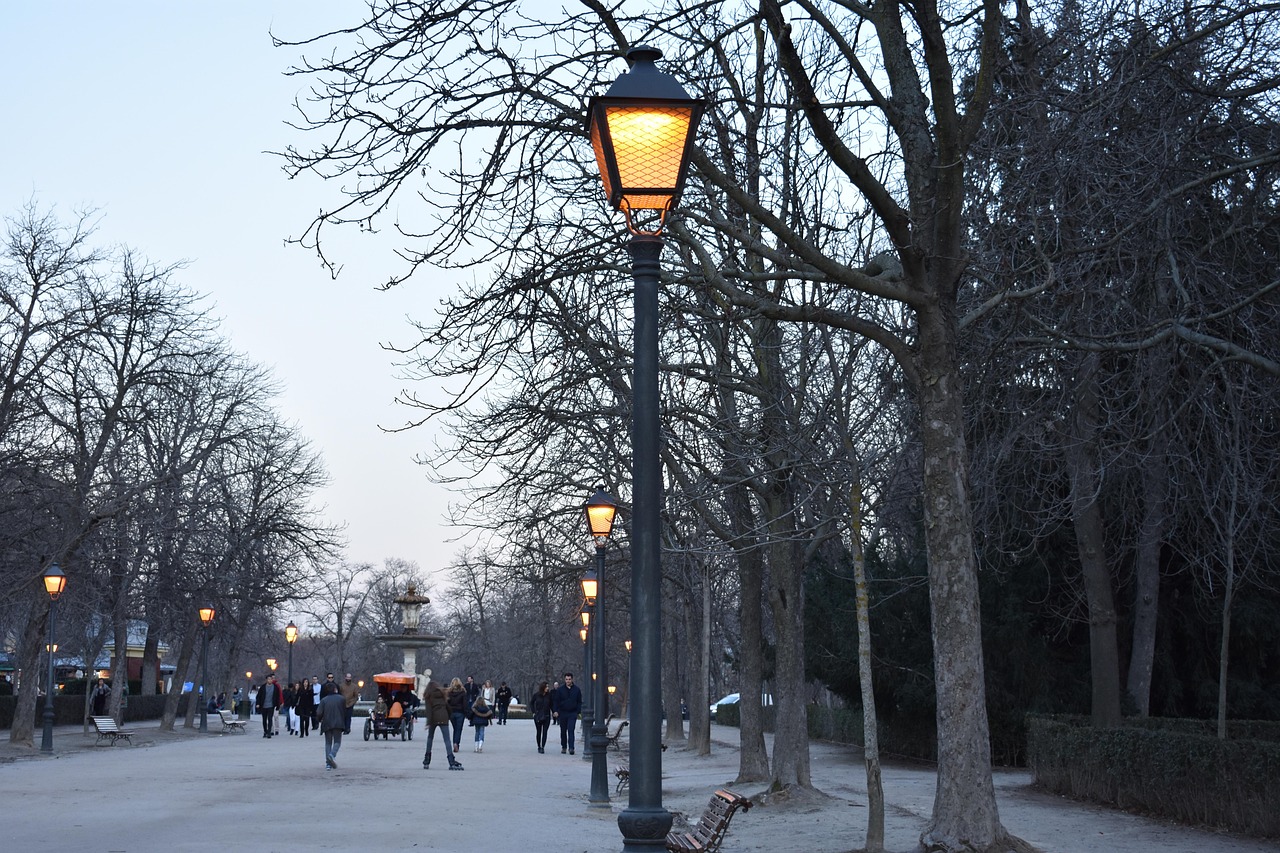
Retiro is Madrid’s green lung and my favorite place to reset after a busy morning. I have a ritual: pick up a bocadillo (sandwich) near Puerta de Alcalá, stroll into the park, and find a bench by the lake or under the big plane trees.
Highlights: the boating lake, the Crystal Palace (Palacio de Cristal) with rotating art installations, the Rose Garden in late spring, and hidden fountains and statues. Locals jog, walk dogs, and meet friends here, especially on weekends.
Family-friendly? Very. There are playgrounds, puppet shows on some weekends near the lake, and boats you can row for a small fee.
Tip: Go just before sunset on a clear day in summer, then walk out via Puerta de Alcalá to see the sky turn pink over the city.
3. Royal Palace of Madrid (Palacio Real)
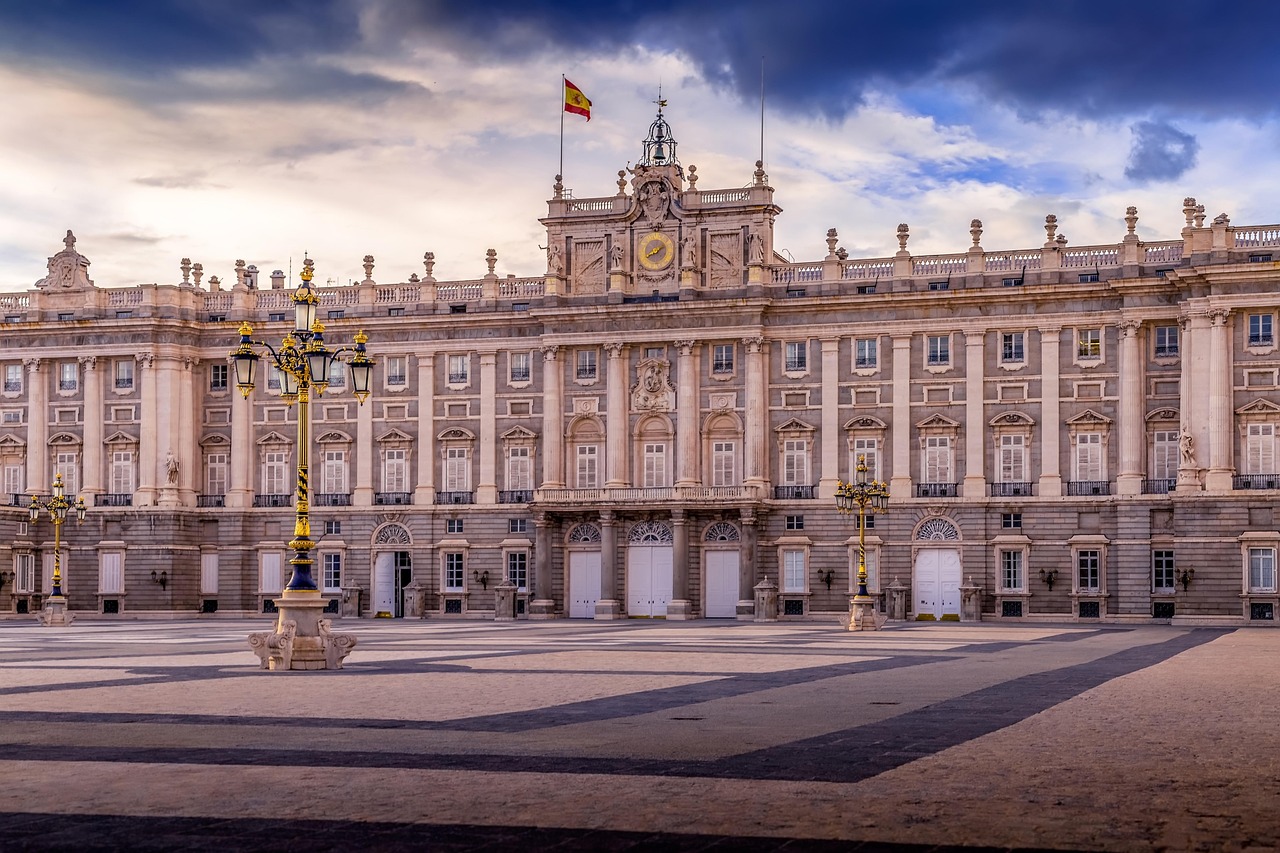
Standing in front of the Royal Palace still impresses me, no matter how many times I’ve seen it. It’s one of the largest palaces in Europe, and its location, overlooking the green valley toward Casa de Campo, makes it feel grand and slightly surreal.
History: Built in the 18th century after a fire destroyed the old Alcázar, the palace showcases Bourbon-era opulence. While the Spanish royal family now lives elsewhere, this is used for state ceremonies.
Inside, expect gilded rooms, tapestries, frescoed ceilings, and the Royal Armoury. On my last visit, I timed it to catch the changing of the guard outside — not as enormous as in some countries, but still atmospheric.
Tip: Combine the palace with Almudena Cathedral next door and then wander down into the Jardines de Sabatini for pretty, symmetrical garden views.
4. Plaza Mayor
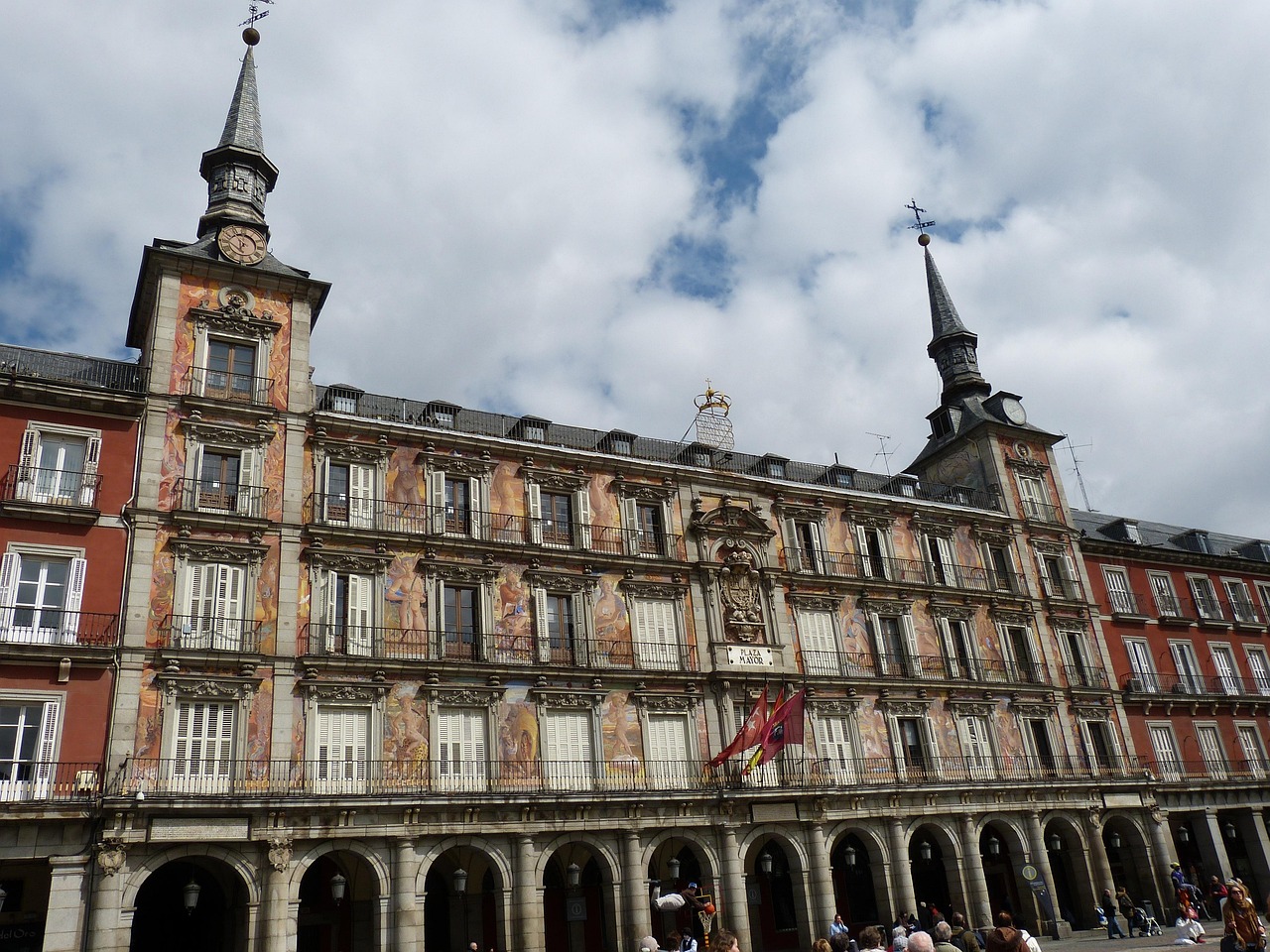
Plaza Mayor is where I like to bring first-time visitors. We enter through one of the narrow archways, and they always do the same thing: stop, look up, and whisper “wow.” The square opens suddenly, a red-brick stage framed by arcades and balconies.
It’s touristy, yes, but also historic: site of markets, bullfights, and public events in the past. These days, it’s outdoor cafés, street performers, and the occasional festival or Christmas market.
Tip: I don’t usually eat full meals here (prices are higher and quality is hit-or-miss), but I do sit for a coffee or a caña (small beer) just to soak up the atmosphere. For better food, step into the side streets around Calle Cava de San Miguel.
5. Puerta del Sol
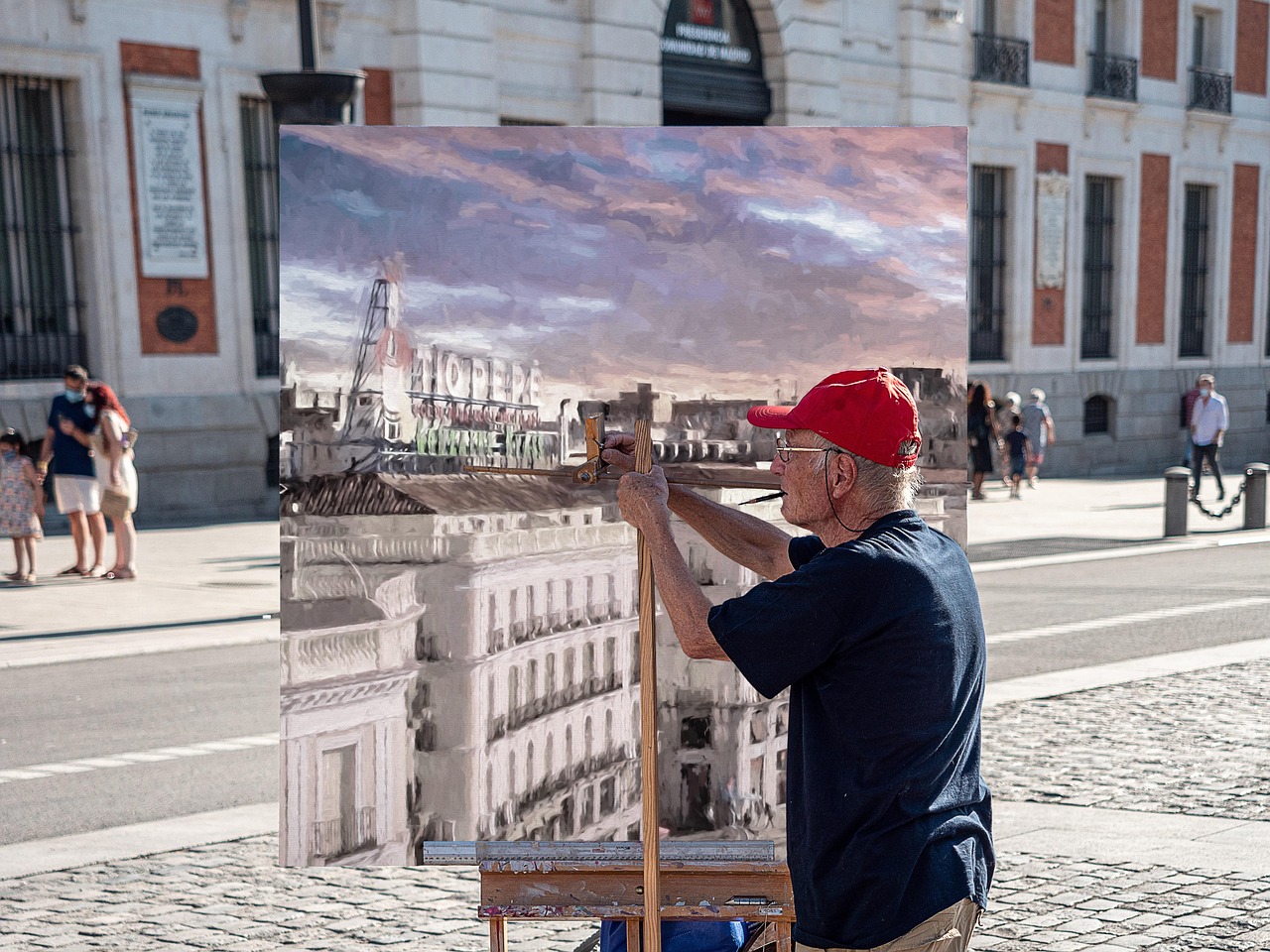
Sol is Madrid’s kilometer-zero — literally. There’s a plaque on the ground marking the starting point for Spain’s radial roads. It’s chaotic, crowded, and the heart of the city.
You’ll see the famous Bear and the Strawberry Tree statue, the Tío Pepe sign, street musicians, and people from everywhere. I use Sol as a reference point and transit hub, but I don’t linger here too long. It’s more a place you pass through a dozen times a day.
Tip: Keep an eye on your belongings here; it’s perfectly safe but popular with pickpockets. For a breather, duck into Monasterio de las Descalzas Reales nearby, a peaceful convent museum that feels like another world.
6. Gran Vía
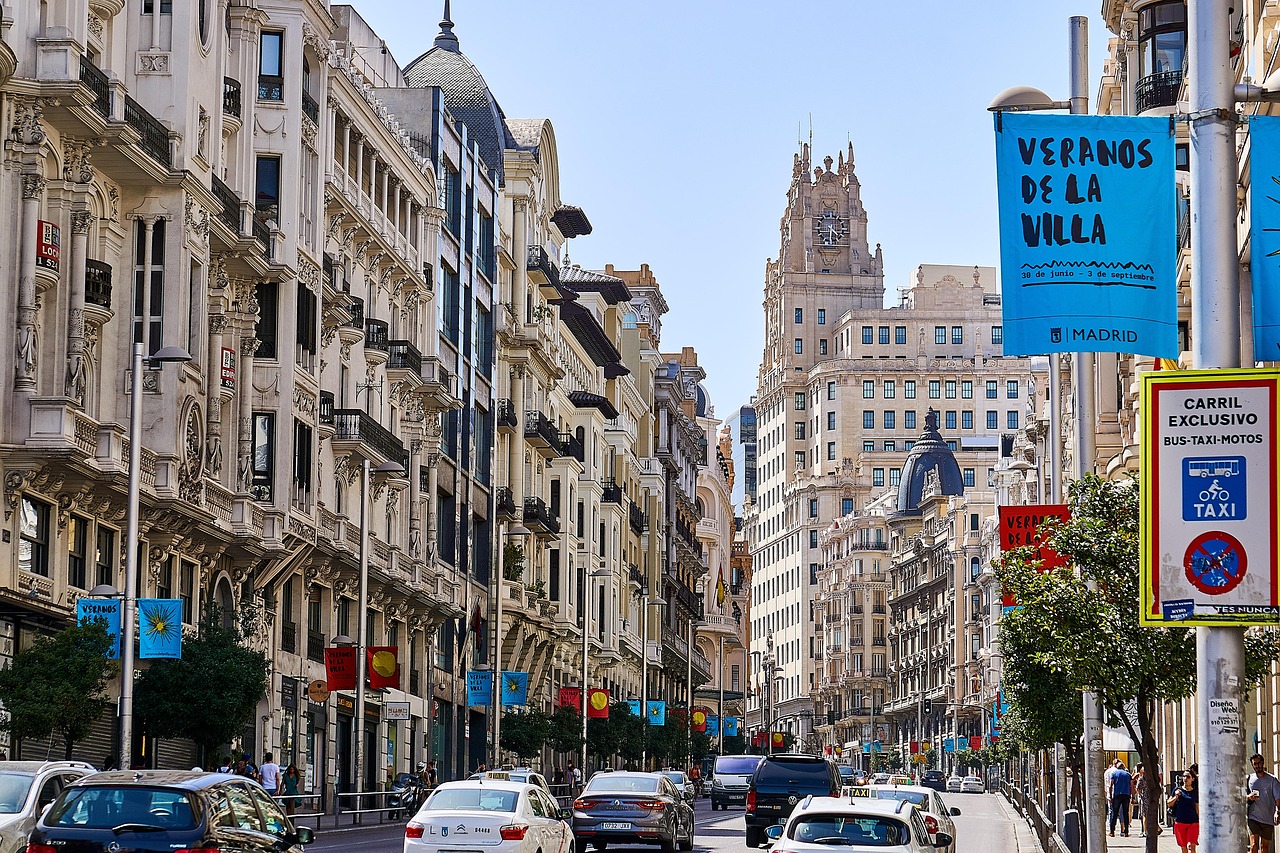
Gran Vía is Madrid’s broad, dramatic avenue lined with ornate early 20th-century buildings. Think theaters, cinemas, big-brand shops, and some of the city’s best rooftops. At night, the neon signs and lit facades make it feel like a Spanish Broadway.
I love walking Gran Vía from Plaza de España to Metropolis Building, detouring up side streets to find quieter cafés, then popping back into the flow of people.
Tip: For one of the best free city views, head to a rooftop terrace (many hotels allow non-guests, just buy a drink). I once watched a summer storm roll in from a Gran Vía rooftop — lightning flashing over the skyline — and it felt cinematic.
7. Reina Sofía Museum (Museo Reina Sofía)
If the Prado is about classical masters, the Reina Sofía is where Spain’s modern soul lives. Its most famous resident is Picasso’s Guernica, which still hits me in the chest every time I stand in front of it.
The museum also showcases works by Dalí, Miró, and many contemporary artists. The glass elevator shafts and inner courtyards give the building a light, airy feel. I like visiting in the late afternoon, then walking out into the nearby Lavapiés streets for tapas.
Tip: Spend time reading the context around Guernica. It’s not just a painting; it’s a political and emotional statement about war and suffering. No photos allowed in that room, which helps keep the focus on the work.
8. Thyssen-Bornemisza Museum
The Thyssen sits between the Prado and Reina Sofía, completing Madrid’s “Golden Triangle of Art.” It’s privately founded and feels more personal, like stepping into a wealthy collector’s very, very fancy house.
The collection covers everything from medieval art to pop art. On a rainy day in 2023, I ducked in here on a whim and ended up staying four hours, wandering from Dutch masters to impressionists to Rothko.
Tip: If you’re short on time, check the website for their recommended 1–2 hour routes. And don’t miss the temporary exhibitions; they’re often excellent.
9. Templo de Debod
An actual ancient Egyptian temple in the middle of Madrid? Yes. The Templo de Debod was gifted to Spain by Egypt in the 1960s and rebuilt stone by stone in a park near Plaza de España.
I come here for sunsets. The temple reflects in the pools, and you get one of the best skyline views over the west of the city. On summer evenings, people sit on the grass, couples share picnics, and street musicians play softly.
Tip: Arrive 30–45 minutes before sunset for a good spot and watch the sky shift from gold to indigo. It’s one of the most romantic free experiences in Madrid.
10. Plaza de España
Recently renovated, Plaza de España has gone from traffic-choked to pedestrian-friendly. Now it’s a spacious square with lawns, play areas, and a big monument to Cervantes, with statues of Don Quixote and Sancho Panza.
It’s a great junction: from here you can walk to Templo de Debod, up Gran Vía, or toward the Royal Palace. I like grabbing an ice cream and people-watching here; you get a mix of office workers, families, and tourists.
11. La Latina & El Rastro
La Latina is where Madrid goes to snack and socialize. Narrow streets like Cava Baja and Cava Alta are lined with tapas bars. On Sunday afternoons, the whole barrio feels like a street party.
El Rastro, Madrid’s famous flea market, runs on Sunday mornings. On my last visit, I spent hours browsing vintage clothes, odd antiques, and random knick-knacks I didn’t need but loved. Afterward, I rewarded myself with tortilla and vermouth at a packed bar.
Tip: Go to El Rastro early (10:00–11:00) before it gets too crowded, and then retreat up into La Latina for food and drinks. Watch your bag; it’s bustling.
12. Lavapiés
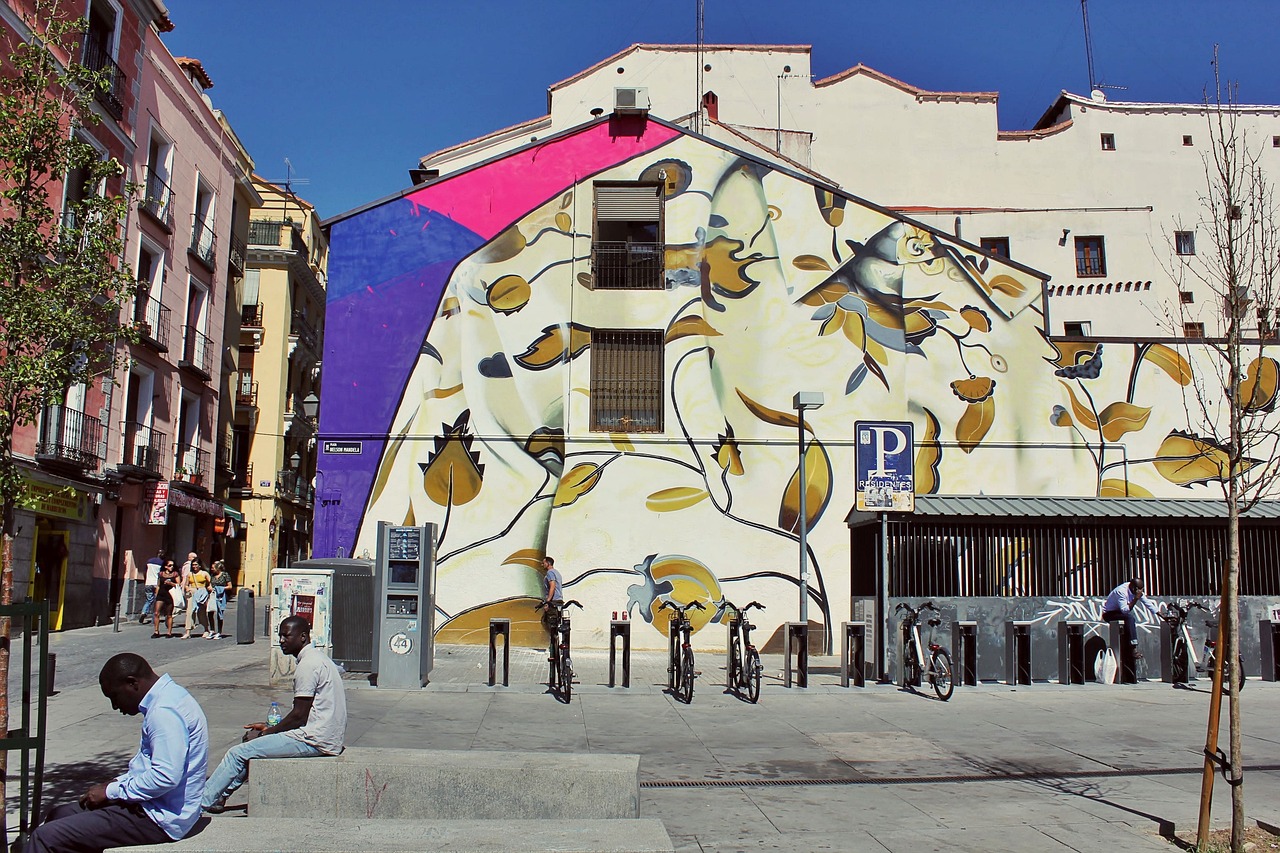
Lavapiés is one of Madrid’s most characterful neighborhoods. It’s historically working-class and now very multicultural, home to immigrants from across Africa, Asia, and Latin America. The result: an incredible food scene and a strong community vibe.
I like wandering its sloping streets, finding street art, and ducking into tiny bars where locals greet the staff by name. It’s also home to cultural spaces like La Tabacalera (a former tobacco factory turned art center) and close to the Reina Sofía.
Tip: Come hungry. Try Senegalese, Indian, or Moroccan food here for a change from tapas.
13. Malasaña
Malasaña is youthful, creative, and slightly rebellious in spirit. It was at the heart of Madrid’s “Movida” counterculture in the 1980s, and that energy lingers in its record shops, graffiti, and bars.
I once stayed just off Plaza del Dos de Mayo for a week and felt like I’d joined a little village. Mornings were calm, with a few people sipping coffee outside; nights were lively but friendly, with groups chatting until late.
Tip: Great area for nightlife that’s more local than touristy. Also good for vintage clothing and indie boutiques.
14. Chueca
Chueca is stylish and inclusive, known for its LGBTQ+ scene. Rainbow flags, chic cafés, pop-up galleries, and busy squares give it a vibrant energy. During Pride (Orgullo), it’s one of the best places on earth to be.
Even outside of Pride, I like coming here for dinner — lots of modern, creative restaurants and bars. The terraces around the main square are my go-to for late afternoon drinks.
15. Salamanca District
Salamanca is where you go to see polished Madrid: wide streets, designer shops, and elegant façades. It’s home to the “Golden Mile” of shopping along Calle Serrano.
On one visit, I spent a morning simply window-shopping and admiring the architecture, then had a long, leisurely lunch at a neighborhood restaurant packed with well-dressed locals. It’s a different side of the city, quieter but very sophisticated.
Tip: Combine Salamanca with a walk through El Retiro, which borders the district.
16. Mercado de San Miguel
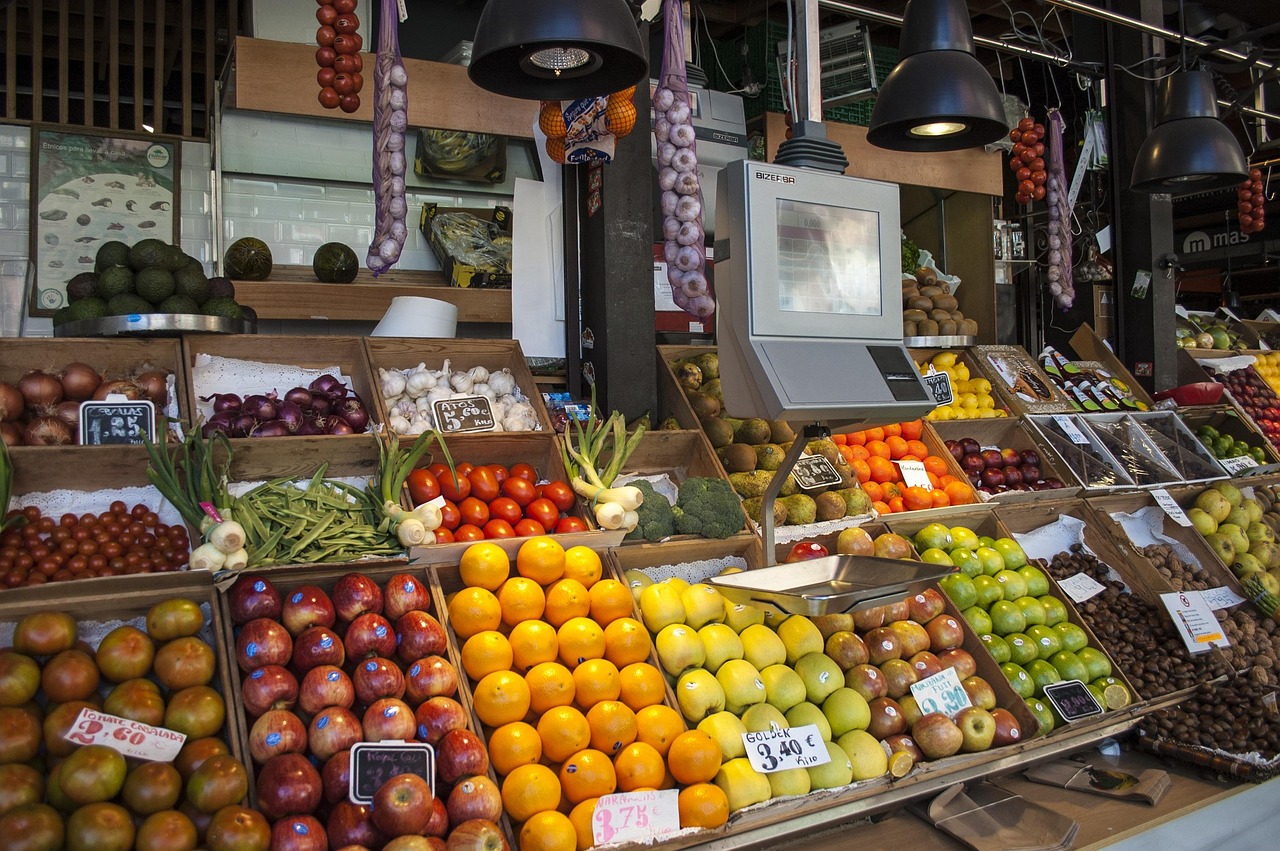
Just off Plaza Mayor, Mercado de San Miguel is a beautifully restored iron-and-glass market that’s become a temple to gourmet tapas. It’s busy, yes, but I still enjoy a spin through it on each trip.
You’ll find stalls serving everything: oysters, croquettes, pintxos, Iberian ham, vermouth on tap, pastries. I like to do a mini tapas crawl inside: a small bite here, a glass of wine there, moving from stall to stall.
Tip: Go just after opening or late at night for fewer crowds. Prices are higher than in neighborhood bars; think of it as a fun treat rather than everyday dining.
17. Almudena Cathedral (Catedral de la Almudena)
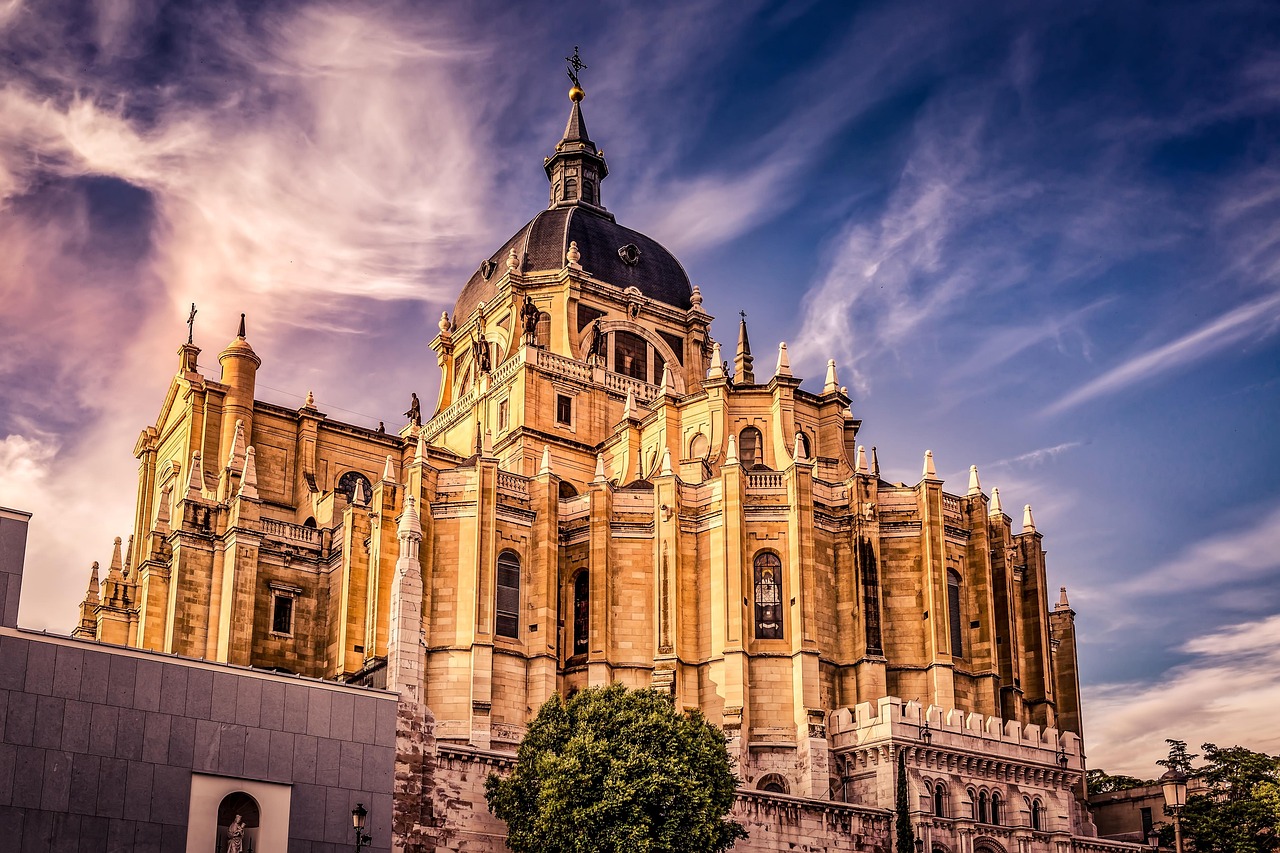
Facing the Royal Palace, Almudena Cathedral is more modern than many famous European cathedrals (it was only consecrated in 1993), but its interior is surprisingly colorful, with contemporary stained glass and a bright, airy nave.
I like to climb to the dome (small fee) for panoramic views over the palace and west Madrid. On one quiet weekday morning, I had the upper terrace almost to myself, listening to the city hum below.
18. Plaza de Cibeles & City Hall Viewpoint
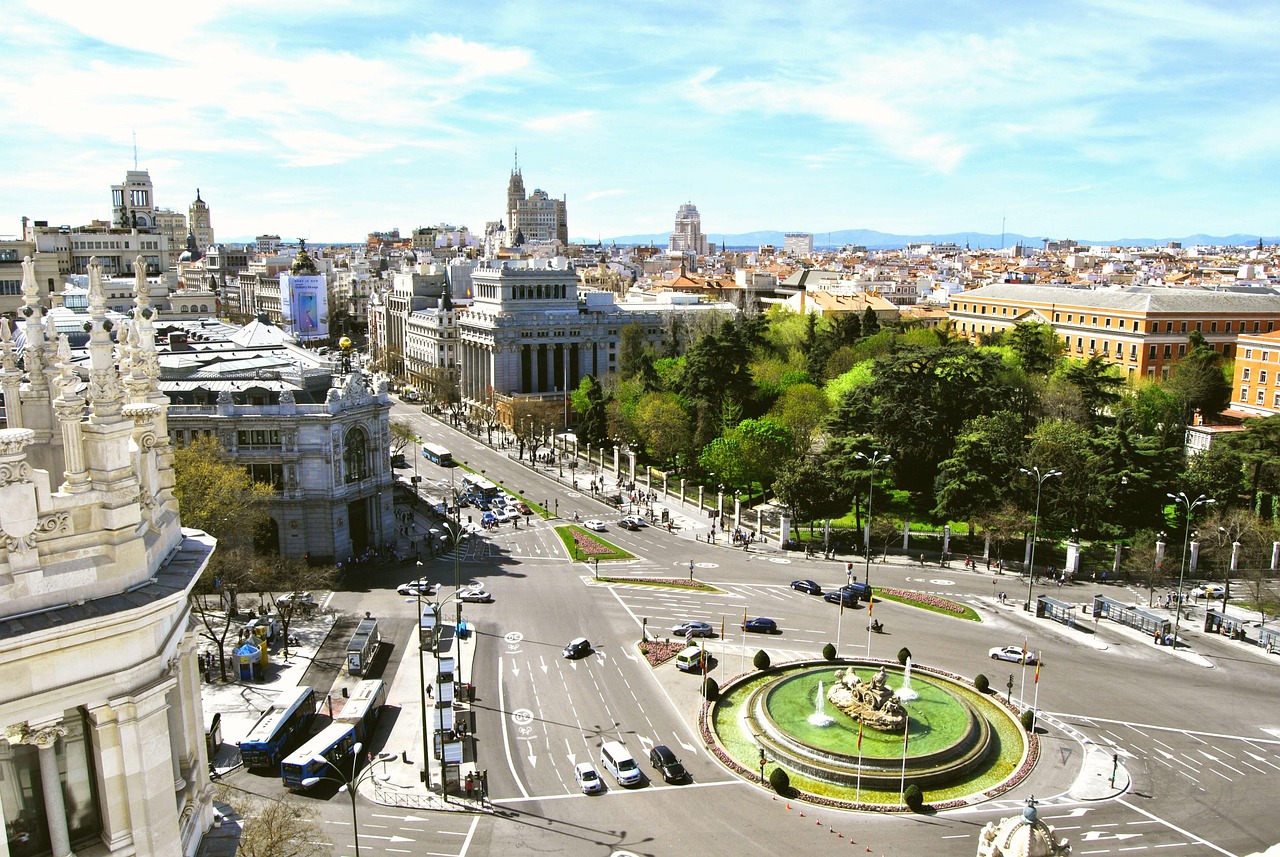
Plaza de Cibeles is one of Madrid’s most photogenic intersections: an ornate fountain, grand buildings, and the white, wedding-cake-like City Hall (Palacio de Cibeles). Real Madrid fans gather here to celebrate big victories.
Inside City Hall, there’s a rooftop viewpoint with one of the best skyline panoramas. I love standing up there, tracing Gran Vía with my eyes and spotting distant towers on the horizon.
Tip: Reserve a time slot for the viewpoint if you can; walk-ins are sometimes available, but it’s popular.
19. Santiago Bernabéu Stadium
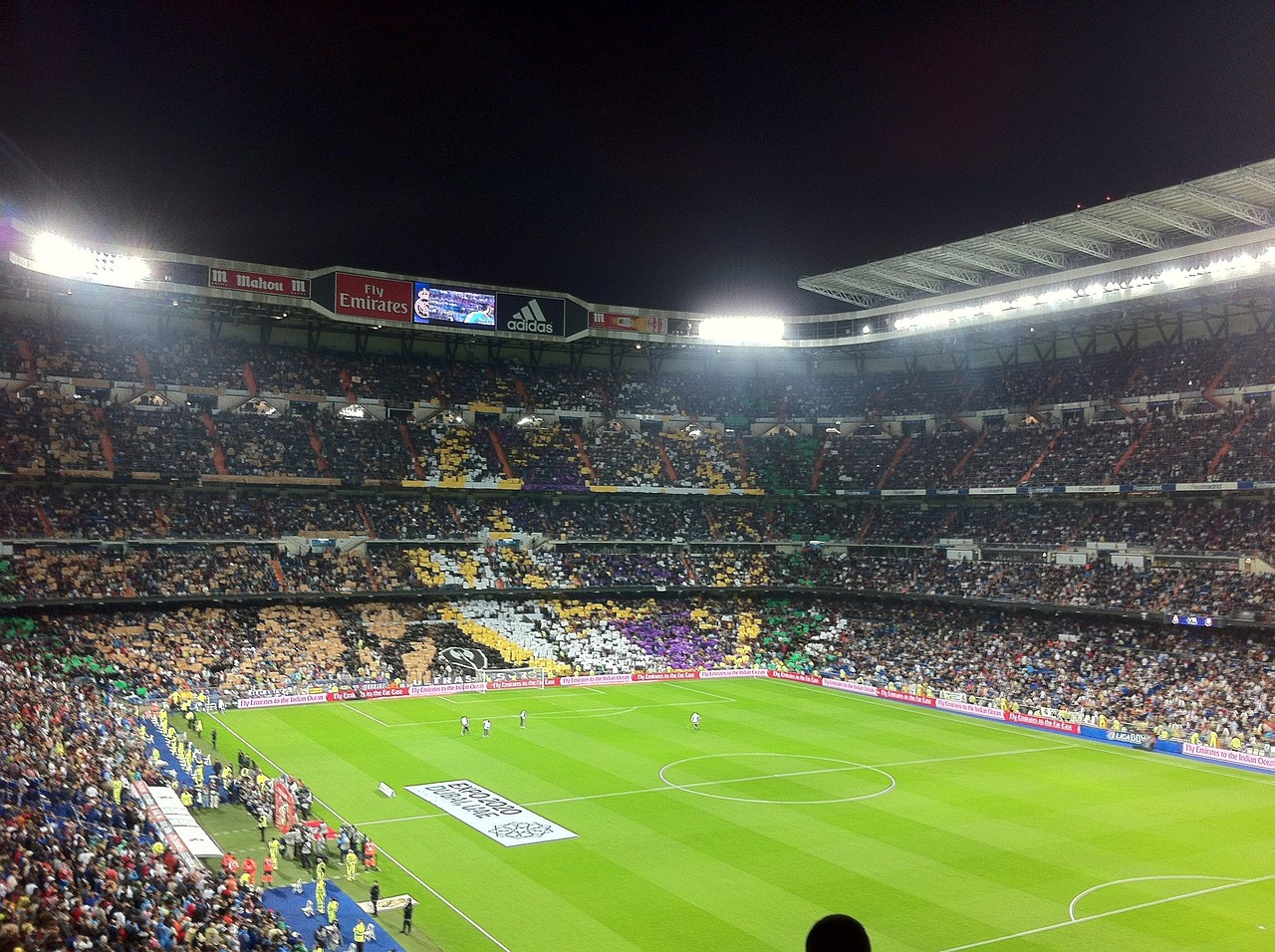
Whether or not you’re a football fan, the Bernabéu is a huge part of modern Madrid’s identity. Real Madrid’s home stadium has been undergoing modernization, and by 2026 it’s a sleek, multi-purpose arena.
I’m not a hardcore fan, but I still enjoyed the stadium tour: walking through the trophy room (it’s huge), sitting in the stands, and peeking into the player areas. Attending a live match here is electric — the singing, the chanting, the sea of white scarves.
Tip: If you want to catch a match, book early and consider weekday evening games, which may be cheaper and easier to get.
20. Atocha Station & Tropical Garden

Atocha is Madrid’s main train station and your gateway for day trips, but it’s also an attraction in itself. Inside the old station building, there’s a lush tropical garden under iron and glass.
On my first solo trip to Madrid, I arrived at Atocha on a rainy afternoon, slightly overwhelmed. I wandered into the garden, sat by the pond, watched the turtles, and instantly felt calmer. It’s a strange little oasis in a transport hub.
Tip: Combine Atocha with the nearby art museums (Prado, Reina Sofía, Thyssen) — they’re all within walking distance.
Suggested Itineraries: 3, 4 & 5 Days in Madrid
Here’s how I’d structure 3 days in Madrid, and how to expand that into 4 days in Madrid or 5 days in Madrid. Each day is a blend of famous sights, neighborhood wandering, and local food. I’ll keep this concise but practical so you can adapt it easily.
3 Day Itinerary for Madrid – Classic Highlights
Day 1: Royal Madrid & the Historic Center
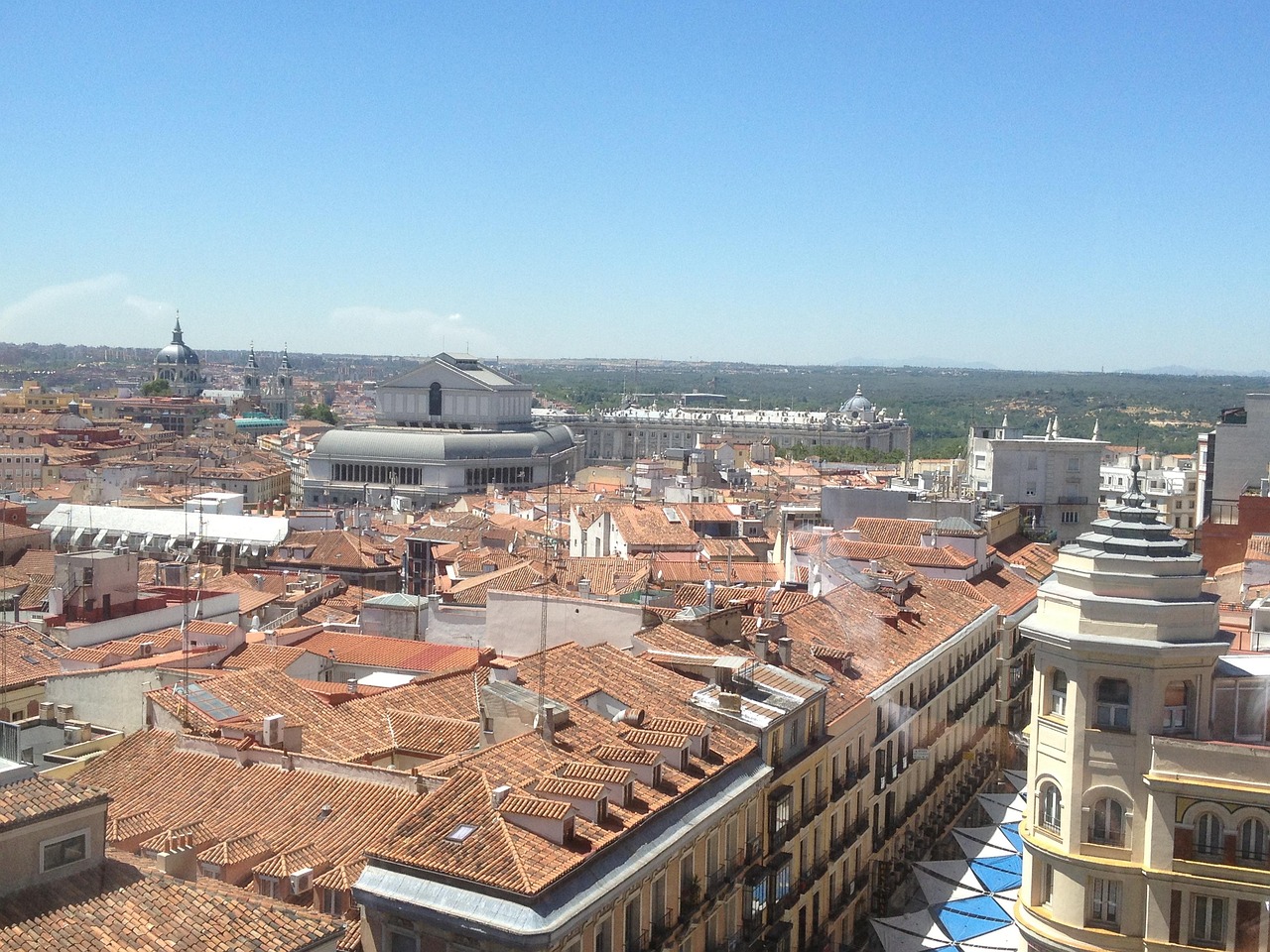
Morning: Start at Puerta del Sol, walk to Plaza Mayor (coffee under the arcades), then head to the Royal Palace and Almudena Cathedral. Tour the palace interior, then stroll through the Sabatini Gardens.
Lunch: Try a traditional menú del día in La Latina — a fixed-price lunch is one of the best ways to taste local food in Madrid without overspending.
Afternoon: Explore La Latina’s narrow streets. If it’s a Sunday, weave through El Rastro. Otherwise, do a tapas crawl along Cava Baja.
Evening: Walk up to Templo de Debod for sunset, then dinner near Plaza de España or back in La Latina. Families can call it a night early; couples might continue with a drink in Malasaña.
Day 2: The Golden Triangle of Art & Retiro
Morning: Visit the Prado Museum. Aim for 2–3 focused hours. On one of my trips, I booked a short guided tour to get the highlights, then wandered on my own.
Lunch: Picnic in Retiro Park or eat at a nearby café. Then spend a lazy afternoon strolling Retiro: lake, Crystal Palace, rose garden.
Afternoon (optional add): If you have energy, visit the Reina Sofía to see Guernica. Otherwise, have a coffee in Barrio de las Letras and read the quotes from Spanish writers embedded in the streets.
Evening: Dinner in Chueca or Malasaña, followed by a drink on a rooftop overlooking Gran Vía. For a cultural experience, book a quality flamenco show (more on that later).
Day 3: Neighborhoods & Markets
Morning: Wander Malasaña and Chueca. Coffee in a local café, browse boutiques and vintage shops, pop into small squares.
Lunch: Head toward Mercado de San Miguel for a tapas-style lunch or try a more local market like Mercado de Antón Martín.
Afternoon: Walk down Gran Vía to Plaza de Cibeles and Puerta de Alcalá, then cross into Retiro again if you want more park time. Alternatively, visit the Thyssen Museum.
Evening: Final night: choose your favorite barrio for dinner. I often end up back in La Latina or Lavapiés for relaxed, affordable meals and a last stroll under the streetlights.
4 Day Itinerary for Madrid – Adding Local Flavor
Follow the 3-day itinerary above, and add:
Day 4: Bernabéu, Salamanca & Alternative Culture
Morning: Take the metro to Santiago Bernabéu. Do the stadium tour or, if there’s a daytime match, experience the game.
Lunch: Explore the Salamanca district. Have lunch at a neighborhood restaurant, then wander Calle Serrano and adjacent streets.
Afternoon: Head back toward the center via Chamberí. If you like quirky museums, check out the old Chamberí ghost station (Andén 0) — a decommissioned metro station frozen in time.
Evening: Dinner in Lavapiés, sampling its international food scene. This gives you a refreshing contrast to traditional Spanish fare.
5 Day Itinerary for Madrid – Including a Day Trip
For 5 days in Madrid, follow the 4-day itinerary and add:
Day 5: Day Trip to Toledo or Segovia
Use Madrid as a base to explore nearby gems:
- Toledo: Medieval hilltop city with narrow lanes, synagogues, churches, and incredible views. About 30–35 minutes by high-speed train from Atocha.
- Segovia: Famous for its Roman aqueduct, fairytale Alcázar castle, and roast suckling pig. Around 30 minutes by fast train from Chamartín.
On my first 5-day stay, I chose Toledo and spent the day getting lost in its alleys, then watching sunset from across the river. The second time, I did Segovia and ate cochinillo (roast suckling pig) in a stone-walled restaurant under the aqueduct.
Tip: Book your train early in high season and aim to leave Madrid by 9:00–10:00 am to maximize daylight.
Best Local Food & Drink in Madrid
One of the reasons I keep returning is the food. Madrid’s cuisine is hearty, social, and surprisingly affordable if you eat where locals eat. Some essentials:
Must-Try Dishes
- Tortilla de patatas: Thick potato omelet, best when slightly runny inside. I still dream of one I had in a hole-in-the-wall bar in La Latina.
- Bocadillo de calamares: Fried squid sandwich, especially around Plaza Mayor. Go for a simple, crowded bar over a fancy place.
- Cocido madrileño: A chickpea-based stew served in courses — perfect for winter. Make a long lunch out of it.
- Huevos rotos: Fried potatoes topped with eggs and usually ham or chorizo.
- Callos a la madrileña: Traditional tripe stew — for adventurous eaters.
- Churros con chocolate: Fried dough sticks with thick hot chocolate. Ideal late-night snack or indulgent breakfast.
What to Drink
- Caña: Small glass of draft beer, ordered frequently and fresh.
- Vermú (vermouth): Often on tap, slightly sweet, served with ice and an olive. A very madrileño pre-lunch ritual.
- Tinto de verano: Red wine mixed with soda — light and refreshing in summer.
- Local wines: Try wines from nearby regions like Ribera del Duero and Rioja; they’re widely available by the glass.
Markets & Local Spots
Beyond Mercado de San Miguel, check out:
- Mercado de San Antón (Chueca): Modern market with food stalls and a rooftop terrace.
- Mercado de Antón Martín (near Lavapiés): More local, with great small eateries inside.
- Mercado de la Cebada (La Latina): Traditional, less polished, more authentic daily life.
Money-Saving Food Tips
- Menú del día: Lunchtime set menus (weekday) are an excellent value — usually 2–3 courses, bread, and a drink.
- Free tapas: Some bars still give a small free tapa with your drink, especially outside the tourist core.
- Eat main meal at lunch: Lunch is traditionally the big meal; you can save money by having a hearty menú del día and a lighter dinner.
Nightlife, Entertainment & Cultural Experiences
Madrid’s nightlife is legendary. The city eats late, drinks late, and goes out very late. The first time I tried to “go out like a local,” I showed up at a bar at 9:30 pm and wondered why it was empty. By midnight, the same bar was packed.
Nightlife Areas
- La Latina: Tapas and wine, especially on weekends.
- Malasaña: Cool bars, alternative music, younger crowd.
- Chueca: LGBTQ+ friendly, stylish cocktail bars, clubs.
- Huertas / Barrio de las Letras: Bars and some tourist-focused clubs, live music.
Flamenco
Madrid is one of the best places to see flamenco — intense, emotional, and very alive. I recommend choosing a smaller, respected tablao over tourist traps. Look for venues that host top dancers and musicians and cap the audience size.
Tip: Book in advance, especially on weekends. Many shows offer a drink-only ticket or a dinner+show combo; I prefer to eat elsewhere and just do the show with a drink so I can focus on the performance.
Rooftop Bars & Views
For romantic nights, rooftop bars along Gran Vía or near Plaza de Cibeles are ideal. Expect to pay a bit more per drink, but you’re getting a view thrown in. I like going just before sunset and watching the sky fade behind the towers.
Cultural Experiences
- Theater & Musicals: Gran Vía’s theaters often host big musical productions.
- Live Music & Jazz: Look for small venues in Malasaña or Huertas with live bands.
- Football: A Real Madrid or Atlético de Madrid match is a cultural experience as much as a sporting one.
Best Day Trips from Madrid
Madrid makes an excellent base for exploring central Spain. Here are a few favorites:
Toledo
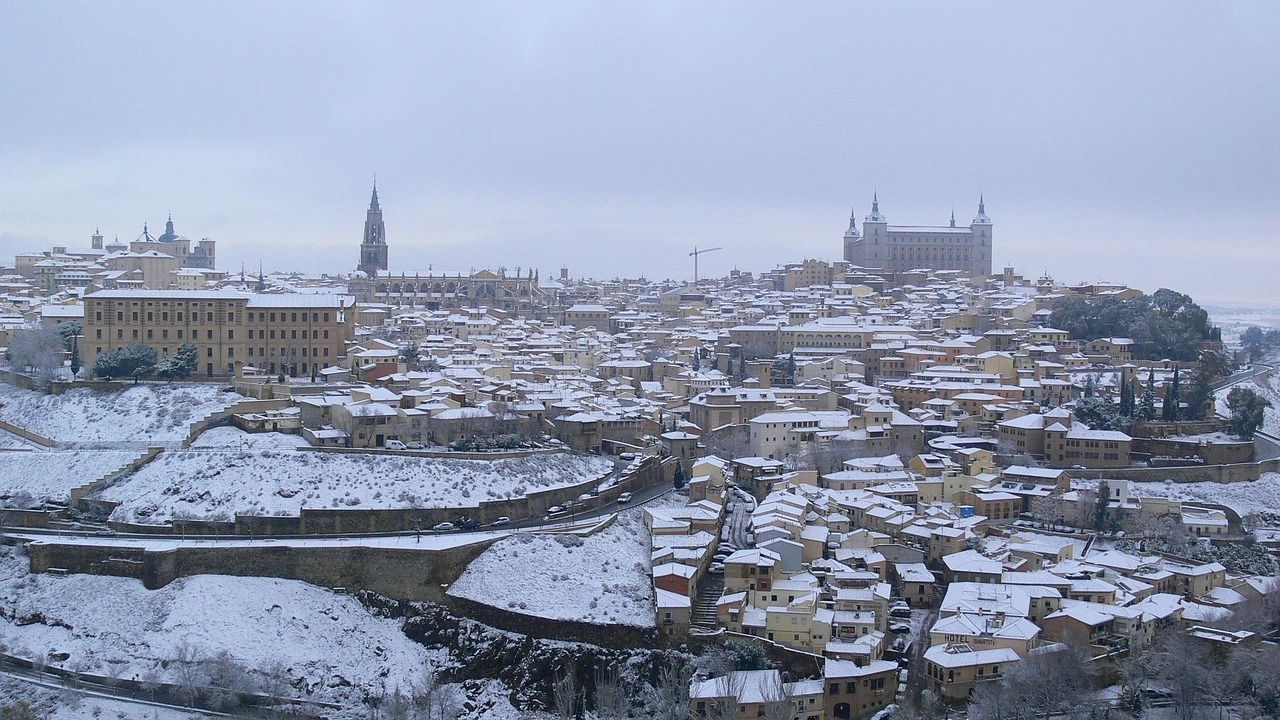
Toledo sits on a hill above a looping river, its skyline bristling with towers. It was once known as the “City of Three Cultures” (Christian, Jewish, Muslim), and you can see traces of all three in its architecture.
Getting there: 30–35 minutes by AVE train from Atocha. From the station, walk or take a bus/taxi up into the old town.
Segovia
Segovia’s Roman aqueduct alone is worth the trip. Add in the fairy-tale Alcázar castle and a charming old town, and you have a perfect day out.
Getting there: About 30 minutes by fast train from Chamartín-Clara Campoamor station, then a bus/taxi into the center.
Ávila
Ávila is famous for its intact medieval walls. You can actually walk along sections of them, looking out over the countryside. It’s quieter than Toledo or Segovia and feels wonderfully time-warped.
El Escorial
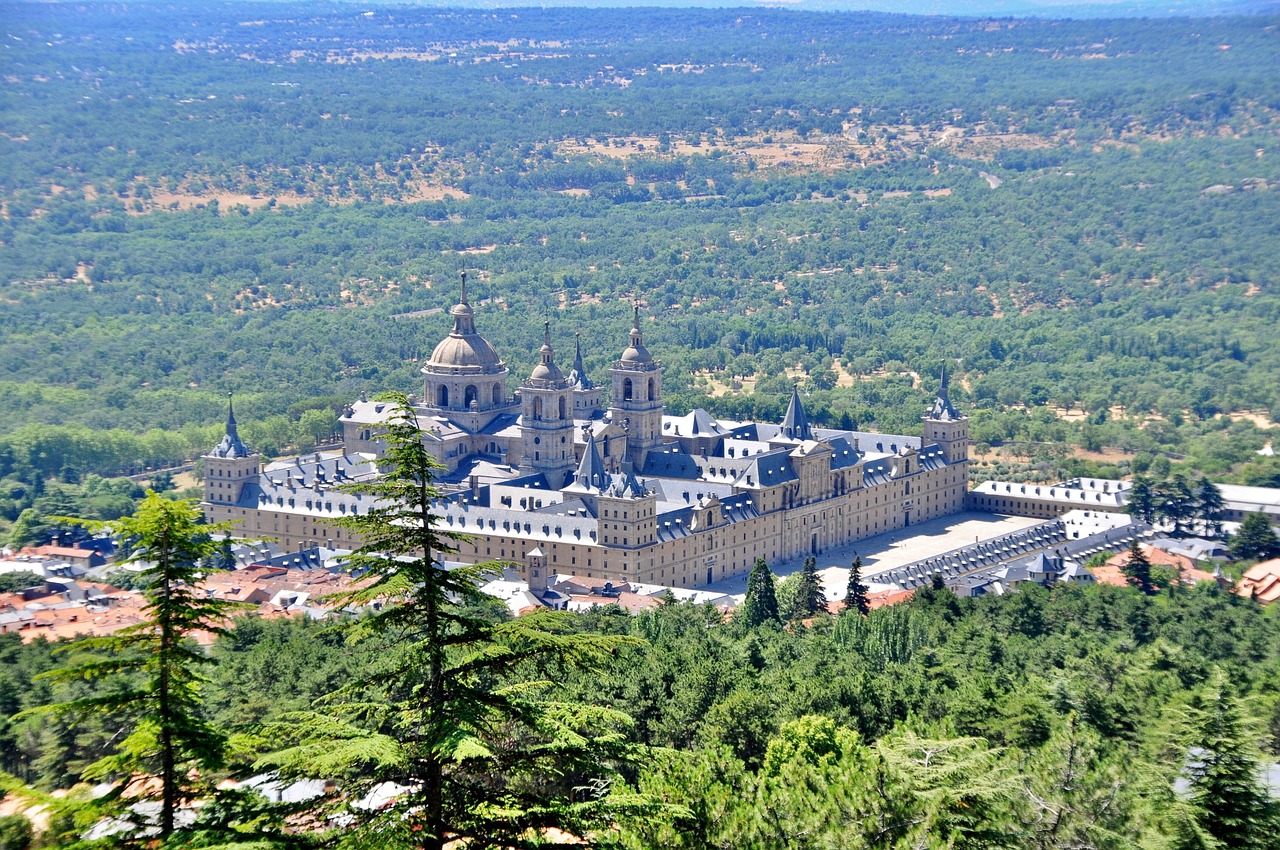
Monastery, palace, and royal pantheon all in one, El Escorial is impressive and slightly austere. It makes a good half-day trip if you’re into history and architecture.
Cultural Etiquette & Local Customs in Madrid
Madrileños are generally relaxed and welcoming, but a few customs will help you blend in and show respect.
Eating & Drinking
- Meal times: Lunch is usually 2–4 pm, dinner 9–11 pm (or later). Restaurants may feel empty at 8 pm; that’s normal.
- Tipping: Not obligatory but appreciated. Round up the bill or leave 5–10% in nicer places.
- Bar culture: It’s fine to stand at the bar for a quick drink and tapa; table service may have a small surcharge.
Social Behavior
- Greetings: Friends greet with two cheek kisses (left then right). As a visitor, a handshake is fine if you’re unsure.
- Noise: Madrid is loud in the best way; people talk animatedly, especially in bars and plazas.
- Dress: Casual but generally neat — people tend to dress a bit more polished than in many Anglo countries, especially in the evening.
Religious & Cultural Sites
- Dress modestly in churches (cover shoulders, avoid very short shorts).
- Keep voices low and turn off flash in museums and churches.
Practical Travel Advice for Madrid (2026–2027)
Getting Around
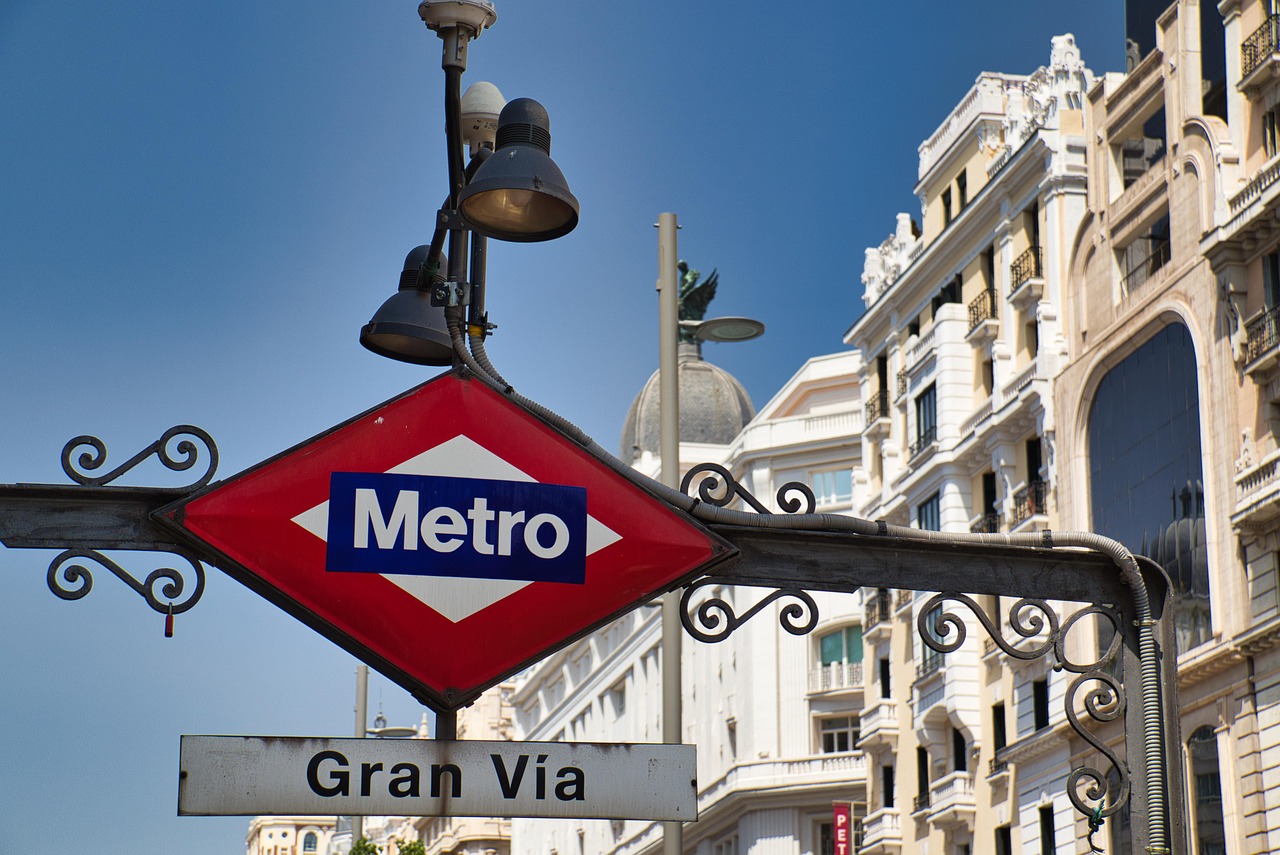
Metro & Buses: Madrid’s metro is extensive, clean, and efficient. I use it daily when I’m there.
- Buy a rechargeable transport card (tarjeta multi) and load tickets or passes.
- Airport to city: Metro Line 8, airport express bus, or Cercanías train depending on where you’re staying.
Walking: The center is walkable; bring comfortable shoes — distances can be deceptively large on the map.
Ride-hailing & taxis: Uber, Cabify, and local taxis all operate; prices are regulated for cabs, and there’s a fixed airport–city fare in many cases.
Car rental: I never recommend a car in Madrid unless you’re planning lots of rural trips. Traffic, parking, and low-emission zones make driving in the center annoying. For day trips, trains are usually better.
SIM Cards & Connectivity
- Major providers: Movistar, Orange, Vodafone, MásMóvil, and various eSIM options.
- For short stays, prepaid or eSIM data plans are easy and cheap. You can buy them at the airport, in phone shops, or online before arrival.
- Wi-Fi is common in hotels, many cafés, and some public areas.
Money & Costs
- Euro is the currency; cards widely accepted, but carry some cash for small bars and markets.
- Madrid can be very affordable if you eat where locals eat and use public transport.
- To save: use menú del día, free museum hours, and walk instead of cabs when possible.
Visa & Entry Requirements
- Spain is in the Schengen Area. Many travelers (EU, UK, US, Canada, Australia, etc.) can enter visa-free for short stays; check updated rules for 2026–2027 and any ETIAS requirements in effect for your nationality.
- Make sure your passport is valid for at least 3–6 months beyond your intended stay, depending on your country’s rules.
Driving & Licenses
- Foreign driving licenses are generally accepted for short stays; some non-EU visitors may need an International Driving Permit. Check your specific situation before renting a car.
- Remember: in central Madrid, low-emission zones and parking restrictions apply; always verify where you can legally drive and park.
Safety
- Madrid feels safe, even at night, but be mindful of pickpockets in crowded areas (Sol, Plaza Mayor, El Rastro, metro).
- Use common sense: keep bags closed, phones secure, and valuables out of sight on terraces.
Best Seasons & What They’re Good For
- Spring (March–May): My favorite — mild weather, Retiro in bloom, perfect for walking and terraces.
- Summer (June–August): Hot and dry; locals often escape in August. Great for late-night life, rooftop bars, and outdoor events.
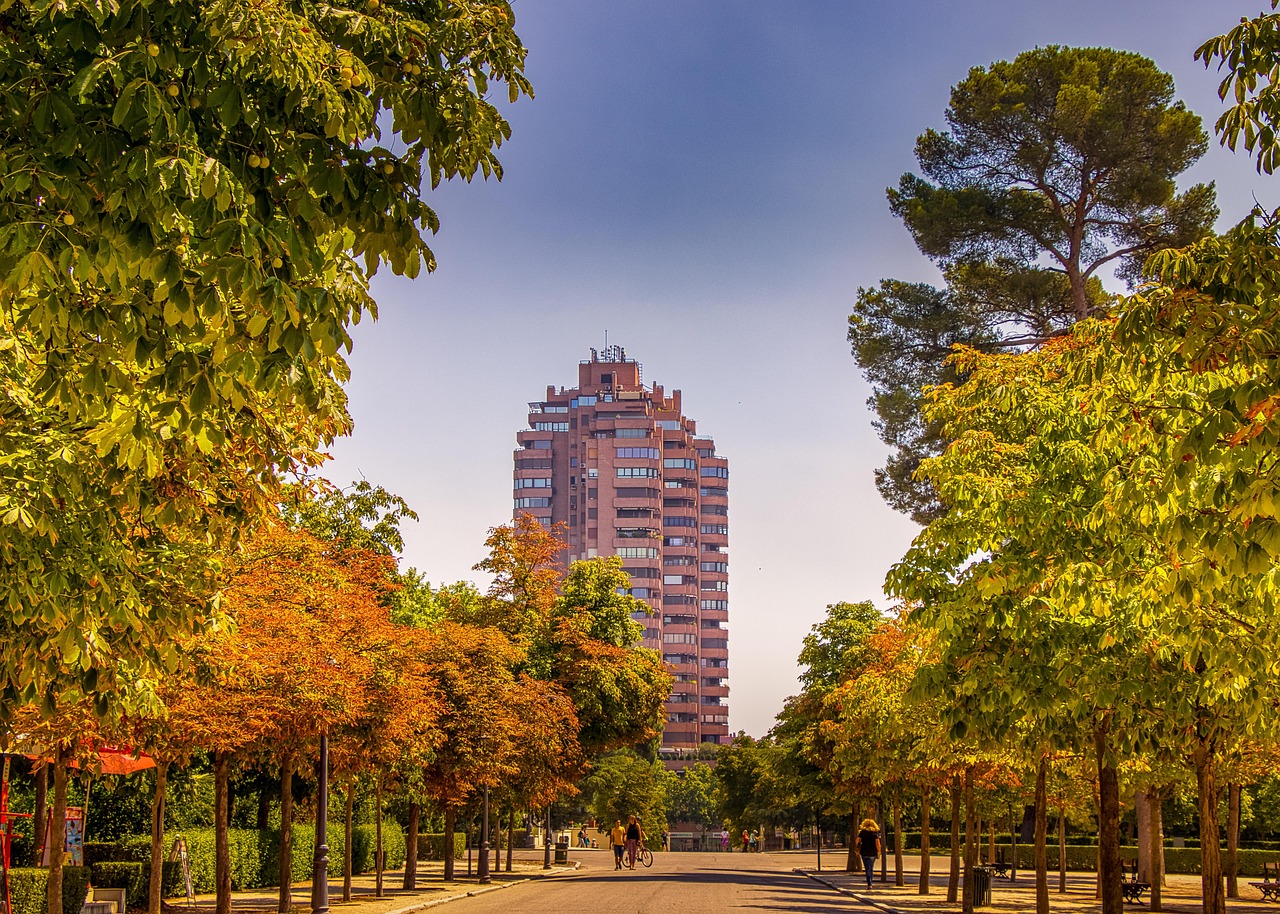
- Autumn (September–November): Another excellent time: golden light, comfortable temperatures, cultural season in full swing.
- Winter (December–February): Cold but usually dry. Christmas lights, cozy tapas bars, and fewer crowds at many sights.
Hidden Practical Tips
- Eat at the bar: In many places, standing at the bar is cheaper and feels more local than sitting at a terrace.
- Water: Tap water in Madrid is safe and good; refill a bottle instead of buying plastic.
- Language: Basic Spanish phrases go a long way. In tourist zones, English is common; in local barrios, less so, but people are patient.
- Siesta-ish rhythm: While big cities don’t fully shut down, some small shops still close mid-afternoon. Plan shopping and errands accordingly.
Major Events & What’s New in Madrid (2026–2027)
Madrid’s calendar is packed year-round. For 2026–2027, keep an eye on:
- San Isidro Festival (May 2026 & 2027): Honoring Madrid’s patron saint, with open-air concerts, traditional dress, dancing, and food stalls, especially around the Pradera de San Isidro.
- Madrid Pride (Orgullo) – late June/early July: One of Europe’s biggest Pride celebrations, centered on Chueca and the city center.
- Veranos de la Villa (Summer Festival): Outdoor concerts, movies, and performances all over the city in summer.
- Christmas Markets & Lights (Dec 2026/2027): Beautiful lights along Gran Vía, Plaza Mayor market, and special events in central squares.
- Sports & Football: Ongoing La Liga and European matches at the Bernabéu and Metropolitano stadiums; occasional international tournaments or friendlies.
New bike lanes, pedestrianized streets, and sustainability initiatives continue to reshape central Madrid in 2026, making it more pleasant to walk and cycle than ever.
Final Summary & Best Time to Visit Madrid
Madrid isn’t a city you tick off a list; it’s a city you return to. In a single trip, you might spend a morning with Velázquez and Goya, an afternoon rowing a boat in Retiro, and a night eating tortilla at midnight in a bar that’s been there longer than you’ve been alive.
For a first visit, aim for at least 3 days in Madrid to see the highlights; 4 days in Madrid lets you add neighborhoods and markets; 5 days in Madrid gives you time for a day trip and slower wandering. Use this travel guide for Madrid and the suggested 3, 4 and 5 day itinerary for Madrid as a framework, then follow your curiosity down side streets and into tiny bars.
Best time to visit: I personally love April–May and September–October for comfortable temperatures, terrace life, and cultural events. Summer is great for nightlife and late sunsets if you can handle the heat; winter is cozy, cheaper, and atmospheric around the holidays.
Whatever season you choose, give yourself time to sit, watch, and savor. Madrid reveals itself not only in its must-see attractions, but in the small, everyday moments: a barista remembering your order, kids playing in a plaza at 10 pm, elderly couples sharing a bench in Retiro. That’s the Madrid I keep coming back for — and I suspect you will too.
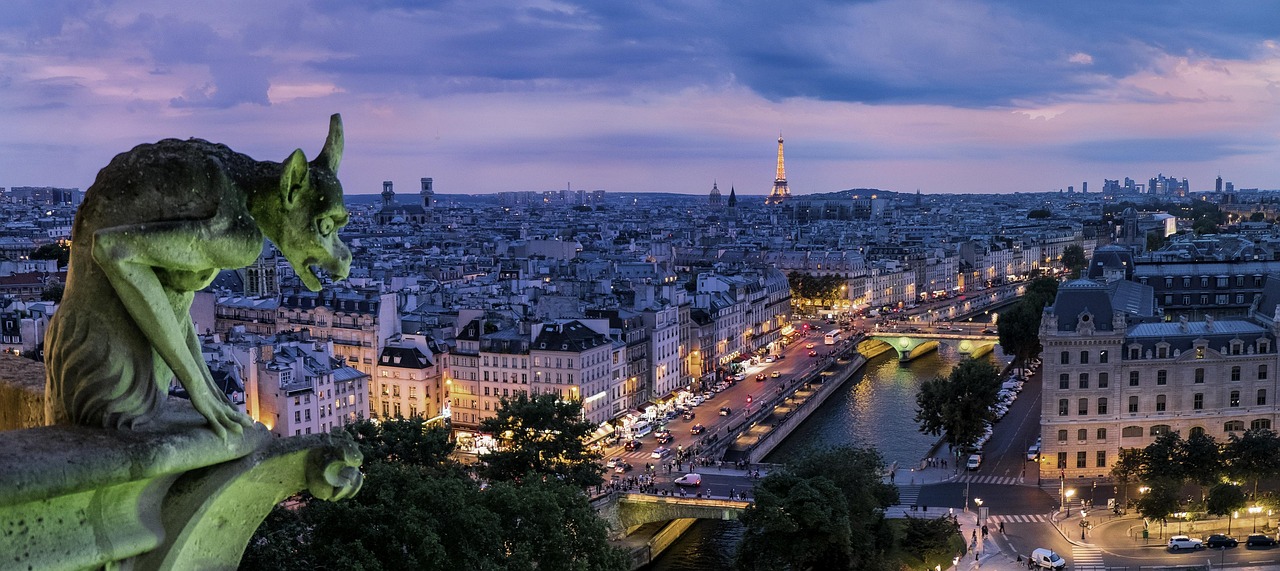
The Ultimate Paris Travel Guide 2025: Local Secrets, Must-Sees, and Unforgettable Experiences
If you’ve ever dreamt of strolling through winding cobbled lanes clutching a buttery croissant, gazing at sunset from a bridge over the Seine, or discovering art in hidden courtyards, Paris is the city you’ve been searching for. This is more than just a collection of the best places to visit in Paris—it’s your personal 2025 travel companion, built from years of local wisdom, wanderings, and wonder. Paris isn’t just a city; it’s a series of stories waiting to be written, and you’re about to write yours.
Why Visit Paris? The Magic of the City of Light
Paris is a city that seduces you slowly and all at once. Whether you’re a first-timer or a frequent visitor, there’s always something new to discover—an architectural gem on a quiet backstreet, a baker whose baguettes are the talk of the block, or an unexpected jazz night in a cellar beneath the Marais. The city is iconic, sure, but she’s also intimate. Beyond her grand boulevards and world-famous museums, Paris is a patchwork of distinct neighborhoods, each with its own personality, cuisine, and character.
- World-class art and architecture: From the Louvre and Musée d'Orsay to soaring Gothic cathedrals.
- Culinary adventures: Mouthwatering pastries, cheese, wine, and regional delights that go far beyond the cliché.
- History and romance: Walk in the footsteps of artists, revolutionaries, and lovers.
- Effortless exploration: Parisian public transport is a breeze, from metro to bicycles, making every corner accessible.
- Cultural experiences: Festivals, concerts, theatre, and local markets that invite you to join in, not just observe.
Come solo, as a couple, with family or friends—Paris always finds a way to surprise and delight. Let’s dive into the heart of the city and make your trip unforgettable.
Table of Contents
Recommended Paris Itinerary: 3, 4, and 5 Day Adventures (2025)
Over the years, I’ve spent many springs, autumns, and even frosty winters exploring Paris. Sometimes alone with a notebook, sometimes sharing wine with friends, and sometimes chasing after wide-eyed visiting family. Here’s how I recommend you spend your 3, 4, or 5 days in Paris, blending classic sights, culinary joys, and a few local secrets. Whether you want a 3 days in Paris whirlwind, or a slow 5 day itinerary for Paris, these plans will help you uncover the true spirit of the city!
Day 1: The Essential Icons – Paris at Her Most Beautiful

My first morning in Paris is always the same: a fresh coffee, a crisp pain au chocolat, and that giddy anticipation of seeing the Eiffel Tower again—no matter how many times you’ve seen it, it never fails to impress.
- Eiffel Tower (Tour Eiffel): Start early to beat the crowds. Take the stairs to the second floor for a less touristy experience (and shorter lines). At sunrise, the Champ de Mars is tranquil and ideal for photos. Tip: Book tickets ahead online (especially for elevators, if you don’t want the workout!).
- Trocadéro Gardens: The classic photo spot for the Eiffel Tower across the Seine. Early morning or sunset for the best light and fewest people. The fountains and views are stunning!
- Musée du Quai Branly: If you love anthropology, this is a unique stop for African, Asian, Oceanic, and American indigenous art—a personal favorite for its living green wall and innovative exhibits.
- Seine River Cruise: Midday, hop on a Bateaux Mouches or Batobus. Floating past Notre-Dame and under the city’s historic bridges is such a romantic (and family-friendly) way to see the heart of Paris.
- Champ de Mars Picnic: Grab lunch at a local boulangerie (or pick up cheese and charcuterie from the Rue Cler market) and picnic on the grass under the Eiffel Tower—locals do this all the time!
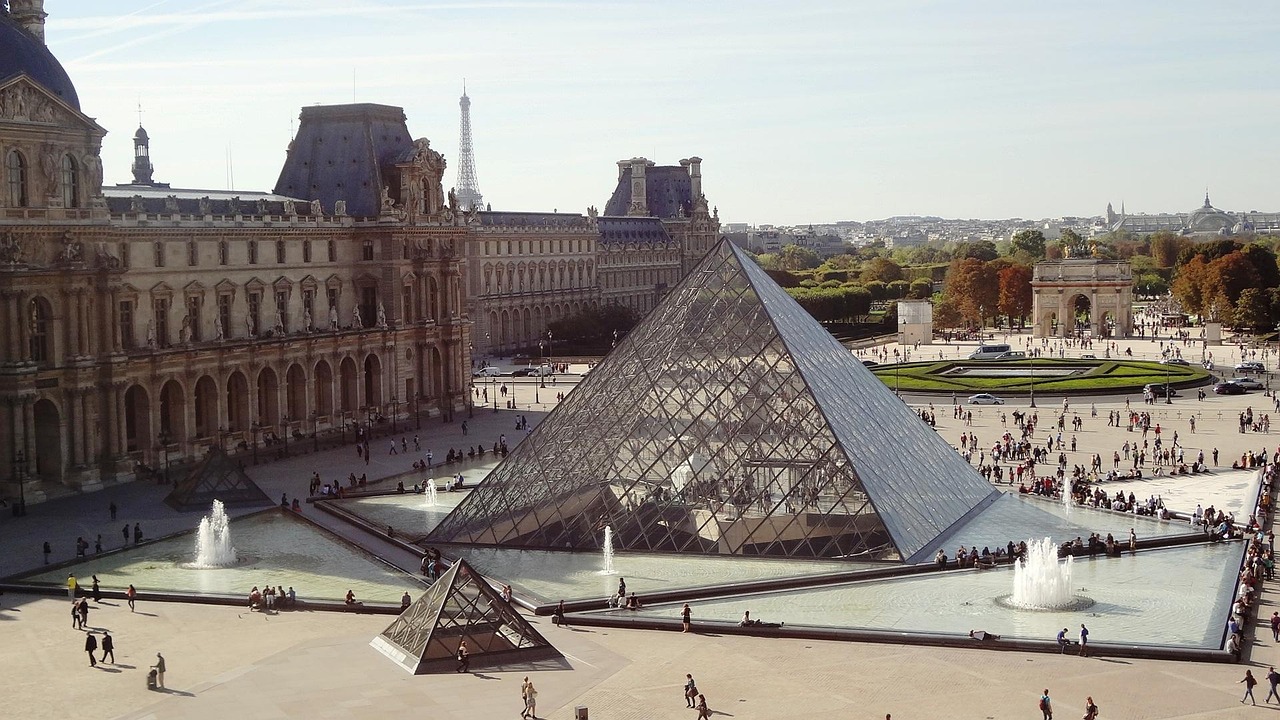
- Louvre Museum: In the afternoon, stroll up the Seine or catch a metro to the Louvre. I recommend a highlights tour—Venus de Milo, Winged Victory, and yes, Mona Lisa (go early or late to avoid crowds). Tip: The inverted pyramid entrance underground is often less busy.
- Evening in the Latin Quarter: Wander the narrow streets, grab a crepe near Place Saint-Michel, and savor a glass of wine at a bustling bistro. My first dinner in Paris is always onion soup and steak-frites at a classic brasserie.
Insider tip: Don’t rush—give yourself time for a slow walk along the Seine at dusk, and watch the Eiffel Tower sparkle every hour on the hour after sunset!
Day 2: Historic Paris – Notre-Dame, Iconic Museums & Secret Gardens
On my second day, I always seek out the layers of history that make Paris magic. From medieval marvels to Impressionist masterpieces, here’s how to explore the city’s rich past and hidden corners.
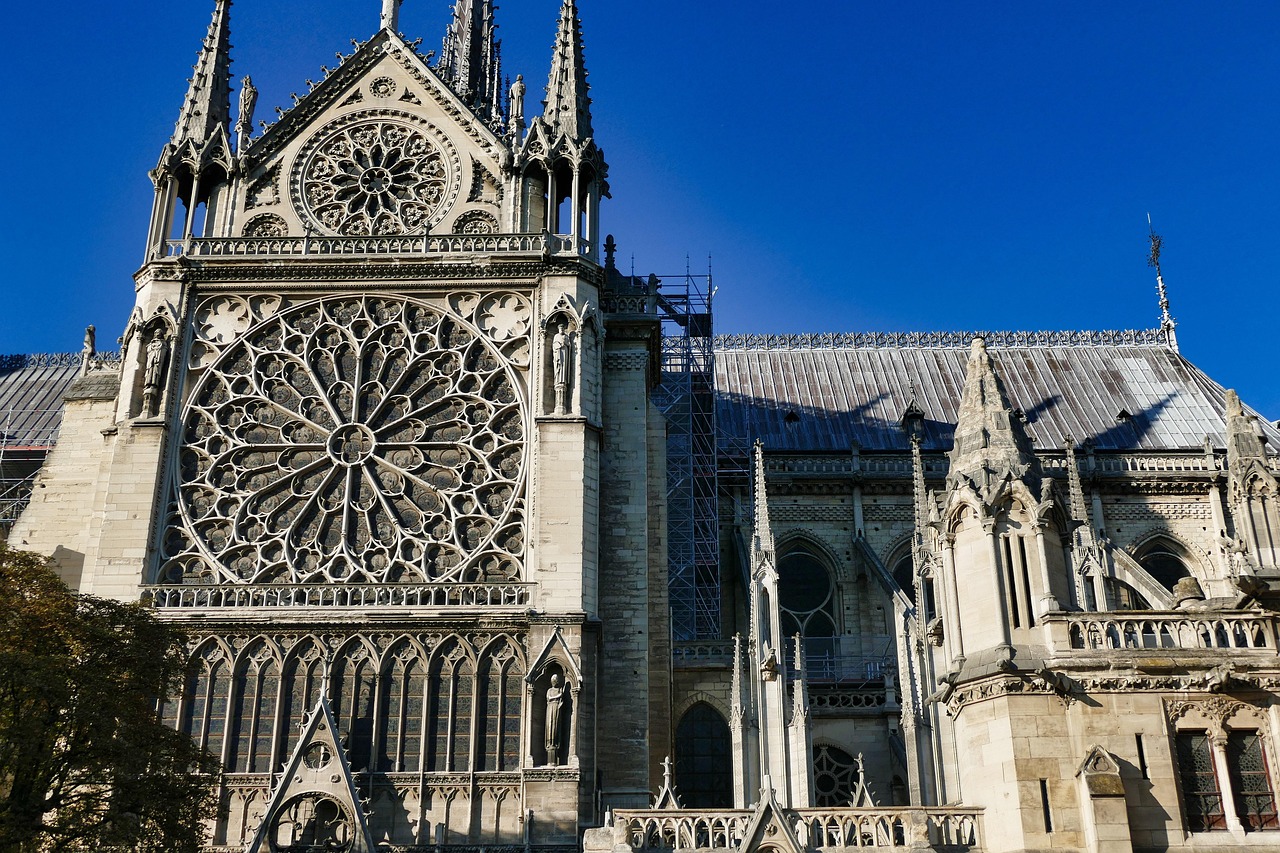
- Notre-Dame Cathedral: Even after the fire, the area around Notre-Dame is atmospheric. In 2025, restoration continues, but the façade is accessible. Visit in the quiet of early morning to appreciate the Gothic grandeur.
- Sainte-Chapelle: This chapel is a hidden jewel on the Île de la Cité. The stained glass floods the interior with color—a bucket-list moment for every art lover. Buy tickets in advance and go early.
- Île de la Cité & Île Saint-Louis: Wander the islands’ ancient streets and stop for legendary Berthillon ice cream on Rue Saint-Louis en l’Île. The bridges and river views are postcard-perfect!
- Musée d'Orsay: My favorite museum in Paris for its Belle Époque architecture and jaw-dropping Impressionist collection. Don’t miss the giant clock views over the Seine!
- Jardin du Luxembourg: This is where I go to escape the city rush—rent a green chair by the fountains, watch locals sail wooden boats, or read beneath chestnut trees.
Insider tip: For lunch, the Marché Maubert is a local’s market just across from the Sorbonne—perfect for a picnic in the garden.
Day 3: Montmartre, Markets & Bohemian Spirit
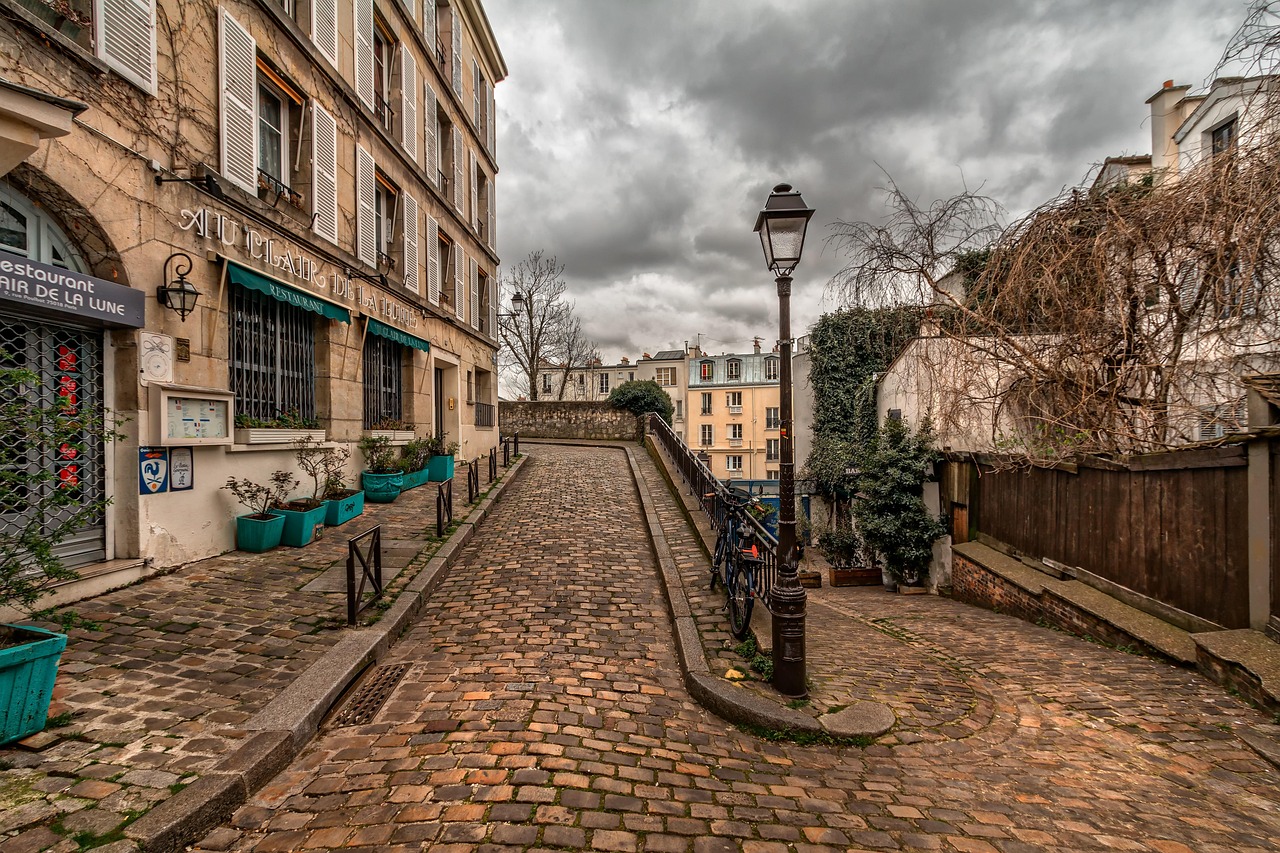
Montmartre is where I fell in love with Paris for good. The artists, the views, the stories—every cobblestone has a tale.
- Sacré-Cœur Basilica: A sunrise climb up the steps rewards you with the city’s best view. The basilica interior is peaceful and free to enter; climb the dome for sweeping vistas.
- Place du Tertre: Watch artists at work in the square where Picasso and Toulouse-Lautrec once strolled. If you’re brave, have your portrait drawn!
- Moulin Rouge and Pigalle: The famous cabaret’s red windmill is iconic. Even if you don’t catch a show, the neighborhood’s quirky shops and neon signs are a fun photo-op.
- Marché Saint-Pierre: A fabric lover’s paradise and a great spot for souvenirs you won’t find elsewhere.
- Hidden stairways and vines: Explore Rue Lepic and Rue de l’Abreuvoir, two of Montmartre’s most picturesque lanes, and discover the last working vineyard in Paris (Clos Montmartre).
Insider Tip: For breakfast, stop at Le Grenier à Pain bakery—their baguettes have won “Best in Paris” multiple times!
Day 4: Contemporary Paris & Local Life
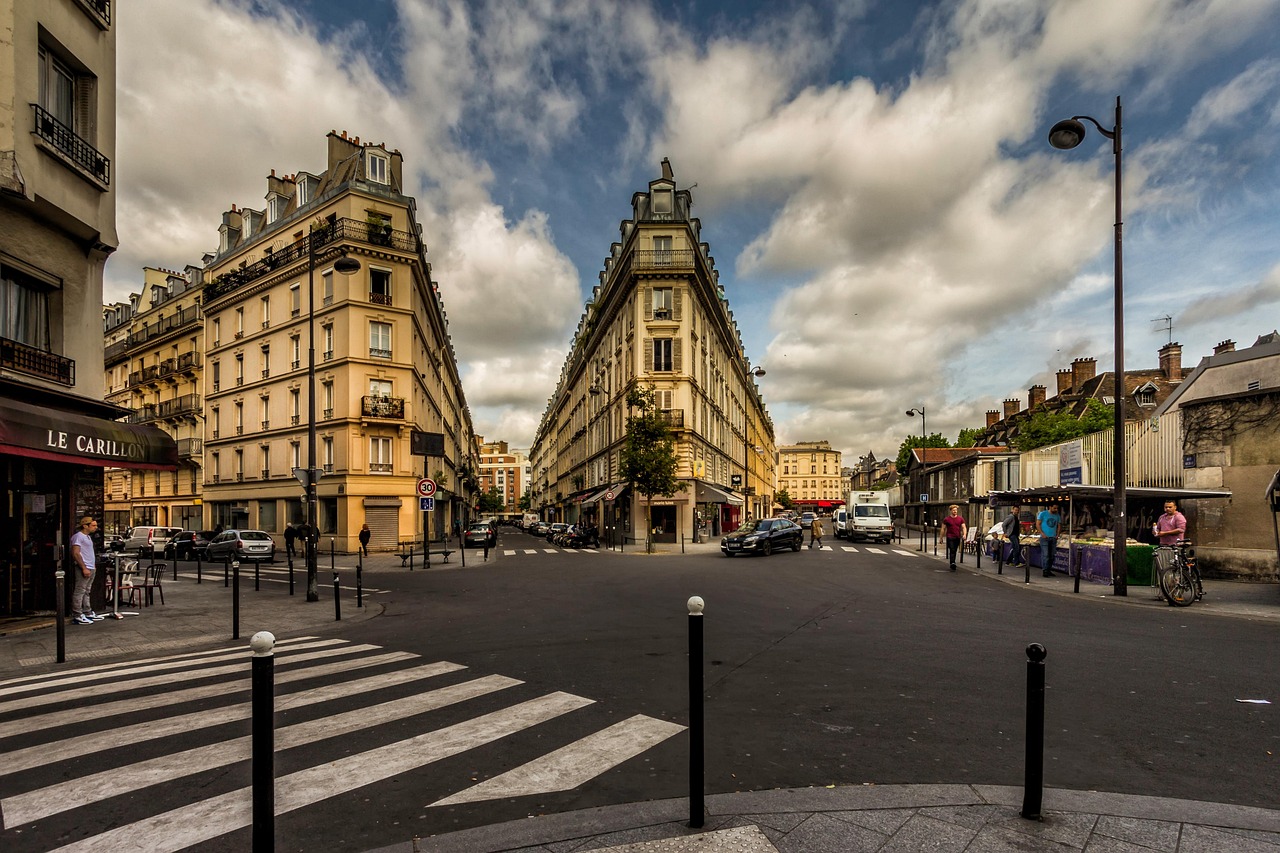
After ticking off the classics, I love to slow down and live like a local in Paris. Day four is all about discovering newer attractions, creative hubs, and the city’s diverse energy.
- Canal Saint-Martin: Early morning walks here are magical. Watch the locks open, spot murals, and enjoy a coffee at Ten Belles or a trendy brunch at Holybelly.
- Le Marais: One of Paris’ hippest neighborhoods, full of vintage shops, LGBTQ+ bars, falafel joints, and the serene Place des Vosges.
- Père Lachaise Cemetery: A peaceful, reflective walk among the gravestones of Edith Piaf, Oscar Wilde, and Jim Morrison. Bonus: It’s hauntingly beautiful in autumn.
- Musée Picasso: If you’re an art lover, this museum is a highlight, housed in a historic mansion and filled with Picasso’s greatest hits.
Insider Tip: Pick up a picnic lunch at Marché des Enfants Rouges, Paris’ oldest covered market, and enjoy it in the gardens of the Place des Vosges.
Day 5: Castles, Gardens, and Day Trips

If you’re lucky enough to have 5 days in Paris, dedicate your final day to a grand adventure beyond the city center. My all-time favorite? Versailles, of course.
- Palace of Versailles: Just 40 minutes from Paris by RER C, Versailles is pure storybook splendor. Arrive as the gates open, tour the Hall of Mirrors, then wander the endless gardens and Marie Antoinette’s dreamy hamlet.
- Château de Chantilly or Château de Fontainebleau: Both under an hour from Paris and brimming with history, regal opulence, and tranquil grounds—Chantilly is less crowded, Fontainebleau is vast and atmospheric.
- Giverny (Monet’s Gardens): In spring and summer, nothing beats a stroll through Monet’s lily ponds and flower gardens, about 45 minutes by train and shuttle.
Insider Tip: Pack some pastries from a boulangerie—Versailles has excellent picnic spots, and it feels incredibly special to lunch like royalty amidst the fountains.
Ready for adventure? Jump to the Must-See Attractions section for stories, practical tips, and hidden details about each iconic spot!
The 20 Must-See Attractions in Paris: Stories, History & Insider Tips
Here’s my take on the most essential things to do in Paris in 2025, having visited many of these sights dozens of times—sometimes in the rain, sometimes at sunrise, occasionally while lost, but always leaving with a story. Each one is a chapter in the Paris storybook!
-
Eiffel Tower (La Tour Eiffel)
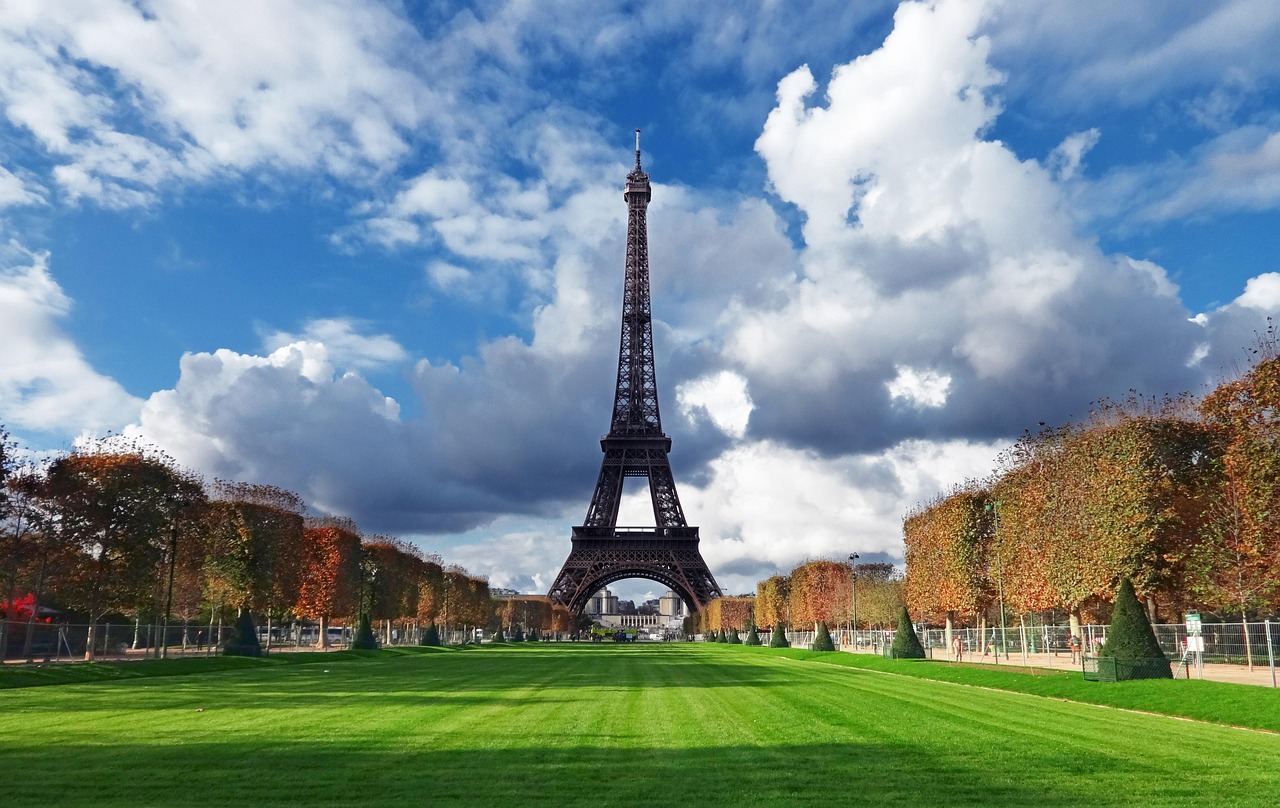
Nothing prepares you for your first up-close glimpse of the Eiffel Tower. Whether you’re picnicking on the Champ de Mars, gazing down from Trocadéro, or craning your neck from below, the Iron Lady has a charisma that’s impossible to resist. Built for the 1889 World’s Fair, she was supposed to be temporary—Parisians protested her “ugliness,” but today, she’s the face of the city.
My Story: I always try to visit at sunrise, as the golden light washes over the city and the crowds are still asleep. Climbing the stairs (rather than the elevator) is my annual tradition—a true Parisian ritual.
- Best view: Trocadéro Gardens, at sunset or sunrise.
- Length of visit: 2-3 hours (longer if picnicking or lingering in the park).
- Tip: Book tickets online to skip the lines. The twinkling lights every hour after dusk will give you chills—don’t miss it!
-
Louvre Museum (Musée du Louvre)
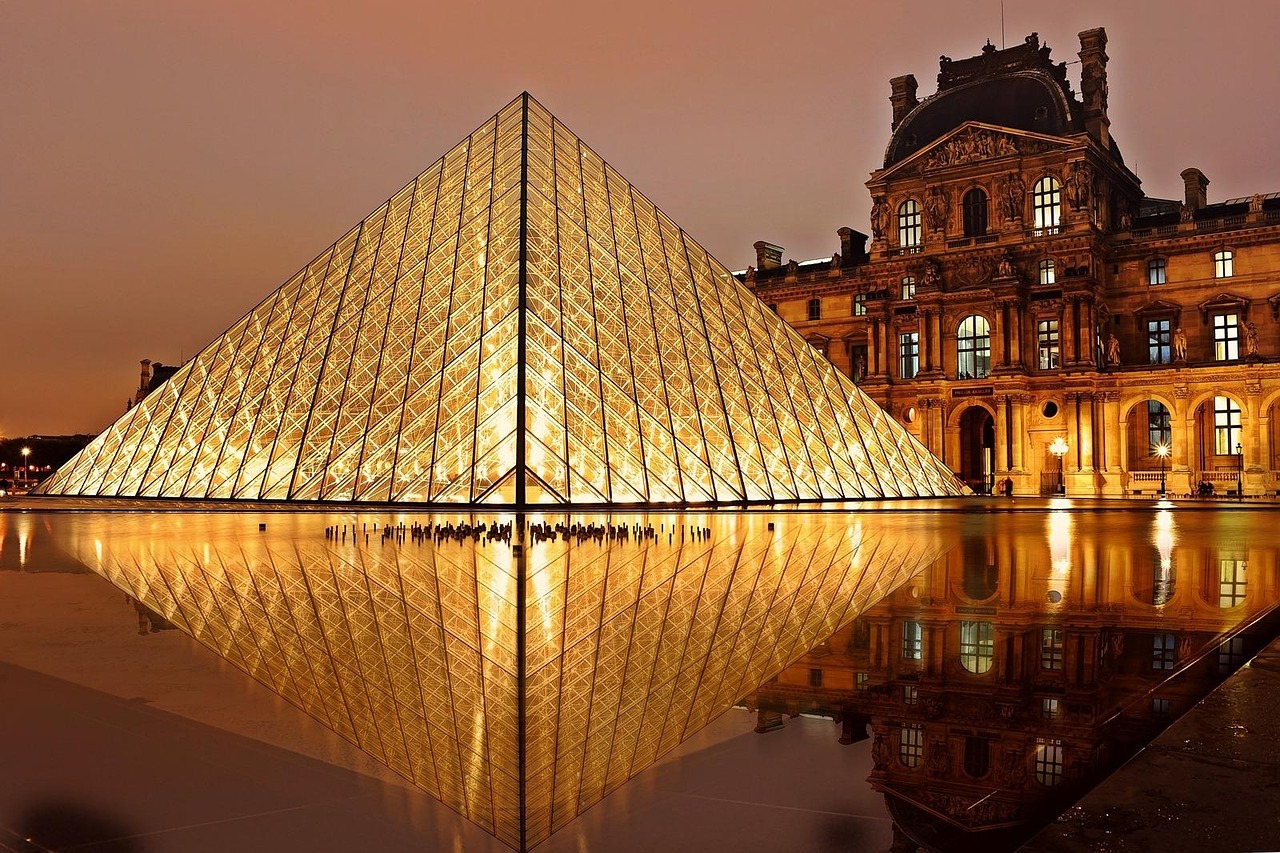
Louvre Museum Paris Home to over 35,000 masterpieces, the Louvre is overwhelming in the best way. From the glass pyramid to the medieval foundations, it’s a journey through centuries. The Mona Lisa’s smile draws crowds, but I love wandering the quiet Egyptian halls or admiring the Richelieu Wing’s sculptures with no one else around.
My Story: I once spent six hours in the Louvre and still didn’t see it all. My tip? Don’t try! Pick your highlights and save some energy for the sublime café in the Richelieu courtyard, with a view of the pyramid.
-
Notre-Dame Cathedral
One of the world’s great Gothic cathedrals, Notre-Dame commands the Île de la Cité. After the 2019 fire, she stands resilient, and I find her even more hauntingly beautiful in restoration. Despite scaffolding, the bells still ring, and the rose windows glow at sunset.
- Best for: History buffs, architecture lovers, families (kids love the gargoyles!), photographers, spiritual seekers.
- Tip: Walk behind the cathedral to see the flying buttresses and the riverside park—it’s a tranquil escape from the crowds out front.
-
Montmartre & Sacré-Cœur Basilica
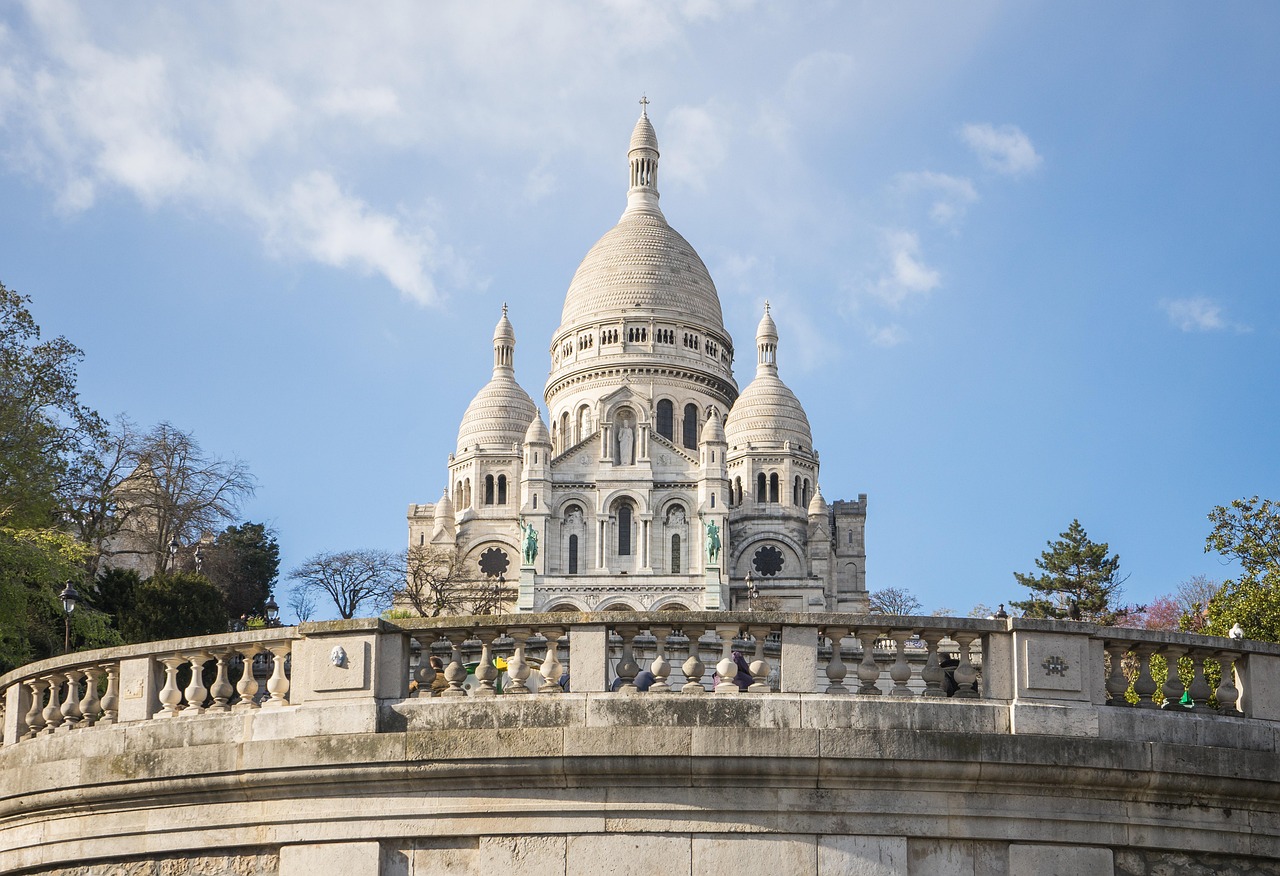
Sacré-Cœur Montmartre Once home to poets, painters, and revolutionaries, Montmartre remains Paris’s most bohemian neighborhood. The white-domed basilica sits atop the city’s highest hill (check your calves after those stairs!). The view is unbeatable, and the streets below buzz with energy—artists, cafés, and lively squares.
My Story: My first night in Paris, I watched the sun set from the steps of Sacré-Cœur. Street musicians strummed “La Vie en Rose” and the city sparkled below—a memory etched forever.
-
Musée d’Orsay
Housed in a grand former train station, Musée d'Orsay’s soaring iron-and-glass hall is as impressive as its collection. Monet, Van Gogh, Degas—if you love Impressionism, this is heaven on earth. Don’t miss the panoramic city view through the giant clock window.
- Family tip: Kids love the model railroad in the central hall.
- Café experience: The stylish café behind the clock window is surprisingly good for lunch or a coffee break!
-
Sainte-Chapelle
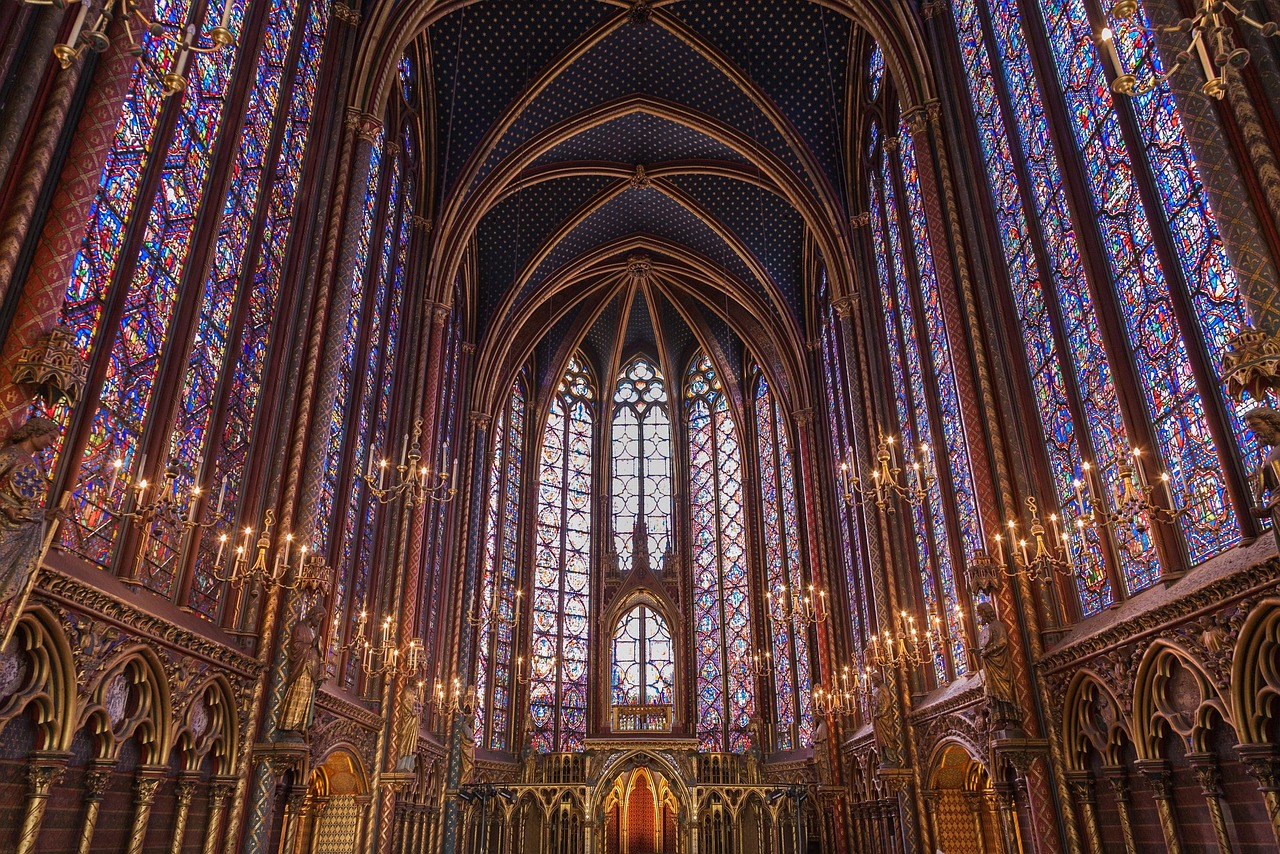
Sainte-Chapelle Paris Hidden within the walls of the old royal palace, this 13th-century chapel is a feast for the eyes. Over 1,100 stained glass panels soar 15 meters high, telling biblical stories in jeweled light. I always recommend visiting on a sunny morning for the most dazzling show.
Tip: Combine with the Conciergerie next door for a journey from royal splendor to Revolution-era prison cells.
-
Champs-Élysées & Arc de Triomphe
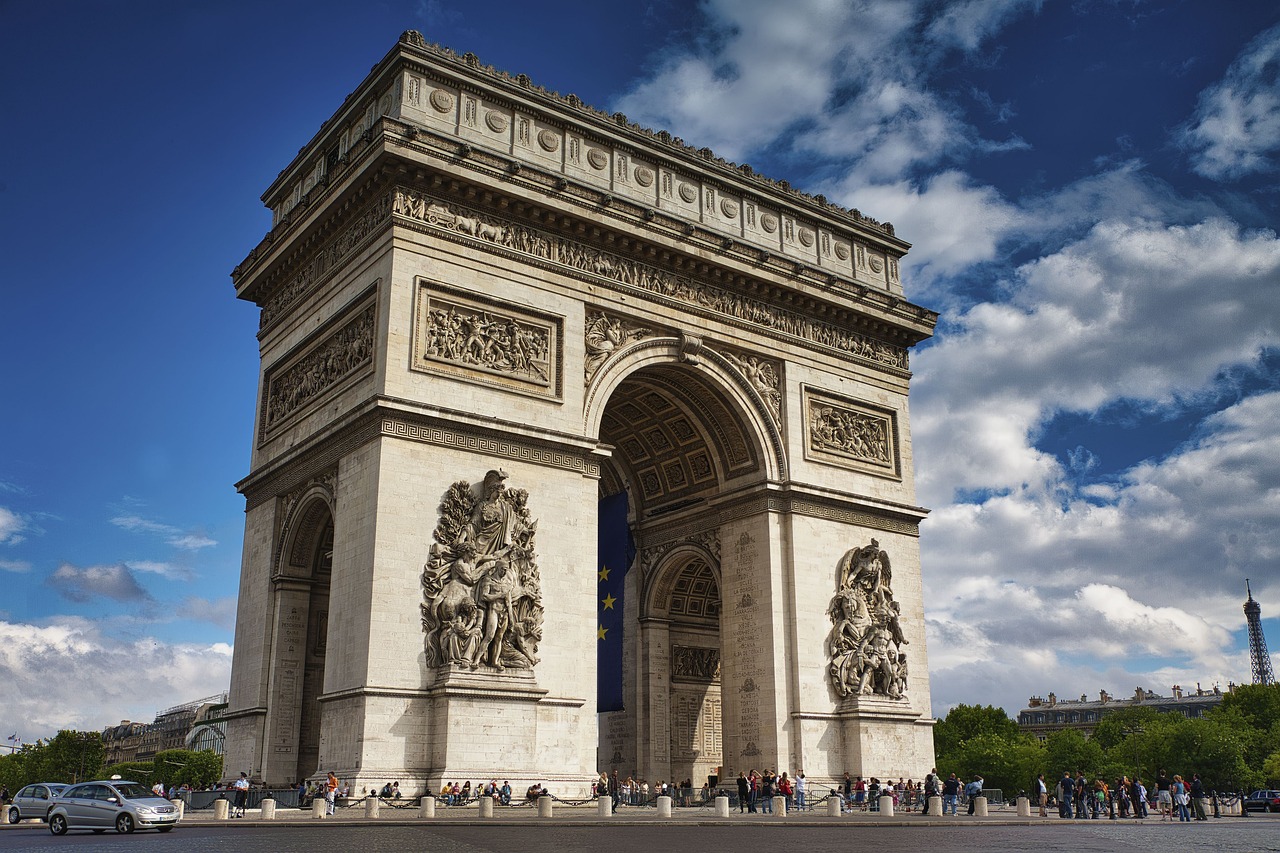
Arc de Triomphe Paris The march up the Champs-Élysées is a Parisian rite of passage. Designer shops, cinemas, grand cafés, and the towering Arc at the end—it’s cinematic. Climb the Arc for 360-degree views (including the Eiffel Tower) and pause to watch the world’s most chaotic roundabout below!
Insider tip: For the best photos, visit at golden hour. For a splurge, a glass of champagne at Fouquet’s is pure Paris glam.
-
Luxembourg Gardens (Jardin du Luxembourg)
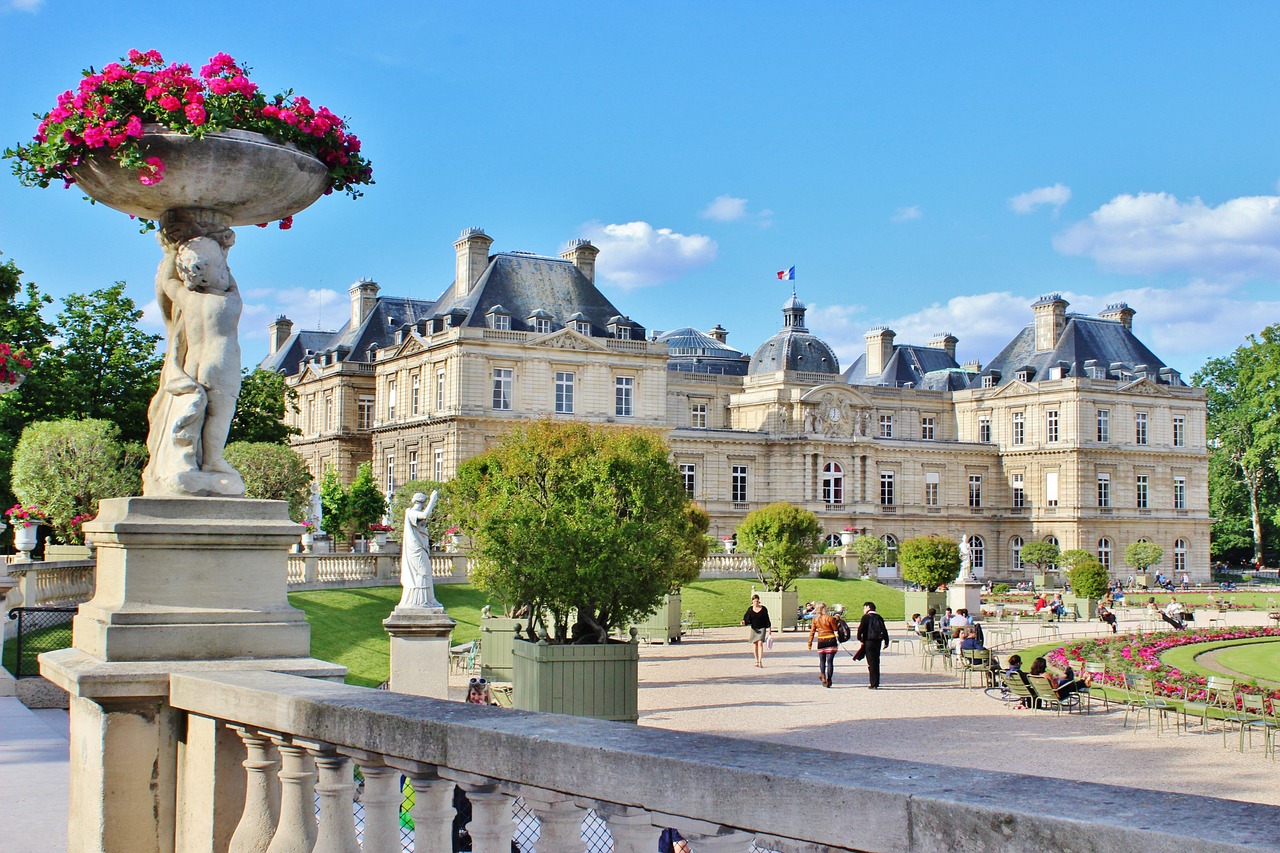
Jardin du Luxembourg Paris I spent many lazy afternoons here—kids sailing wooden boats, students sketching statues, lovers lounging on lawns. The gardens are formal French perfection, with wildflower meadows, fountains, and the elegant Sénat palace.
- Best picnic spot: Under the chestnut trees by the Medici Fountain.
- Fun for families: Pony rides, puppet shows, and a fantastic playground.
-
Le Marais: The Trendiest Quarter
Le Marais Paris A melting pot of history, fashion, Jewish heritage, and LGBTQ+ culture, Le Marais pulses with creativity. Stroll past aristocratic mansions and quirky boutiques, then graze your way through falafel stands and local patisseries. Don’t miss the Place des Vosges, a dreamy square framed in red brick arcades.
- Tip: The Musée Carnavalet (free!) tells the story of Paris and is newly renovated.
-
Seine River Cruise

Seine River cruise Paris Paris’s heart beats along the Seine. A river cruise is as romantic as it gets at sunset—watch the city’s lights flicker on, with the monuments aglow. You’ll pass under 37 bridges, each with a story, and see the city from a new (and less crowded) perspective.
- Best for: Couples, families, and first-timers.
- Tip: Batobus is a hop-on-hop-off riverboat—cheaper and great for flexible sightseeing!
-
Père Lachaise Cemetery

Père Lachaise Cemetery Paris More than a burial ground, Père Lachaise is a leafy open-air museum. I always get lost (delightfully) among tombs of playwrights, rockstars, and revolutionaries—Oscar Wilde’s lipstick-kissed grave is a must. In spring, the cherry blossoms are magical.
-
Opéra Garnier
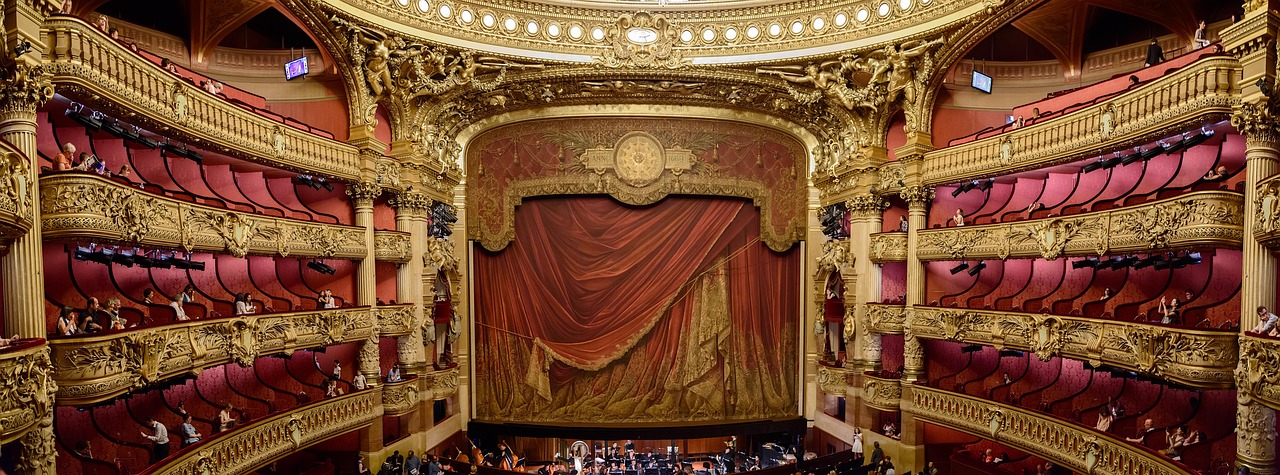
Opéra Garnier Paris This 19th-century opera house is gilded grandeur at its best—think Phantom of the Opera. Even if you don’t catch a show, the grand staircase, golden balconies, and Marc Chagall ceiling are dazzling. I love popping in for a self-guided afternoon tour.
- Tip: Try a ballet or concert for a splurge night out, or just admire the façade by night.
-
Palace of Versailles
Versailles is the definition of royal excess: Hall of Mirrors, sprawling gardens, gilded gates. Arrive early, bring a picnic, and rent a bike (or golf cart) to explore the miles of manicured paths, secret groves, and lakes. Marie Antoinette’s hamlet is a fairy-tale village!
- Tip: Musical Fountain Shows run from April to October—don’t miss them if visiting in season!
-
Musée Rodin
One of my favorite artistic escapes! The sculpture garden is a tranquil haven, home to “The Thinker” and “The Gates of Hell.” Inside, you’ll find more of Rodin’s masterpieces and Camille Claudel’s evocative works. Come in spring when the roses bloom.
-
Musée Picasso
Tucked in the Marais, this stately mansion is packed with Picasso’s paintings, sketches, and sculptures. The rotating exhibits are always fresh and lively. Kids are mesmerized by the whimsical art, and the rooftop terrace offers city views.
-
Rue Cler Market
My favorite street market in Paris, Rue Cler is the place to live your foodie fantasies. Breads, cheeses, wine shops, florists—all the ingredients for a perfect Parisian picnic. Saturday mornings are lively and bursting with color.
- Tip: Assemble your own gourmet lunch, then head to the nearby Champ de Mars for Eiffel Tower views!
-
Canal Saint-Martin
The Paris of hipsters and dreamers! This leafy canal is perfect for summer strolls, people-watching, and picnics. Grab a bottle of wine and a pizza to share on the banks with new friends, or browse the quirky boutiques lining the streets.
- Tip: Sunday mornings are blissfully sleepy; Saturday nights, the canal buzzes with young locals.
-
Giverny (Monet’s Gardens)
Giverny Monet Gardens A train and a short bus ride transport you to Monet’s water-lily paradise. The gardens are peak perfection from April to October. The house, the Japanese bridge, and the flowerbeds inspired some of the world’s greatest paintings.
- Tip: Book tickets online, and arrive first thing; tour groups arrive mid-morning!
-
Marché des Enfants Rouges
The oldest covered market in Paris (since 1615!) serves up street food from all corners of the world: Moroccan, Lebanese, French, Japanese. I love grabbing a bento box or a tagine and picnicking in nearby Square du Temple.
-
Place des Vosges
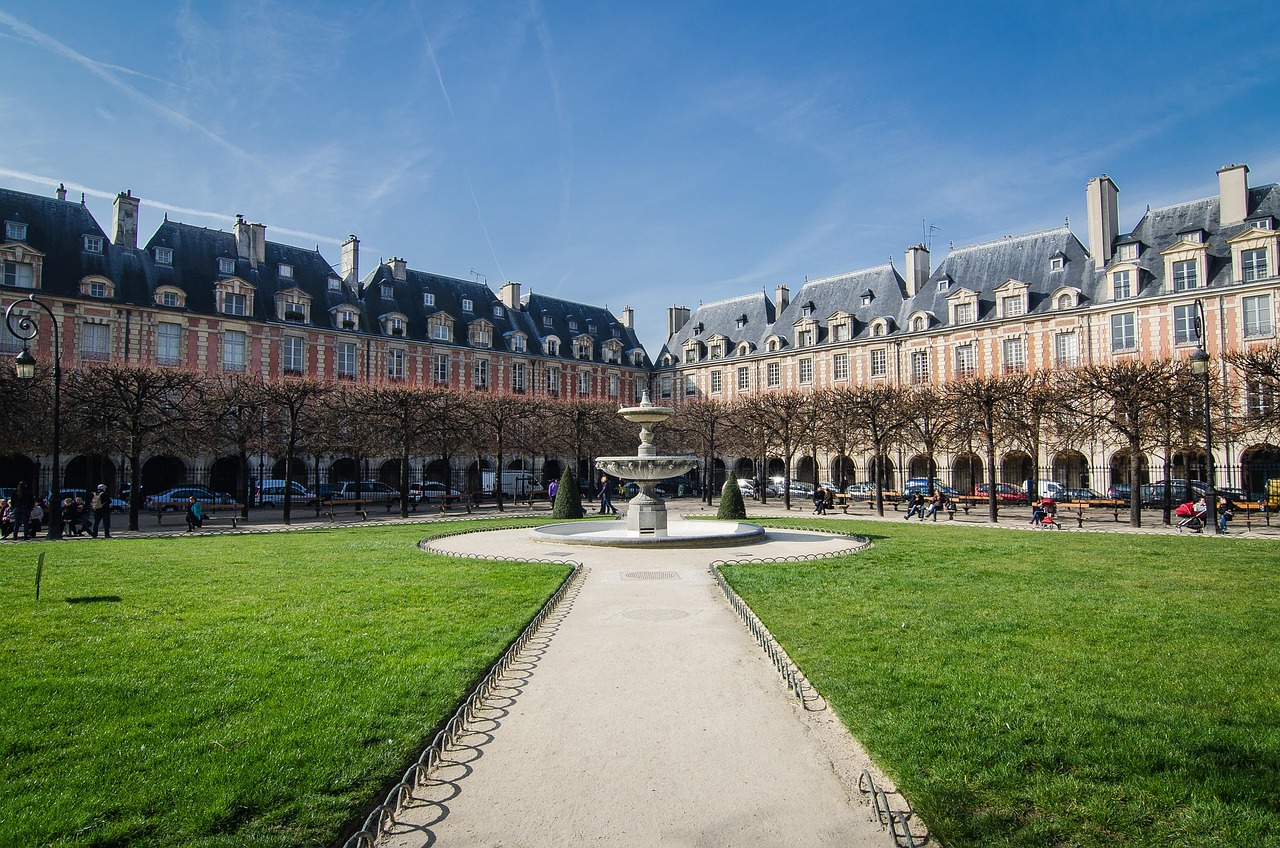
Place des Vosges Paris This elegant square in the Marais is a local secret for sunbathing, lazy picnics, and people-watching. The arcaded walkways shelter art galleries and cafés—Victor Hugo’s house is on the southern side, and is well worth a visit!
-
Rue Mouffetard
A winding, cobbled market street in the Latin Quarter, Rue Mouffetard is food heaven—cheese shops, bakeries, cafés, and street musicians. I love it for the Saturday market and the neighborhood’s “real Paris” charm.
-
Parc des Buttes-Chaumont
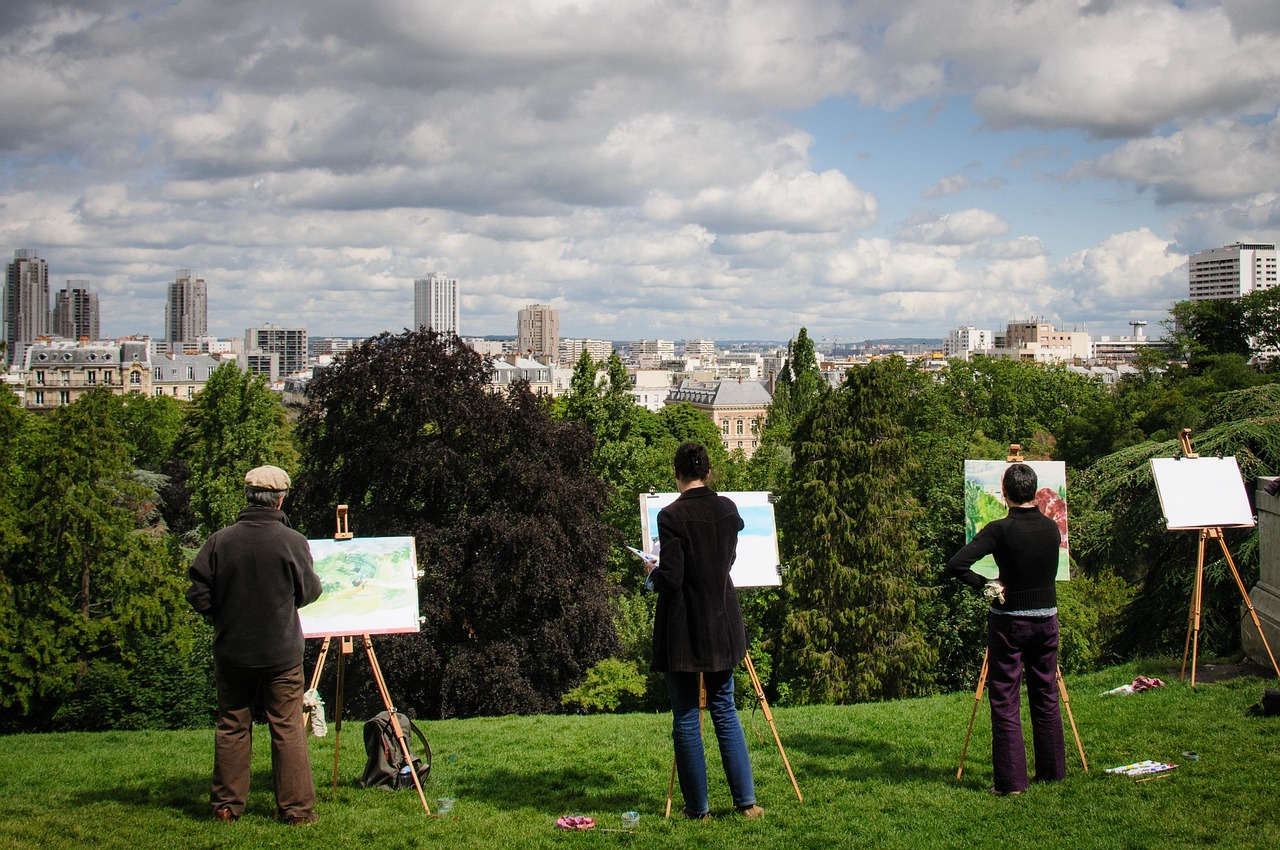
Parc des Buttes-Chaumont Paris Escape the crowds and discover this hilly city park with waterfalls, cliffs, hidden grottos, and one of the best panoramic views of Paris. In spring, cherry blossoms; in summer, locals picnic and sunbathe on the slopes. Pure Parisian life!
Paris Neighborhoods: The Best Areas to Explore in Paris
Paris is a city of “villages”—every arrondissement (district) has its own unique flavor. Here’s where to wander, eat, and get lost:
- Le Marais (3rd & 4th arr.): Fashionable, diverse, and historic. Great for shopping, art, and falafel.
- Latin Quarter (5th arr.): Student energy, bookshops, bars, and medieval lanes.
- Saint-Germain-des-Prés (6th arr.): Old-world elegance, literary cafés, and the city’s best pâtisseries.
- Montmartre (18th arr.): Bohemian, artistic, and romantic, with winding hills and panoramic views.
- Bastille & Oberkampf (11th arr.): Edgy, young, nightlife hotspots, and a killer food scene.
- Canal Saint-Martin & Belleville (10th/20th arr.): Hipster central, multicultural, street art, and indie coffee shops.
- Champs-Élysées & Triangle d’Or (8th arr.): Luxury shopping, grand monuments, and business bustle.
- La Défense: The modern business district with skyscrapers and futuristic sculptures.
Paris rewards wandering. My pro tip: Pick a neighborhood and spend at least half a day there, ducking into local cafés, bakeries, and courtyards. You’ll find the true Paris in the in-between moments!
Eat & Drink Like a Local: Paris Food & Market Adventures
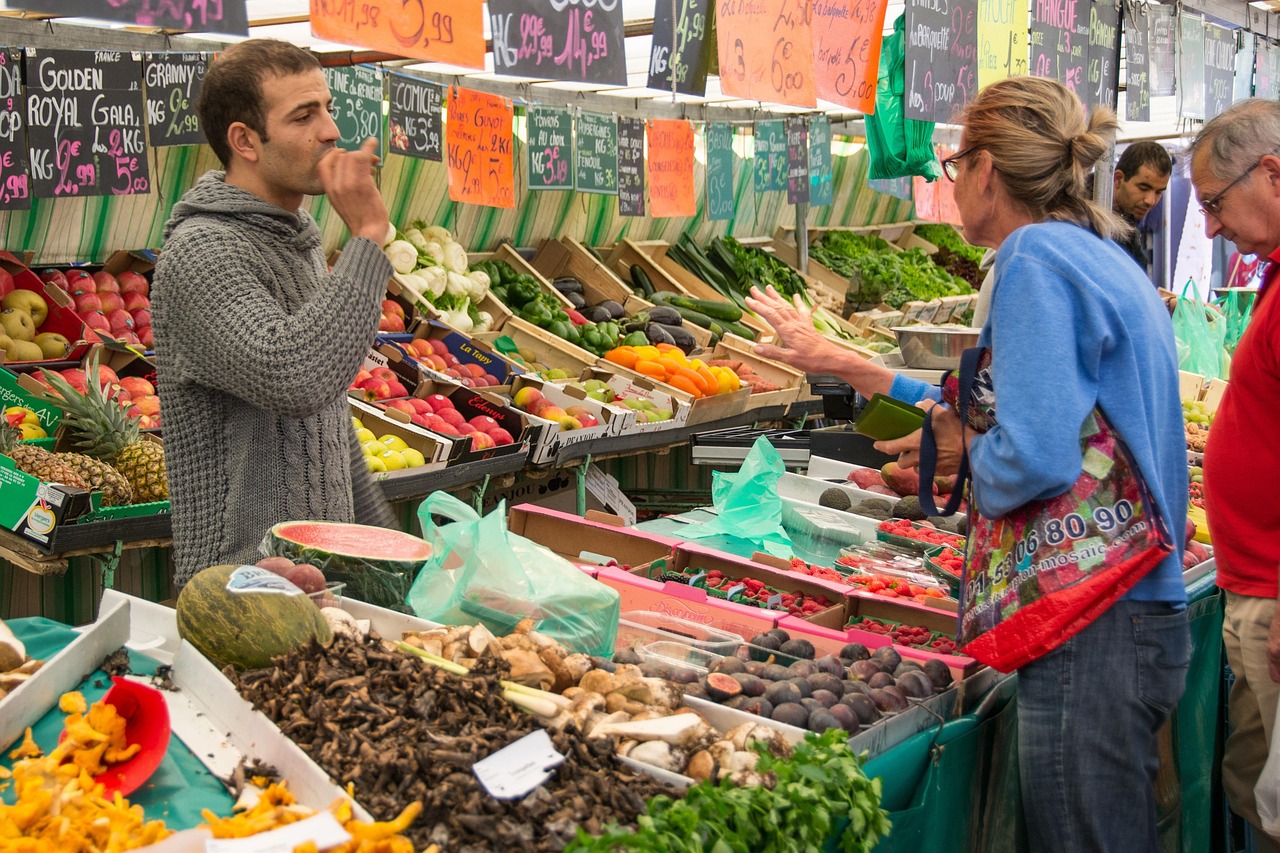
Paris is a city for eaters! Beyond the cliché (croissants, macarons, baguettes), discover complex, regional, seasonal flavors. Here’s how to eat like a true Parisian:
- Breakfast: A café crème and flaky croissant at your local boulangerie. Try Du Pain et des Idées in Canal Saint-Martin or Le Grenier à Pain in Montmartre.
- Lunch: Classic bistro plat du jour, quiche, or a jambon-beurre sandwich on the go.
- Dinner: Splurge on steak-frites, duck confit, or bouillabaisse. For casual eats, try falafel on Rue des Rosiers or crepes from Breizh Café.
- Markets: Marché Bastille (food + flowers, huge on Sundays), Rue Cler, or Marché des Enfants Rouges for street food.
- Desserts: Eclairs from L’Éclair de Génie, macarons at Pierre Hermé, or Berthillon ice cream on Île Saint-Louis.
- Wine & Cheese: Try Le Baron Rouge (Bastille) for an old-school wine bar experience, or order a plateau de fromages at a classic bistro.
Personal tip: I always save money by eating lunch “formule” (set menu) at bistros, and doing casual picnics for dinner—cheese, baguette, seasonal fruit, and a bottle of wine are all you need for a perfect Parisian evening by the river.
Paris Nightlife, Entertainment, and Cultural Experiences
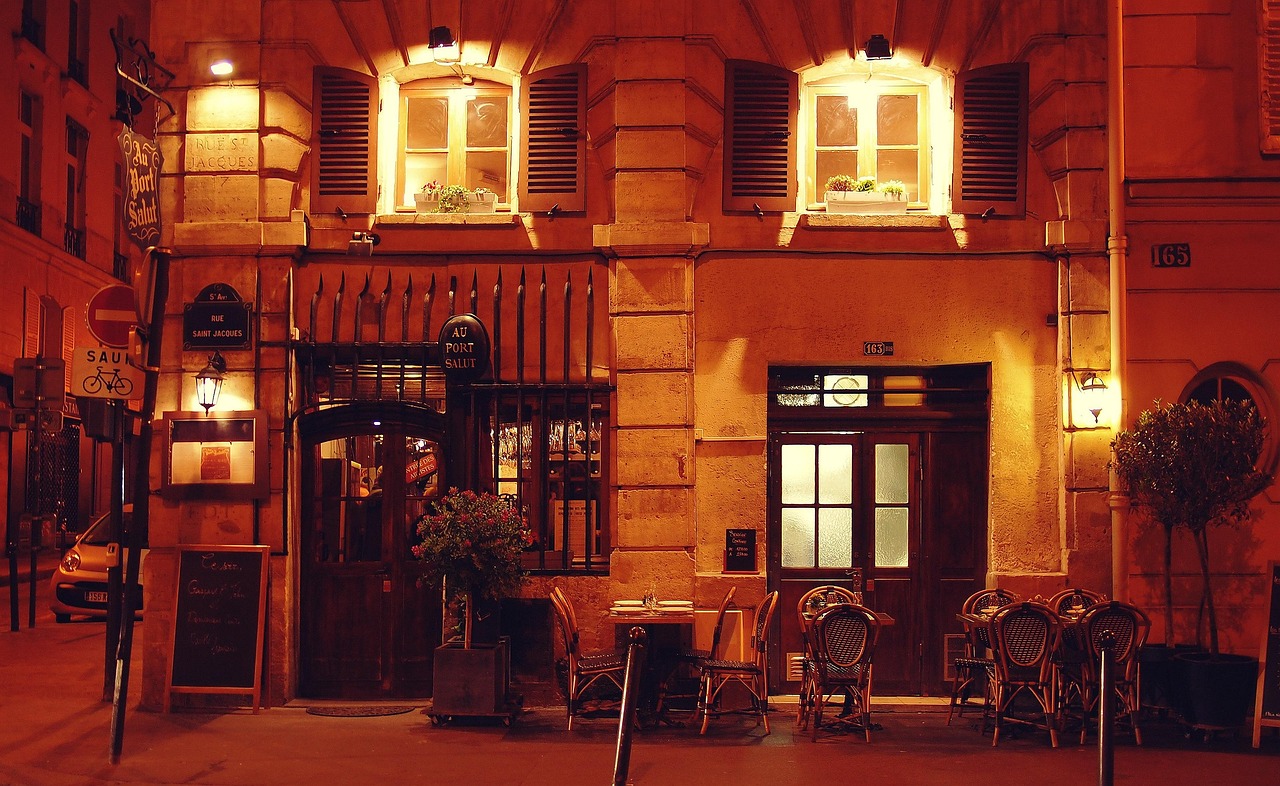
Paris at night is pure magic, and there’s something for everyone—opera, jazz, cabaret, or just a moonlit stroll along the Seine.
- Cabaret: The Moulin Rouge and Crazy Horse are world-famous. For budget options, check out Lapin Agile in Montmartre (authentic chanson!).
- Music & Concerts: Jazz clubs (Le Caveau de la Huchette), indie venues (La Maroquinerie), or catch a symphony at Philharmonie de Paris.
- Rooftop Bars: Le Perchoir, the rooftop at Galeries Lafayette, or Terrass’ Hotel for sparkling city views.
- LGBTQ+ scene: The Marais is home to legendary bars, drag shows, and lively streets all year round.
- Theatre: Even if you don’t speak French, Théâtre Mogador (musicals), and classic plays at Comédie-Française are atmospheric.
- Evening strolls: There’s nothing more romantic than walking along the Seine, past the glowing monuments and bookstalls, with the city lights reflected in the water.
Festival & Events 2025-2026:
- Fête de la Musique (June 21, 2025): Free music citywide, from classical quartets to rock bands.
- French Open (Roland-Garros, May-June): Tennis fans, this is Paris’ grand slam highlight.
- Bastille Day (July 14): Fireworks, parades, and dancing in the streets!
- Paris Fashion Week (Spring & Fall 2025): See the world’s best designers and the most fashionable crowds.
- Nuit Blanche (October): Paris’s “all-night arts festival” lights up museums and public spaces with installations, performances, and parties till dawn.
Day Trips from Paris: Castles, Villages, and More
- Versailles: The classic—with its palace, gardens, and long summer evenings. Buy tickets in advance, catch the RER C train, and spend the full day if you can.
- Château de Chantilly: Easy train trip, beautiful art collection, horse shows, and whipped cream famous across France!
- Fontainebleau: Quieter than Versailles, full of regal history and surrounded by lush forest—great for hiking.
- Giverny (Monet’s Gardens): A must-see for art lovers, especially in spring.
- Reims: Just 45 minutes by TGV, France’s Champagne capital lets you visit cellars, sample bubbles, and see a stunning Gothic cathedral.
- Disneyland Paris: Quick RER A ride for families—fun, fairytale, and an easy escape from city bustle.
Tip: For trains (SNCF/SNCF Connect), book online for best prices—many day trips are under an hour away!
Hidden Tips, Local Customs, & Travel Advice for Paris 2025
Getting Around
Paris public transport is fast, safe, and easy to use. Get a “Navigo Découverte” travel card (weekly pass) for unlimited metro, RER, buses, and trams—it’s a huge saver if you’re here 3+ days. For the full Parisian experience, rent a Velib’ bike or try the electric scooters. Walking is always the best way to explore!
Saving Money
- Buy museum passes (Paris Museum Pass) for skip-the-line entry and savings if you plan to see 3+ museums.
- Eat lunch at bistros (best value “formule” menus), picnic at markets for dinner.
- Book Eiffel Tower and Louvre tickets in advance to avoid premium “skip the line” tour prices.
- Drink your coffee at the counter (“au comptoir”) rather than sitting—cheaper and more Paris!
Local Etiquette & Customs
- Say “Bonjour” (hello) and “Merci” (thank you) when entering or leaving any shop—manners matter here!
- Dinner starts late (not before 7:30pm); cafés are for lingering, not working.
- Dress smart-casual; shorts/athletic wear are rare outside parks (and mark you as a tourist!).
- Parisians can seem reserved, but are polite—smile, be patient, and learn a few words of French for a warmer welcome.
Practical Advice
- SIM cards & Connectivity: Orange, Free Mobile, and SFR kiosks at the airport or main train stations—prepaid cards are cheap and have good coverage.
- Car rental: Not recommended inside Paris—public transport is easier. If road-tripping to the countryside, your foreign driver’s license (with translation) is accepted for most visitors. Highway tolls are common outside the city.
- Visas: Schengen visa for non-EU citizens; most Western countries have 90-day visa-free entry. Check official French government site for current rules.
Seasons & Events
- Spring (March–May): Gardens in bloom, sidewalk cafés, picnics by the river.
- Summer (June–August): Outdoor festivals, long days, but also bigger crowds—book early!
- Autumn (September–November): Fewer tourists, golden leaves, and bustling wine bars.
- Winter (December–February): Christmas markets, hearty food, museums and cozy cafés—plus lower prices.
Family tips: Parks, puppet shows, river cruises, and hands-on museums (Cité des Sciences, Jardin d’Acclimatation) make Paris surprisingly family-friendly.
Romantic ideas: Evening river walks, sunset from Montmartre, rooftop drinks, sunrise at the Trocadéro.
Adventurous ideas: Hot air balloon rides in Parc André Citroën, urban hiking through the Petite Ceinture (abandoned railway), or a street art tour in Belleville.
Summary: The Best of Paris Awaits You in 2025
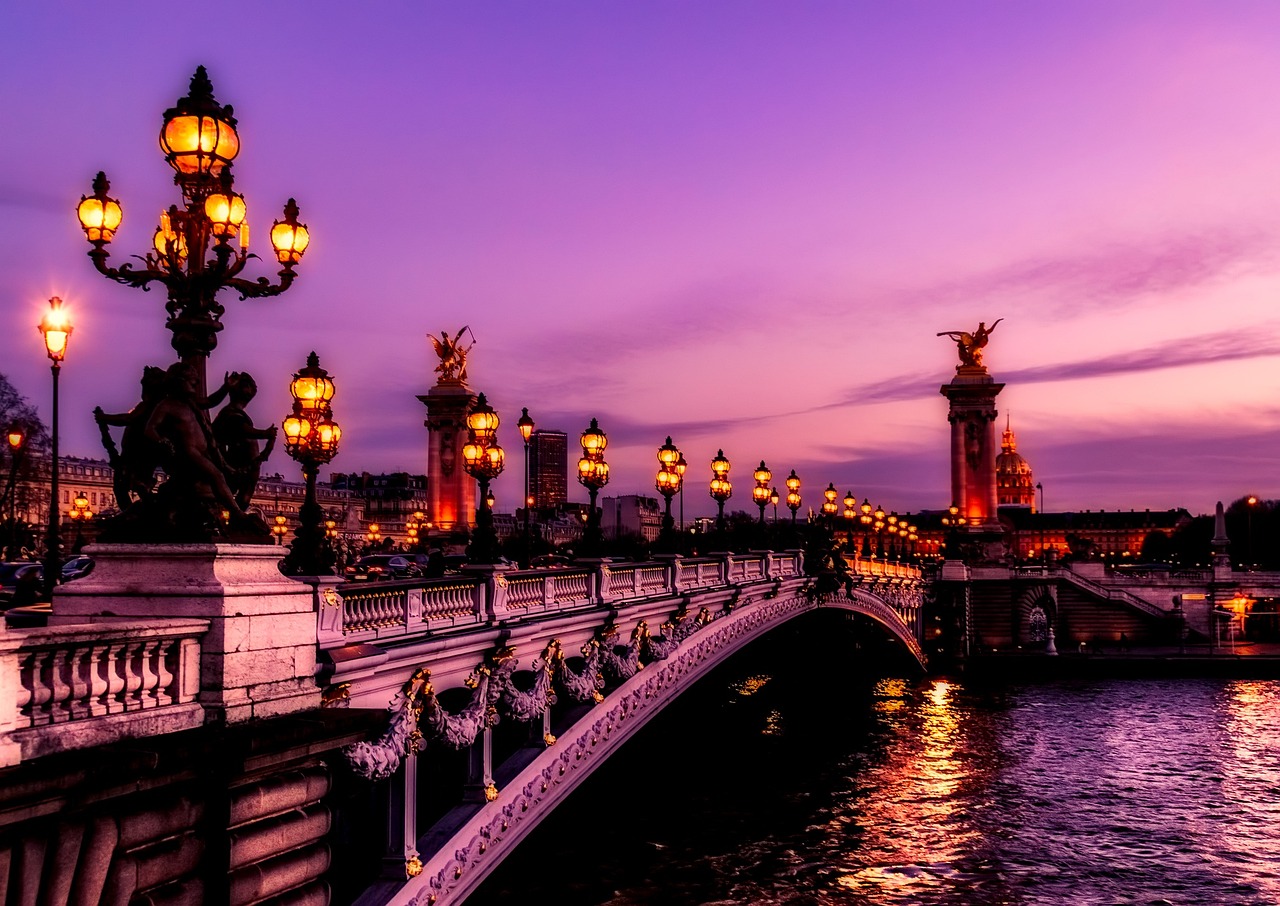
Whether you have a whirlwind 3 days in Paris, a leisurely 4 days in Paris, or a full 5 day itinerary for Paris, the most important thing is to let the city surprise you. Mix major sights with quiet discoveries, plan a few key meals but leave time for spontaneous joys—a hidden courtyard, a street-side accordionist, new friends met over wine along the river.
The must-see attractions in Paris are even better when balanced by the city’s quieter pleasures. Savor each neighborhood, sample the food, and don’t be afraid to wander. Paris rewards curiosity and a sense of adventure—and she’ll keep calling you back, year after year.
Key Takeaways:
- Book ahead for museums and the Eiffel Tower, but leave time to wander.
- Eat like a local: markets, bistros, picnics.
- Explore by foot or public transport—no car needed.
- Respect local customs, and learn a few words of French for the best experience.
- Spring and autumn are the best seasons, but Paris has charms each month of the year.
- Don’t try to do it all—Paris is a city to be savored, not conquered.
Bon voyage—your Parisian adventure, full of stories and secrets, awaits!