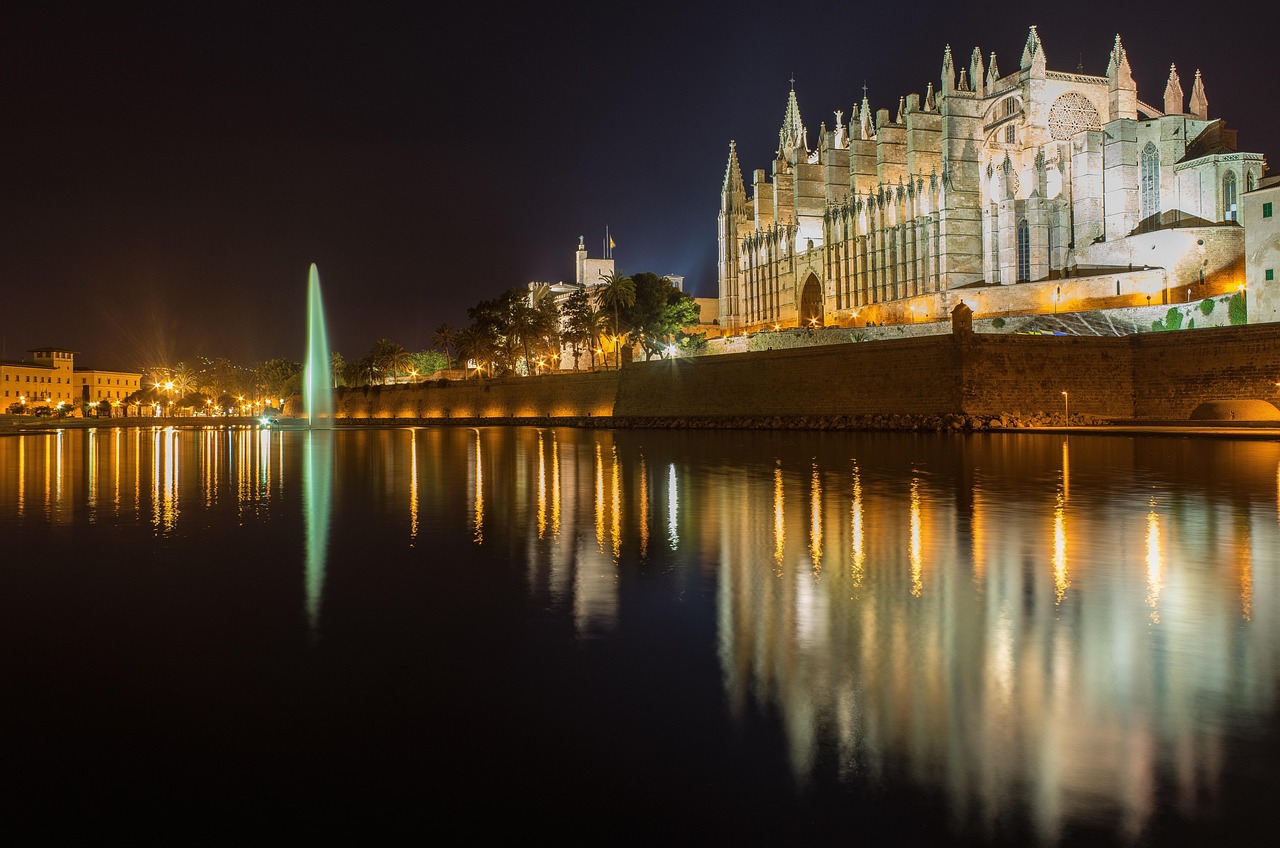
Why Visit Palma de Mallorca?
Each time my plane descends over Palma de Mallorca, I automatically lean toward the window. The copper roofs of the Old Town, the Gothic spires of La Seu Cathedral, the marina full of sailboats, and the turquoise curve of the bay never fail to make me smile. Palma is that rare Mediterranean city that manages to be both a laid‑back beach escape and a genuinely interesting cultural capital.
What makes Palma special is the mix: centuries of history layered into narrow lanes, vibrant food markets, grand modernist mansions, a working port, sandy beaches just a stroll or short bus ride from the center, and a proud Mallorcan culture that’s distinct from mainland Spain. This isn’t just a “resort town” – it’s a living, breathing city where locals buy their bread around the corner, kids play in the plazas, and you can move easily from tapas bar to art museum to sunset viewpoint in a single afternoon.
If you’re debating where to spend your next long weekend or week in Europe, Palma is an incredible base: compact, safe, walkable, full of things to do, and perfectly positioned for day trips into dramatic mountains and small coves.
This 2026 travel guide for Palma de Mallorca will walk you through:
- Must-see attractions in Palma de Mallorca and how to visit them like a local
- Detailed 3, 4, and 5 day itinerary options with personal, on-the-ground insights
- Neighborhoods to stay in and explore
- Local food in Palma de Mallorca and where to find the best bites
- Cultural experiences and local customs to know before you go
- Hidden gems in Palma de Mallorca that most visitors miss
- Practical travel advice for Palma de Mallorca: transport, SIM cards, money-saving tips, and more
Table of Contents
- Why Visit Palma de Mallorca?
- Palma de Mallorca at a Glance (2026)
- Suggested Itineraries: 3, 4 & 5 Days in Palma de Mallorca
- 20+ Must-See Attractions in Palma de Mallorca (Deep Dive)
- Best Neighborhoods & Areas to Explore
- Local Food & Drink in Palma de Mallorca
- Nightlife, Entertainment & Cultural Experiences
- Best Day Trips from Palma de Mallorca
- Cultural Etiquette & Local Customs
- Practical Travel Advice for Palma de Mallorca
- Major Events & Festivals 2026–2027
- Summary & Best Time to Visit
Palma de Mallorca at a Glance (2026)
Palma is the capital of the Balearic Islands and the cultural and economic heart of Mallorca. With a population of around 420,000, it’s big enough to be interesting but small enough that you can walk across the historic center in about 20 minutes.
Over the last few years I’ve watched Palma step more clearly into a dual identity: on one side, a polished Mediterranean city with boutique hotels, concept stores, and a thriving restaurant scene; on the other, a fiercely proud Mallorcan town that still shuts for siesta and celebrates traditional festes with fire dancers and giants in the streets.
In 2026, the city is focusing more than ever on sustainable tourism: encouraging visitors to stay longer (hello 4 day and 5 day itineraries) and venture beyond the usual old-town-beach combo. Public transport has been improved (new electric buses, extended bike lanes), and several heritage buildings have opened new exhibits.
Suggested Itineraries: 3, 4 & 5 Days in Palma de Mallorca
Before diving into the deep-dive attraction guide, here’s how I’d structure your trip depending on how long you have. All of these can be adjusted based on whether you prefer museums, beaches, or food-focused wandering.
3 Day Itinerary for Palma de Mallorca
If you only have 3 days in Palma de Mallorca, focus on the essentials: the historic center, the seafront, and one good excursion out of the city.
- Day 1: La Seu Cathedral, Parc de la Mar, Old Town wander (La Calatrava & Casco Antiguo), Arab Baths, tapas night.
- Day 2: Castell de Bellver, Santa Catalina neighborhood, Es Baluard Museum, sunset drinks by the marina.
- Day 3: Beach day at Cala Major or Playa de Palma, or a half-day trip on the vintage train to Sóller.
4 Day Itinerary for Palma de Mallorca
With 4 days in Palma de Mallorca, you can slow down a bit and add either more culture or more coastline.
- Day 1: Cathedral & Old Town highlights.
- Day 2: Bellver Castle, Santa Catalina, seafront promenade.
- Day 3: Sóller & Port de Sóller by vintage train and tram.
- Day 4: Beach + modernist and contemporary Palma (Can Balaguer, Gran Hotel, Es Baluard).
5 Day Itinerary for Palma de Mallorca
A 5 day itinerary for Palma de Mallorca is ideal. You can see the must-sees, enjoy local food slowly, and still have time to get lost in side streets and cafés.
- Day 1: Iconic Palma – Cathedral, Parc de la Mar, Old Town, Arab Baths, La Lonja at night.
- Day 2: Bellver Castle, Joan Miró Foundation, Cala Major beach, Porto Pi viewpoint.
- Day 3: Vintage train to Sóller, Port de Sóller, optional hike or boat trip.
- Day 4: Santa Catalina market, Es Baluard, shopping and modernist architecture, food-focused evening.
- Day 5: Day trip to Valldemossa & Deià or a full relaxed beach and chiringuito day around Palma.
Below, I’ll walk you through a detailed, story-style 5 day itinerary, then dive into long-form sections on at least 20 of the best places to visit in Palma de Mallorca, with history, tips, and personal notes.
My Detailed 5 Day Itinerary for Palma (With Personal Notes)
I’ve followed some version of this 5 day plan on three separate trips (most recently in spring 2025, updating details now for 2026). It balances iconic sights with hidden gems, and you can easily trim to 3 or 4 days if you need to.
Day 1: First Taste of Palma – La Seu, Parc de la Mar & Old Town
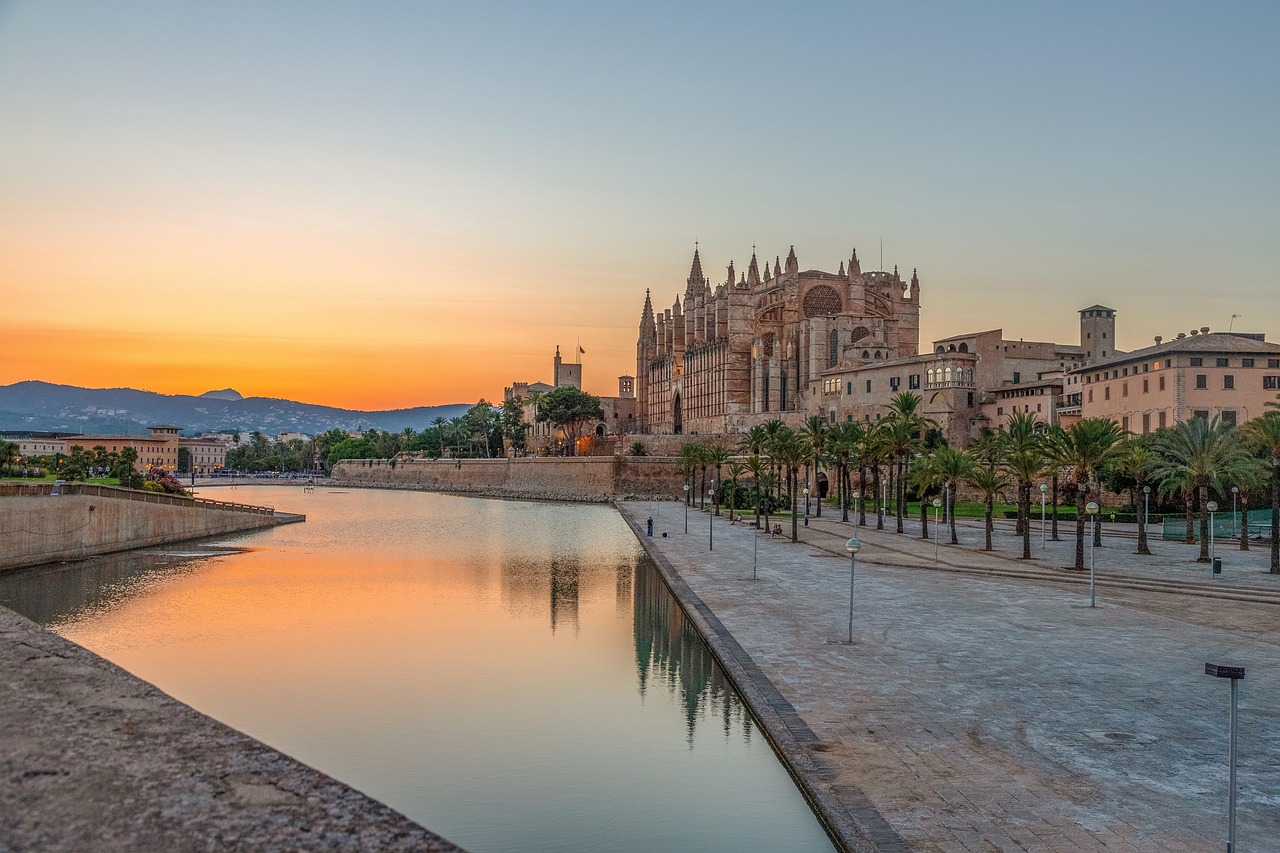
I like to start my first morning in Palma by heading straight toward the water. Even if my hotel is inland in the Old Town, I’ll walk downhill until the sea breeze hits my face and the massive golden stone wall of La Seu Cathedral rises in front of me.
Morning: La Seu Cathedral & Parc de la Mar
La Seu Cathedral is the most iconic of all the must-see attractions in Palma de Mallorca, and for good reason. Construction began in the 13th century after King Jaume I conquered the island, and it dominates the skyline from almost every angle. I’ve visited it in blazing August heat and in soft March light; every time, the interior still makes me stop walking for a second when I step in.
Arrive just after opening (usually 10:00, but confirm current times), buy your ticket, and include access to the terraces if it’s on offer during your visit. The terraces tour is where the phrase “best view of Palma de Mallorca” becomes literal – you’re right up among the flying buttresses, looking down over the bay.
- What to look for: the huge central rose window (one of the biggest in the world), the reform work by Gaudí in the early 20th century (the suspended baldachin), and the more contemporary chapel designed by Miquel Barceló, with its oceanic, almost skeletal ceramic reliefs.
- Time needed: 1.5–2 hours if you include terraces.
- Tip: Shoulders should be covered; bring a light scarf. Buy tickets online in peak season to avoid lines.
Afterwards, walk down the steps to Parc de la Mar. This park was once part of the sea itself; now it’s a broad promenade and artificial lake mirroring the cathedral. On my last visit I sat on the low wall here with a takeaway coffee from a kiosk and just watched joggers, dog-walkers, and kids on scooters. If you’re visiting with family, this is a great place to let children run off steam.
Midday: Getting Lost in the Old Town (Casco Antiguo)
From Parc de la Mar, I usually head back up into the maze of the Old Town. This is classic itinerary territory for any 3 day itinerary for Palma de Mallorca: you’ll weave through narrow alleys, stumble upon quiet courtyards, and cross tiny plazas with orange trees.
Wander without a strict plan, but aim generally toward:
- Plaça de Cort – the city hall square, with its centuries-old olive tree.
- Carrer de Sant Miquel – one of the main pedestrian shopping streets.
- Plaça Major – the main square, often with small markets and street performers.
On my last trip, I ducked into a random doorway off Carrer de la Bosseria and discovered a cool stone patio with a hidden café, the kind of spot where office workers grab a quick cortado. This is why you shouldn’t race from sight to sight; Palma rewards curiosity.
Lunch: Tapas or Menu del Día
By now, you’ll be hungry. Look for a spot offering a menú del día – a fixed-price lunch menu – in or just outside the tourist core. These are one of my favorite ways to save money in Palma de Mallorca while eating really well.
In 2025 I had a memorable lunch near Plaça Major: a simple, bustling place where the menu offered pa amb oli (local bread with tomato, olive oil, and toppings) and a hearty frito mallorquín as a main. The owner insisted I try the house hierbas (herbal liqueur) afterwards “for digestion.” It worked – or at least I left very happy.
Afternoon: Arab Baths & La Calatrava
In the afternoon, head toward one of Palma’s true hidden gems: the Arab Baths (Banys Àrabs), tucked into the La Calatrava neighborhood. This tiny site is all that’s left of the Moorish city that predated Christian Palma, but stepping through the low door into the cool garden feels like time travel.
- What to expect: A small garden and a single domed room with star-shaped openings, stone columns (many recycled from Roman buildings), and a quiet, contemplative atmosphere.
- Time needed: 20–30 minutes.
- Tip: It’s cash-only and inexpensive. Pair it with a slow wander through La Calatrava’s quiet streets, which feel more local than the areas directly around the cathedral.
I like to end the afternoon sitting on a bench in a little square like Plaça de Sant Jeroni, watching older residents gossip in Mallorquín. It’s a good reminder that Palma isn’t a theme park – it’s someone’s home.
Evening: Sunset in La Lonja & Tapas Night
As the light turns golden, walk down toward the La Lonja district, close to the waterfront. On my last spring visit, I watched the sky slowly shift from pink to deep blue, the stone facades glowing.
Grab a pre-dinner drink at a bar with small outdoor tables. Then go for a tapas crawl: pick two or three spots and order a couple of plates in each – grilled octopus, croquettes, pimientos de padrón, and local cheeses. If you’re traveling as a couple, this makes for a very romantic first night in Palma. Families with kids often eat earlier; many spots will happily adjust portion sizes for children.
Day 2: Bellver Castle, Santa Catalina & the Seafront
On my second day in Palma, I like to combine a bit of climbing, a bit of art, and a lot of food. The goal: a perfect arc from city views in the morning to a lively evening in Santa Catalina.
Morning: Climbing to Castell de Bellver
Castell de Bellver is one of the most distinctive castles in Spain – a rare circular fortress sitting on a pine-covered hill west of the center. I still remember my first ascent: a steady climb through trees, the smell of pine and warm stone, and then that sudden reveal of the round courtyard framed by Gothic arches.
- How to get there: Bus from Plaça d’Espanya (lines vary by season; ask at the TI) or a 30–40-minute uphill walk if you’re feeling energetic. Taxis are inexpensive if you’re pressed for time.
- What to see: The central courtyard, the city museum inside (covering Palma’s history), and the panoramic views from the battlements across the bay and Old Town.
- Family tip: Kids love the castle’s “fairytale” shape and the wide open courtyard where they can explore.
Midday: Joan Miró Foundation or Cala Major
From Bellver, either head down toward the waterfront or catch a bus/taxi slightly further west to the Fundació Miró Mallorca. This museum and studio complex was one of Joan Miró’s creative bases, and visiting feels almost intimate – like stepping into an artist’s mind.
I visited on a hot afternoon one August. Inside, the light was soft, filtering through big windows onto canvases, sketches, and sculptures. Miró’s former studio, left almost as if he’d just stepped out for coffee, was my favorite part – jars of brushes, spattered floors, half-finished ideas pinned to the walls.
- Time needed: 1–2 hours.
- Tip: Combine with lunch nearby or head down to Cala Major beach for a swim afterwards.
Cala Major is a small but sandy urban beach backed by hotels. It’s not a remote cove, but it’s perfect for a refreshing dip. I often grab a simple beach bar (chiringuito) lunch here: grilled fish, salad, and a cold beer.
Afternoon & Evening: Santa Catalina Neighborhood
Make your way back toward town and aim for the Santa Catalina neighborhood, just west of the Old Town. Historically a fishing district, it’s now one of the trendiest areas in Palma, full of bars, restaurants, and design shops, but it still feels lived-in.
At the heart of it all is Mercat de Santa Catalina, the neighborhood food market. If you arrive before closing (typically early/mid afternoon), wander the stalls: glistening fish, fragrant tomatoes, olives, and small bars where locals snack on oysters and cava.
Later, after a rest at your hotel, come back for dinner. I’ve had some of my favorite meals in Palma right here – from modern tapas to traditional Mallorcan dishes with a twist. This is a great area for nightlife in Palma de Mallorca: bars range from chilled wine spots to more energetic cocktail places. It’s lively but less rowdy than the party strips near Playa de Palma.
Day 3: Sóller & Port de Sóller – Vintage Train Adventure
If you have at least 4 days in Palma de Mallorca, dedicate one full day to Sóller. If you’re only here for 3 days, consider swapping this in for your beach day. It’s one of my favorite experiences anywhere on the island.
Morning: Vintage Train from Palma to Sóller
The wooden train to Sóller – Tren de Sóller – departs from its own little station near Plaça d’Espanya. Buy tickets ahead in high season (online or at the station) and aim for a morning departure.
The journey itself is the star: rattling through the outskirts of Palma, then slowly climbing into the Serra de Tramuntana mountains, through olive groves and citrus orchards. In 2024, I sat in a carriage filled with a mix of locals commuting and tourists pressing faces to the windows. When the train stopped at a viewpoint before plunging through a tunnel, everyone piled out to snap photos and breathe in the mountain air.
Midday: Sóller Town & Port de Sóller
In Sóller, spend an hour or two in the main square, Plaça de la Constitució, with its striking modernist church façade and the Gran Hotel. Have a coffee under the trees, wander a few side streets, then hop on the old-fashioned tram down to Port de Sóller.
Port de Sóller is a horseshoe-shaped bay lined with restaurants, small hotels, and boats bobbing in the water. I usually pick a seafront place for lunch – fresh fish, a plate of paella to share, or simple calamares a la romana for something lighter.
In the afternoon, swim, stroll around the bay, or take a short coastal walk up toward the lighthouse for views back over the port.
Evening: Back to Palma
Return by tram and train in the late afternoon or early evening. If you’re not too tired, grab a simple dinner near your accommodation in Palma or revisit a favorite tapas bar from night one. The day is quite family friendly – kids usually love the vintage train and tram – and it’s equally romantic if you’re traveling as a couple.
Day 4: Markets, Museums & Modernist Palma
By Day 4, I like to slow down and enjoy the “everyday” city life: food markets, small museums, and shopping streets. This is also a good day to adjust based on weather.
Morning: Mercat de l’Olivar
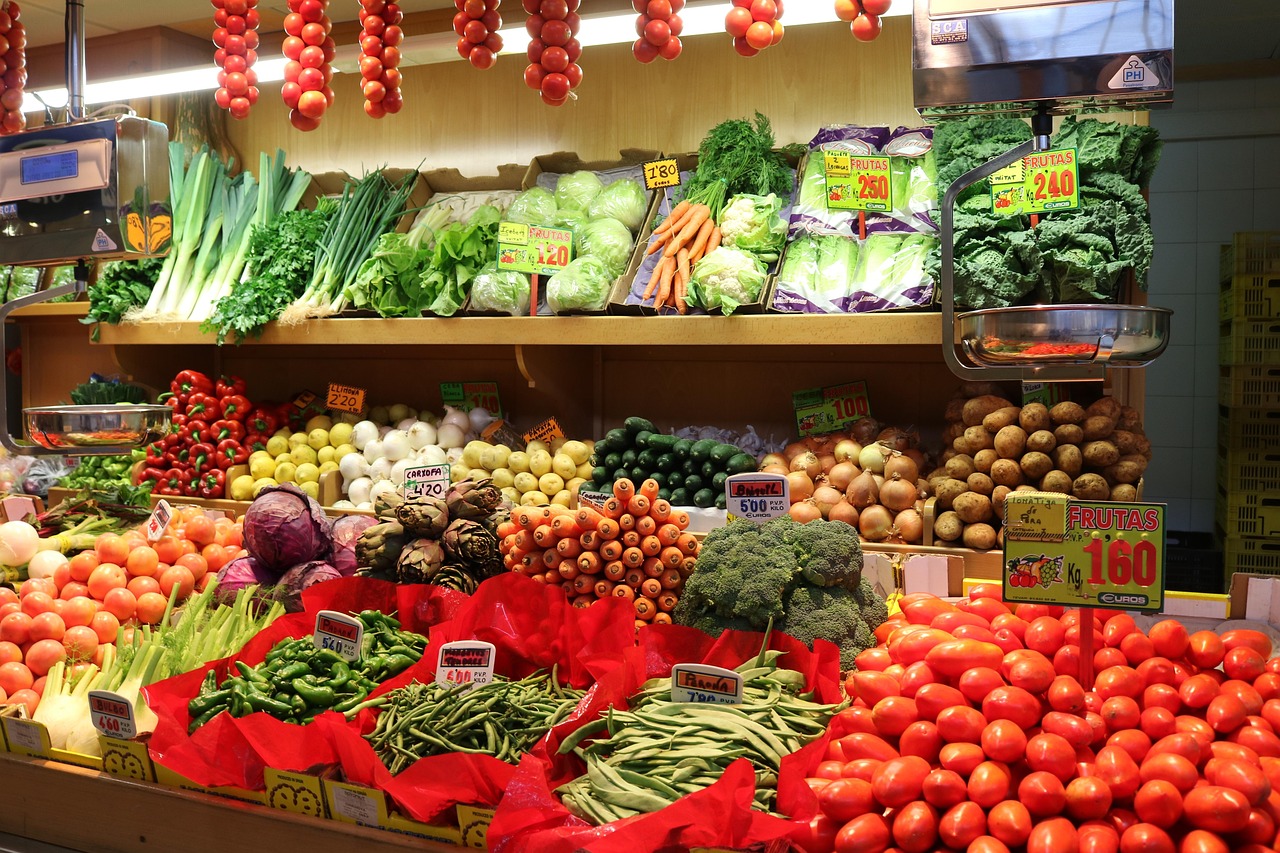
Start at Mercat de l’Olivar, Palma’s biggest central market, just north of Plaça d’Espanya. This is one of the best places to visit in Palma de Mallorca for food lovers. On my last visit, I spent an hour just walking the aisles: locals comparing tomatoes, fishmongers calling out prices, baskets of sobrassada and local cheeses.
- Do: Have breakfast or brunch inside – many stalls serve coffee, tortilla, oysters, or sushi made from market fish.
- Buy: Local almonds, olive oil, or a vacuum-packed sobrassada (if your customs rules allow).
Late Morning: Modernist Architecture & Can Balaguer
From the market, stroll toward the Old Town via some of Palma’s modernist buildings. The Gran Hotel (now housing an art foundation) is a standout. I love its ornate façade and the way it catches the light in late morning.
Continue to Can Balaguer, a beautifully restored aristocratic house that offers a glimpse into Palma’s bourgeois life from the 18th to 20th centuries. It’s often quiet, and walking through its salons, courtyards, and music room feels like stepping into a period film.
Afternoon: Es Baluard Museum & Passeig Marítim
Next up: Es Baluard Museu d’Art Contemporani. Perched on old city walls, it’s both an art museum and an architectural experience. The permanent collection includes Balearic artists and international names; temporary exhibits often engage with Mediterranean themes.
Even if you’re not deeply into art, the terraces alone are worth it – fantastic views of the cathedral, the harbor, and the sea. I once spent an entire hour on a bench here sketching the skyline and watching ferries glide in and out.
Afterward, wander down to the Passeig Marítim, the long seafront promenade. This is a great time to rent a bike or e-scooter (there are multiple rental spots along the marina) and cruise the flat path toward Portixol if you like. Or just walk, grab an ice cream, and enjoy the salty air.
Evening: Shopping & Casual Dinner
Back in town, explore the shopping streets around Passeig del Born and Jaume III – a mix of international brands and local boutiques. For dinner, consider something more low-key: a neighborhood restaurant offering Mallorcan specialties like arroz brut (a rich, “dirty” rice stew), tumbet (a local take on ratatouille), or slow-cooked lamb.
Day 5: Beaches or Mountain Villages – Your Choice
For your last day, decide which side of Mallorca you want more of: sea or mountains. If you’re doing only a 4 day itinerary for Palma de Mallorca, choose based on your mood and the weather forecast.
Option A: Beach Day Near Palma
Stay local and enjoy Palma’s urban beaches and nearby coastal neighborhoods:
- Portixol & Molinar: Walk or bike east along the seafront to these former fishing villages, now relaxed residential areas with low-rise houses, small beaches, and a string of cafés and restaurants. I love having a long lunch on a terrace here, toes almost in the sand.
- Playa de Palma: A long sandy beach stretching east; more resorty, but if you walk away from the busiest sections, you can still find quieter patches.
Beach days are obviously very family friendly, but they can be romantic too – sunset walks and a glass of wine watching the sea.
Option B: Valldemossa & Deià Day Trip
Alternatively, take a bus or drive to the stone villages of Valldemossa and Deià in the Tramuntana mountains. These are classic “best places to visit in Mallorca” for good reason: honey-colored stone houses, mountain views, and a slower pace.
- Valldemossa: Visit the Carthusian monastery where Chopin once stayed, stroll flower-lined streets, and try a local coca de patata (sweet potato bun) with hot chocolate or coffee.
- Deià: A small, artsy village clinging to the hillside. Have lunch with a view, or walk down to Cala Deià (rocky but beautiful) for a swim.
This option is ideal if you’re craving nature, stone villages, and cooler air in summer. Buses run regularly from Palma bus station; driving gives more flexibility but parking can be tight in peak season.
20+ Must-See Attractions in Palma de Mallorca (Deep Dive)
Now let’s go deeper into the main attractions and hidden gems in Palma de Mallorca. These are the places I return to repeatedly and recommend to friends. For each, I’ll share history, significance, and personal tips.
1. La Seu – Palma Cathedral
Why go: If you only see one thing in Palma, make it this. The cathedral is the city’s symbol and one of Spain’s most impressive Gothic churches.
History & significance: Construction began in 1229, on the site of a former mosque, soon after King Jaume I took Mallorca from Moorish control. It took centuries to finish, resulting in a blend of styles, though Gothic dominates. In the early 1900s, Antoni Gaudí was invited to modernize parts of the interior; he added the famous baldachin and reconfigured the choir. In the 21st century, artist Miquel Barceló created the dramatic ceramic and glass work in the Chapel of the Holy Sacrament.
My experience: On my most recent visit, I timed it for mid-morning when the sun was shining through the huge rose window. Colored light spilled across the stone, painting soft circles on the pillars. I found a side pew and just sat, listening to the soft shuffle of other visitors and the occasional echo of footsteps in the side chapels.
- Best time: Early morning or late afternoon for softer light and fewer crowds.
- Family friendly? Yes, though younger kids may not last long. Combine with Parc de la Mar for playground time.
- Romantic? Very, especially if you take the terraces tour at sunset in season.
2. Parc de la Mar
Why go: Best close-up city-and-sea views; a place to feel the breeze, take photos, and get your bearings.
History: Built in the 1970s when part of the old seafront was reclaimed from the sea, the park’s main feature is the large artificial lake mirroring the cathedral and Almudaina Palace.
My tip: Come at golden hour when the stones glow and locals gather. Food trucks and events sometimes pop up here in summer; check local listings.
3. Royal Palace of La Almudaina
Why go: Right next to the cathedral, this palace tells the story of Palma’s transformation from Islamic to Christian rule.
History: Originally an Islamic alcázar, the building was adapted after the Christian conquest and is still an official royal residence when Spain’s royal family visits Mallorca. Inside you’ll find tapestries, courtyards, and royal chambers.
My experience: I’ve visited twice. The first time I rushed through; the second, I slowed down and spent more time in the courtyard, imagining courtly life centuries ago. The views from the ramparts over Parc de la Mar are underrated.
Tip: Combine with the cathedral in one morning; tickets and opening times are posted at the entrance.
4. Arab Baths (Banys Àrabs)
Why go: A small but atmospheric surviving piece of Moorish Palma; one of the city’s best hidden gems.
History: Dating from the 10th–12th centuries, the baths are thought to have been part of a noble residence. The surviving room, with its columns and domed ceiling, would have been the hot room.
My tip: Don’t expect a large site; instead, treat it as a quiet, almost meditative pause in your day. Sit in the garden and listen to the water fountain for a few minutes.
5. Castell de Bellver
Why go: Unique circular castle with sweeping views; great for history lovers and photographers.
History: Built in the 14th century for King Jaume II, Bellver has served as a royal residence, military prison, and now a museum. Its circular layout is unusual in European castle design.
My experience: I love walking the upper ramparts, where you can see the cathedral, the port, and the far curve of the bay all at once. On one winter visit, a cold wind whipped around the top, but the clarity of the light was incredible – I could even make out snow-tipped peaks in the distant Tramuntana.
6. Es Baluard Museum of Modern & Contemporary Art
Why go: For art, yes, but also for the architecture and views.
Exhibits: Works by Miró, Barceló, and other Balearic and international artists. Temporary shows often explore Mediterranean identity, climate, and politics.
My tip: After visiting the galleries, have a coffee or drink at the museum café terrace. It’s one of my favorite semi-secret viewpoints in the city.
7. Fundació Miró Mallorca
Why go: To connect with one of Spain’s great artists in a more personal way than in big city museums.
History: Miró had deep ties to Mallorca; his mother was from the island and he chose Palma as his home in later life. The foundation complex includes his studios and a museum designed by Rafael Moneo.
My experience: Standing in Miró’s studio, I felt that mix of chaos and order that creative spaces have – paint-splattered floors, stacked canvases, and carefully arranged objects of inspiration. It’s easy to imagine him pausing at the big north-facing window, looking out toward the sea.
8. Mercat de l’Olivar
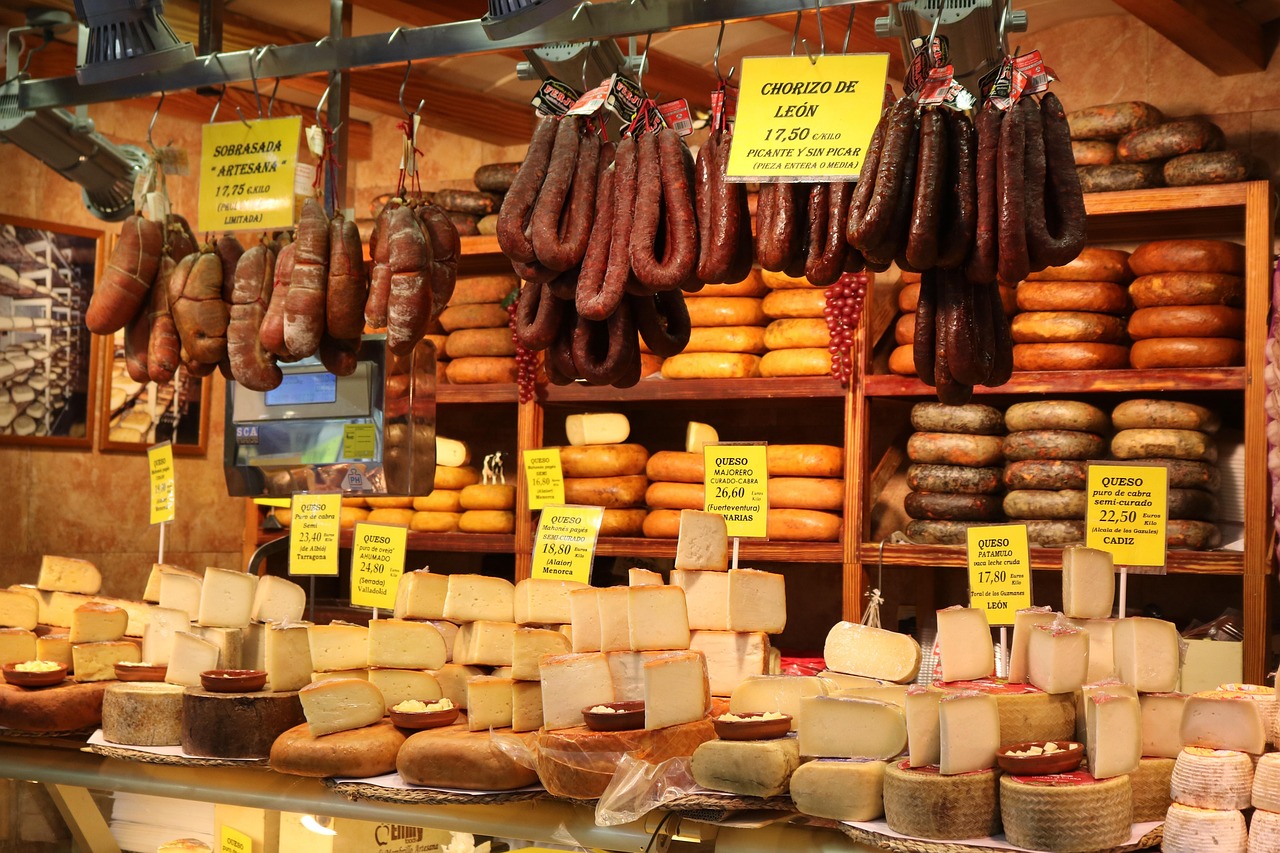
Why go: This is where Palma shops and eats. If you care about food, it’s essential.
My routine: I like to start with a coffee at one of the central bars, then walk the fish section (it’s a spectacle), then choose a stall for a late breakfast of tortilla or a seafood snack. If I’m self-catering, I’ll buy picnic supplies here.
9. Santa Catalina Neighborhood & Market
Why go: Trendy yet authentic area, full of life day and night.
Highlights: The market in the morning, then the restaurants and bars in the evening. Colorful house facades, small boutiques, and a relaxed but lively vibe.
Tip: This is an excellent neighborhood to stay in if you want easy access to both the Old Town and nightlife.
10. La Lonja & Passeig Sagrera
Why go: See one of Europe’s most beautiful civil Gothic buildings and enjoy a buzzing evening district.
History: La Lonja was built in the 15th century as a merchants’ exchange, a sign of Palma’s importance in Mediterranean trade. Its interior is a forest of slender columns branching like palm trees.
My experience: On a quiet morning visit, I had the hall almost to myself. The stillness and repetitive arches felt almost like a stone cathedral for commerce. At night, the area transforms into one of the city’s liveliest restaurant and bar zones.
11. Palma Old Town (Casco Antiguo)
Why go: The real attraction isn’t a single site, but the network of streets themselves.
What to look for: Noble houses with inner courtyards (patios), small churches, artisan workshops, and glimpses of daily life. Guided walking tours can help you understand the layers of history here, but solo wandering is equally rewarding.
12. Portixol & Molinar Seafront
Why go: A more local-feeling stretch of coastline east of Palma, ideal for walking, biking, and long seaside lunches.
My experience: One October afternoon, after days of museums and city walks, I rented a bike and rode to Portixol. The sun was warm but not harsh, the path flat and easy. I stopped for grilled cuttlefish at a restaurant where the conversation at the next table switched between Spanish, Mallorquín, and German – a very Palma mix.
13. Palma’s Urban Beaches (Can Pere Antoni & Ciudad Jardín)
Why go: Quick sand-and-sea fix without leaving the city.
Tip: Walk or bike from the center. These aren’t the island’s most dramatic beaches, but for a spontaneous swim, they’re perfect.
14. Gran Hotel & Modernist Palma
Why go: To appreciate Palma’s early 20th-century building boom and elegant urban planning.
History: The Gran Hotel opened in 1903 and is an example of Catalan modernism. Today, it houses the CaixaForum cultural center.
My tip: Sit on a bench in front of the hotel on Passeig del Born with a takeaway gelato and people-watch. The flow of locals and visitors here is endless entertainment.
15. Can Balaguer
Why go: A beautifully restored townhouse showing how Palma’s elite once lived.
My experience: I visited on a rainy winter afternoon and had most rooms to myself. The furniture, pianos, and patterned tiles create an atmosphere that’s both grand and homey. If you like house museums, don’t miss it.
16. Palma Aquarium (Family Favorite)
Why go: If you’re traveling with kids, this is a must; even as an adult, I enjoyed the tanks and conservation focus.
Location: Near Playa de Palma, a short bus or taxi ride east of the center.
Tip: Combine with a beach afternoon at Playa de Palma for a full family day.
17. Passeig del Born & Jaume III
Why go: Palma’s elegant central boulevard, lined with trees, fountains, and shops.
My experience: This is my default “I need a walk but don’t want to get lost” route. In December, the Christmas lights make it magical; in June, the shade of the plane trees is a blessing.
18. Nightlife Areas: La Lonja, Santa Catalina & Paseo Marítimo
Why go: To experience Palma after dark. The city has a fun but mostly relaxed nightlife scene, with something for everyone.
Areas:
- La Lonja: Tapas bars, wine bars, and some late-night spots in historic buildings.
- Santa Catalina: Trendy bars and restaurants, craft cocktails, and a younger crowd.
- Paseo Marítimo: Larger clubs, hotel bars with sea views, and places to dance into the night.
19. Museu de Mallorca
Why go: To understand the island’s history from prehistoric times to the modern era.
Tip: If you’re someone who likes context, visit here early in your trip. It will enrich your experience of other sites.
20. Contemporary Palma: Galleries, Street Art & Cultural Centers
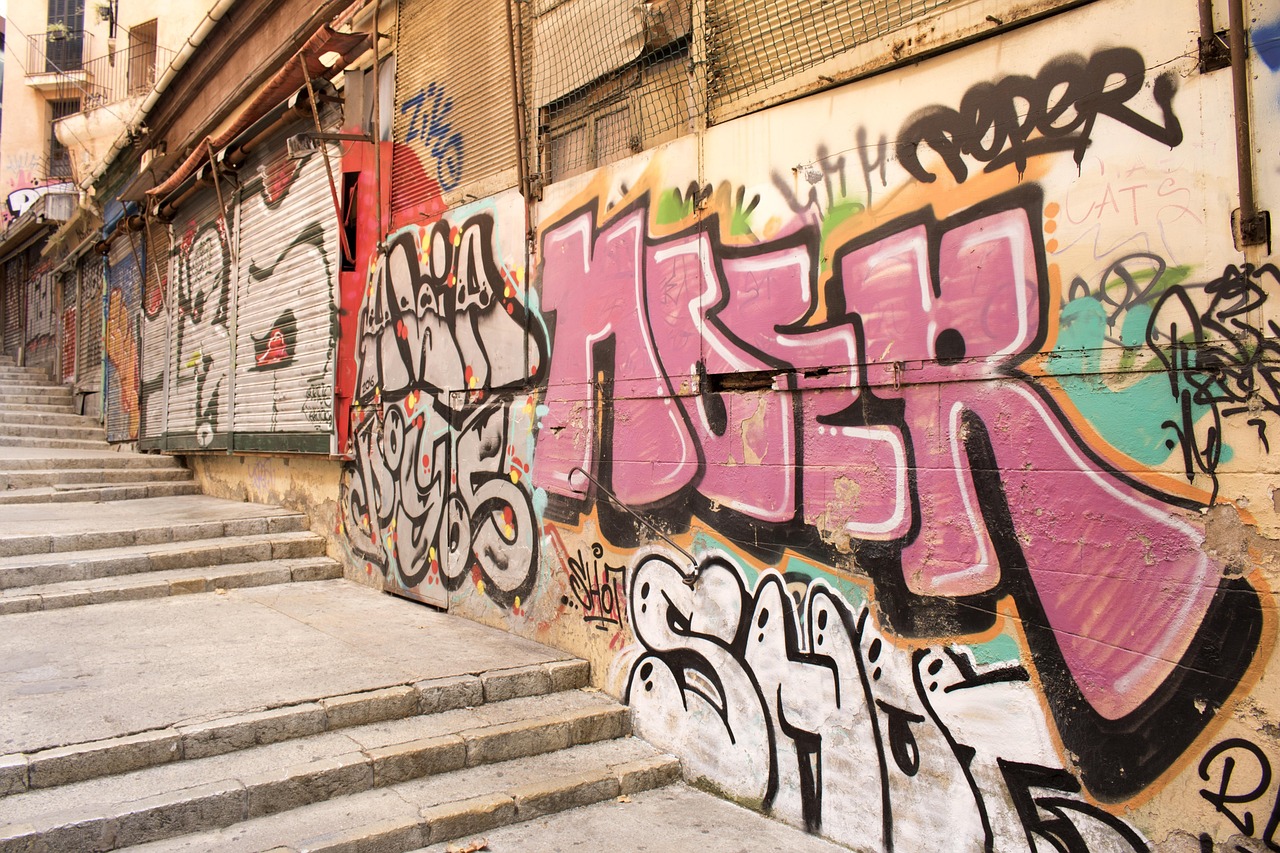
Why go: Palma isn’t just about old stones; it has a thriving contemporary arts scene.
What to look for: Small galleries in side streets, occasional street art in more bohemian areas, and cultural centers like Casal Solleric on Passeig del Born.
My experience: I once followed a gallery night trail in the Old Town – a local initiative where spaces opened late with free entry and a glass of wine. Check what’s on while you’re in town; Palma often surprises.
Best Neighborhoods & Areas to Explore in Palma
Casco Antiguo (Old Town)
Vibe: Historic, atmospheric, maze-like. Perfect if you love walking everywhere and don’t mind some noise and stairs.
Best for: First-time visitors, romantic trips, photography.
La Calatrava
Vibe: Quiet, residential, tucked behind the cathedral. Narrow lanes, small squares.
Best for: Those who want Old Town charm with slightly fewer crowds.
Santa Catalina
Vibe: Trendy, foodie, a mix of locals and expats.
Best for: Nightlife, food lovers, younger travelers, digital nomads.
El Terreno & Bellver Area
Vibe: Hilly, leafy, with views over the bay. Once a bohemian area, now in a process of quiet revival.
Best for: Longer stays, those who want more space and don’t mind walking hills.
Portixol & Molinar
Vibe: Coastal, relaxed, former fishing villages turned desirable residential areas.
Best for: Families, runners/cyclists, anyone who wants to wake up by the sea but still be close to town.
Local Food & Drink in Palma de Mallorca
The food scene is one of the biggest reasons I keep returning to Palma. It’s where Mediterranean simplicity meets hearty island traditions.
Must-Try Local Dishes
- Pa amb oli: Rustic bread rubbed with tomato and garlic, drizzled with olive oil, topped with cheese, ham, or grilled vegetables. Simple but addictive.
- Sobrassada: Soft cured sausage made with paprika; often spread on bread and drizzled with honey.
- Tumbet: Layers of potato, eggplant, and red pepper with tomato sauce – Mallorca’s answer to ratatouille.
- Arroz brut: Rich, brothy rice with meat and seasonal ingredients, often served in cooler months.
- Ensaimada: Spiral-shaped pastry dusted with sugar, sometimes filled with cream, chocolate, or cabello de ángel (pumpkin jam).
- Coca de patata: Fluffy sweet bun from Valldemossa, delicious with thick hot chocolate or coffee.
Where I Like to Eat (General Types)
Rather than naming specific businesses that might change, here’s what to look for:
- Market bars: Inside Mercat de l’Olivar and Mercat de Santa Catalina – great for fresh seafood and quick bites.
- Traditional cellers: Old wine cellars turned restaurants, often with barrels and rustic decor, serving classic Mallorcan dishes.
- Tapas bars: In La Lonja and Santa Catalina – perfect for sharing plates and sampling widely.
- Beachfront chiringuitos: Around Portixol, Molinar, and Cala Major for grilled fish and sunset drinks.
Saving Money on Food
- Opt for menú del día at lunch – usually 2–3 courses plus drink and sometimes dessert for a reasonable fixed price.
- Buy picnic supplies at markets or supermarkets and eat in parks or on the beach.
- In tourist-heavy areas, walk one or two streets back from the main drag for better value and more local atmosphere.
Drinks to Try
- Hierbas mallorquinas: Local herbal liqueur, sweet or dry, often served after meals.
- Local wines: Look for DO Binissalem and Pla i Llevant labels.
- Vermouth on tap: A pre-dinner favorite in many bars.
Nightlife, Entertainment & Cultural Experiences
Palma’s nightlife ranges from quiet wine bars to full-on clubs. Compared to some other Balearic hotspots, it’s more about socializing than all-night raves (though you can find those, too).
Nightlife Zones
- La Lonja: Ideal for bar-hopping, wine, and cocktails in historic settings.
- Santa Catalina: Trendy, full of restaurants and bars; great for dinner-then-drinks nights.
- Paseo Marítimo: Larger clubs and late-night venues, including spots with live DJs and dancing.
Cultural Experiences
- Concerts & performances: Check programming at the Auditorium de Palma and Teatre Principal.
- Festivals: Local festes often feature traditional music, xeremiers (bagpipes), and correfocs (fire runs) with people dressed as demons dancing with fireworks.
- Art walks: Some months, galleries coordinate late openings. Tourist information offices can point you to current events.
Best Day Trips from Palma de Mallorca
One of Palma’s strengths is its position: you can easily explore a wide range of landscapes and villages without changing hotels.
Sóller & Port de Sóller
As described in the itinerary above; still my top recommendation for a first-time visitor.
Valldemossa
Stone village in the mountains, known for its monastery and Chopin connection. Bus from Palma is straightforward; driving takes around 30 minutes.
Deià
Arts-and-writers village perched above the sea. Best combined with Valldemossa if you have a car, or visited separately by bus.
Beaches & Coves in the Southeast (If You Rent a Car)
If you’re comfortable driving, spend a day exploring coves like Cala Pi or Es Trenc (further, but famous for long, white-sand beaches). Leave early and pack snacks; summer parking can be challenging.
Cultural Etiquette & Local Customs in Palma de Mallorca
Understanding a few local customs will enrich your visit and help you avoid unintentional faux pas.
Language
Both Spanish (castellano) and Catalan (here, the local variant Mallorquín) are official. Most people in Palma speak Spanish, and many speak English, especially in tourism.
- It’s appreciated if you greet with a simple hola or bon dia (Catalan for “good day”).
- In shops, always greet and say goodbye: hola / adéu or hasta luego.
Dining Customs
- Meal times: Lunch often 13:30–15:30, dinner from 20:00 onward (later in summer). Some places open earlier in tourist zones.
- Tipping: Not mandatory but appreciated. Rounding up or leaving 5–10% in restaurants is common if service is good.
- Sharing: Tapas are meant to be shared; it’s normal to order a selection for the table.
Dress & Behavior
- Beachwear is for the beach. In the city center, cover up more (no bare chests or bikinis away from the shore).
- In churches and religious buildings, cover shoulders and avoid very short shorts.
- Locals tend to dress neatly even in casual settings.
Quiet Hours & Respect
Palma is trying to balance tourism with residents’ quality of life. In residential areas, keep noise down late at night, especially on balconies and in narrow streets where sound carries.
Practical Travel Advice for Palma de Mallorca (2026)
Getting To & From Palma
By air: Palma de Mallorca Airport (PMI) is one of Spain’s busiest, with many European connections.
To the city: Bus A1 connects the airport with central Palma (Plaça d’Espanya and Passeig del Born). Taxis are widely available and regulated; ride-sharing services are limited or regulated differently year by year.
Getting Around Palma
- On foot: The Old Town and nearby neighborhoods are easily walkable.
- Public buses: EMT Palma runs an extensive network, including to beaches and suburbs. Rechargeable travel cards offer discounts if you’re staying several days.
- Metro & trains: Limited metro line and island trains (to Inca, Manacor, etc.) from Estació Intermodal.
- Bikes & scooters: Increasingly popular, with bike lanes along the seafront and some main roads.
- Car rental: Useful for exploring beyond Palma but not necessary in the city itself. Parking in central Palma can be challenging and often paid.
Foreign Driving Licenses & Car Rental
Most EU licenses are accepted without issue. Many non-EU visitors can drive with their national license plus an International Driving Permit (IDP); check current Spanish regulations for your country. Car rental companies may have their own requirements regarding license age and duration.
SIM Cards & Connectivity
- eSIMs: Many travelers now use eSIM data packages purchased online before arrival.
- Physical SIMs: Available from major Spanish providers (Movistar, Orange, Vodafone, etc.) in phone shops and some supermarkets.
- Cafés and hotels widely offer Wi-Fi, though speeds vary.
Money & Costs
- Currency: Euro (€).
- Cards: Credit and debit cards are accepted almost everywhere; carry some cash for small purchases and older establishments.
- Budgeting: Palma can be as affordable or as pricey as you make it. Markets, menú del día, and public transport keep costs down; seafront fine dining and high-end boutiques can quickly raise your spend.
Visa Requirements (Overview)
Palma is part of Spain and the Schengen Area. Many visitors from Europe and a number of other countries can enter visa-free for short stays, while others require a Schengen visa. Always check up-to-date requirements with your local Spanish consulate or official government website before traveling.
Safety
Palma is generally safe, but standard city precautions apply:
- Watch for pickpockets in crowded areas and on public transport.
- Don’t leave belongings unattended on the beach.
- Use licensed taxis or known transport services at night.
Best Seasons & What They’re Good For
- Spring (March–May): Ideal temperatures for sightseeing and hiking, fewer crowds. Great for a 3 or 4 day itinerary for Palma de Mallorca focused on culture and walking.
- Summer (June–August): Hot, busy, and lively. Best for beach time and nightlife; plan early morning or late afternoon sightseeing.
- Autumn (September–November): Warm sea, slightly cooler air, harvest season inland. My favorite time for a 5 day itinerary mixing city and countryside.
- Winter (December–February): Quiet, mild, with some rainy days. Good for a cultural city break and lower prices; some beach businesses may be closed.
Money-Saving Tips for Palma de Mallorca
- Use public transport instead of taxis when possible.
- Stay slightly outside the most touristy core (e.g., Santa Catalina, El Fortí) for better accommodation value.
- Eat your main meal at lunchtime with a menú del día.
- Take advantage of free museum days or discounted hours (many museums have monthly or weekly offers).
Major Events & Festivals in Palma de Mallorca (2026–2027)
Specific dates can shift each year, but these are recurring events worth checking when planning your trip:
- January – Sant Sebastià: Palma’s patron saint festival, with concerts, bonfires, and correfocs (fire runs). The city is alive with music and street food.
- Holy Week (March/April): Religious processions through the Old Town; very atmospheric.
- June – Nit de Foc: Around the summer solstice, a night of fire, fireworks, and music.
- Summer Music Festivals: Various concerts on the seafront and in historic venues; check 2026–2027 lineups closer to your travel dates.
- Christmas & New Year: Lights throughout the city, markets, and New Year’s Eve celebrations in the main squares.
For 2026–2027, Palma is also continuing a push toward sustainable cultural tourism, with planned expansions of bike infrastructure and upgrades to some museum spaces. Check the official tourism website for announcements of any new openings before your trip.
Summary: Key Takeaways & Best Time to Visit Palma de Mallorca
Palma de Mallorca is far more than a gateway to resorts. It’s a compact, vibrant city where you can spend 3 days, 4 days, or a full 5 days without running out of things to do.
- For a 3 day itinerary, focus on the cathedral and Old Town, Bellver Castle and Santa Catalina, plus either a beach day or the Sóller train.
- For 4 days, add another cultural day (markets and museums) or a mountain village trip.
- For 5 days, mix all of the above with time simply to sit in plazas, linger over meals, and wander without a plan.
Best seasons: Spring and autumn are ideal for balancing comfortable sightseeing weather with fewer crowds; summer is best if your priority is sea and nightlife; winter is a calm, cultural time with a more local feel and lower prices.
What keeps drawing me back to Palma is the way everyday life and holiday energy intermingle. You can spend a morning contemplating centuries-old stained glass, an afternoon swimming in clear water, and an evening tasting dishes that have been part of Mallorcan tables for generations. If you give the city at least a few unhurried days, it will quietly get under your skin – and you’ll find yourself, as I do, planning the next visit before you’ve even left.