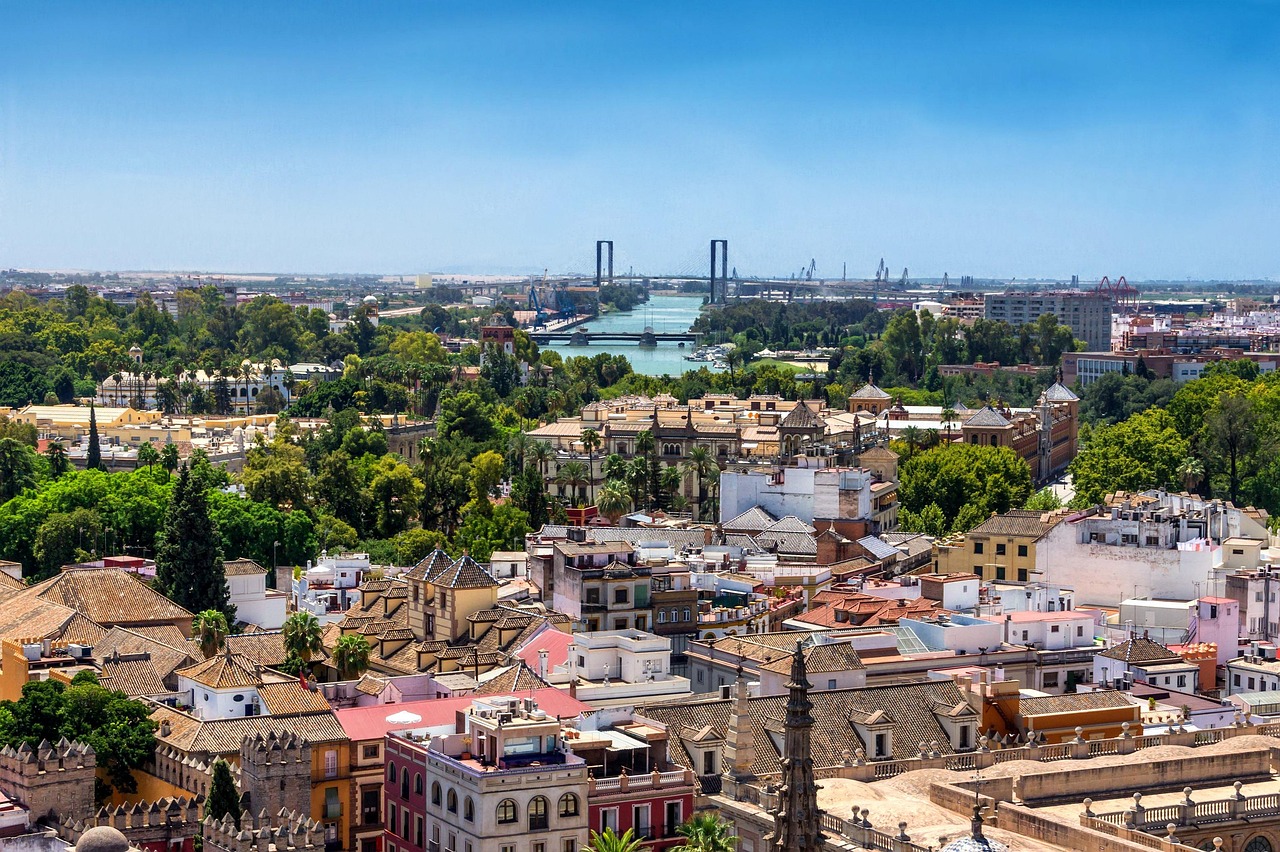
Why Visit Seville in 2026?
Seville is one of those cities that gets under your skin. The first time I came, I planned to stay three days and ended up stretching it to ten. Since then, I’ve been back almost every year, and in 2026 I spent over a month here, using it as a base to explore Andalusia. Every time I arrive, walking over the Puente de Triana and catching that first glimpse of the Giralda tower, it feels a bit like coming home.
This guide is written for travelers who want more than a checklist of things to do in Seville. It’s for you if you’re dreaming of orange-blossom-scented streets, late dinners that spill past midnight, and long, meandering days that mix must-see attractions with local corners most visitors miss.
In 2026–2027, Seville is particularly exciting. The city continues to build on its reputation as a cultural and culinary capital of southern Spain, with more creative tapas bars, revitalized neighborhoods, and a calendar packed with festivals—from the solemn beauty of Semana Santa to the joyful chaos of Feria de Abril.
Whether you’re planning 3 days in Seville or a 5 day itinerary for Seville, this travel guide will walk you through the city’s best neighborhoods, must-see monuments, hidden plazas, and unforgettable food—plus practical travel tips for Seville that I’ve learned the hard way (yes, I have gotten lost in Santa Cruz at 1 a.m., and yes, I’d still do it again).
Table of Contents
- Why Visit Seville in 2026
- Seville at a Glance
- 3–5 Day Itineraries for Seville
- Top 20 Must-See Attractions in Seville (In-Depth)
- Neighborhood Guide: Best Areas to Explore
- Local Food in Seville: What & Where to Eat
- Nightlife & Cultural Experiences in Seville
- Major Events & Festivals 2026–2027
- Best Day Trips from Seville
- Local Customs & Cultural Etiquette
- Practical Travel Tips for Seville
- Summary & Best Time to Visit Seville
Seville at a Glance
Seville is the capital of Andalusia, in southern Spain. With around 700,000 residents, it’s big enough to feel dynamic yet compact enough to walk almost everywhere. Think grand Moorish palaces, Gothic cathedrals, Renaissance courtyards, modern architecture like the Metropol Parasol—and all of it bathed in that soft Andalusian light.
Seville is also a city of rhythm. The rhythm of flamenco in Triana’s peñas, the rhythm of church bells and processions during Holy Week, the rhythm of locals strolling the river at sunset. Life here moves slower during the heat of the afternoon and accelerates at night, when bars and plazas fill with families, couples, and friends.
3–5 Day Itinerary for Seville: How Long Should You Stay?
If you’re asking how many days you need, my honest answer is: as many as you can spare. But here’s how to think about it:
- 3 days in Seville: Enough to see the major sights (Cathedral, Giralda, Alcázar, Plaza de España), wander Santa Cruz, and enjoy one night of flamenco. You’ll leave wanting more.
- 4 days in Seville: Adds time for Triana, Metropol Parasol, a palace or two, and deeper food exploration. This is my recommended sweet spot for a first visit.
- 5 days in Seville: Perfect if you like to travel slower. You can discover hidden gems in Seville, spend lazy afternoons by the river, and fit in a day trip (Córdoba, Cádiz, or the white villages).
Below is a flexible 5-day itinerary. If you only have 3 days, focus on Days 1–3. For 4 days in Seville, add Day 4. For 5 days, enjoy the full plan with Day 5’s deeper explorations and day-trip options.
Day 1: Icons of Seville – Cathedral, Giralda & Santa Cruz
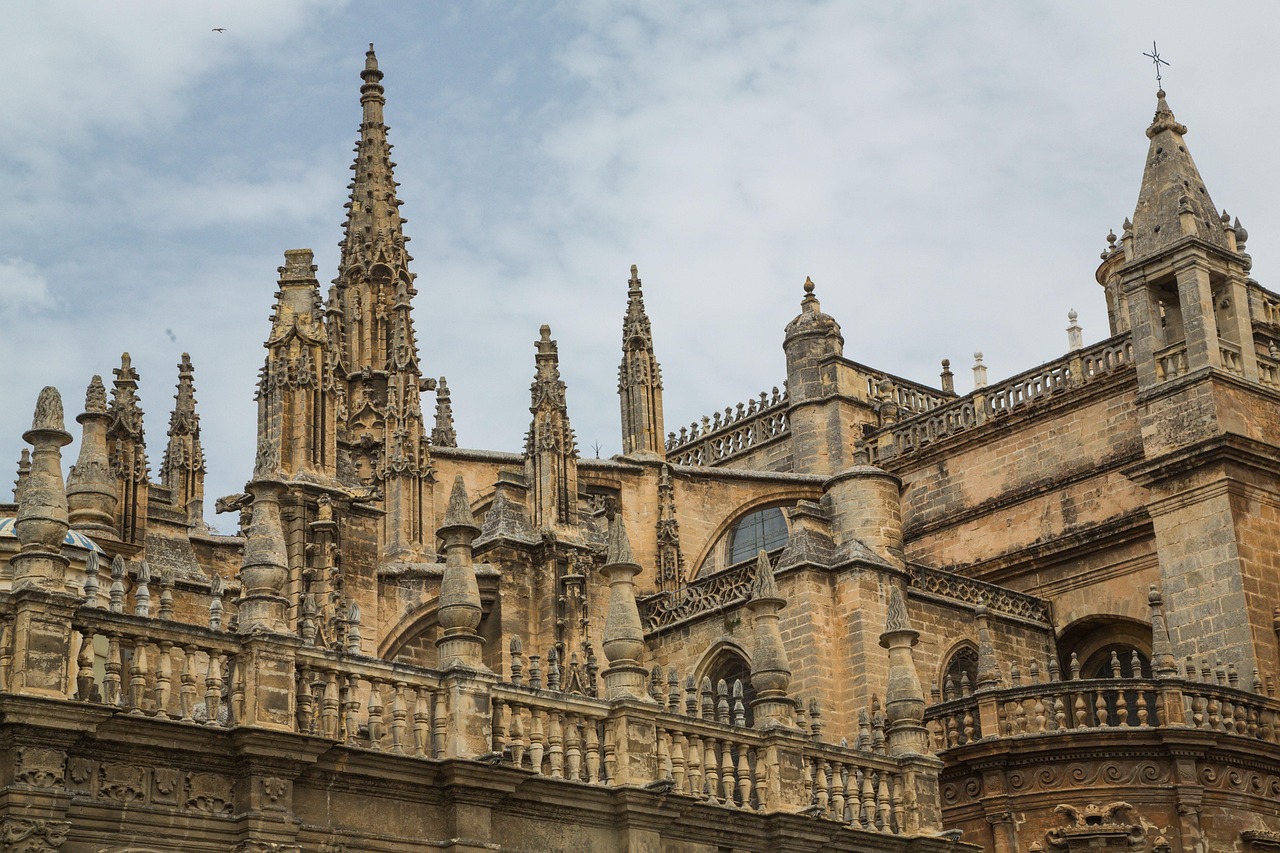
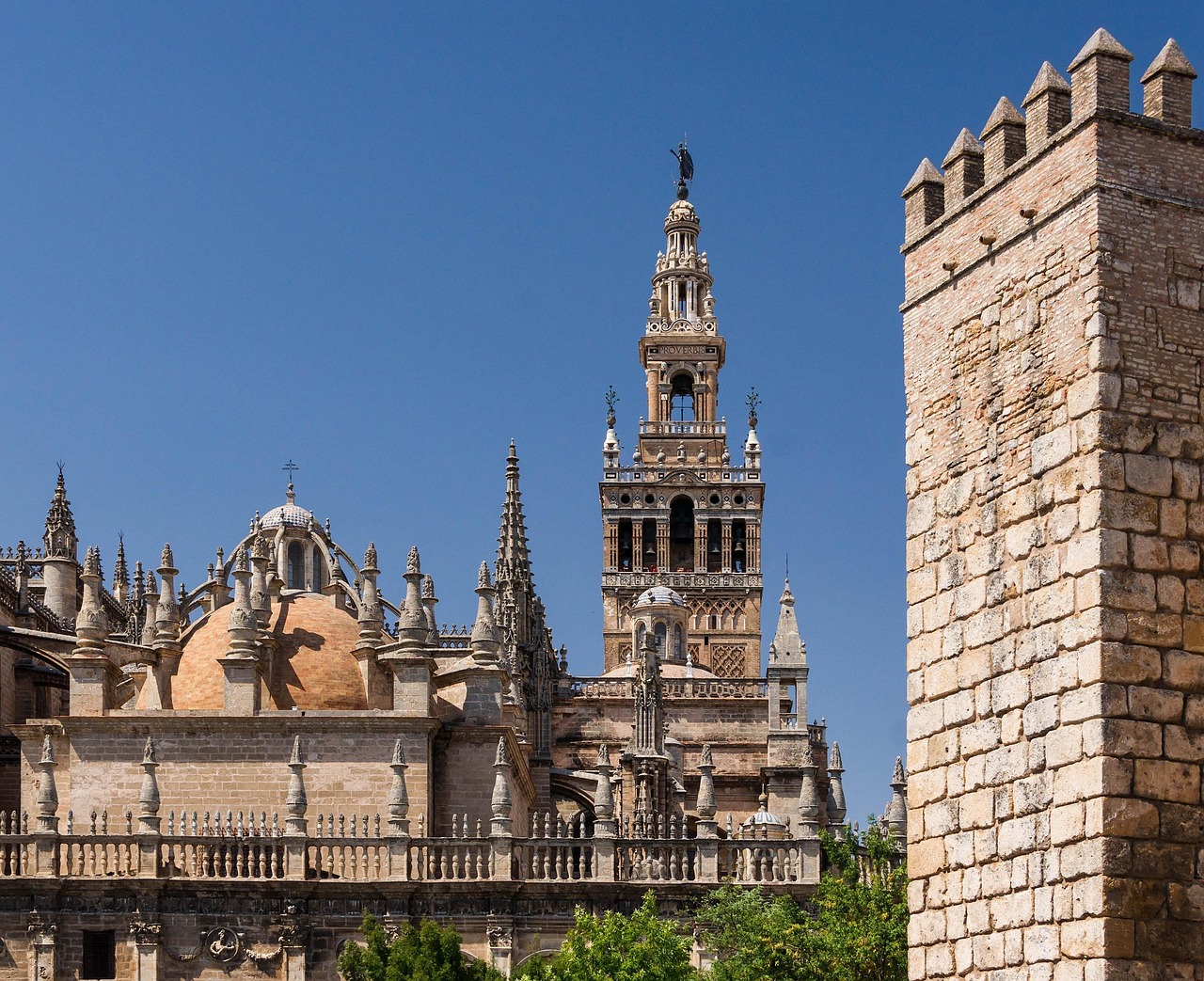
On my most recent arrival in 2026, I dropped my bag in a small guesthouse near the Archivo de Indias and walked straight to the Cathedral. No matter how many times I’ve visited, that first view of the Giralda never loses its impact.
Morning: Seville Cathedral & Giralda
Start your Seville journey at its spiritual and geographical heart: the Catedral de Sevilla, officially the Cathedral of Saint Mary of the See. It’s the largest Gothic cathedral in the world and a UNESCO World Heritage Site.
Built on the site of the former Great Mosque, the Cathedral is a layered story of Seville itself—Islamic, Christian, and everything in between. Step inside and you’re immediately dwarfed by the soaring vaults, intricate chapels, and the massive gold altarpiece (Retablo Mayor), which glows in the dim light.
Give yourself at least 1.5–2 hours here. I like to wander slowly, pausing at:
- Christopher Columbus’s tomb – a dramatic monument held aloft by four kings; the story of whether his remains are really here is a whole mystery in itself.
- Patio de los Naranjos – the peaceful orange-tree courtyard, a remnant of the mosque that once stood here.
Climbing the Giralda: The Giralda bell tower was originally the mosque’s minaret, later crowned with Renaissance additions. There are no stairs—just a series of ramps, designed so horses could climb to the top. I recommend climbing in the late morning before it gets too hot. The view from the top—tiled roofs, church domes, and the Alcázar gardens—is one of the best in the city.
Personal tip: Buy a combined online ticket for the Cathedral and Giralda a few days in advance, especially in high season (spring and fall). Go early when it opens; in 2026 I arrived at opening time on a Thursday and had stretches of the nave almost to myself for 20 minutes.
Lunch: Tapas Around the Cathedral
By the time you leave the Cathedral, you’ll be ready for your first proper tapas. Avoid the most touristy spots directly on the plaza and head a few blocks away into the Arenal or Santa Cruz area.
- Bodega Santa Cruz “Las Columnas” – Bustling, noisy, and wonderfully old-school. Stand at the bar, order a montadito de pringá (a small sandwich of slow-cooked meat), and a caña of local beer. They chalk your bill on the bar.
- Casa Morales (Arenal) – My personal favorite near the Cathedral. It’s lined with huge old wine barrels; try the ensaladilla rusa and bacalao (salt cod).
Afternoon: Getting Lost in Barrio Santa Cruz
After lunch, wander into Barrio Santa Cruz, the old Jewish quarter. This is Seville at its most photogenic: twisting alleys, whitewashed walls, flower-filled balconies, and tiny squares that suddenly open up after a narrow passage.
I like to enter from behind the Cathedral and simply let instinct guide me: follow the shade, follow the sound of a fountain, follow the smell of jasmine. Highlights include:
- Plaza de Doña Elvira – Once a personal favorite place to sit with a book in the late afternoon; orange trees, benches, and tiled benches tell stories of the city’s past.
- Calle Agua – A lovely walkway that runs alongside the walls of the Alcázar.
- Plaza de Santa Cruz – Home to a striking iron cross and some beautiful facades.
Personal tip: Santa Cruz is a maze. Don’t fight it; embrace getting lost. I still get turned around here, even with maps. If you’re traveling with kids, turn it into a “treasure hunt” looking for hidden courtyards. For couples, this neighborhood is endlessly romantic around golden hour.
Evening: Sunset Drinks & Tapas Hopping
For sunset, I like to walk toward the river. Two options, depending on your mood:
- Rooftop bar near the Cathedral – Places like La Terraza del EME have spectacular up-close views of the Giralda. Not cheap, but worth it for one drink.
- Riverside promenade – Stroll along the Guadalquivir towards Triana Bridge; the light on the water and pastel facades is gorgeous.
Dinner is best done tapas-style. For your first night, keep it central:
- El Rinconcillo – Often called the oldest bar in Seville (founded in 1670). It’s busy and a bit chaotic, but the atmosphere is pure Sevillano. Order espinacas con garbanzos (spinach with chickpeas) and croquetas.
- La Azotea (various locations) – More contemporary tapas if you’re in the mood for something slightly modern.
Day 2: Royal Seville – Real Alcázar & Plaza de España
Day 2 is about royal palaces, grand plazas, and long walks through gardens. I always tell friends: if you only see one site in Seville, make it the Real Alcázar.
Morning: Real Alcázar of Seville
The Real Alcázar is a masterpiece of Mudéjar, Gothic, Renaissance, and Baroque architecture. It’s still an official royal residence (Spain’s royal family stays here when in Seville), and its gardens feel like a dreamscape of tiles, fountains, and orange trees.
I’ve visited the Alcázar at least seven times now, and I still discover new details each visit. Plan to spend 3–4 hours here, especially if you like history or photography.
Highlights to linger over:
- Patio de las Doncellas – The iconic courtyard with a long reflecting pool and elaborately carved arches. This is the “wow” moment.
- Salón de Embajadores – The Hall of Ambassadors, with its golden dome and intricate wooden ceiling.
- Baños de Doña María de Padilla – The subterranean baths, with their vaulted ceilings reflected in still water. Come early to enjoy it with fewer people.
- The gardens – Don’t rush them. Peacocks roam freely, and the mix of manicured hedges, palm trees, and tiled pavilions is magical.
Personal tip: Book your tickets online well ahead, especially in March–May and October. Choose the earliest slot, and go straight to the inner palace and main courtyards first before the tour groups arrive. If you’re a “Game of Thrones” fan, you’ll recognize parts of the Alcázar as the Water Gardens of Dorne.
Lunch: Parque de María Luisa Picnic or Nearby Tapas
After the Alcázar, walk south toward Parque de María Luisa. On the way, you can pick up sandwiches or empanadas from a bakery and enjoy a picnic in the park, or stop at a nearby café.
- Bar Blanco Cerrillo (a bit of a detour but worth it) – Famous for its boquerones en adobo (marinated fried anchovies).
- Alternatively, grab something casual from a bakery on Avenida de la Constitución and save the “big” meal for the evening.
Afternoon: Plaza de España & Parque de María Luisa
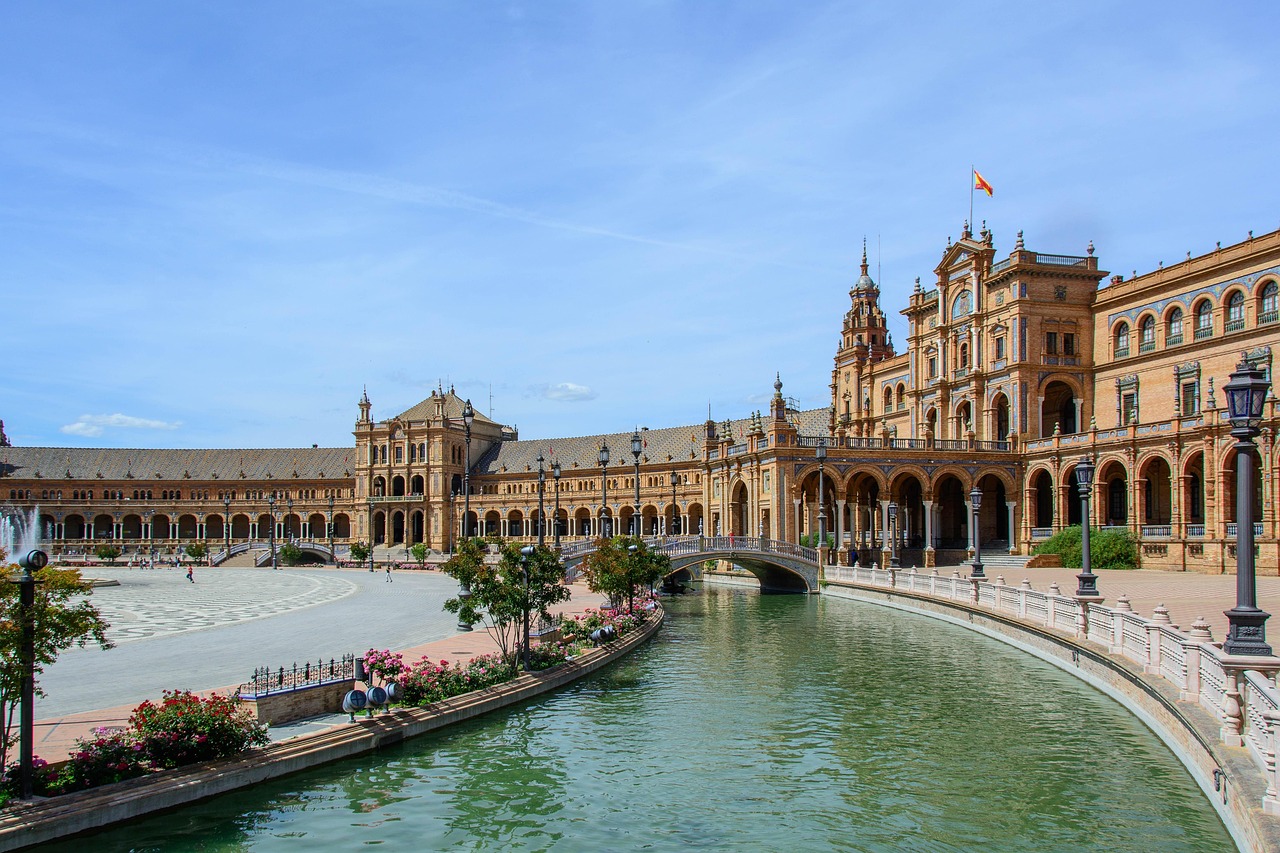
The Plaza de España is one of Seville’s most photogenic landmarks and a must on any “3 day itinerary for Seville.” Built for the 1929 Ibero-American Exposition, it’s an enormous semi-circular plaza with a canal, ornate bridges, and tiled alcoves representing each province of Spain.
I love coming here around 4–6 p.m. when the light is soft and musicians are often playing under the arcades. Families rent rowboats to paddle along the canal; couples sit on the provincial benches; kids chase bubbles.
Spend time:
- Walking the perimeter under the arches and admiring the tilework.
- Finding the tile bench for your home region or favorite Spanish city.
- Climbing up to the balcony for views over the entire plaza.
Afterward, lose yourself in the shaded paths of Parque de María Luisa. It’s one of my favorite escapes on hot days—fountains, hidden pavilions, and plenty of benches to rest. If you have kids, there are playgrounds and plenty of space to run.
Evening: Romantic Walk & Low-Key Dinner
In the evening, stroll back toward the center along the river. For a romantic touch, pause on one of the bridges as the city lights come on.
For dinner, consider something relaxed after a big sightseeing day:
- Vinería San Telmo – Near the Jardines de Murillo; creative tapas with a great wine list. I’ve had everything from goat cheese with caramelized onions to inventive tuna dishes here.
- Bar Catalina Casa de Comidas – Another good option nearby, with both traditional and modern flavors.
Day 3: Triana, Flamenco & the Riverside
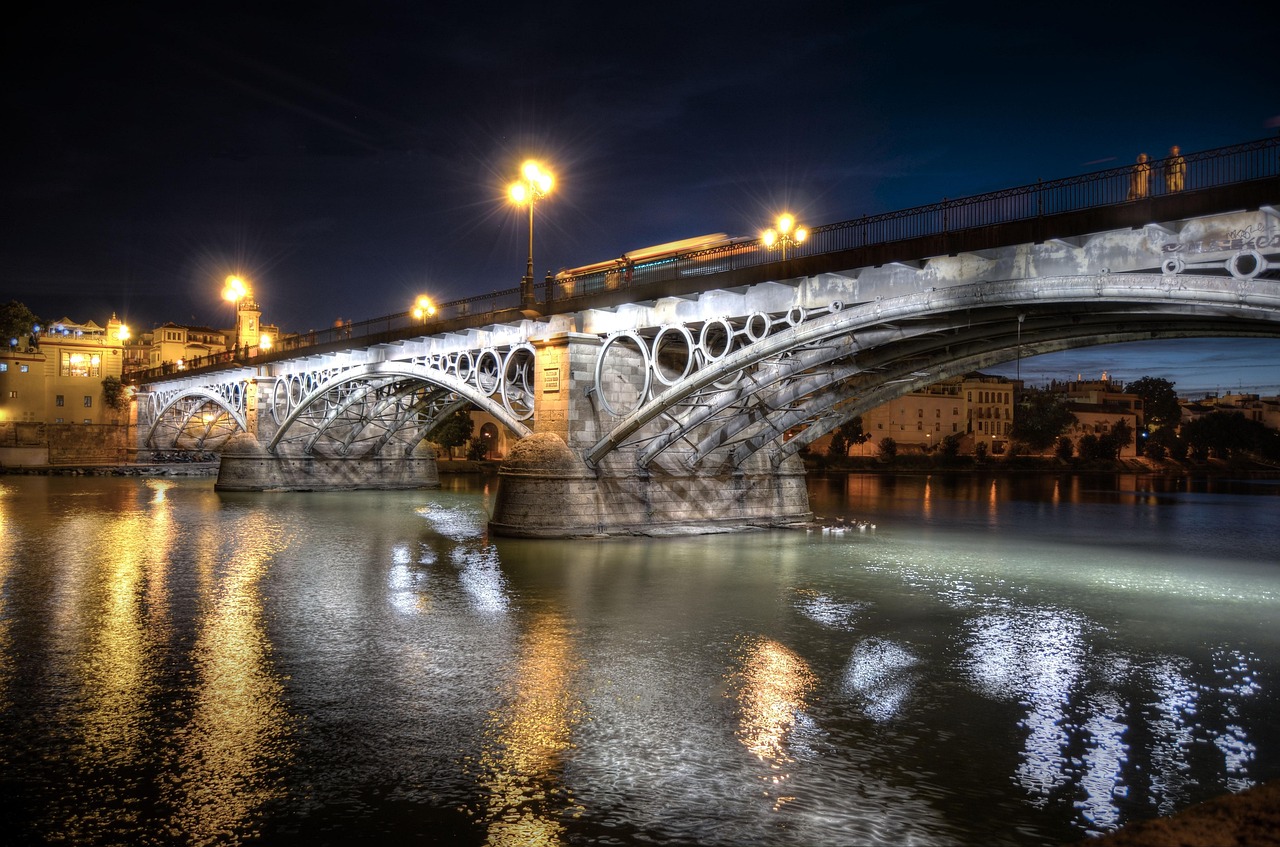
Day 3 is perfect for soaking up Seville’s riverfront life and the soul of flamenco in Triana.
Morning: River Walk & Torre del Oro
Start your morning with a walk along the Guadalquivir River. Locals jog, cycle, and stroll here, especially on weekends.
Stop at the Torre del Oro, a 13th-century defensive tower whose name (“Tower of Gold”) may come from its once-golden tiles. There’s a small maritime museum inside and a nice view from the top. I wouldn’t call it a must-see for every traveler, but if you enjoy views and have the time, it’s worth the short visit.
Late Morning & Lunch: Triana Market & Ceramics
Cross the iconic Puente de Isabel II (often called Puente de Triana) into Triana, the traditional working-class neighborhood known for its flamenco roots and ceramics.
Head straight to the Mercado de Triana, built on the remains of a former castle. It’s one of my favorite markets in Seville to wander—stalls piled with fresh produce, cured meats, olives, and seafood.
For lunch, you can either graze on market tapas or sit down at a stall:
- Order a plate of jamón ibérico, some olives, and a small glass of fino sherry.
- Look for stalls serving fresh tortilla española and salmorejo (a thicker, creamier cousin of gazpacho).
Afternoon: Triana’s Streets & Ceramics
After lunch, wander Triana’s streets. The main thoroughfare, Calle San Jacinto, is packed with cafés and small shops, but the real charm lies in the side streets.
Don’t miss:
- Calle Betis – The colorful riverside street with some of the best views back toward the historic center. I love it at sunset, but it’s peaceful in the afternoon, too.
- Ceramic shops on and around Calle Antillano Campos – Triana has a centuries-old tradition of ceramics; you’ll find everything from hand-painted tiles to plates and house signs. I’ve carried more than one tile back in my backpack as a souvenir.
- Centro Cerámica Triana – A small but excellent museum on the history of Triana’s ceramics industry, housed in a former factory.
Evening: Flamenco in Triana
No 3 day itinerary for Seville is complete without a flamenco experience. While there are many shows across the city, Triana has a special connection to this art form.
You have two main options:
- Tablao show – A more formal performance in a dedicated venue. Look for intimate spaces rather than huge tour buses of people.
- Peñas and bars – More local, often with spontaneous or semi-organized performances.
Some places I’ve enjoyed over the years:
- CasaLa Teatro – A tiny, atmospheric theater inside the Triana market. Very intimate; reserve ahead.
- Los Gallos (in Santa Cruz but worth crossing back for) – One of the oldest tablaos; strong, serious performances.
Personal tip: Real flamenco is intense. Don’t expect it to be all polished costumes and smiles. The best shows I’ve seen in Seville crackle with emotion—you feel the heel stamps in your chest. Go in with an open mind, stay present, and let it wash over you.
Day 4: Metropol Parasol, Palaces & Local Life
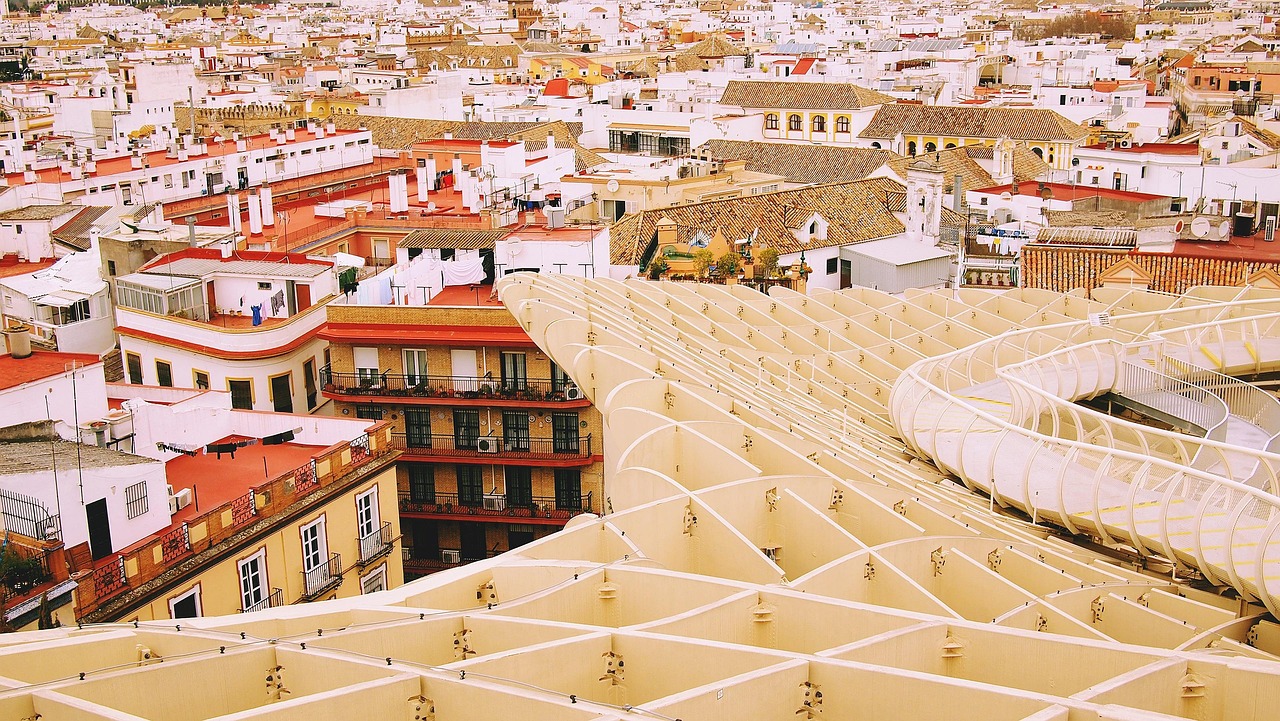
With the big icons checked off, Day 4 is about mixing architecture old and new, plus some slower neighborhood wandering.
Morning: Metropol Parasol (Las Setas)
Head to Metropol Parasol, nicknamed Las Setas (“The Mushrooms”) because of its shape. Completed in 2011, this undulating wooden structure hovers over Plaza de la Encarnación and offers one of the best elevated viewpoints in the city.
Take the elevator up to the walkway that snakes across the top. In the mornings, the light is soft and the crowds smaller. You’ll see the Cathedral, Giralda, and a sea of terracotta roofs stretching to the horizon.
Personal tip: I like to come here twice in one trip: once in the morning and once at sunset. Your ticket may allow a second entry—check the current policy in 2026 when you go. At sunset, the colors over the city can be spectacular.
Late Morning: Casa de Pilatos or Palacio de las Dueñas
Next, dive into one of Seville’s lesser-known palaces. Both Casa de Pilatos and Palacio de las Dueñas are fantastic; I tend to alternate them on different trips.
Casa de Pilatos is a blend of Gothic, Mudéjar, and Renaissance styles, with an exquisite central courtyard, azulejo tiles everywhere, and peaceful gardens. The first time I visited, I ended up spending almost three hours here, just wandering and sitting in corners with my notebook.
Palacio de las Dueñas is another gorgeous option, known for its lush gardens and connection to Spanish aristocracy and poets. If you love flowers and slightly wild-feeling gardens, you might prefer this one.
Lunch: Local Bars & Markets
For lunch, you’re in a great area to eat like a local and save money:
- El Rinconcillo (if you haven’t been yet) – Classic Sevillian bar, very well-priced if you stand at the bar and share plates.
- Mercado de la Encarnación (under Las Setas) – Small market with some casual spots for a quick, inexpensive meal.
Afternoon: Local Neighborhood Wandering (Alfalfa & Macarena)
In the afternoon, you can choose your own adventure:
- Alfalfa & surroundings – Narrow streets, small independent shops, and a relaxed vibe. This is where I often stay when I’m in Seville for longer periods.
- Macarena neighborhood – More local, with fewer tourists. Visit the Basílica de la Macarena, home to one of the city’s most venerated Virgin statues, especially important during Semana Santa.
Wandering up toward Macarena, you’ll also see sections of the old city walls. It’s a good way to get a sense of Seville beyond the historic core.
Evening: Craft Beer or Wine & Contemporary Tapas
By Day 4, you may be ready to branch out from classic tapas into something a bit more contemporary.
- La Jerónima – A bookshop-bar with craft beers, frequented by locals and students.
- La Brunilda – Creative tapas; it can get busy, so going early or reserving is wise.
For families, consider a relaxed dinner near your accommodation; kids are welcome at most bars and restaurants, and it’s very normal to see children out late in Spain.
Day 5: Hidden Gems & Day-Trip Options
If you have 5 days in Seville, today is your bonus day: you can either dive deeper into hidden gems in Seville or take a day trip.
Option A: Hidden Gems in Seville
Stay in the city and explore some less famous but fascinating spots:
- Hospital de la Caridad – A baroque charitable institution with powerful religious paintings and a peaceful courtyard. Quiet and moving.
- Archivo de Indias – A UNESCO-listed archive holding documents about Spain’s American colonies. The exhibits are limited but the building is beautiful and free to enter.
- Universidad de Sevilla (former Royal Tobacco Factory) – Yes, the one from “Carmen.” I love wandering its courtyards; it’s usually calm and feels very authentic.
- Monasterio de la Cartuja (across the river) – A monastery turned cultural center; the area is less visited and gives a different view of Seville’s evolution.
Option B: Day Trips from Seville
If you’re itching to see more of Andalusia, these are easy and rewarding day trips:
- Córdoba – The Mezquita-Catedral alone is worth the journey. Trains take about 45 minutes from Santa Justa station.
- Cádiz – A relaxed port city with beaches and a charming old town. Perfect if you want sea air; about 1.5 hours by train.
- Jerez de la Frontera – Sherry bodegas and equestrian shows; about 1 hour by train.
- Ronda or the White Villages – Best done by car or organized tour.
Personal tip: If it’s your first time in Seville and you only have 5 days, I’d lean toward spending at least 4 full days in the city itself and only 1 day on a side trip. Seville rewards slow travel.
Top 20 Must-See Attractions in Seville (In-Depth)
Below are 20 of the best places to visit in Seville, with more detail, history, and personal tips. Some you’ve already “met” in the itinerary above; others are perfect additions if you have more time or specific interests.
1. Seville Cathedral & Giralda
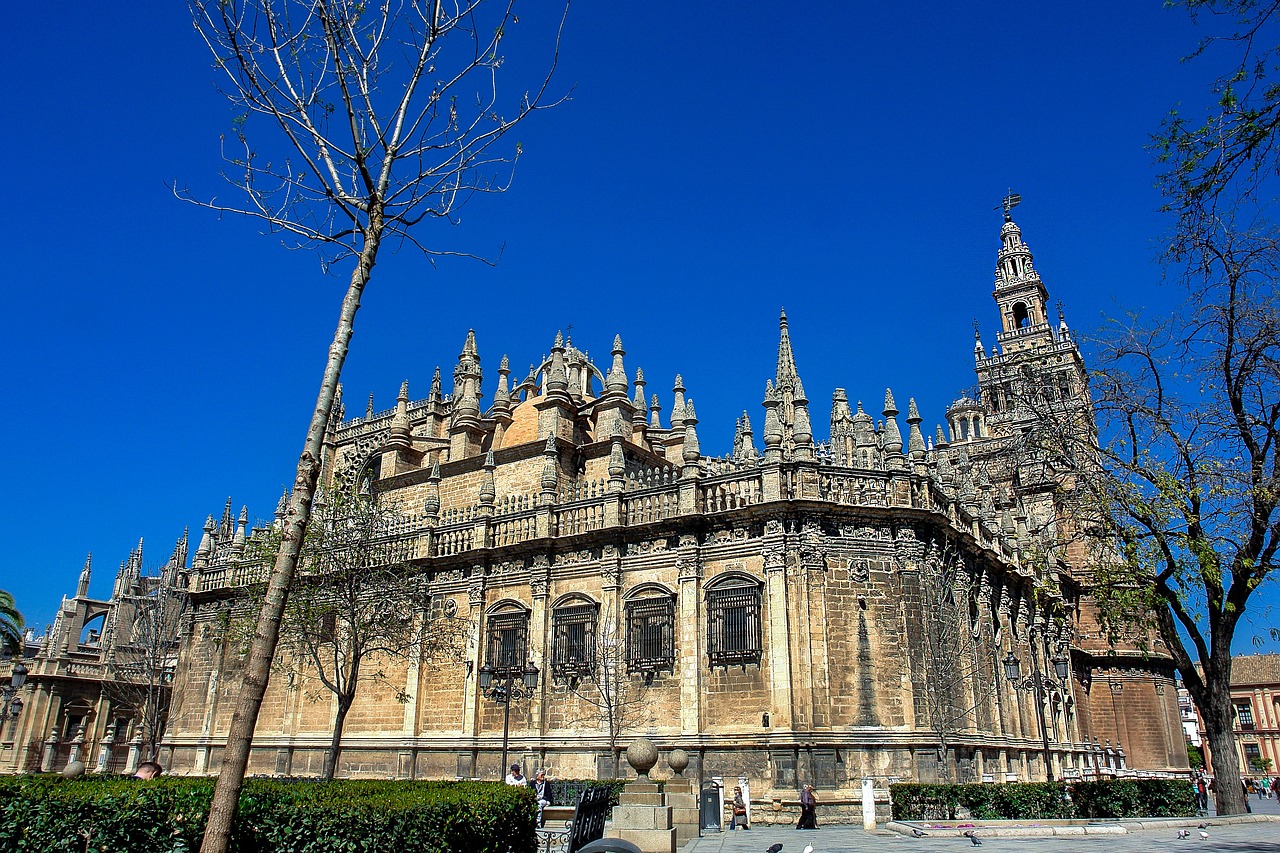
The Cathedral and Giralda are Seville’s most famous landmarks and anchor almost every travel guide for Seville. Construction on the cathedral began in the early 15th century on the site of the Almohad mosque, and the goal was famously ambitious: “Let us build a church so beautiful and so magnificent that those who see it finished will think we are mad.” They succeeded.
Beyond its size, it’s the details that stay with me: the quiet side chapels lit by candles, the carved choir stalls, the weight of centuries held in stone. Each time I visit, I find a different corner to fall in love with.
Tips:
- Pre-book tickets online and choose a less busy time (early morning or late afternoon).
- Dress respectfully; it is an active place of worship.
- Combine with the Alcázar on the same day only if you have strong stamina; both are intense.
2. Real Alcázar of Seville
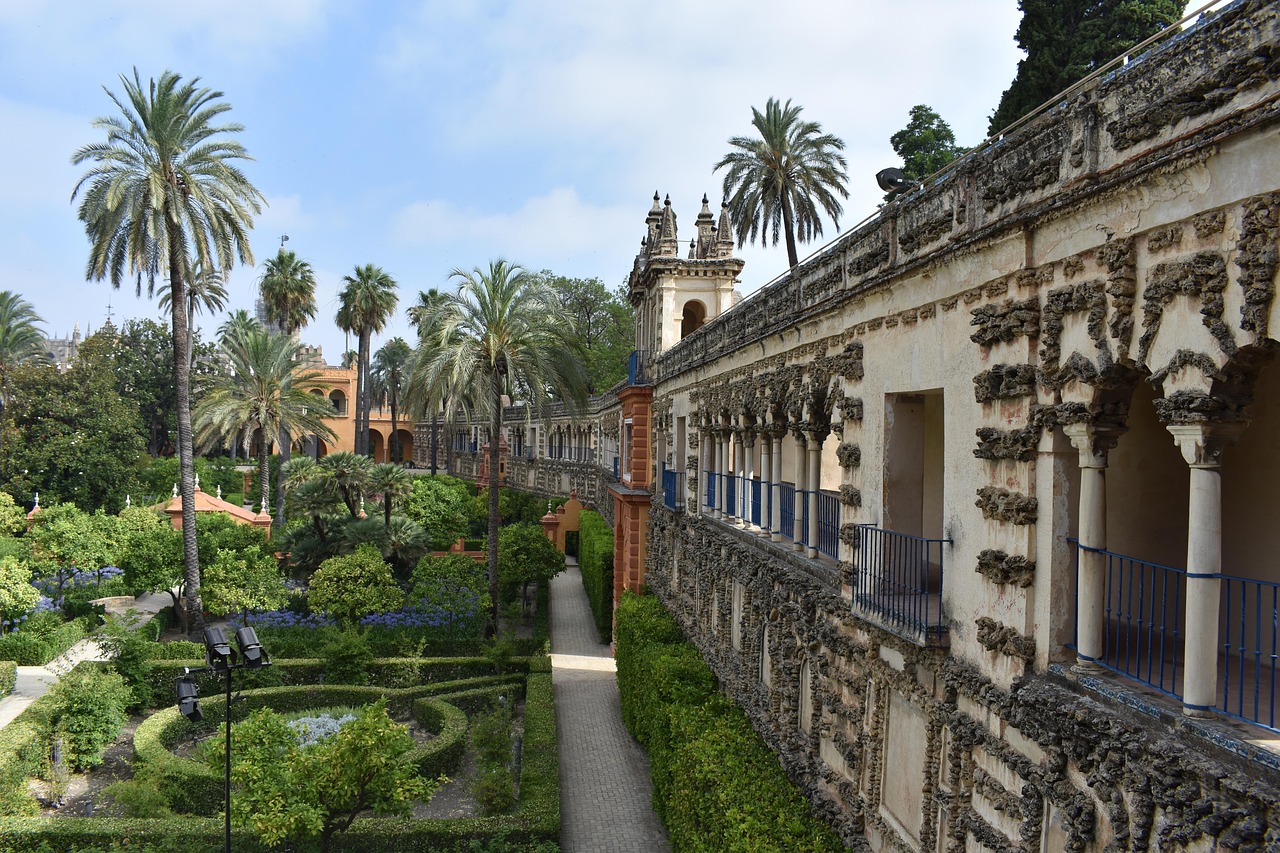
The Alcázar’s origins go back to a 10th-century fortress, later transformed into a royal palace by Muslim and Christian rulers. The result is a marvel of mudéjar artistry: carved stucco, geometric tiles, tranquil patios, and lush gardens.
When I think of the Alcázar, I think of cool shadows on hot days, the sound of water in hidden fountains, and the mix of palm trees and orange trees against pale stone. It’s also one of the best places in Seville for families; kids love the labyrinthine gardens and peacocks.
Tips:
- Book ahead; same-day tickets often sell out in high season.
- Bring water and a hat in summer; the gardens are sunny.
- If you’re a photographer, be patient—waiting 30 seconds often clears a shot.
3. Plaza de España
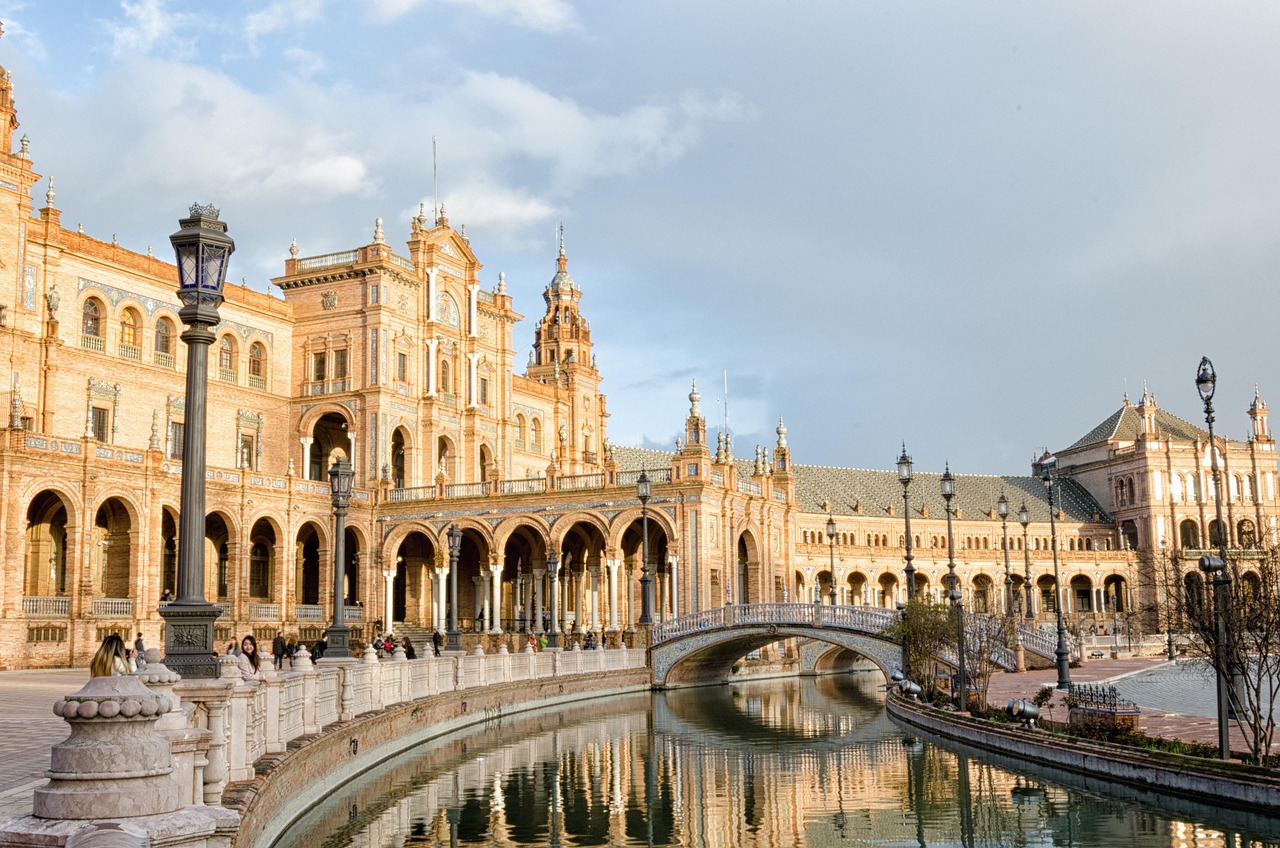
Plaza de España was built for the 1929 Ibero-American Exposition and is a love letter to Spain in brick, tile, and water. Its sweeping semi-circular shape embraces a canal crossed by elegant bridges, and each province of Spain is represented by a tiled alcove.
I’ve visited in all kinds of moods—joyful, tired, a little homesick—and somehow the plaza always lifts my spirits. It’s particularly beautiful just after rain, when the tiles gleam.
Tips:
- Go early to avoid tour groups, or later in the afternoon for golden light.
- Rowboats are fun but not essential; nice for families and couples.
- Walk through the nearby park afterward for shade.
4. Barrio Santa Cruz
Santa Cruz is the former Jewish quarter and the Seville of postcards: narrow, twisting alleys, flower pots on whitewashed walls, iron balconies, and hidden courtyards. It can feel crowded in peak hours, but if you go early in the morning or late at night, it transforms.
Some of my favorite Seville memories are from late-night walks here: the smell of orange blossoms, the sound of distant guitars, and the quiet echo of your own footsteps on the cobblestones.
Tips:
- Go at off-peak times (early morning or after 9 p.m.).
- Aimless wandering is the point; don’t over-plan routes.
- Keep your phone handy for navigation if you need to get back quickly.
5. Triana Neighborhood
Triana, across the river from the historic center, has a distinct identity. Traditionally home to sailors, gypsies, and potters, it’s deeply tied to flamenco and ceramics. Compared to the center, it feels more lived-in—less polished, more real.
I love Triana in the late afternoon. Sit at a terrace on Calle Betis, order a tinto de verano, and watch the sun set behind the Giralda. This, to me, is one of the quintessential cultural experiences in Seville.
Tips:
- Use Triana as a base if you want a more local-feeling stay.
- Don’t miss the ceramics museum and shops.
- Book flamenco here if you prefer a neighborhood vibe over big tourist tablaos.
6. Metropol Parasol (Las Setas)
Metropol Parasol is Seville’s most striking modern landmark. Designed by Jürgen Mayer, this massive wooden structure sparked controversy at first but has become a beloved part of the cityscape.
From the top walkway, Seville looks like a sea of terracotta and white, punctuated by church towers and the Giralda in the distance. Underneath, you’ll find an archaeological museum with Roman and Moorish remains, plus a market.
Tips:
- Bring a light jacket if visiting at night; it can be breezy.
- Try to time one visit for sunset for photos.
- Combine with nearby shopping streets and cafés.
7. Parque de María Luisa
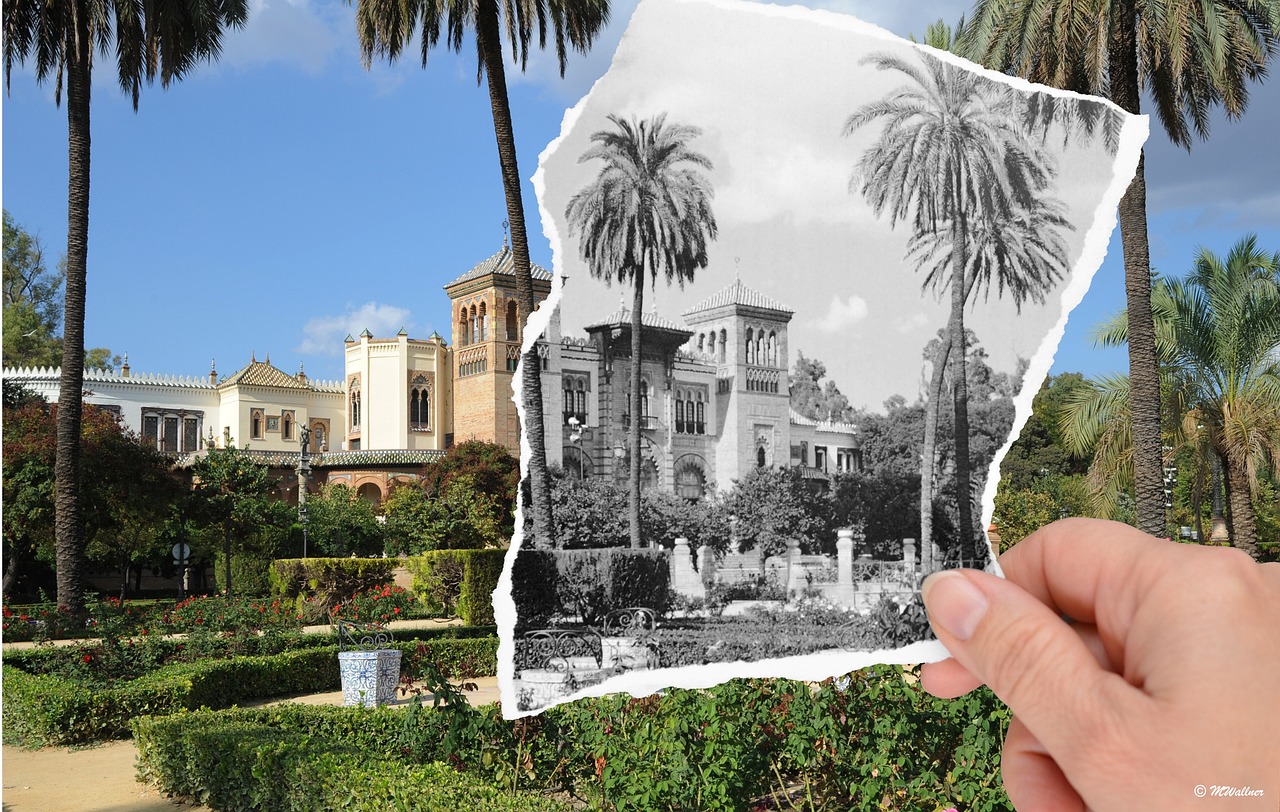
This large, lush park stretches south of Plaza de España and is one of the city’s green lungs. Donated to the city by the Duchess of Montpensier, it was redesigned for the 1929 exposition.
It’s a lovely place to escape the midday heat, with fountains, tiled benches, and shaded paths. I often bring a book and just sit under the trees for an hour between sightseeing stops.
Tips:
- Good spot for families—space to run and play.
- Consider renting bikes if you want to cover more ground.
- Ideal picnic spot; supermarkets nearby sell simple supplies.
8. Archivo de Indias
The Archivo General de Indias houses invaluable documents from Spain’s colonial period in the Americas and the Philippines. While the archives themselves are mostly for researchers, there’s a free museum with rotating exhibits and a beautiful interior courtyard.
It’s a peaceful, cool place to spend 30–45 minutes, especially if you’re already visiting the Cathedral and Alcázar.
Tips:
- Admission is usually free; check current hours.
- Good rainy-day or heat-of-the-day option.
- Combine with a stroll through the nearby Avenida de la Constitución.
9. Hospital de la Caridad
Founded in the 17th century by the fascinating figure Miguel Mañara, this charity hospital is a quiet gem. Its baroque church features powerful paintings by Valdés Leal and Murillo, intended to remind viewers of the brevity of life and the importance of charity.
I still remember the first time I stepped into its courtyard—after the bustle outside, the silence and the trickling fountain felt almost otherworldly.
Tips:
- Not ideal for very young children; the art can be intense.
- Dress modestly; it’s a religious space.
- Combine with a riverside walk nearby.
10. Basilica de la Macarena
In the more local Macarena neighborhood, this basilica is home to the revered image of the Virgen de la Esperanza Macarena, central to Seville’s Semana Santa processions.
Even outside Holy Week, the basilica hums with quiet devotion. I like to sit for a few minutes at the back and watch locals come and go, lighting candles and whispering prayers.
Tips:
- Respectful behavior is important; no loud conversations or flash photography during services.
- Combine with a walk along the old city walls.
- Look for small local bars nearby for inexpensive tapas.
11. Torre del Oro
This 13th-century watchtower once formed part of the city’s defensive system. Its name (“Tower of Gold”) may refer to the golden hue of its original tiles or to the riches that passed along the river.
The small maritime museum inside provides context, but for me the real draw is the rooftop view.
Tips:
- Go if you love viewpoints; skip if you’re tight on time.
- Combine with a riverside stroll or boat tour.
- Early morning visits are quieter and cooler.
12. Casa de Pilatos
Casa de Pilatos is a 16th-century palace that blends Italian Renaissance and Spanish Mudéjar styles. Its central courtyard is a symphony of marble, arches, and tiles; every corner reveals another pattern, another perspective.
I often recommend it to friends who loved the Alcázar and want more of that intimate palace feeling, without the crowds.
Tips:
- Take your time; sit and absorb the atmosphere.
- Photography lovers will be in heaven here.
- Check if there’s an optional guided tour of the upper floor in your preferred language.
13. Palacio de las Dueñas
Once the residence of the Dukes of Alba, Palacio de las Dueñas is a romantic palace filled with art, antiques, and lush gardens. It feels a bit like stepping into a private world.
The gardens, with their citrus trees and climbing bougainvillea, are especially lovely in spring. On my last visit, I ended up journaling under a pergola for nearly an hour.
Tips:
- Less crowded than the Alcázar; a good second palace option.
- Great for travelers who love literature and aristocratic history.
- Combine with wandering the nearby Alfalfa area.
14. Plaza de Toros de la Maestranza
Seville’s bullring is one of Spain’s most famous. Even if you don’t support bullfighting (I personally don’t attend corridas), the architecture and historical museum are worth a short visit for many travelers.
The guided tours take you through the arena, chapel, and museum, explaining the cultural role bullfighting has played in Andalusia.
Tips:
- Consider your own feelings about bullfighting before visiting.
- Guided tours are short (about 45 minutes).
- Combine with the riverfront and Arenal neighborhood.
15. Monasterio de la Cartuja (Centro Andaluz de Arte Contemporáneo)
Across the river, on Cartuja Island, this former Carthusian monastery now houses the Andalusian Center for Contemporary Art. It’s a fascinating mix of old and new: cloisters and kilns, chapels and modern installations.
I like coming here when I want a quieter day. The grounds are spacious, and the contemporary art exhibitions are consistently interesting.
Tips:
- A bit out of the way; consider a taxi or bike if you don’t like long walks.
- Check current exhibitions online before visiting.
- Good option for repeat visitors who’ve seen the “big” sights.
16. Hospital de los Venerables
Nestled in Santa Cruz, this baroque former residence for elderly priests now hosts art exhibitions and concerts. Its courtyard, with a sunken central fountain, is one of Seville’s most photogenic.
The attached church is richly decorated, and the acoustics make it a stunning venue for classical music performances when scheduled.
Tips:
- Quieter than nearby streets; a good “pause” spot.
- Look up current exhibits and concerts.
- Combine with a Santa Cruz wander.
17. Alameda de Hércules
Alameda de Hércules is a long, tree-lined square in the north of the center, popular with locals and students. Once a rough area, it’s now full of bars, cafés, and nightlife.
In the afternoons, families take kids to the playground; at night, it’s all about terrace drinks and late-night conversations. I often end up here with friends after dinner, lingering over one last drink.
Tips:
- Lively, not ideal if you want total quiet at night.
- Good area for vegetarian and international food options.
- Watch your belongings in the busiest late-night hours.
18. University of Seville (Royal Tobacco Factory)
The University’s main building was once Europe’s largest industrial building: the Royal Tobacco Factory. It’s famously associated with Bizet’s opera “Carmen.” Today, students hurry through its corridors, and the mix of daily life and monumental architecture is fascinating.
I like slipping in through one of the side entrances and wandering the courtyards; it feels like being let in on a local secret.
Tips:
- Respect it as a working university; keep noise down.
- Free to enter; security may check bags at times.
- Combine with Parque de María Luisa and the Prado de San Sebastián area.
19. Iglesia del Salvador
This baroque church stands on the site of a former mosque and is Seville’s second most important church after the Cathedral. Its ornate interior is breathtaking—gilded altarpieces, sculptures, and a sense of grandeur in a more manageable size than the Cathedral.
The plaza outside is always lively, with terraces and locals meeting for coffee or drinks.
Tips:
- Often included in a combined ticket with the Cathedral; check ticket offices.
- Visit in the morning, then enjoy a coffee on the plaza.
- Dress modestly out of respect.
20. Local Markets: Triana Market & Feria Market
Markets are where everyday life in Seville plays out. You’ve already met Mercado de Triana; another favorite is Mercado de Feria, one of the city’s oldest markets, in the Macarena area.
Here, grandmas shop for fish, kids eye the sweets stands, and bar counters buzz with conversation. On some evenings, the surrounding streets fill with people nibbling tapas from different stalls.
Tips:
- Go in the morning for full activity.
- Use markets for budget-friendly breakfasts and lunches.
- Try local olives, cheeses, and cured meats as picnic supplies.
Neighborhood Guide: Best Areas to Explore & Stay
Seville is wonderfully walkable, but each neighborhood has its own personality. Here’s a quick guide from my time staying in different areas over the years.
Centro Histórico (Old Town)
Best for: First-timers, short stays, walkers, people who want to be in the middle of everything.
Staying near the Cathedral, Arenal, or Alfalfa means you can walk to almost all the main attractions. Streets can be lively and a bit noisy at night, but you’ll save time and transit costs.
Barrio Santa Cruz
Best for: Romantic trips, short visits, travelers who love charm over convenience.
It’s gorgeous but can be pricier and more touristy. Also, taxi access can be limited due to the narrow streets. I like staying on the fringes of Santa Cruz rather than in its tightest core.
Triana
Best for: Repeat visitors, food lovers, flamenco fans, local atmosphere.
Across the river but still very walkable (10–20 minutes to the Cathedral area). Slightly more residential feeling and generally better value for money.
Macarena & Alameda
Best for: Younger travelers, nightlife, digital nomads, budget-conscious visitors.
Further north, with a mix of bohemian and local vibes. Good access to bars, alternative culture, and cheaper eats. Buses connect easily to the center, though walking is also very possible.
Nervión & Around Santa Justa Station
Best for: Business travelers, those arriving/departing by train, modern hotels.
More modern and less atmospheric but convenient if you have early trains or prefer quiet, residential areas with shopping centers.
Local Food in Seville: What & Where to Eat
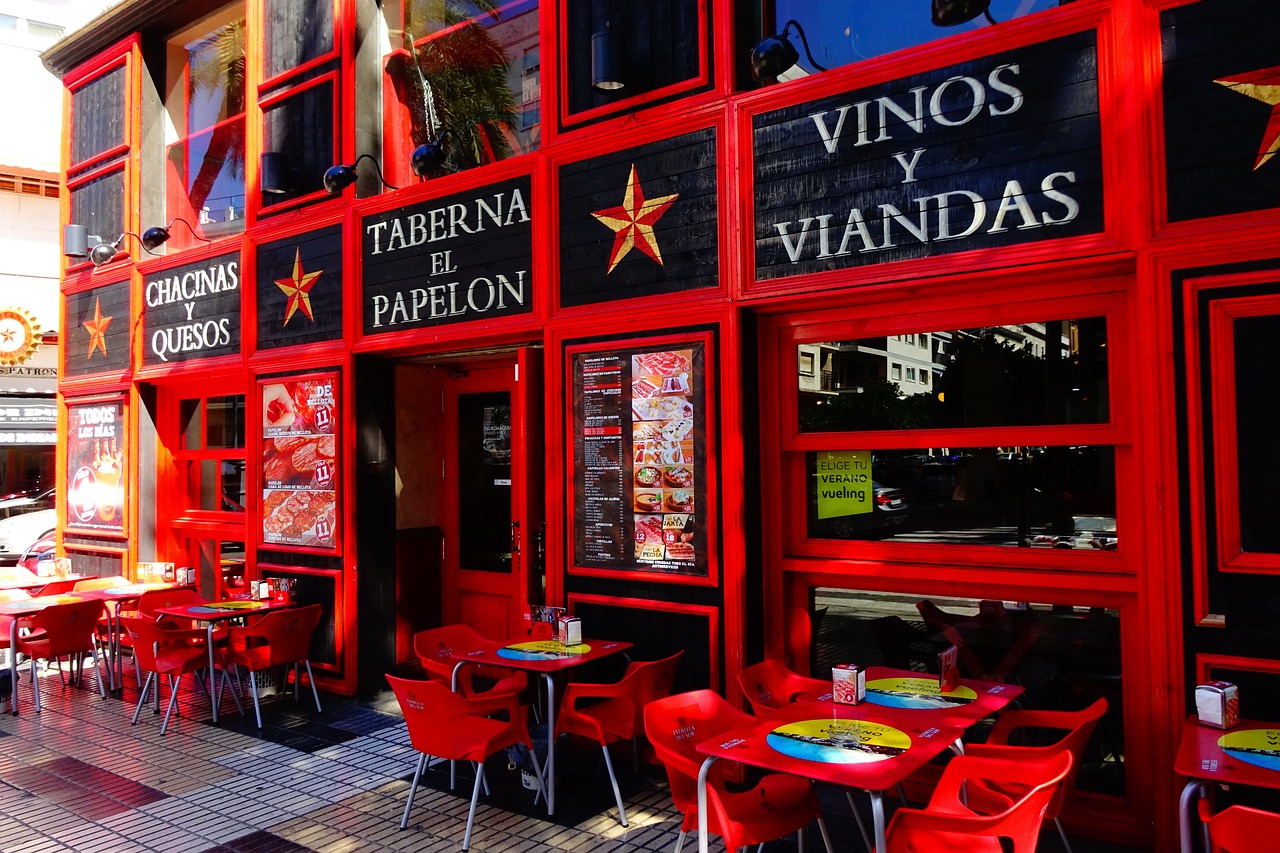
Eating in Seville is half the joy of visiting. Tapas culture is alive and well, and it’s easy to eat very well on a moderate budget if you follow local patterns.
Must-Try Dishes in Seville
- Tortilla Española – Spanish omelet with potatoes and onions. Every bar has its own version.
- Salmorejo – Thick, creamy cold tomato soup from Córdoba but beloved here too, topped with egg and ham.
- Gazpacho – Lighter, more liquid cold tomato soup; perfect in summer.
- Espinacas con Garbanzos – Spinach and chickpeas; a Seville classic with Moorish roots.
- Pringá – A shredded meat stew often served inside a small sandwich (montadito).
- Pescaito Frito – Mixed fried fish; often best near the river or in Triana.
- Jamón Ibérico – Cured ham; splurge at least once on good-quality jamón.
Drinks to Try
- Tinto de Verano – Red wine mixed with lemon soda and ice; locals drink this more than sangria.
- Rebujito – Fino sherry with lemon-lime soda; especially popular during Feria de Abril.
- Local Sherries – Fino, manzanilla, amontillado; try a small glass with tapas.
- Cervezas – Local beers like Cruzcampo are omnipresent; order a caña (small draft) so it stays cold.
Favorite Tapas Bars & Restaurants (2026)
Places I keep returning to, trip after trip:
- Casa Morales – Traditional bodega with huge barrels and classic tapas.
- El Rinconcillo – For history and atmosphere; go early for space at the bar.
- Bodega Santa Cruz “Las Columnas” – Lively, cheap, and very Sevillano.
- Vinería San Telmo – Creative tapas with a good wine list, near Jardines de Murillo.
- La Brunilda – Modern tapas, great flavors; arrive early or reserve.
- Eslava (San Lorenzo area) – Beloved by locals; known for inventive tapas.
Money-Saving Food Tips
- Stand at the bar instead of sitting at a table; sometimes prices are slightly lower.
- Order a few dishes at a time and share; you can always get more.
- Menus del día (set lunch menus) are less common than in other Spanish cities but do exist; look out for them at more “restaurant-style” places.
- Breakfast at bakeries or local cafés instead of hotel buffets to save and eat more locally.
Nightlife, Entertainment & Cultural Experiences in Seville
Nights in Seville can be as calm or as lively as you want them to be. The city comes alive after dark, especially in spring and fall.
Flamenco
For authentic cultural experiences in Seville, flamenco is at the top of the list. Options include:
- Tablaos – Dedicated venues with ticketed shows, often including a drink.
- Peñas – Flamenco clubs where locals gather; performances can be more intimate and spontaneous.
- Bars with live flamenco – Casual, sometimes only on specific nights.
Bars & Nightlife Areas
- Alameda de Hércules – Trendy, with many bars and late-night spots.
- Triana – Traditional bars and some flamenco spots.
- Arenal & around the Cathedral – Rooftop bars and more upscale options.
Family-Friendly Evenings
Seville is very family-friendly at night. You’ll see kids out late, especially in summer. Good options include:
- Evening stroll along the river, maybe with ice cream.
- Low-key tapas dinners where kids can nibble and wander a bit.
- Early flamenco shows (some start around 7–8 p.m.).
Major Events & Festivals in Seville (2026–2027)
Seville’s calendar is packed, but a few events dominate the year. Exact 2026–2027 dates may shift slightly, so always double-check closer to your trip.
Semana Santa (Holy Week)
Usually the week leading up to Easter Sunday. Processions of hooded penitents and heavy religious floats move through the streets, accompanied by bands. It’s solemn, intense, and deeply moving—even if you’re not religious.
Feria de Abril (April Fair)
Typically two weeks after Easter. A huge fairground fills with casetas (marquee tents), rides, and horse-drawn carriages. Locals dress in traditional outfits, dance sevillanas, and drink rebujito. Many casetas are private, but there are public ones as well.
Other Notable Events
- Bienal de Flamenco (every two years; check if 2026 is a Bienal year) – Seville fills with top-tier flamenco performances.
- Summer cultural programs – Open-air cinema, concerts in gardens, and riverfront events.
- Christmas & New Year – Lights, markets, and a festive atmosphere, though more low-key than northern European cities.
Best Day Trips from Seville
If you’re in Seville for 4–5 days or more, a day trip is a great way to see more of Andalusia.
Córdoba
Travel time: About 45 minutes by high-speed train (AVE) from Sevilla Santa Justa.
Highlights: The Mezquita-Catedral, old Jewish quarter, Roman bridge, and patios.
Cádiz
Travel time: Around 1.5 hours by train.
Highlights: Beaches, cathedral, seafood, and relaxed coastal atmosphere.
Jerez de la Frontera
Travel time: About 1 hour by train.
Highlights: Sherry bodegas, Andalusian horse shows, and traditional plazas.
Ronda & White Villages
Travel time: 2–3 hours by car or organized tour.
Highlights: Dramatic gorge, bridges, and hilltop villages with whitewashed houses.
Local Customs & Cultural Etiquette in Seville
Understanding a few local customs will make your experience smoother and more enjoyable.
Daily Rhythm
- Late meals: Lunch is often 2–4 p.m., dinner 9–11 p.m. Restaurants may be quiet earlier.
- Siesta hours: Many small shops close in the afternoon (approx. 2–5 p.m.). Big chains and supermarkets usually stay open.
Eating & Drinking Etiquette
- It’s normal to share dishes; ordering many small plates is expected.
- Locals rarely tip heavily—rounding up or leaving 5–10% for good service is appreciated but not mandatory.
- Stand at the bar for a quicker, more local experience.
Social Norms
- People are warm but may not speak much English, especially older generations. A few Spanish phrases go a long way.
- Dress is generally neat; even casual outfits tend to be put-together.
- In churches, cover shoulders and avoid very short shorts.
Practical Travel Tips for Seville (2026)
Getting Around Seville
Seville is compact and walkable; most must-see attractions in Seville are within a 20–25-minute walk of each other.
- On foot: My preferred method. Wear comfortable shoes; many streets are cobblestoned.
- Public transport: Buses and one metro line; easy to use with contactless cards or tickets.
- Tram: A short line connecting San Bernardo station to Plaza Nueva, passing the Cathedral.
- Taxis & rideshares: Reliable and not too expensive; handy late at night or with luggage.
- Bikes & scooters: Seville is bike-friendly, with many dedicated lanes.
Arriving & Leaving
- Airport (SVQ): About 20–30 minutes from the center by taxi or airport bus.
- Train (Santa Justa): High-speed connections to Madrid, Barcelona, and other Andalusian cities.
SIM Cards & Connectivity
In 2026, eSIM options are widespread. You can:
- Buy a physical SIM or eSIM from major providers like Movistar, Orange, or Vodafone at the airport or in the city.
- Use international eSIM apps to set up data before arrival.
Money & Budget Tips
- Spain uses the euro (€). Cards are widely accepted, but carry some cash for small bars and markets.
- Tapas can be very affordable—budget travelers can comfortably eat on 20–30€ per day with some self-catering.
- Free museum days: Many museums have free or reduced entry at specific times; check official websites.
Car Rental & Driving
You do not need a car inside Seville and it can be a hassle due to parking and narrow streets. Rent one only if you’re planning rural day trips.
- Licenses: EU/EEA licenses are accepted. Many other foreign licenses are accepted with an International Driving Permit (IDP); check your country’s rules.
- Avoid driving in the historic center; park on the outskirts or use garage parking.
Visas & Entry Requirements (Non-EU Visitors)
Spain is part of the Schengen Area. Many nationalities can enter visa-free for short stays (up to 90 days in 180), but requirements vary by citizenship and may evolve by 2026–2027.
- Check the latest information from official Spanish consulate or EU migration websites before booking.
- From late 2020s, systems like ETIAS may require online travel authorization for some visa-exempt travelers; verify current status.
Best Seasons to Visit & What They’re Good For
- Spring (March–May): Ideal weather, orange blossoms, major festivals (Semana Santa, Feria). Also the busiest and pricier season.
- Summer (June–August): Very hot—often 38–42°C. Good for slower schedules, late nights, and lower accommodation prices (except August in some areas). Plan sightseeing early and late; rest midday.
- Autumn (September–November): Another great window with pleasant temperatures and fewer crowds than spring.
- Winter (December–February): Mild, with occasional rain. Lower prices, fewer tourists, and a cozy atmosphere around Christmas and New Year.
Hidden Tips from Many Visits
- Book major sights (Alcázar, Cathedral, flamenco) ahead, especially in spring and fall.
- Use early mornings for big attractions, afternoons for parks/museums, evenings for wandering and tapas.
- Carry a refillable water bottle; there are fountains and bars will often refill it if you ask kindly.
- Always carry a light scarf or shawl—useful for sun, church visits, and cool evenings.
- When in doubt about a bar: if it’s full of locals and has napkins on the floor (a Spanish quirk), it’s probably good.
Summary: Key Takeaways & Best Time to Visit Seville
Seville is not just a list of monuments; it’s a tapestry of small moments: an old man reading his newspaper at a bar counter, kids chasing pigeons in Plaza de España, the sudden echo of a guitar in a quiet alley.
For a first visit:
- 3 days in Seville – Focus on the Cathedral, Giralda, Alcázar, Plaza de España, Santa Cruz, and one flamenco night.
- 4 days in Seville – Add Triana, Metropol Parasol, one palace (Casa de Pilatos or Dueñas), and extra neighborhood wandering.
- 5 days in Seville – Dive into hidden gems, markets, and perhaps a day trip to Córdoba or Cádiz.
The best seasons overall are spring and autumn: comfortable weather and long, golden evenings. If you want to experience Seville’s iconic festivals, time your visit around Semana Santa or Feria de Abril—just be prepared for higher prices and crowds. For budget-friendly, quieter trips, consider winter or the shoulder weeks just before or after peak season.
However long you stay, leave room in your travel guide for Seville to simply wander, sit in plazas, and follow your nose to the next café or church door left slightly ajar. That’s where Seville really reveals itself.