Why Visit Valencia in 2026
Valencia is the city I moved to “just for a year” and somehow never left. It sits on Spain’s eastern coast, right on the Mediterranean, with a skyline that mixes futuristic white architecture and centuries-old bell towers. In 2026, Valencia is hitting that sweet spot: big enough to feel exciting, small enough to feel human.
If Barcelona is the extrovert and Madrid the classic intellectual, Valencia is the friend who quietly knows all the best spots, cooks the best paella, and always finds a sunny terrace. You come for the Ciudad de las Artes y las Ciencias, the wide sandy beaches, and the paella; you stay for the slow evenings in plazas, the smell of orange blossom in spring, and the feeling that you’ve slipped into a gentler rhythm of life.
In 2026–2027, the city continues expanding bike lanes, hosting world-class festivals, and polishing its cultural scene while keeping prices lower than other Spanish hotspots. Whether you have 3 days in Valencia, 4 days in Valencia, or you’re planning a full 5 day itinerary for Valencia, this guide is written as if I’m walking alongside you through my adopted city.
Table of Contents
- Why Visit Valencia in 2026
- Valencia at a Glance
- Suggested Itineraries (3–5 Days in Valencia)
- Top 20 Must-See Attractions in Valencia (Deep Dive)
- Best Neighborhoods and Areas to Explore
- Local Food in Valencia & Where to Eat
- Nightlife, Entertainment & Cultural Experiences
- Day Trips from Valencia
- Local Customs & Cultural Etiquette
- Practical Travel Tips for Valencia (Money, SIM, Transport, Visas)
- Best Time to Visit Valencia
- Major Events & Festivals 2026–2027
- Summary & Final Recommendations
Valencia at a Glance
Valencia is Spain’s third-largest city, with around 800,000 people in the core and about 1.6 million in the metro area. It combines a medieval old town, a dried riverbed turned into a 9 km-long park, and a futuristic cultural complex right out of a sci-fi movie. It’s also the birthplace of paella, home to the riotous Las Fallas festival, and a place where orange trees line the streets.
It’s a city you can walk, bike, and taste. That’s how I’ll structure this travel guide for Valencia: as a sequence of lived days, a mix of must-see attractions in Valencia, hidden gems in Valencia, and the small rituals that make the city feel like home.
Suggested Itineraries: 3–5 Days in Valencia
I’ll share a personal-style itinerary for each length of stay. If you’re planning 3 days in Valencia, you’ll get the essentials. With 4 days in Valencia or a full 5 day itinerary for Valencia, we’ll slow down, explore local neighborhoods, and slip in day trips.
3 Day Itinerary for Valencia: First Taste of the City
If you only have 3 days in Valencia, focus on the core: the Old Town, the Turia Gardens, and the City of Arts and Sciences, with a beach evening to finish.
- Day 1: Historic Valencia – Old Town, cathedral, markets, tapas.
- Day 2: City of Arts and Sciences & Turia Gardens.
- Day 3: Beach day (Malvarrosa/Patacona) + El Cabanyal, paella by the sea.
4 Day Itinerary for Valencia: Culture + Coast
A 4 day itinerary for Valencia gives you breathing space to add a nature escape and more local life.
- Day 1–3: As per the 3-day itinerary.
- Day 4: Albufera Natural Park + El Palmar for boat rides and paella.
5 Day Itinerary for Valencia: Live Like a Local
With 5 days in Valencia, you can start living the city: more neighborhoods, museums, markets, and a full-day trip.
- Day 1: Old Town immersion.
- Day 2: City of Arts and Sciences & Turia.
- Day 3: Beach + El Cabanyal.
- Day 4: Albufera & El Palmar.
- Day 5: Day trip (Sagunto, Xàtiva, or Requena) or deep-dive into neighborhoods.
Below, I’ll walk you through these days as I actually live them, mixing in things to do in Valencia, food stops, and plenty of practical travel tips for Valencia. I’ll also interweave deep dives into at least 20 of the best places to visit in Valencia, so you can swap days around to suit your pace.
Top 20 Must-See Attractions in Valencia (Deep Dive, Local-Lens)
These are the places I bring visiting friends to, again and again. Each subsection is written like a mini-article: what it is, why it matters, how to experience it as more than a quick photo stop, and little tactics to avoid crowds and save money.
1. City of Arts and Sciences (Ciudad de las Artes y las Ciencias)
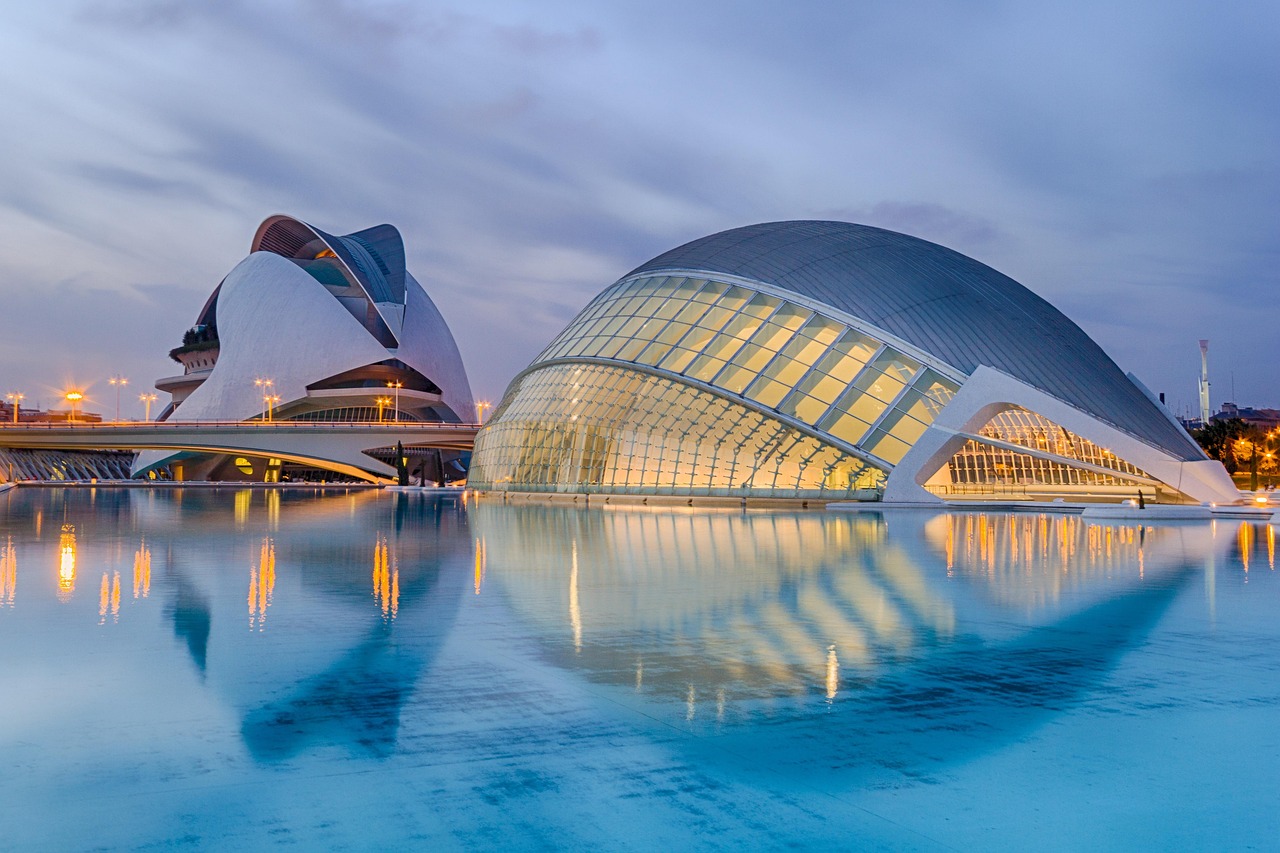
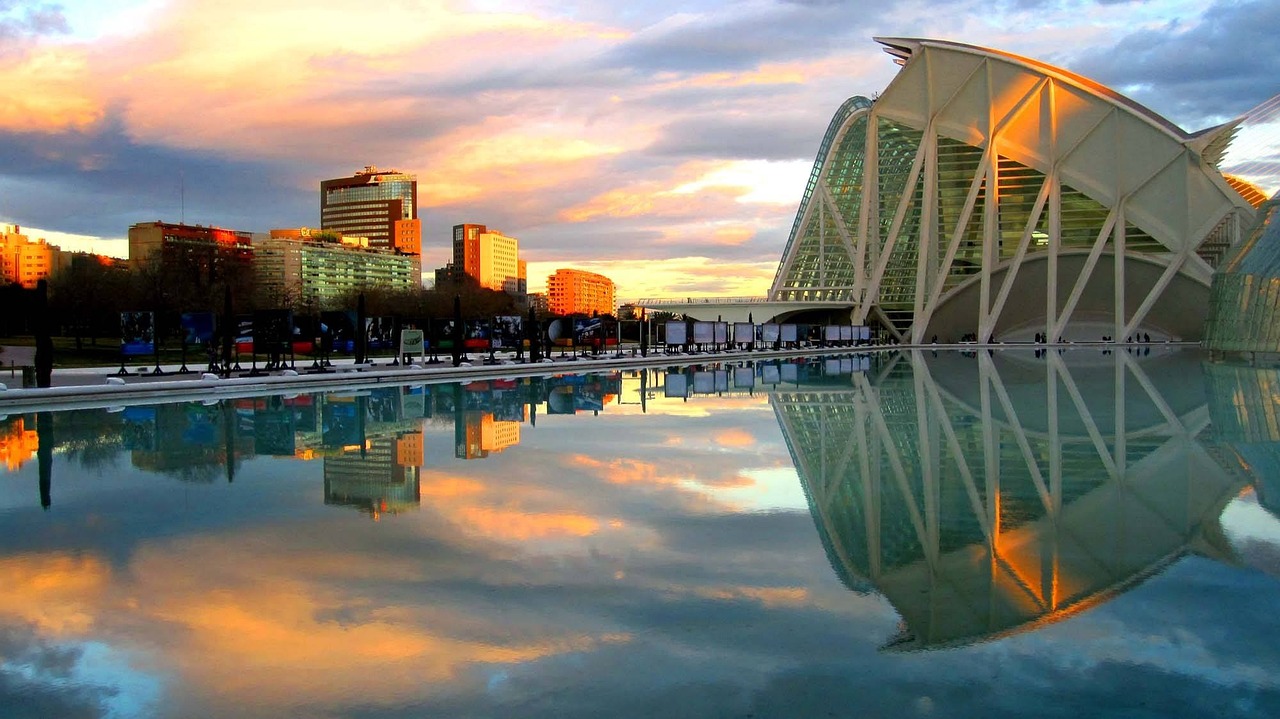
The first time I biked into the City of Arts and Sciences at sunset, I almost crashed into a lamppost. The white curves of the buildings glowed pink, reflecting in the shallow turquoise pools, and I remember thinking: “This can’t be real. This is a movie set.”
Designed by Santiago Calatrava and Félix Candela, this futuristic complex is Valencia’s postcard child and an absolute must in any travel guide for Valencia. It’s a series of gleaming white structures strung along the Turia Gardens, each with a different purpose: an interactive science museum, an opera house, an oceanarium, and more.
What to See & Do
- Hemisfèric: IMAX cinema and planetarium under a giant “eye”. Great for families; I once took my niece to a space show here, and she still calls it “the eye cinema”.
- Museu de les Ciències: The hands-on science museum. Lots of interactive exhibits; ideal if you’re traveling with kids or you’re playful at heart.
- Oceanogràfic: The largest aquarium in Europe, with underwater tunnels and themed marine habitats.
- Palau de les Arts: Opera house and performance venue – striking from outside; check for concerts and operas.
- Umbracle: A raised garden walkway with palms and sculptures, doubling as a viewpoint over the complex.
Personal Tips
- Time of day: My favorite is golden hour into twilight. Come an hour before sunset to stroll and take photos, then watch the lights come on.
- Best photos: Stand on the bridge between the Palau de les Arts and the Hemisfèric for classic skyline shots.
- Tickets: Combo tickets (Science Museum + Hemisfèric, or all three including Oceanogràfic) are cheaper than buying separately. Buy online in advance on weekends and holidays.
- Budget option: Even if you skip the paid attractions, walking the exterior is completely free and already one of the top things to do in Valencia.
How to Get There
You can walk or bike there along the Turia Gardens from the Old Town in about 30–40 minutes. Buses and metro (Alameda or Aragón stations plus a short walk) also work, but honestly, biking is half the fun. For families, a taxi from the center is cheap and easy.
2. Valencia Cathedral & El Miguelete
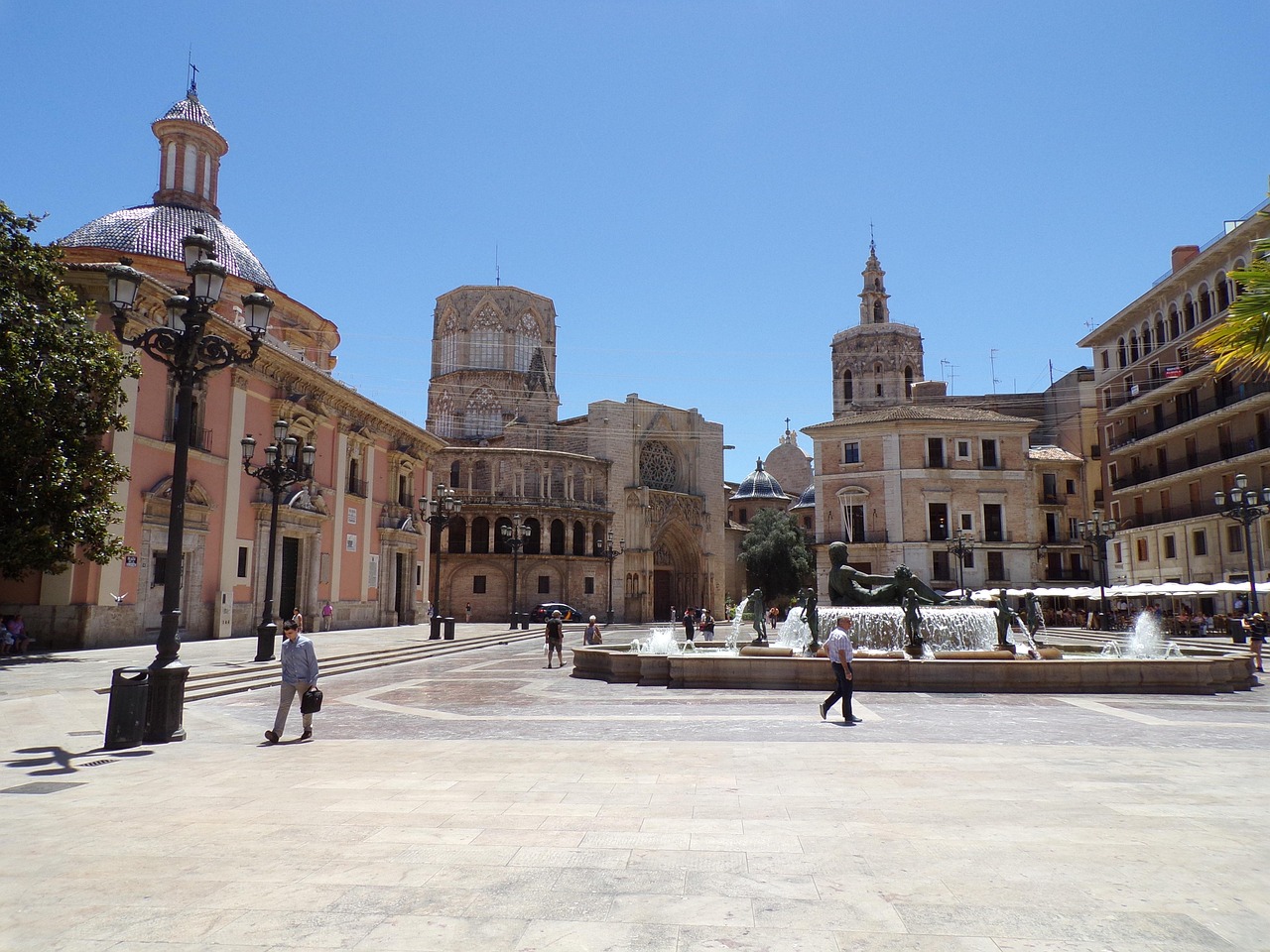
The Cathedral sits right at the heart of Valencia’s Old Town, stitched together from centuries of history: Gothic stone, Baroque flourishes, Romanesque doors. Legend claims it houses the Holy Grail, and whether you believe that or not, it’s a powerful place to start your journey.
I still remember one December morning in 2021, climbing the Miguelete tower on a crisp, clear day. The bells rang as I reached the top – startlingly loud – and the city spread out below: the orange rooftops, the green ribbon of the Turia, and in the distance, the shimmering sea.
What to See
- Holy Chalice Chapel: Said to house the Holy Grail; small but atmospheric.
- El Miguelete: The bell tower. Climb 207 narrow steps for a 360° view. Romantic at sunset, but also crowded; I prefer late morning.
- Plaza de la Virgen & Plaza de la Reina: Two beautiful squares on either side – perfect for a coffee break.
Visiting Tips
- Dress code: Shoulders covered and respectful clothing; it’s an active place of worship.
- Timing: Mornings are quieter. During major religious events you may encounter limited tourist visiting hours.
- Tickets: Combined ticket for cathedral + tower is worth it if you’re okay with stairs.
3. La Lonja de la Seda (Silk Exchange)
If you love architecture, La Lonja de la Seda will stop you in your tracks. This UNESCO-listed Gothic masterpiece feels like stepping into a stone forest. I like to go on quiet weekday mornings when you can hear your footsteps echo.
Built in the 15th century at the height of Valencia’s mercantile power, it was a silk exchange and a symbol of the city’s wealth. The twisted columns in the main hall are iconic, and the orange-tree-filled courtyard is a serene little pause in the city.
Tips
- Short but sweet: You don’t need more than 30–45 minutes to visit, but it’s worth every minute.
- Combine: Pair it with Central Market next door for a great morning of history and food.
- Photos: Tripods are usually not allowed, but handheld shots of the columns and vaulted ceiling are beautiful.
4. Central Market (Mercado Central)
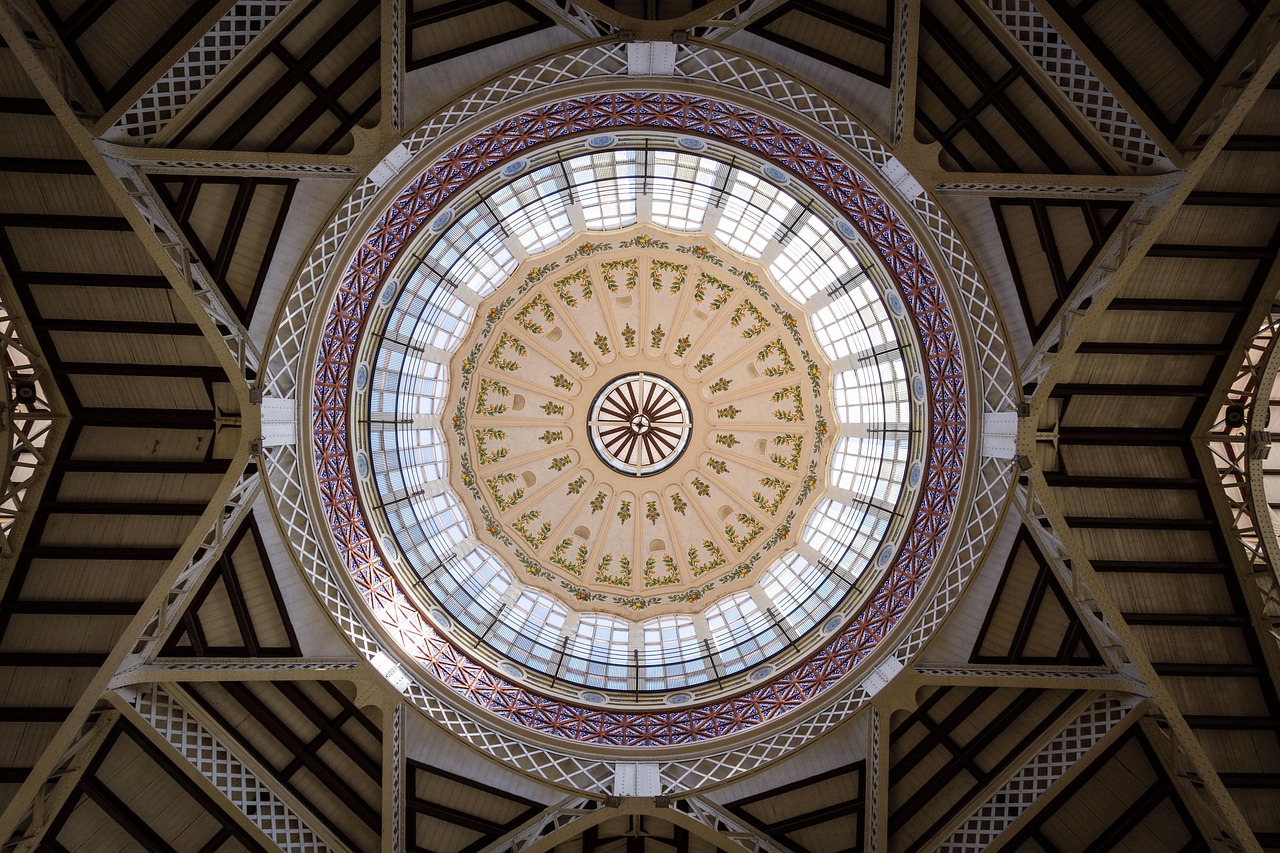
The Mercado Central is my happy place. It’s where I bring out-of-town friends for their first taste of local food in Valencia, and where I go when I want to feel the pulse of the city.
Housed in a gorgeous modernist building with stained glass and wrought iron, the market has over 1,000 stalls selling everything from fresh seafood and jamón to mountains of oranges, nuts, and olives. The smells – coffee, citrus, spices – hit you as soon as you walk in.
What to Eat & Buy
- Fresh fruit juice: Look for stalls with seasonal mixes (try orange + pomegranate in winter).
- Jamón & cheese cones: Easy, affordable snack; good for a DIY picnic.
- Olives & nuts: Perfect edible souvenirs.
- Horchata & fartons: Some stalls sell this classic Valencian drink and pastry combo.
Visiting Tips
- Go early: Before 10:00 for the best experience. It closes in the afternoon and is shut on Sundays.
- Cash & card: Most stalls now accept cards, but small notes are handy.
- Respect: This is a working market, not just a tourist attraction. Step aside if you’re taking photos so locals can shop.
5. Turia Gardens (Jardín del Turia)
The Turia is Valencia’s green backbone: a former riverbed turned into a 9 km-long park that runs through the city. I bike it almost daily – to get to meetings, to meet friends, or just to clear my head.
After a devastating flood in 1957, the river was rerouted and citizens fought to turn the dry bed into a park. Today, it’s a string of playgrounds, sports fields, gardens, and walking paths shaded by trees. It’s also the easiest way to move between the historic center and the City of Arts and Sciences without dealing with traffic.
How to Enjoy It
- Bike or e-scooter: Rent a bike and ride from Cabecera Park in the west all the way to the City of Arts and Sciences.
- Picnics: Pick up supplies from the Central Market and enjoy a lazy lunch on the grass.
- Family-friendly: Multiple themed playgrounds, including the famous Gulliver Park, make this fantastic for kids.
Local Tip
After heavy rain, parts of the park can get muddy – wear appropriate shoes. In summer, go early or late to avoid the midday sun.
6. Malvarrosa & Patacona Beaches
Valencia’s main city beach, Malvarrosa, is a huge sweep of golden sand lined with a promenade of bars and restaurants. Right next to it is Patacona, slightly quieter and more laid-back. On summer evenings, I love grabbing a cold drink and watching the sky turn cotton-candy pink over the sea.
What to Do
- Swim & sunbathe: The beaches are wide and family-friendly with gentle waves.
- Promenade walk: Great for an evening stroll, especially in spring and autumn.
- Beach volleyball & water sports: Courts are often set up; some vendors offer paddleboard and kayak rentals.
Food & Drink
For paella by the sea, I often book a table at a beachfront restaurant for a long lunch. More detailed restaurant suggestions are in the food section below, but a rule of thumb: aim for lunch (not dinner) for paella, and always reserve on weekends.
7. El Cabanyal Neighborhood
Just behind the beach lies El Cabanyal, a former fishermen’s quarter with colorful tiled houses and a slightly scruffy, bohemian vibe. This is where I go when I want to see a more lived-in Valencia, away from the postcard perfection.
Why Visit
- Architecture: Traditional homes with ceramic tile facades – bring your camera.
- Food & bars: Increasingly cool, with creative tapas bars and cafes opening in old buildings.
- Street life: Clotheslines, older locals chatting on doorsteps, kids playing in the street.
Wander with awareness and respect – this is a real neighborhood in flux, with ongoing debates about gentrification. Support local, long-standing businesses when you can.
8. Bioparc Valencia

The Bioparc is one of Europe’s most innovative zoos, designed around “zoo-immersion” – minimal visible barriers and large, naturalistic enclosures. I resisted going for years (I’m wary of zoos), but after visiting twice with friends’ children and reading up on their conservation work, I’ve come to see it as one of the more ethically-oriented animal parks.
Highlights
- African savanna: Giraffes, zebras, rhinoceroses sharing landscapes.
- Madagascar area: Lemurs often roaming quite close.
- Family-friendly: Well-signposted and stroller-friendly.
Tips
- Early arrival: Animals are more active in the morning.
- Combine: Pair with a walk in Cabecera Park and a picnic.
- Tickets: Buy online; check for family bundles.
9. Oceanogràfic
Part of the City of Arts and Sciences, Oceanogràfic is Europe’s largest aquarium and one of the most popular things to do in Valencia, especially for families. The underwater tunnels are genuinely mesmerizing; my favorite is walking through the shark tunnel when it’s a bit quiet – you feel completely surrounded by water.
Plan Your Visit
- Time needed: At least 3–4 hours if you want to see it properly.
- Shows & feeding times: Check schedules on arrival; some are seasonal.
- Food: On-site options are decent but pricey; you can bring snacks.
10. IVAM – Institut Valencià d’Art Modern
When the summer heat gets intense, I escape into museums. The IVAM is Valencia’s modern art museum, with solid permanent collections and rotating exhibitions that often surprise me. It’s less crowded than you’d expect, giving you breathing space to actually look at the art.
Local Tip
Check for late opening days and free entry times – great for budget travelers. The area around IVAM is also good for combining with a wander through the Carmen neighborhood.
11. National Museum of Ceramics (Museo Nacional de Cerámica)
Even if you don’t go inside, the rococo façade of this museum – the Palacio del Marqués de Dos Aguas – is jaw-dropping. I still remember the first time I walked past; I literally did a double-take and backtracked to stare up at it.
Inside, the museum showcases Spain’s long ceramic tradition, with beautiful tiles, pottery, and period rooms.
Tip
If you’re interested in design and architecture, this is a must. Check reduced entry days; some evenings are free or discounted.
12. Mercado de Colón
Mercado de Colón is a restored modernist market now filled with cafes, restaurants, and gourmet shops. Think of it as Valencia’s chic living room. I often meet friends here for a late-morning coffee or an evening drink – the natural light and high ceilings make everything feel airy and relaxed.
Best Uses
- Coffee breaks: Plenty of nice spots with outdoor seating.
- Horchata stop: One of my favorite horchaterías in the city has a branch here.
- Rainy day refuge: Great indoor space when weather isn’t ideal.
13. Ruzafa (Russafa) Neighborhood
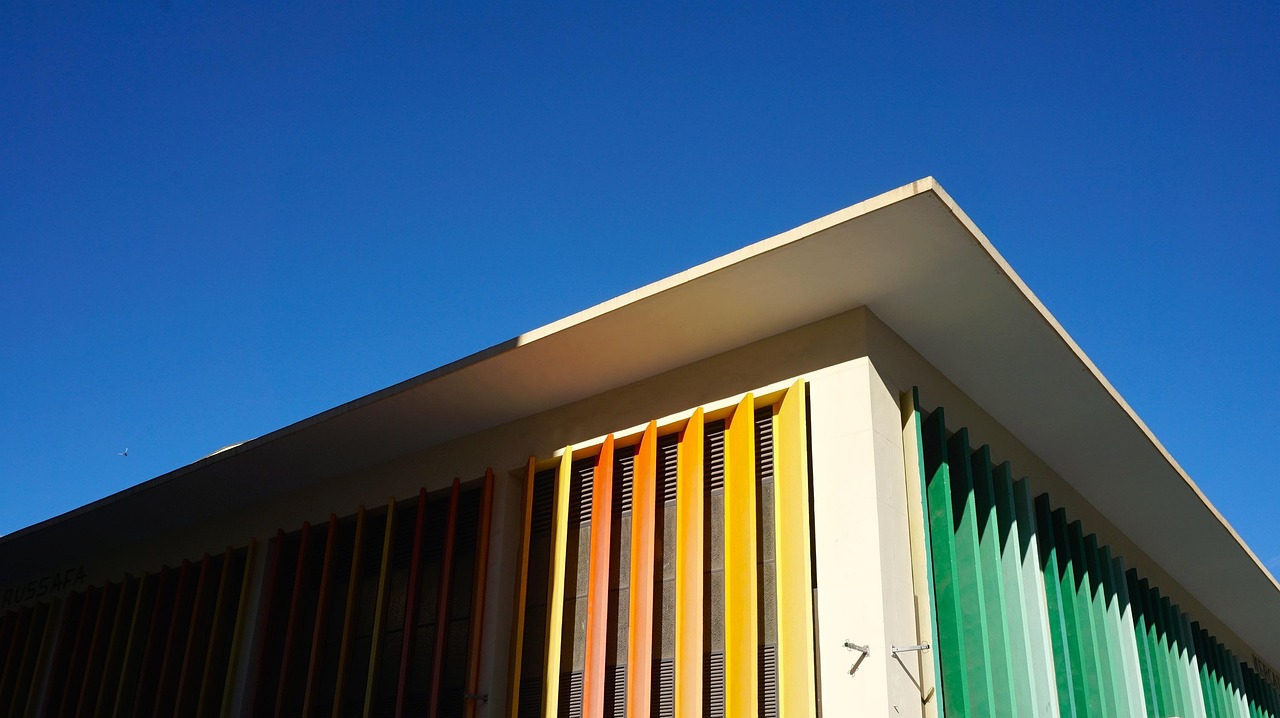
Ruzafa (or Russafa in Valencian) is Valencia’s hipster heart: street art, indie boutiques, coworking spaces, and a dense collection of bars and restaurants. Ten years ago, it was still relatively under the radar; now, it’s where friends visiting from Madrid invariably book their Airbnbs.
Why Go
- Food scene: Some of the city’s most interesting restaurants and brunch spots.
- Nightlife: Lively, but still more neighborhood-y than touristy.
- Local life: Markets, small plazas, and people walking dogs at all hours.
It’s ideal to stay here if you want a more residential base with easy access to the center and lots of eating options.
14. Silk Museum (Museo de la Seda)
Valencia’s silk trade shaped its history, and the Silk Museum is a quieter counterpart to La Lonja. I like it for the beautiful building and the sense of stepping into an older, slower Valencia.
It’s rarely crowded, which makes it a peaceful cultural stop in the middle of the Old Town.
15. Torres de Serranos
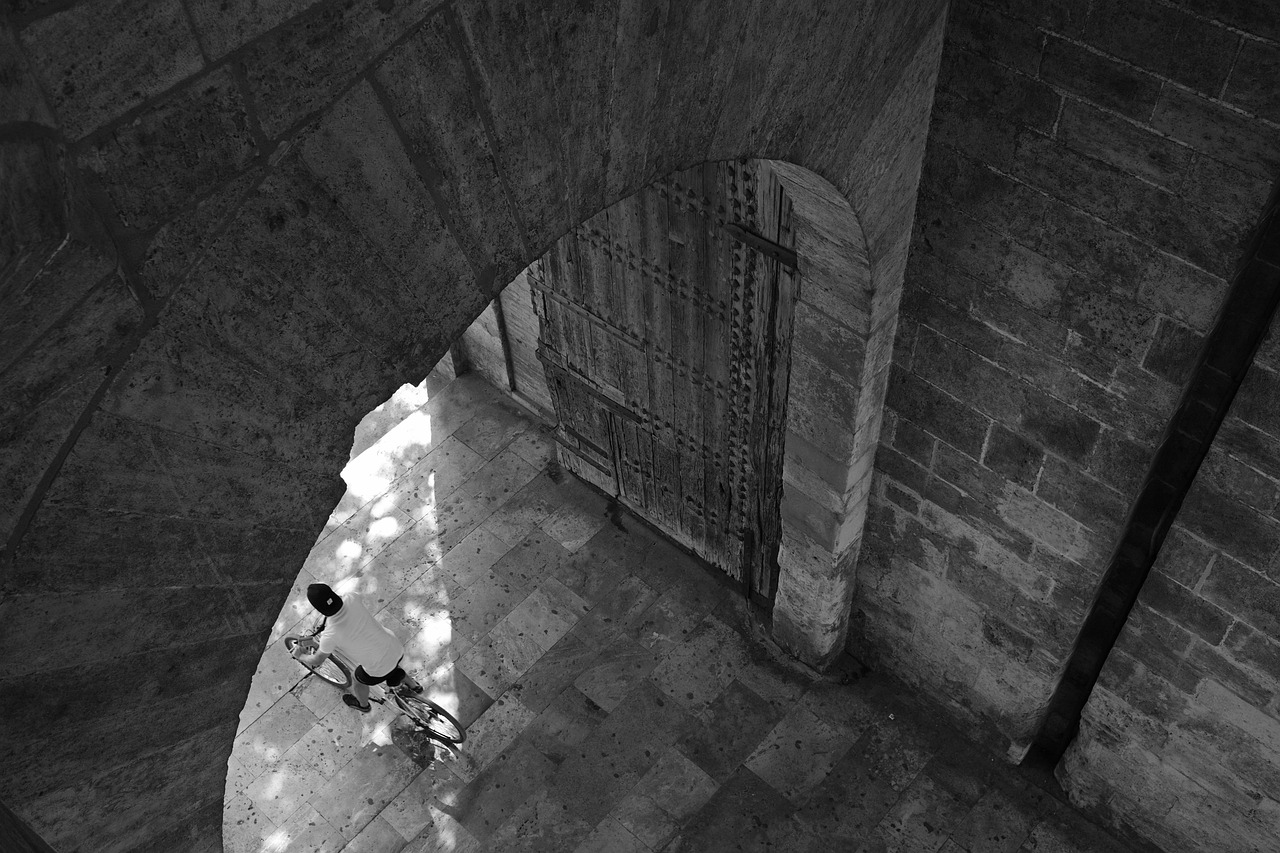
The Serranos Towers are one of the last remaining pieces of Valencia’s old city walls. Climb to the top for a beautiful view over the Turia Gardens and the rooftops of the Old Town. During Fallas, the opening ceremony often takes place here – an explosion of sound and color.
Tip
Come at opening time to have the place nearly to yourself, or just before sunset for golden light (but expect more people).
16. Torres de Quart
The Torres de Quart are the slightly rougher, battle-scarred siblings of the Serranos Towers. Cannonball marks are still visible from Napoleonic times. Climbing them feels like stepping into a historical novel.
17. González Martí National Museum of Ceramics & Decorative Arts (Extended)
(Covered above under Ceramics Museum – this entry is just to reinforce that Valencia’s decorative arts heritage is deeper than you might think. If you have extra time, combine it with a wander along Calle de la Paz and the surrounding streets.)
18. Albufera Natural Park
Just 10–20 km south of the city lies Albufera Natural Park, a freshwater lagoon surrounded by rice fields – the birthplace of paella. It’s one of my favorite escapes when I need a dose of nature and stillness.
In the late afternoon, the light over the water is magical. I’ve taken countless boat rides here, but one particular evening in 2023 stands out: we drifted across mirror-still water as the sun sunk behind the reeds, birds calling, the city a faint silhouette in the distance. It felt worlds away and yet so close.
What to Do
- Boat trip: Small boats leave from El Palmar; sunset is the classic choice.
- Paella in El Palmar: Do it right: boat ride, then paella in the village.
- Walking & birdwatching: Trails around the park are peaceful, especially outside peak season.
Getting There
- Public bus: EMT lines from Valencia center to El Palmar/El Saler (check current numbers and schedules).
- Car rental: Convenient if you want to explore multiple viewpoints; parking is usually manageable.
- Bike: Only for confident cyclists; it’s a longish ride but scenic.
19. Botanical Garden (Jardín Botánico)
Run by the University of Valencia, this lush garden is a pocket of calm on the edge of the Old Town. Giant fig trees, palm collections, and greenhouses make it a lovely place to wander, especially in spring and autumn.
I like bringing a book here on quiet weekday mornings; it feels like a secret, even though it’s central.
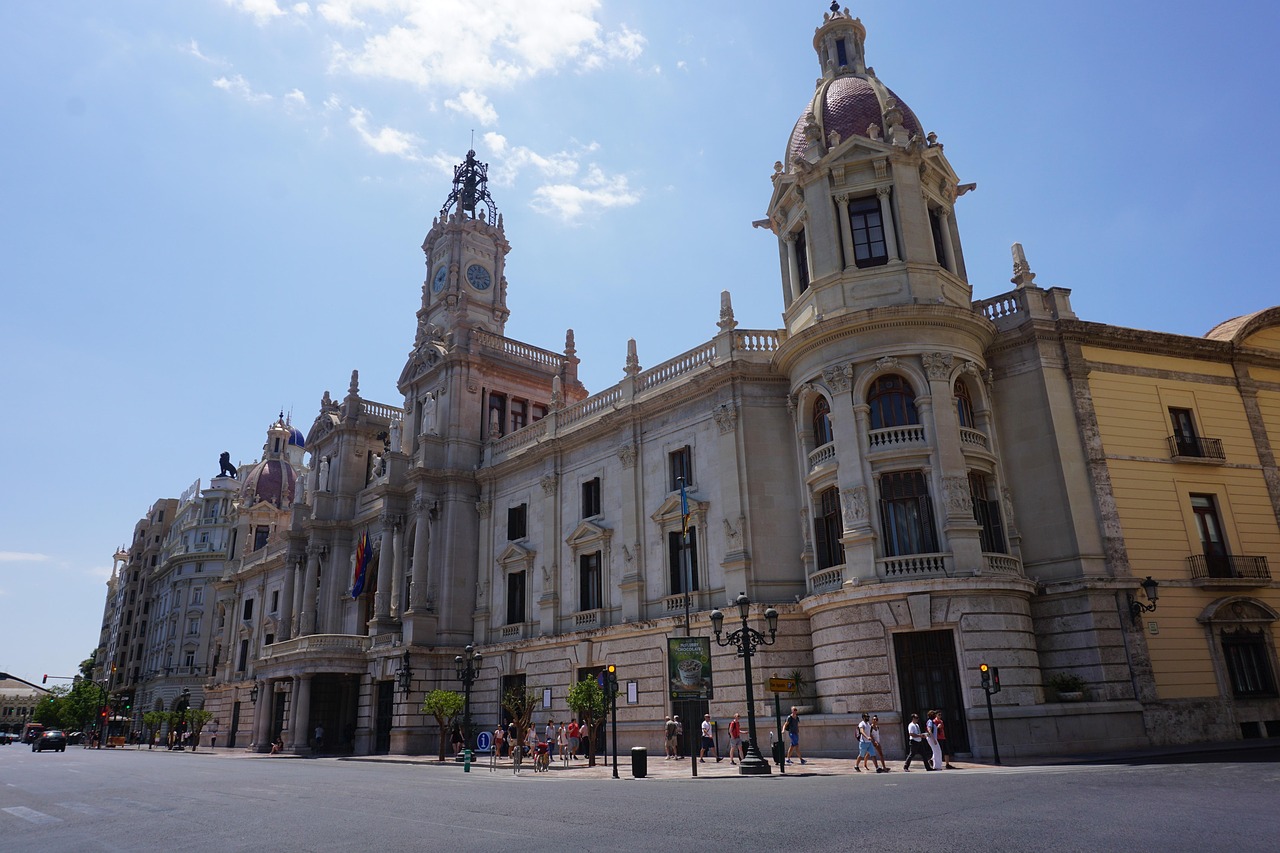
20. Plaza de la Virgen & Plaza del Ayuntamiento
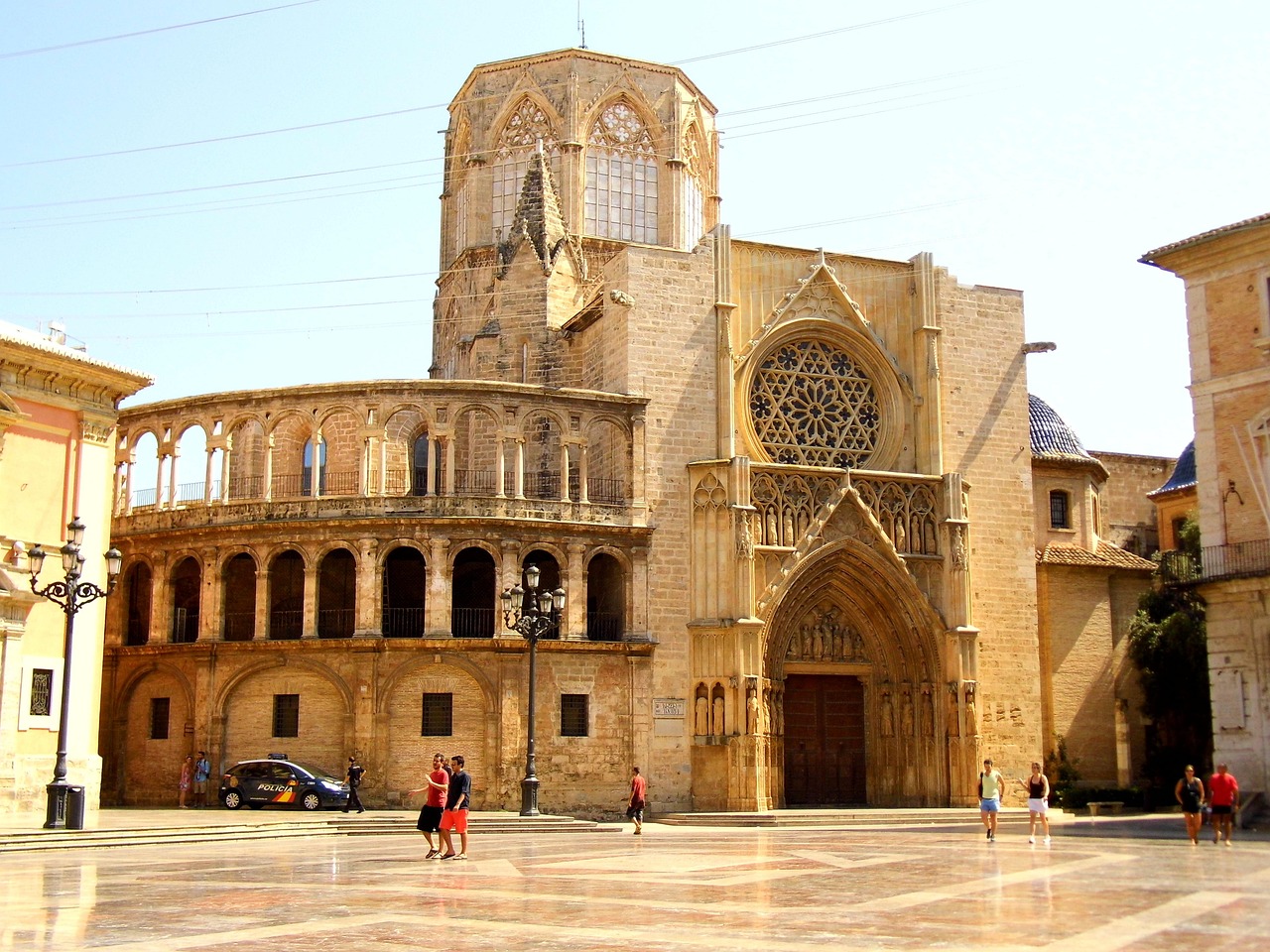
Valencia’s squares are where daily life plays out. Plaza de la Virgen, with its Neptune fountain and the Basilica of the Virgin, is more intimate; Plaza del Ayuntamiento is grander, with the town hall and main post office.
In March, Plaza del Ayuntamiento becomes ground zero for Las Fallas’ daily mascletàs – intense daytime firecracker shows. The first time I attended, at 2 pm on a weekday, I underestimated the volume. The ground shook, car alarms went off, and my chest rattled. It’s not fireworks, it’s sound sculpture – and it’s unforgettable.
Valencia’s Neighborhoods: Where to Stay & Explore
Understanding Valencia’s barrios helps you plan your 3 day itinerary for Valencia or longer stays. Here are the main areas I recommend exploring or staying in.
Ciutat Vella (Old Town)
The historic heart: narrow streets, plazas, churches, and many of the must-see attractions in Valencia. Stay here if you want to step out of your door straight into history.
Sub-areas like El Carmen are more bohemian and lively at night; the area near Plaza de la Reina is slightly more polished.
Ruzafa (Russafa)
Younger, trendier, full of bars and restaurants. Ideal for foodies and nightlife. It’s about a 15–20 minute walk to the Old Town.
Eixample
Wide boulevards, elegant buildings, and plenty of shopping. Quieter at night than Ruzafa but central and comfortable. Mercado de Colón anchors the area.
Benimaclet
A former village absorbed by the city, with a student-y feel thanks to its proximity to the university. More local and alternative, with live music bars and small plazas.
El Cabanyal & Beach Area
Stay here if sea air matters more to you than being right by the Cathedral. Great for summer trips and longer stays, with quick access to Malvarrosa and Patacona beaches.
Local Food in Valencia: What to Eat & Where
If you remember just one thing from this guide: Valencia is not just paella, but paella is sacred here. Ordering it well – and at the right time – is one of the most important travel tips for Valencia.
Must-Try Dishes
- Paella Valenciana: The original, with rabbit, chicken, sometimes snails, and local beans. Eaten at lunch, never at night in traditional spots.
- Arroz del senyoret, arroz a banda: Other rice dishes, often with seafood. Share between at least two people.
- Horchata & fartons: Sweet tiger nut milk drink with long, soft pastries for dipping.
- Agua de Valencia: A deceptively strong cocktail made with cava, orange juice, and spirits. Best shared in a jug with friends.
- All i pebre: Eel stew from Albufera – a rustic local specialty.
Where to Eat (Local-Lens Suggestions)
I’ll keep names general here so they stay current, but these are the types of places I recommend you seek out:
- Traditional paella houses in El Palmar (Albufera) and along the Malvarrosa promenade – book for lunch, ask for “arroz a leña” (wood-fired) if available.
- Tapas bars in El Carmen and Ruzafa – look for places busy with locals, especially on weeknights.
- Mercado Central for daytime snacking and picnic supplies.
- Horchaterías in the Old Town and near Mercado de Colón for horchata and pastries.
General rule: avoid places with laminated photo menus in five languages on main tourist squares, especially if they advertise paella for dinner. Walk one or two streets away and you’ll find better quality at similar prices.
Saving Money on Food
- Menu del día: Weekday fixed-price lunch menus are great value (starter, main, dessert, drink).
- Markets & bakeries: Cheap, fresh, and delicious; perfect for breakfast or light lunch.
- Avoid beach-front traps: Some are excellent, others charge for the view more than the food. Check reviews and ask locals at your accommodation.
Nightlife, Entertainment & Cultural Experiences in Valencia
Evenings in Valencia are long and social, especially from late spring to early autumn. People eat late, plazas stay lively, and terraces are full well into the night.
Where to Go Out
- Ruzafa: Bars, cocktail spots, live music. Good for bar-hopping.
- El Carmen: More alternative, with a mix of small bars and clubs.
- Marina & beach clubs: In summer, beach-side venues get lively with DJs.
Cultural Experiences in Valencia
- Fallas Museum: Learn about Valencia’s most famous festival; see preserved ninots (figures).
- Local festivals: Even outside Las Fallas, smaller neighborhood fiestas happen throughout the year.
- Music & performance: Check schedules at Palau de la Música, Palau de les Arts, and smaller venues for concerts and theater.
Day Trips from Valencia
If you’re planning a 5 day itinerary for Valencia, consider dedicating one day to a nearby town or landscape.
- Sagunto: Roman theater and hilltop castle ruins; easy by train.
- Xàtiva: Dramatic castle overlooking a small town; train + uphill walk or taxi.
- Requena & Utiel: Wine country; best with a car or organized tour.
- Peñíscola: Coastal town dominated by a castle on a rock; longer day trip by car or bus.
Local Customs & Cultural Etiquette
Understanding local customs in Valencia will make your stay smoother and more enjoyable.
- Meal times: Lunch 2–4 pm, dinner 9–11 pm. Many kitchens close between lunch and dinner.
- Siesta-ish: Smaller shops may close in the afternoon, especially in summer.
- Greetings: A handshake in formal settings; among friends, two cheek kisses (starting on the left).
- Language: Spanish and Valencian are both official. A simple “Bon dia” in Valencian is appreciated, but not required.
- Tipping: Not obligatory, but rounding up or leaving 5–10% in restaurants for good service is appreciated.
- Dress: Beachwear is for the beach, not the city center or churches.
Practical Travel Tips for Valencia (2026–2027)
Getting Around: Public Transport, Bikes, Car Rental
- Metro & trams: Connect airport, city center, and beach. Buy rechargeable cards; consider tourist transport passes if you’ll ride often.
- Buses: Good coverage, including to the beach and Albufera area.
- Bikes: Valencia is flat and increasingly bike-friendly. Short-term rentals and bike-share services are widely available.
- Walking: The Old Town is very walkable; allow 15–30 minutes between most central points.
- Car rental: Not needed in the city; useful if you plan multiple day trips. Parking in the historic center is limited.
Saving Money
- Transport passes: Tourist cards can include transport + museum discounts; compare with your plans.
- Free museum days: Many museums have reduced or free entry at certain times – check official sites.
- Tap water: Safe to drink; refill bottles instead of buying plastic.
SIM Card & Connectivity
- eSIMs: Easy option if your phone supports them; buy before arrival or upon landing.
- Physical SIM: Available from major operators and electronics shops; bring passport.
- Wi-Fi: Common in hotels, cafes, and many public spaces.
Visa Requirements & Driving
For 2026–2027, Spain remains part of the Schengen Area. Always check updated requirements from official sources before travel.
- Visas: Many nationalities get 90 days visa-free in Schengen; others need a Schengen visa.
- Passports: Generally need at least 3–6 months validity beyond your planned departure.
- Driving licenses: EU licenses are valid. Non-EU visitors often need an International Driving Permit (IDP) alongside their home license; check current regulations with your rental company.
Safety
- Overall: Valencia is generally safe, with a relaxed feel.
- Pickpockets: Watch your belongings in crowded areas, on public transport, and during festivals.
- Night: Normal city precautions apply; main areas stay busy late.
Best Time to Visit Valencia
- Spring (March–May): Ideal temperatures. March is dominated by Las Fallas – spectacular but crowded and loud.
- Summer (June–August): Hot, especially inland, but sea breezes help. Great for beach time; expect more visitors and higher prices.
- Autumn (September–November): My personal favorite: warm sea, fewer crowds, pleasant evenings.
- Winter (December–February): Mild; some rainy spells, but also many clear days. Quieter and budget-friendly.
If you’re planning 3 days in Valencia and want a mix of city and beach without intense heat, aim for late April–early June or September–October.
Major Events & Festivals 2026–2027
- Las Fallas (March 15–19 every year): Enormous artistic monuments, daily fireworks, parades, and street parties. Book accommodation months ahead.
- Feria de Julio (July Fair): Summer festival with concerts, fireworks, and events in the Turia Gardens.
- Marathon & Half Marathon: Usually in late autumn; the marathon has become internationally renowned, with routes showcasing the City of Arts and Sciences.
- Local fiestas: Neighborhood events, especially around summer and key saints’ days, add color throughout the year.
By 2026, the city continues investing in sustainable tourism and cultural programming, so expect more open-air concerts, exhibitions, and family-friendly events, especially in spring and summer.
Summary & Final Recommendations
Valencia rewards both quick visits and slow stays. For a 3 day itinerary for Valencia, focus on the Old Town, Turia Gardens, and City of Arts and Sciences, with at least one sunset at the beach. With 4 days in Valencia, add Albufera for a boat ride and paella at the source. A full 5 day itinerary for Valencia lets you deepen the experience: more neighborhoods, more museums, and a day trip to a castle-topped town or wine region.
Come hungry, bring comfortable shoes, and leave room in your days for terrace coffees, aimless walks, and watching the light change on the white curves of the City of Arts and Sciences. That’s where Valencia’s real magic lives.