Why Visit Gothenburg? What Makes It Special
If Stockholm is Sweden’s polished big sister, Gothenburg is the warm, slightly mischievous younger sibling who invites you in for coffee, hands you a cinnamon bun the size of your head, and insists you join a spontaneous ferry ride through the islands.
I’ve been coming to Gothenburg at least once a year since 2014, in every season and mood: solo, with friends, on a romantic winter weekend, and even with two very jet‑lagged nephews. Every time, the city surprises me in some new way—an experimental wine bar tucked in a back alley, a jazz band playing in a tram depot, a perfectly quiet bench with a view of the harbor cranes glowing at sunset.
Gothenburg in 2026 is having a bit of a moment. The city has leaned hard into what it does best:
- Walkable neighborhoods full of indie shops and cafés
- World‑class seafood and inventive, surprisingly affordable food
- A ridiculously pretty archipelago just 30–60 minutes away by tram + ferry
- A big music, design, and festival scene for a city of its size
- Friendly, unpretentious locals and a relaxed, maritime vibe
Whether you have 3 days in Gothenburg, a 4 day itinerary, or a full 5 days to play with, this travel guide will help you experience the city the way locals do: slow, social, and with plenty of time for fika (the sacred Swedish coffee break).
Table of Contents
- Why Visit Gothenburg in 2026
- 3–5 Day Itineraries for Gothenburg
- 20 Must‑See Attractions in Gothenburg (Deep Dive)
- Neighborhoods & Districts to Explore
- Local Food & Drink in Gothenburg
- Nightlife, Entertainment & Cultural Experiences
- Major Events & Festivals 2026–2027
- Best Day Trips from Gothenburg
- Cultural Etiquette & Local Customs
- Practical Travel Advice for Gothenburg
- Final Summary & Key Takeaways
Perfect 3–5 Day Itineraries for Gothenburg
This section is designed so you can mix and match: follow the first 3 days for a classic 3 day itinerary for Gothenburg, add Day 4 for a deeper 4 day itinerary, and add Day 5 for a full 5 days in Gothenburg with day trips.
Day 1 – Classic Gothenburg: Canals, Avenyn & Haga
Every time I arrive in Gothenburg—whether by train from Stockholm or bus from the airport—I follow more or less the same ritual on my first day. It’s the perfect warm‑up: a mix of the city’s famous sights and easy, walkable areas.
Morning: Strolling the Canal & Historic Center
I like to start near Brunnsparken, where the trams meet and the canal loops around the old city. Grab a takeaway coffee from one of the kiosks and stroll along the water toward Drottningtorget and the Central Station. You’ll see the old moat that once protected the fortified city.
If it’s your first time, consider a Paddan boat tour early in the day. It’s touristy, sure, but in a charming way—and it gives you a quick history lesson while you glide under ridiculously low bridges.
Personal tip: Sit near the edges for better views and be prepared to duck under the “cheese slicer” bridge. I once watched a very tall Dutch man flatten himself almost comically to fit; everyone laughed, including him.
Late Morning: Kungsportsavenyn (“Avenyn”)
After your boat ride, walk up Kungsportsavenyn, the city’s main boulevard—locals just call it Avenyn. It’s lined with shops, restaurants, and bars, but what I love most is how it changes character from morning to night.

Start at the canal side and head uphill. Pop into NK (Nordiska Kompaniet) if you like Scandinavian design or browse the side streets for smaller boutiques. At the top of the avenue, you’ll see the imposing Götaplatsen, framed by the Gothenburg Museum of Art, the City Theatre, and the Concert Hall.
Lunch around Götaplatsen
For lunch, I often go for something simple nearby—like a shrimp sandwich or soup at a café near the museum. If you’re already in foodie mode, head a bit further toward Magasinsgatan, one of my favorite streets for food trucks and casual bites.
Afternoon: Haga – Gothenburg’s Coziest Quarter
No 3 days in Gothenburg are complete without at least one unhurried afternoon in Haga. It’s one of the city’s oldest districts, with cobbled streets, low wooden houses, and cafés that seem designed for lingering.

Walk down Haga Nygata and let yourself be pulled into whichever café smells the best. I’m partial to Café Husaren, famous for its enormous cinnamon buns (kanelbullar) that spill over the sides of the plate. On a chilly day in November, I once sat there for two hours with a book and a bun, watching people rush by bundled in scarves while the candlelight flickered on the windows.
After fika, wander the side streets, browse the small shops (lots of Swedish design, ceramics, and local brands), and then, if you have the energy, climb up to Skansen Kronan, the old stone fortress on the hill behind Haga, for one of the best views of the city.
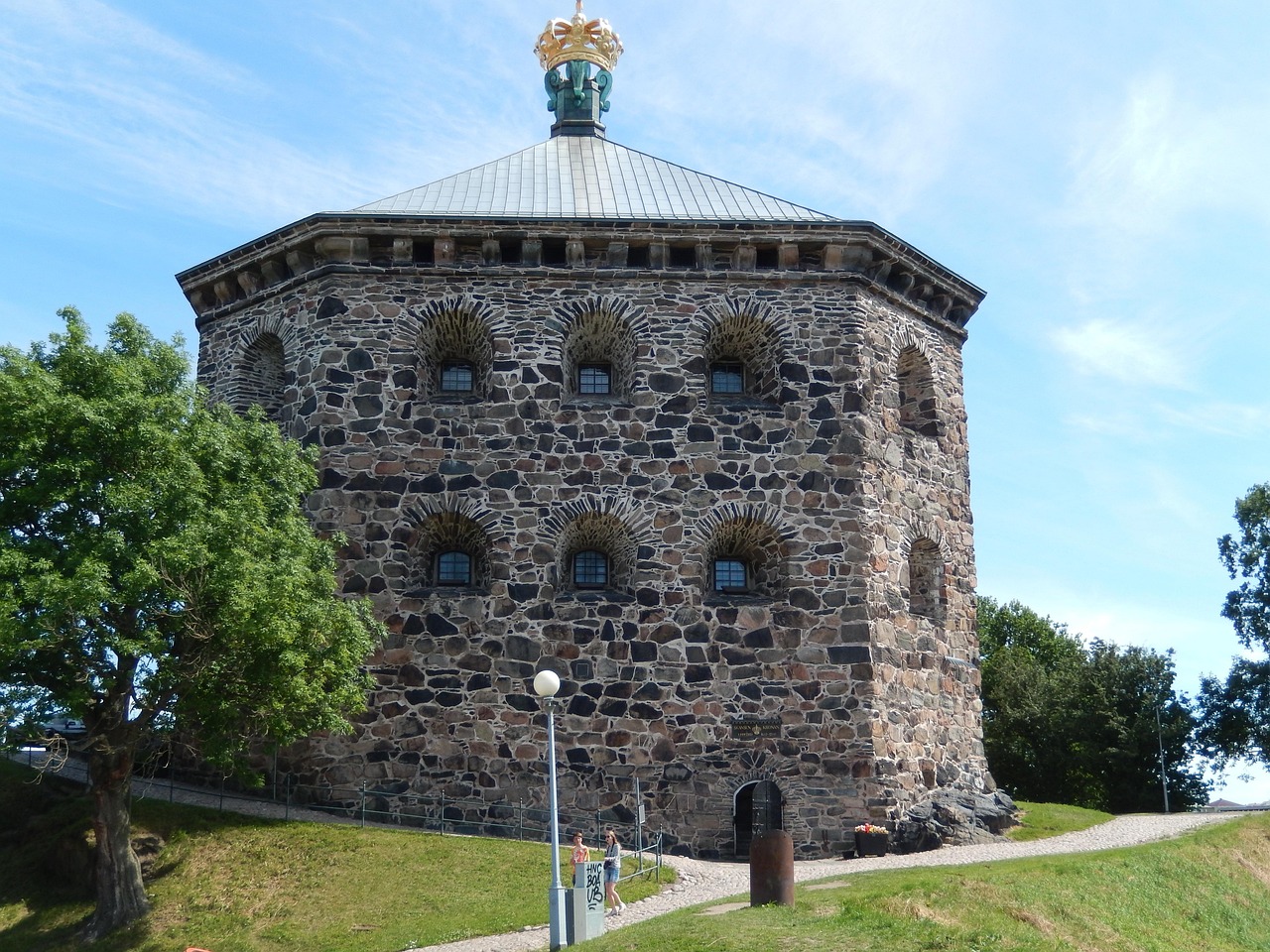
Evening: Dinner & Drinks around Vasastan or Haga
For your first evening, stay central. Some options I love:
- Toso (near Götaplatsen) – Asian fusion, fun atmosphere, great for a romantic night or a small group.
- Sjöbaren Haga – Cozy seafood restaurant tucked into Haga; I had an unforgettable fish stew here on a rainy October evening.
- Made in China (Tredje Långgatan) – Trendy spot for sharing plates, good if you’re already curious about the Linné/Långgatorna area.
End the night with a quiet drink at a wine bar in Vasastan or a craft beer spot on Andra Långgatan.
Day 2 – Museums, Parks & Local Food
Day 2 is when you start to feel like you live here—at least a little. We’ll focus on culture, parks, and seriously good local food.
Morning: Gothenburg Museum of Art (Göteborgs Konstmuseum)
Even if you’re “not a museum person,” the Gothenburg Museum of Art is worth at least a couple of hours. The collection of Nordic art is outstanding, and the building itself, with its brick arcades, anchors Götaplatsen.
I like to arrive just after opening when it’s quiet, roam the permanent collection, and then check if there’s any special 2026 exhibition (there usually is—keep an eye on their website). The top floors have beautiful light and often fewer people.
Late Morning: Trädgårdsföreningen Park
From there, walk down toward the canal and into Trädgårdsföreningen, the Garden Society of Gothenburg. This 19th‑century park is surprisingly central yet feels like a green oasis.
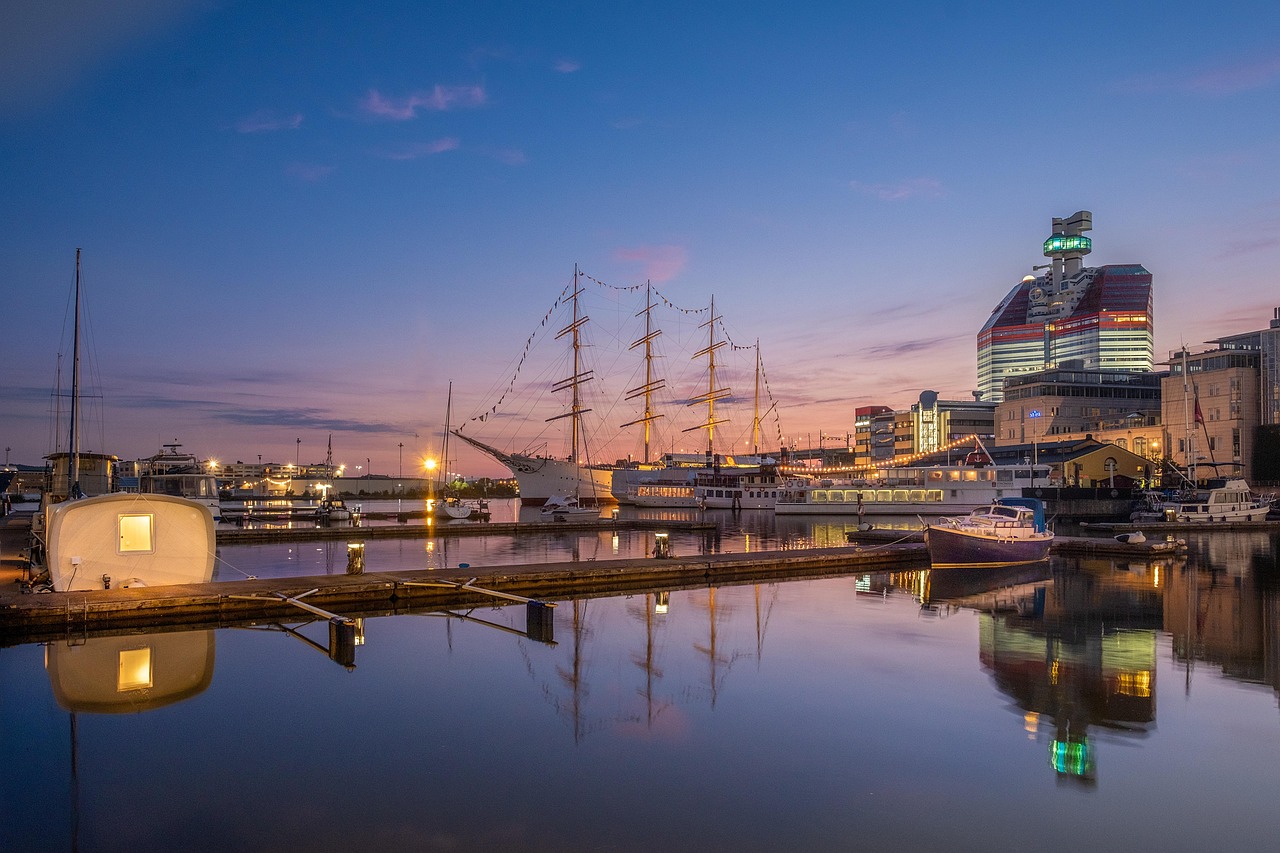
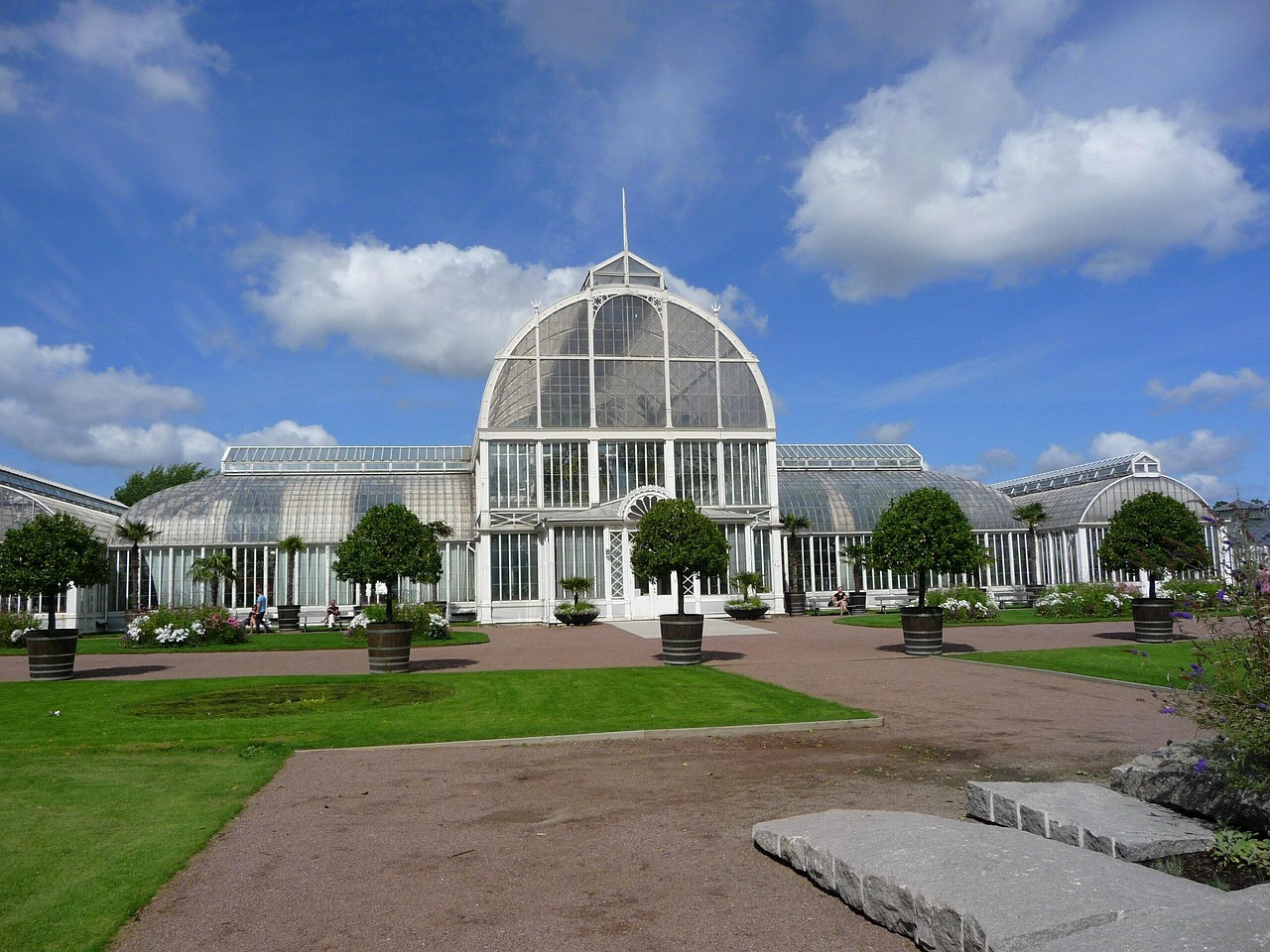
The Palm House is my favorite—an elegant glass greenhouse inspired by the Crystal Palace. In winter, stepping inside feels like teleporting to another climate; I once spent an entire snowy afternoon here, thawing out among the palms and snapping photos of condensation on the panes.
Lunch: Saluhallen Market Hall
Walk a few minutes to Stora Saluhallen, the grand indoor market hall. This is where I take every friend on their first visit for a crash course in Swedish food.
Options include:
- Open‑faced sandwiches with shrimp, salmon, or herring
- Swedish meatballs with lingonberries and mashed potatoes
- Cheese counters, charcuterie, and bakeries for picnic supplies
Pick a stall that’s bustling but not frantic and don’t be shy to ask for recommendations; vendors are proud of their products and happy to explain what’s local.
Afternoon: Slottsskogen Park & Universeum
Depending on your interests (and whether you’re traveling with kids), you’ve got two excellent options this afternoon: Slottsskogen and/or Universeum.
Slottsskogen – Gothenburg’s Big Green Heart
Take a tram to Slottsskogen, the city’s beloved central park. I’ve picnicked here in June, jogged through frosty paths in December, and once got caught in a sudden August rainstorm and ended up huddled under a tree with a group of students who shared their chips with me.
Highlights:
- Nordic animals in semi‑open enclosures (elk, seals, penguins)
- Great playgrounds and a petting zoo – perfect if you’re with kids
- Grassy lawns for picnics and lazy afternoons
Universeum – Science Center & Rainforest (Family Favorite)
Right by Liseberg, Universeum is Scandinavia’s largest science center. Think tropical rainforest, aquariums, space exhibits, and hands‑on experiments. When I brought my nephews here, I lost them to the interactive stations for hours; we had to drag them out at closing time.
Tip: Pre‑book your tickets online in summer and on weekends; it can get busy, especially when it rains.
Evening: Local Food & Craft Beer in Linné or Magasinsgatan
For dinner, head toward the Linné neighborhood or back to Magasinsgatan for casual but high‑quality food.
- Magasinsgatan Food Trucks – In summer, this square becomes an open‑air food court with everything from tacos to Korean street food.
- Breweries on Andra Långgatan – A lively street with bars and small breweries; great for budget‑friendly drinks.
- Pub food in Linné – Many places do excellent burgers, fish & chips, and vegetarian fare.
Day 3 – The Southern Archipelago: Islands, Sea Air & Slow Travel
If you only remember one thing from this Gothenburg travel guide, let it be this: make time for the archipelago. It’s the soul of the region and one of the best things to do in Gothenburg, especially if you have 3 days or more.
Morning: Tram to Saltholmen & Ferry to Styrsö or Vrångö
Catch tram 11 (or 9) to Saltholmen at the end of the line. From there, you hop on a public ferry to the southern islands—no cars allowed, just bikes, boats, and walking paths.
For a first visit, I usually recommend:
- Styrsö – Charming village feel, nice walks, cafés
- Vrångö – Slightly quieter, great swimming spots and coastal paths
Personal note: On a clear May morning, I once sat on the ferry deck with a thermos of coffee, watching the rocky islands slip past while elderly locals chatted in mellow Gothenburg dialect around me. It felt like being let in on a local secret.
Island Wandering & Picnic Lunch
Once on the island, just walk. Follow small roads past wooden houses, peek at tiny gardens, and head up to the highest lookout point (like Stora Rös on Styrsö) for sweeping views of the sea. Pack a picnic: bread, cheese, fruit, and maybe some smoked fish from a city shop, or grab lunch at a local café if it’s open (hours vary by season).
In summer, pack swimwear. Swedes will swim in water that many foreigners consider “still a bit icy”—I’ve dipped in at 16°C and felt oddly proud afterward.
Afternoon: Second Island or Long Walk
If you’re ambitious, hop a short ferry to a second island. If not, slow down. The archipelago rewards unhurried wandering: coastal trails, smooth granite rocks for sunbathing, and tiny harbors with fishing boats.
Tip: Always check the return ferry times before you wander too far, especially in the shoulder seasons when frequency drops.
Evening: Back to the City for Seafood Dinner
Return to Gothenburg and treat yourself to a seafood feast—you’ve spent the day surrounded by the sea; now you get to taste it.
- Sjömagasinet – Upscale, in an old warehouse by the water; memorable for special occasions.
- Gabriel Fisk- & Skaldjursbar (inside Feskekôrka’s surroundings or temporary locations during renovations) – A classic for oysters and shellfish when operating; check the latest 2026 status.
Day 4 – Neighborhoods, Street Life & Hidden Gems
If you’re doing 4 days in Gothenburg, this is where your itinerary shifts from “tourist” to “temporary local.” We’ll dive into specific districts and some less obvious spots.
Morning: Linnéstaden & the Långgatorna
Start in Linnéstaden, one of my favorite parts of the city to simply wander. Tree‑lined streets, beautiful stone buildings, and an easygoing, residential feel.
Grab breakfast or fika at a café on Linnégatan or one of the cross streets, then drift toward the “Långgatorna” – Första, Andra, Tredje Långgatan.
These parallel streets capture Gothenburg’s younger, more alternative side: bars, vintage shops, record stores, and quirky restaurants. In the late morning, it’s calm; at night, it’s lively and a bit wild on weekends.
Midday: Röda Sten Konsthall & Älvsborg Bridge
Take tram or bus toward Klippan and walk under the impressive Älvsborg Bridge to Röda Sten Konsthall, a contemporary art space in an old boiler house by the water.
The exhibitions can be hit or miss depending on your taste, but the building, its graffiti‑covered surroundings, and the café terrace with river views are always a win. I’ve spent lazy afternoons here in summer, watching boats pass and the bridge shimmer in the light.
Afternoon: Industrial Chic in Ringön or Eriksberg
For something more offbeat, cross the river by ferry or bridge to explore the northern bank.
- Eriksberg – Former shipyard turned modern waterfront district, with preserved cranes and a long promenade. Great for a scenic walk.
- Ringön – Gritty, semi‑industrial area that’s slowly becoming a creative hub with studios, breweries, and events. Feels like a real hidden gem when you stumble on a gallery or pop‑up bar in an old warehouse.
Local tip: Keep an eye on local event listings (and posters on lampposts!)—Ringön often hosts small festivals, flea markets, and concerts, especially in summer.
Evening: Wine Bars & Small Plates
Head back to Vasastan or Linné for dinner. This area excels at cozy, intimate spots with seasonal menus and great natural wine lists. It’s ideal for a romantic night or a relaxed evening with friends.
Day 5 – Day Trips & Deeper Explorations
If you’re lucky enough to have 5 days in Gothenburg, use your final day for a day trip or a deeper dive into something you love—design, nature, or small‑town Sweden.
Option 1: Marstrand – Castle, Cliffs & Seaside Charm
Marstrand is a classic day trip: an island dominated by the 17th‑century Carlstens Fästning (Carlsten Fortress), reachable by bus and a short ferry ride. Wander the fortress walls, then follow the coastal trails around the island. The combination of history, wooden houses, and sea views is hard to beat.
Option 2: Gunnebo House & Gardens
Closer to the city, Gunnebo Slott is an 18th‑century manor with beautiful gardens, organic kitchen garden, and walking paths. I once spent a leisurely autumn day here, having lunch in their café (much of the food comes straight from the garden) and then wandering through the forest trails.
Option 3: More Archipelago – Northern Islands
If the southern archipelago stole your heart, try the northern islands (like Hönö, Fotö, or Öckerö) accessible by bus + ferry from the city. These islands allow cars and feel a bit more lived‑in, with fishing harbors and small communities.
Evening: Farewell Gothenburg
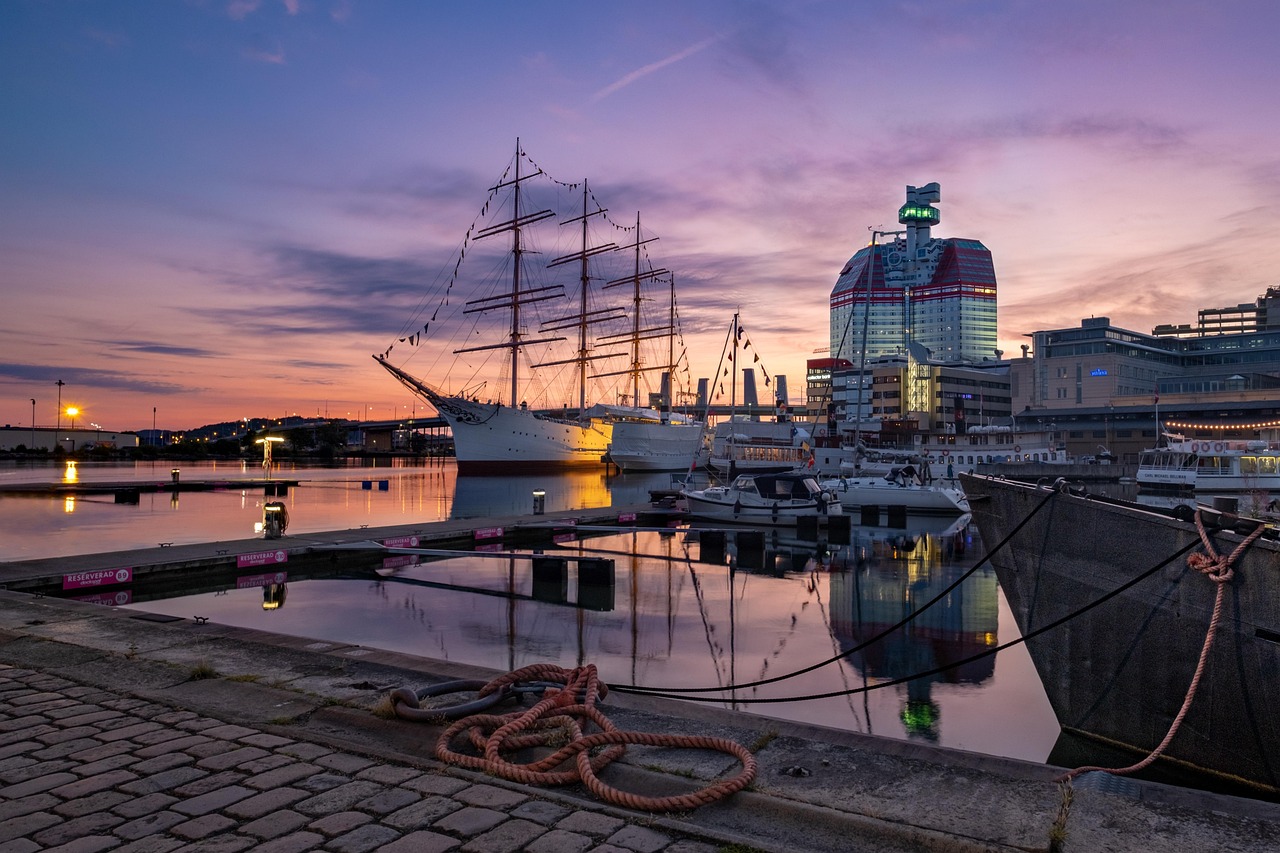
For your last night, revisit your favorite neighborhood. Have one final fika, stroll the canals at dusk, and maybe end with a drink by the water in the harbor districts, watching the cranes and ships fade into the evening.
20 Must‑See Attractions in Gothenburg – In‑Depth Local Guide
Here’s a closer look at the best places to visit in Gothenburg, with history, context, and personal tips. You won’t hit all 20 in 3 days, but over 4–5 days you can cover quite a few.
1. Liseberg Amusement Park

Why go: Scandinavia’s largest amusement park, equally magical for families, couples, and thrill‑seekers.
My experience: I’ve visited Liseberg in blazing July sun and in December when it transforms into a Christmas market of lights and mulled wine. Both are fantastic but feel like entirely different destinations.
Highlights:
- World‑class roller coasters (including wooden and high‑tech steel coasters)
- Family rides and gentle attractions for younger kids
- Concerts and live entertainment in summer
- Christmas at Liseberg: markets, ice skating, and millions of lights
Tips: Buy tickets online in peak season. If you’re mainly there for atmosphere (not rides), an evening visit with a simple admission ticket can be enough. Bring a light jacket—even summer evenings can be cool.
2. Universeum Science Center
Why go: A must for families and science lovers; one of the best interactive museums in Scandinavia.
What to expect: A multi‑floor complex with an indoor rainforest, aquariums, space exhibits, and hands‑on experiments. Plan 3–4 hours, especially with kids.
My tip: Start at the top and work your way down, following the suggested route. The rainforest section can be warm and humid—dress in layers.
3. Haga District
Why go: Gothenburg’s most atmospheric old quarter, perfect for strolling, shopping, and fika.
History: Once a working‑class neighborhood, Haga’s wooden houses and cobbled streets were nearly demolished in the mid‑20th century. Thankfully, they were saved and restored, and now it’s one of the city’s prettiest areas.
My ritual: Coffee and a cinnamon bun at Café Husaren, a slow walk down Haga Nygata, detours into tiny design shops, and then the climb to Skansen Kronan for views.
4. Gothenburg Museum of Art (Göteborgs Konstmuseum)
Why go: One of Northern Europe’s finest art collections, especially strong in Nordic and early 20th‑century art.
Highlights: Works by Edvard Munch, Anders Zorn, Carl Larsson, and international masters, plus thoughtful temporary exhibitions in 2026 focusing on sustainability and coastal cultures.
Tip: The museum café is a quiet place for a light lunch or coffee with a view over Götaplatsen.
5. Slottsskogen Park
Why go: The city’s huge central park—part zoo, part forest, part picnic ground.
Family‑friendly: Kids love the seals, penguins, and elk, plus the playground and petting zoo. Adults love the trails and big open spaces.
My tip: Combine Slottsskogen with nearby Linné for a full day: park in the morning, late lunch and drinks on Långgatorna.
6. Southern Gothenburg Archipelago (Styrsö, Vrångö & More)

Why go: Some of Sweden’s most beautiful coastal scenery within an hour of the city center.
What I love: Car‑free islands, smooth granite rocks, red boathouses, and the rhythm of ferry horns. It’s peaceful but never dull—there’s always another path or cove to discover.
Tip: Bring your own snacks and water; shops and cafés can be sparse, especially off‑season.
7. Stora Saluhallen (Market Hall)
Why go: A covered food market in a 19th‑century hall—a delicious introduction to local food in Gothenburg.
Must‑try: Shrimp sandwiches, smoked fish, Swedish cheeses, and cardamom buns. Great for lunch or picnic shopping.
8. Feskekôrka (Fish Church) & Gothenburg Seafood Scene
Why go: Feskekôrka is an iconic fish market hall that looks like a Gothic church. As of 2026, it has been undergoing renovations and redevelopment; check its current status before you go.
Even if closed: The surrounding area and Gothenburg’s seafood restaurants still embody its spirit. This is the place to indulge in prawns, crayfish, oysters, and west‑coast fish dishes.
9. Trädgårdsföreningen (Garden Society of Gothenburg)
Why go: A tranquil 19th‑century park and botanical garden right in the city center.
Highlights: The Palm House, rose gardens, and riverbank lawns. I love coming here with a takeaway coffee and just watching locals go about their day.
10. Gothenburg Botanical Garden (Göteborgs Botaniska Trädgård)
Why go: One of Europe’s largest botanical gardens, with over 16,000 species.
Experience: It feels more like walking through wild landscapes than a traditional manicured garden. On my last spring visit, I spent an hour in the rock garden alone, marveling at how many micro‑worlds exist in one place.
Tip: Combine with a visit to the nearby nature reserve for a half‑day in nature.
11. Götaplatsen & the Poseidon Statue
Why go: Gothenburg’s cultural heart, crowned by the Poseidon fountain and flanked by major institutions.
What to do: Take photos at the fountain, then visit the Museum of Art, City Theatre, or Concert Hall depending on your interests. In 2026, look for open‑air performances and cultural events around the square in summer.
12. Kungsportsavenyn (Avenyn)
Why go: The main boulevard—good for orienting yourself, people‑watching, and nightlife.
My take: Avenyn is less edgy than other areas but still worth walking end‑to‑end at least once. Come back at night if you like bars and clubs; otherwise, think of it as a spine connecting several neighborhoods.
13. Maritiman Floating Ship Museum
Why go: A collection of historic ships moored in the harbor that you can climb aboard and explore.
Who will love it: Families, anyone into maritime history, and kids who want to run around on decks and pretend to be captains.
14. Röda Sten Konsthall & Älvsborg Bridge
Why go: Contemporary art in a raw industrial setting under a massive suspension bridge—classic Gothenburg contrast.
My tip: Visit an exhibition, then sit at the café terrace for a drink with a view of the river and bridge. Great at sunset.
15. Eriksberg Waterfront & Harbor Cranes
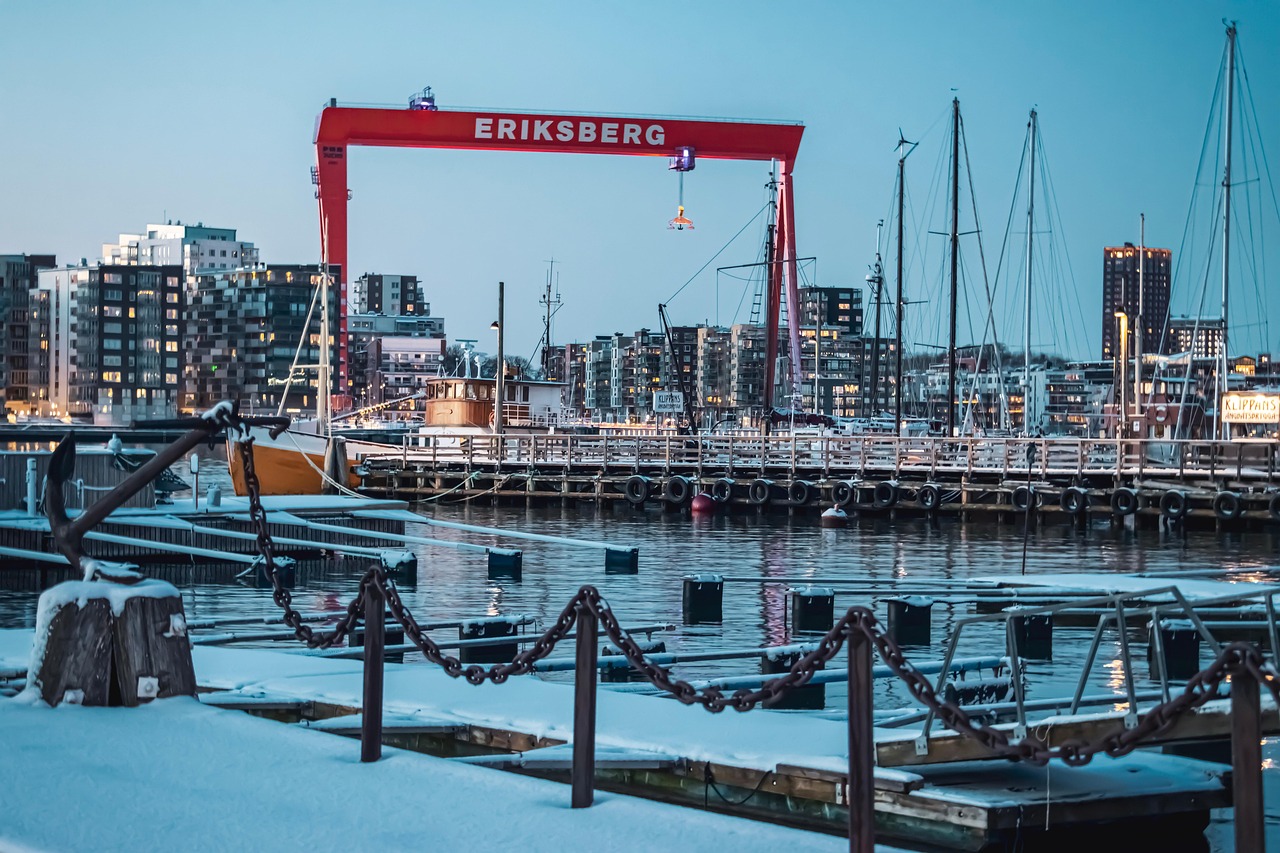
Why go: To experience Gothenburg’s shipbuilding past and sleek modern present side by side.
What to do: Walk the waterfront promenade, admire preserved cranes and dock structures, and have a meal or coffee by the water.
16. Hisingen & Keillers Park (Ramberget Viewpoint)
Why go: For one of the best free views of the city from Ramberget, a hill in Keillers Park on Hisingen island.
Experience: On a clear evening, you can see the entire city, the river, and even out toward the sea. Bring a takeaway coffee and stay for sunset if you can.
17. Gunnebo House & Gardens
Why go: An elegant 18th‑century manor with organic gardens and forest trails just outside Gothenburg.
My tip: Have lunch or fika at the café, which uses produce from the garden. Then walk the trails around the property.
18. Vasastan & University Area
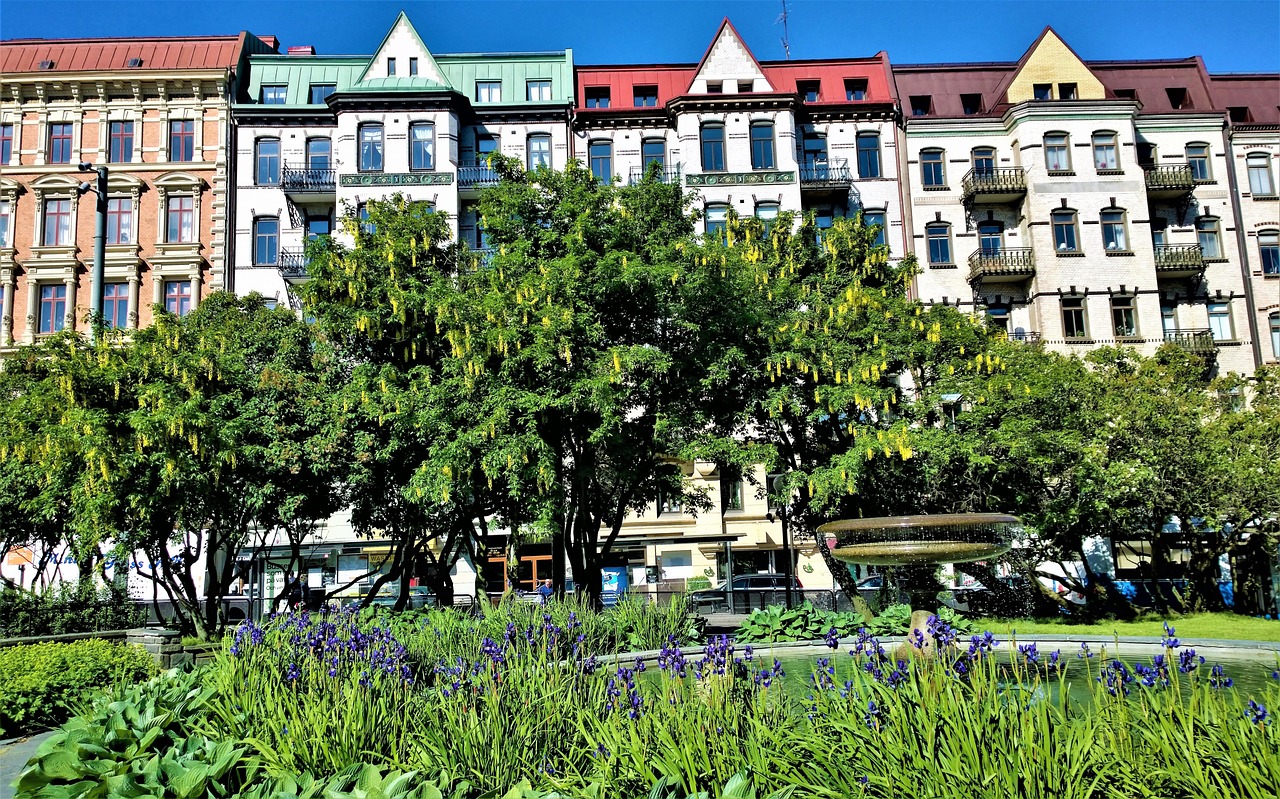
Why go: For beautiful stone architecture, leafy streets, and a slightly academic vibe.
What I enjoy: Wandering with no particular plan, popping into bookstores and cafés, and admiring the turn‑of‑the‑century buildings.
19. Linnéstaden & Långgatorna
Why go: To experience Gothenburg’s everyday life—this is where many locals actually hang out.
Highlights: Cozy restaurants, bars, vintage shops, and easy access to Slottsskogen. Great for nightlife that’s more local than touristy.
20. Northern Archipelago (Hönö, Öckerö, Fotö)
Why go: For a more lived‑in, fishing‑village feel compared to the car‑free southern islands.
What to do: Walk harborfronts, visit small cafés and fish smokehouses, and explore rocky coastlines. Great as a quieter alternative day trip.
Neighborhoods & Districts to Explore in Gothenburg
Centrum (City Center)
The core of your visit: canals, shopping streets, main squares, and key museums. Good base for first‑timers.
Haga
Historic, cozy, and pedestrian‑friendly. Best for fika, small boutiques, and that picture‑perfect “Swedish” feeling.
Linnéstaden & Majorna
Linné is young, stylish, and full of restaurants; Majorna is more bohemian, with older wooden buildings and a laid‑back vibe. Both are great for feeling like a local.
Vasastan
Elegant stone houses, leafy streets, and lots of cafés and boutiques. A lovely area to stay in if you prefer quieter evenings.
Hisingen (Eriksberg, Lindholmen, Ringön)
Former industrial areas turned modern neighborhoods and creative hubs across the river. Come for waterfront walks, harbor cranes, and emerging art scenes.
Local Food in Gothenburg: What to Eat & Where
Gothenburg’s food scene is one of the reasons I keep coming back. It’s famous for seafood but also excels at bakeries, vegetarian food, and relaxed spots with serious cooking.
Must‑Try Dishes & Flavors
- West Coast seafood – Shrimp, crayfish, oysters, mussels, and cod.
- Räkmacka – Open‑faced shrimp sandwich piled high on bread with egg and mayo.
- Kanelbulle & Kardemummabulle – Cinnamon and cardamom buns; essential for fika.
- Fish stew (fiskgryta) – Rich, creamy, with local fish and shellfish.
- Herring – Often pickled, served with potatoes, sour cream, and chives.
Recommended Places (2026)
Specific restaurant names change fast, but in 2026 these areas are reliably good bets:
- Magasinsgatan – Food trucks, trendy eateries, and coffee bars.
- Feskekôrka surroundings – For seafood restaurants once renovations settle.
- Haga – Cafés and traditional Swedish dishes in a cozy setting.
- Linnégatan & Långgatorna – Creative small plates, burgers, vegetarian, and international food.
How to Eat Well & Save Money
- Look for “dagens lunch” (today’s lunch) on weekdays—often 110–150 SEK including salad, bread, and coffee.
- Self‑cater breakfast from supermarkets like ICA, Coop, or Hemköp.
- Use markets and bakeries for picnic lunches in parks.
- Tap water is excellent and free—ask for “kranvatten.”
Nightlife, Entertainment & Cultural Experiences
Nightlife Areas
- Andra Långgatan – Dive bars, student‑friendly, lively on weekends.
- Avenyn – More mainstream bars and clubs.
- Linné & Vasastan – Wine bars, cocktail spots, and more relaxed venues.
Cultural Experiences
- Gothenburg Opera (Göteborgsoperan) – Dance, opera, and musicals on the waterfront.
- Gothenburg Concert Hall – Classical and contemporary music.
- Local cinemas & small theatres – Many films in original language with Swedish subtitles.
Major Events & Festivals in Gothenburg 2026–2027
Dates shift slightly each year; check closer to your trip, but these are the big ones shaping the 2026–2027 travel scene.
- Way Out West (August 2026) – Major music and culture festival in Slottsskogen with big international and Swedish acts, film screenings, and club nights.
- Gothenburg Culture Festival (August) – Free concerts, performances, food stalls, and art installations across the city.
- Gothenburg Film Festival (January–February) – The leading film festival in Scandinavia with screenings in multiple venues.
- Christmas in Liseberg (late November–December) – Huge Christmas market and light displays in the amusement park.
- Göteborgsvarvet Half Marathon (May) – One of the world’s largest half marathons; book early if you’re visiting that weekend.
Best Day Trips from Gothenburg
Marstrand
How to get there: Bus from Nils Ericson Terminal to Marstrand ferry terminal (~1 hour), then a 5‑minute ferry.
What to do: Visit Carlsten Fortress, walk around the island, swim in summer, and eat seafood in the harbor.
Gunnebo House & Gardens
How to get there: Tram or bus toward Mölndal, then a short walk or local bus to Gunnebo.
Alingsås – Fika Town
How to get there: Train from Gothenburg Central (~40 minutes).
Why go: A small town famous for its cafés; perfect for a relaxed coffee‑themed day trip.
Cultural Etiquette & Local Customs in Gothenburg
Social Norms
- Swedes value personal space and tend to avoid unnecessary small talk with strangers—but are helpful if asked.
- Punctuality matters: be on time for tours, reservations, and meeting friends.
- Queuing is sacred. Always stand in line and wait your turn.
Fika Culture
Fika is more than coffee; it’s a pause in the day, often with something sweet and usually shared. Don’t rush it—sit down, relax, and enjoy a slice of everyday Swedish life.
Dining Etiquette
- Tip 5–10% if service isn’t already included and you’re happy; not mandatory but appreciated.
- Alcohol is expensive and tightly regulated; you can only buy stronger drinks in state‑run Systembolaget shops.
Environmental Awareness
- Recycling is taken seriously—use the correct bins when possible.
- Tap water is safe and excellent; avoid buying bottled water.
Practical Travel Advice for Gothenburg (2026)
Getting Around Gothenburg
Gothenburg is compact, walkable, and extremely well served by trams, buses, and ferries.
- Public Transport: Run by Västtrafik. Use a contactless card, buy tickets in the Västtrafik To Go app, or get a travel card for 1–3 days.
- Trams: The backbone of the city—frequent and easy to use.
- Ferries: Included in standard tickets for city ferries; archipelago ferries are also part of the network but check zones.
- Bike: There are bike lanes and rental options; great in warmer months.
- Car Rental: Not necessary in the city; useful only for exploring the broader West Coast.
How to Save Money in Gothenburg
- Use lunch specials (dagens lunch).
- Stay slightly outside the absolute center (Linné, Majorna, Hisingen) for cheaper accommodation.
- Buy alcohol at Systembolaget rather than in bars if you’re on a tight budget.
- Use city parks and the archipelago for free or low‑cost activities.
- Consider a Gothenburg Pass if you plan to visit multiple paid attractions; calculate whether it actually saves you money.
SIM Cards & Connectivity
- Major operators: Telia, Tele2, Telenor, 3.
- Prepaid SIMs are easy to buy at 7‑Eleven, Pressbyrån, or supermarkets; you’ll need ID.
- EU/EEA travelers often roam at domestic rates—check with your provider.
- Wi‑Fi is widely available in cafés, hotels, and public spaces.
Visas & Driving
- Sweden is in the Schengen Area. Many nationalities can visit visa‑free for up to 90 days; always check the latest rules before travel.
- EU/EEA driver’s licenses are valid; many other licenses are accepted for short visits—check Sweden’s official guidance if you plan to drive.
- Driving in the city can be confusing due to tram tracks and one‑way systems; if you’re not used to it, stick to public transport.
Best Time to Visit Gothenburg
Each season has its own personality—and different “best” things to do in Gothenburg.
- Late Spring (May–June): Long days, flowers in bloom, pleasant temperatures. Great for 3–5 day itineraries with a mix of city and archipelago.
- Summer (July–August): Warmest weather, festivals, archipelago at its best. Also the busiest and priciest.
- Autumn (September–October): Fewer crowds, colorful parks, cozy café culture. Unpredictable weather but often lovely.
- Winter (November–February): Short days, potential snow or rain. Best for Christmas markets, Liseberg’s winter season, and a hygge‑style city break.
Summary: Key Takeaways for Your Gothenburg Trip
- 3 days in Gothenburg – Focus on the classic highlights: city center, Haga, Slottsskogen/Universeum, and one archipelago day.
- 4 days in Gothenburg – Add neighborhoods like Linné, Vasastan, and a cultural site like Röda Sten.
- 5 days in Gothenburg – Include a full day trip to Marstrand or the northern archipelago and more time for museums or design shopping.
- Don’t skip the archipelago, fika, and at least one seafood meal.
- Use public transport, walk a lot, and embrace the local rhythm: slow mornings, long coffee breaks, and evenings by the water.
- For most visitors, the sweet spot is late May to early September for outdoor activities, and late November–December for Christmas lights and cozy city vibes.
Gothenburg isn’t a city that shouts; it wins you over quietly—with kind people, good food, sea air, and small moments that stick in your memory long after you’ve left. Give it a few days, wander beyond the postcard sights, and it will feel less like a destination and more like a place you could come back to again and again. I certainly do.