Why Visit Stockholm? (And Why You’ll Probably Want to Come Back)
Stockholm is one of those cities that quietly steals your heart. Built across 14 islands where Lake Mälaren meets the Baltic Sea, it’s a place of clean lines, soft light, and water everywhere you look. It’s modern but deeply historic, minimalist but surprisingly cozy, and efficient without ever feeling cold.
I’ve been coming back to Stockholm regularly for over a decade. I’ve watched summers spill late into September, winters glitter under pale blue skies, and the city re-invent itself with new restaurants, galleries, and tech hubs. Every visit feels familiar but never repetitive: you can spend one day wandering cobbled medieval alleys in Gamla Stan and the next kayaking between islands or dancing in Södermalm until sunrise.
This 2026 travel guide for Stockholm is written as if I’m planning your trip with you, day by day. Whether you’ve got 3 days in Stockholm or you’re stretching to a 5 day itinerary for Stockholm, you’ll find a mix of must-see attractions in Stockholm, hidden gems in Stockholm, local food, and honest travel tips for Stockholm that I’ve picked up over many, many cinnamon buns.
Table of Contents
- Why Visit Stockholm?
- Stockholm at a Glance (2026 Snapshot)
- 20+ Must-See Attractions in Stockholm (With Personal Notes)
- Suggested Itineraries: 3–5 Days in Stockholm
- Neighbourhoods & Districts to Explore
- Local Food in Stockholm: What & Where to Eat
- Nightlife, Entertainment & Cultural Experiences
- Best Day Trips from Stockholm
- Cultural Etiquette & Local Customs in Stockholm
- Practical Travel Advice for Stockholm (Money, SIM, Transport, Visas)
- When to Visit Stockholm & 2026–2027 Events
- Summary & Final Recommendations
Stockholm at a Glance (2026 Snapshot)
Population-wise, Stockholm feels more like a big town than an overwhelming capital. The city center is compact, public transport is stellar, and English is widely spoken, so it’s easy to hit a lot of things to do in Stockholm even in a short visit.
- Country: Sweden
- Language: Swedish (but nearly everyone speaks English)
- Currency: Swedish Krona (SEK); cashless is the norm
- Time zone: CET (UTC+1), CEST (UTC+2 in summer)
- Best for: Design lovers, families, foodies, nature fans, history buffs, couples
20+ Must-See Attractions in Stockholm (With Personal Notes & Tips)
These are the places that form the backbone of most good Stockholm itineraries. I’ll weave them into the sample 3, 4, and 5 day itineraries later, but here’s a deep dive into each.
1. Gamla Stan (Old Town)
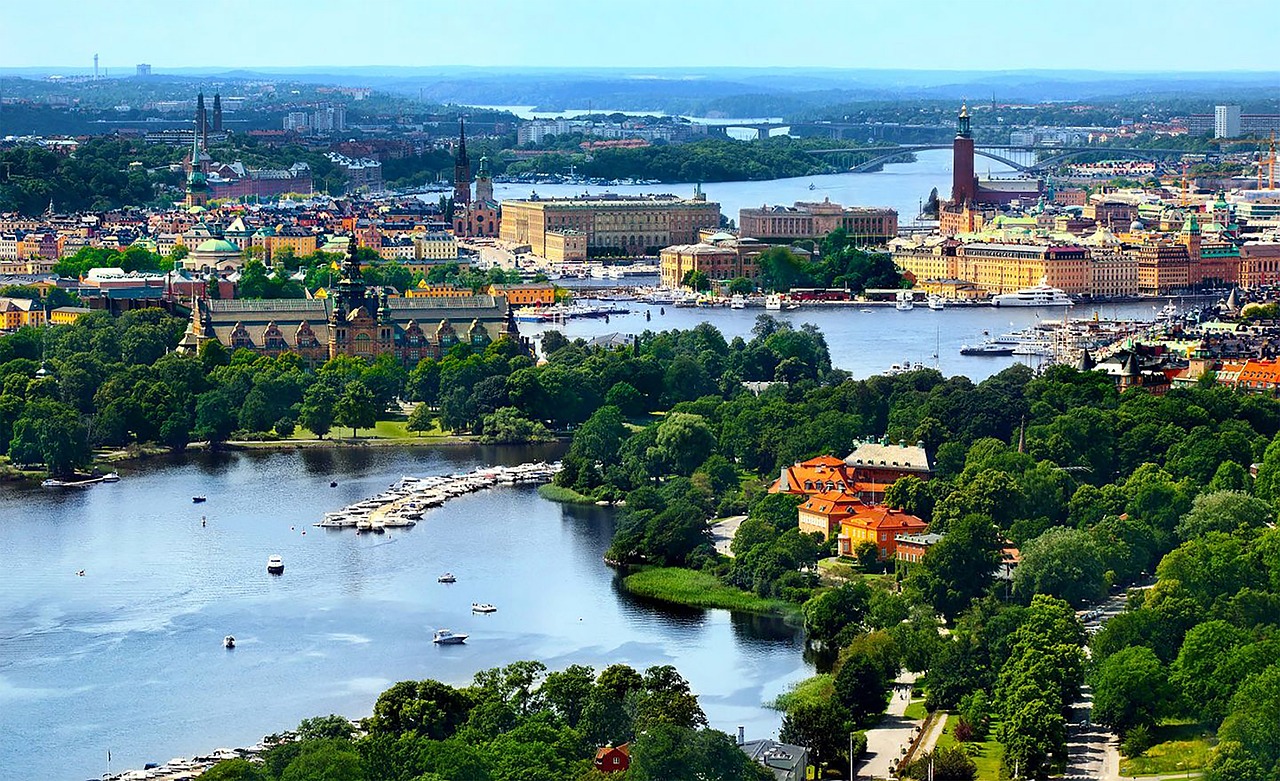
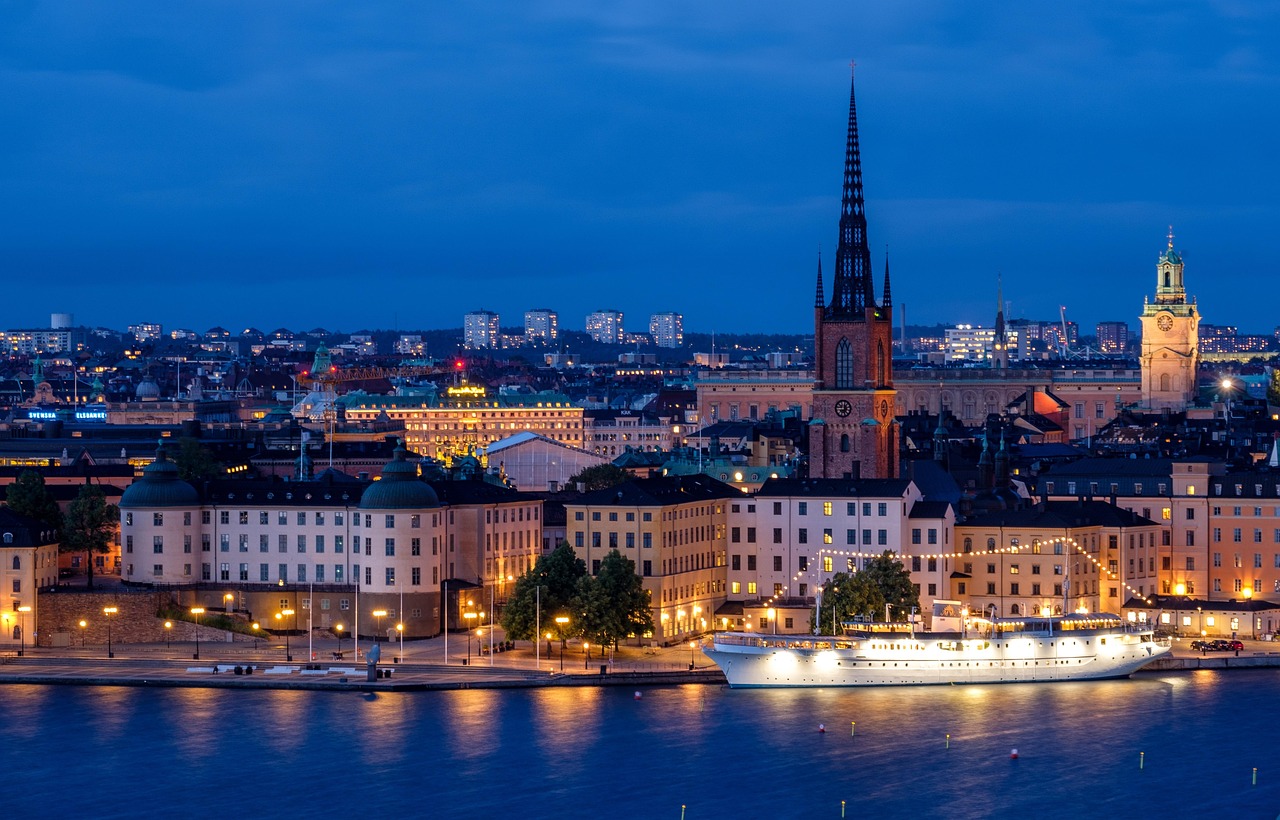
Gamla Stan is where Stockholm began in the 13th century, and it still feels like a self-contained little world: narrow cobblestone alleys, ochre-colored facades, tiny courtyards, and church spires slicing the sky.
On my first winter trip, I arrived just before sunset. The streets were slick with snow, and Christmas lights were already glowing above Västerlånggatan. I ducked into a café for a hot chocolate and watched as guided tours shuffled past, their breath visible in the cold air.
Why it’s special: It’s the fairy-tale side of Stockholm. You’ll find the Royal Palace, Stockholm Cathedral (Storkyrkan), and Stortorget square with its iconic colorful buildings.
What to do:
- Wander aimlessly through side alleys like Mårten Trotzigs gränd, the narrowest street in Stockholm.
- Pause at Stortorget for photos of the red and yellow facades.
- Visit Nobel Prize Museum if you’re into science, literature, and human achievement.
- Pop into tiny design stores and antique shops along Köpmangatan.
Eating & fika: Try a cinnamon bun at a small café instead of the main tourist spots. I like slipping into a quiet spot on a side street for fika — the Swedish ritual of coffee and something sweet.
How to get there: Gamla Stan has its own metro stop (red/green line). From Central Station it’s a 10–15 minute walk.
Tips: Come early (before 9:00) for quiet photos, or in the evening for a romantic stroll. Avoid the most touristy restaurants right on the main streets; stray a couple of blocks away for better quality and prices.
2. The Royal Palace (Kungliga Slottet)
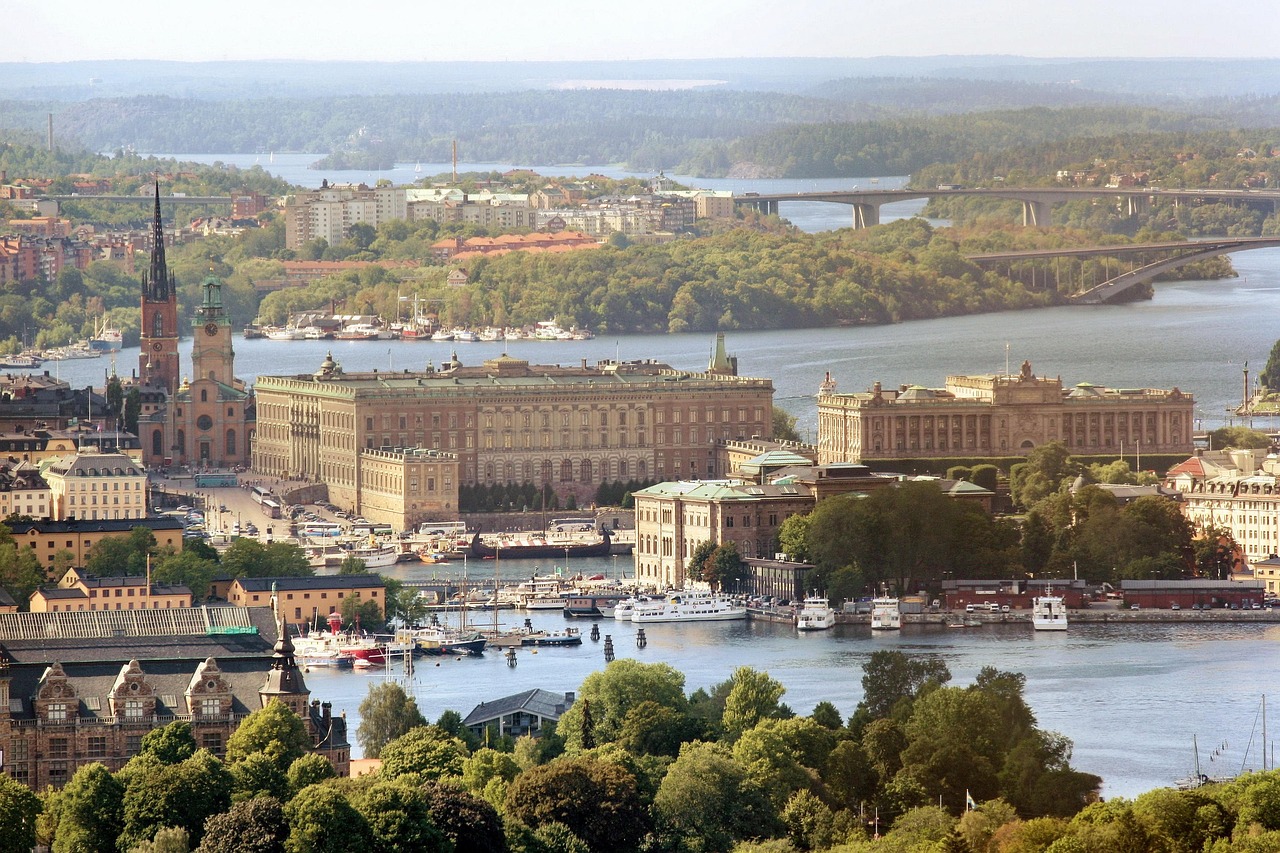
The Royal Palace looms over Gamla Stan with over 600 rooms and a stately view of the water. It’s still an official residence of the Swedish Royal Family, but much of it is open to the public.
One summer afternoon, I watched the Changing of the Guard ceremony here with a group of school kids, all waving tiny Swedish flags. It’s a bit theatrical, a bit traditional, and surprisingly charming.
Highlights inside:
- State Apartments with lavish interiors and chandeliers.
- Tre Kronor Museum about the original castle that burned down in 1697.
- Royal Armoury (Livrustkammaren) with royal carriages and armor.
Family-friendly? Yes. Kids tend to love the armor and the ceremony outside.
How to visit: Buy a combined ticket for multiple sections. Allow 2–3 hours if you want to see it properly.
Tip: Check times for the Changing of the Guard beforehand; in peak season it’s usually daily around midday, but schedules can shift.
3. Vasa Museum (Vasamuseet)

This is one of my non-negotiable must-see attractions in Stockholm. The Vasa is a 17th-century warship that sank on its maiden voyage in 1628 and was salvaged in almost perfect condition 333 years later.
The first time I stepped into the dark main hall, I literally stopped walking. The ship is enormous, towering above you with intricate carvings still visible. It feels like time travel.
Why go: Even if you’re not a “museum person,” the Vasa has a cinematic quality that grabs everyone. It’s fascinating, immersive, and surprisingly emotional.
What to do:
- Start with the short introductory film (subtitled in English).
- Walk each level to see the ship from different heights.
- Visit the exhibits about life onboard and the salvage operation.
Good for: Families, couples, solo travelers, history lovers.
How to get there: Located on Djurgården island. Take tram 7 from the city center, bus, or a ferry from Slussen.
Tip: Arrive at opening time or late afternoon to avoid the biggest crowds. It’s usually on every 3 day itinerary for Stockholm for a reason.
4. Skansen Open-Air Museum
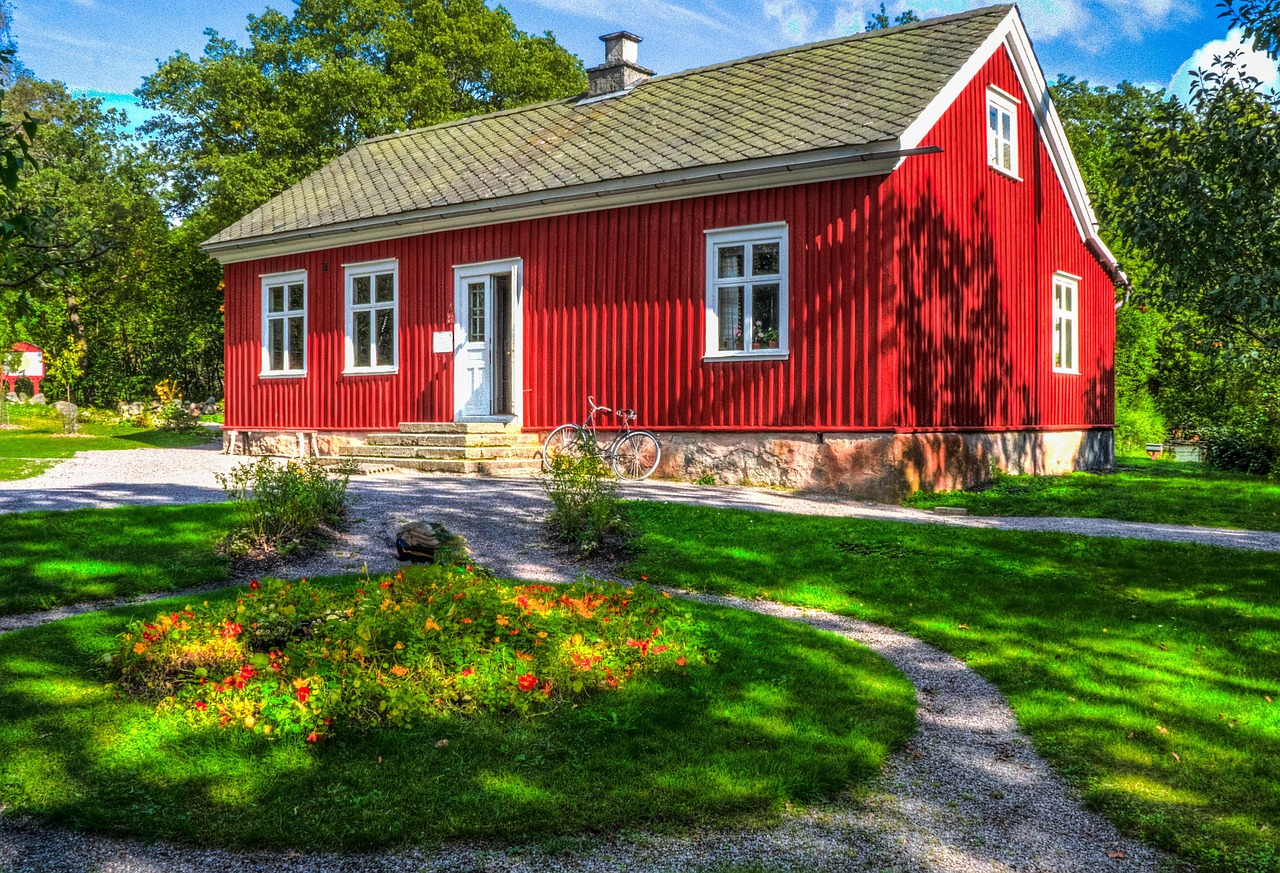
Skansen is part open-air museum, part zoo, part time capsule of Swedish life. It’s on Djurgården, just a short walk from the Vasa Museum, and it’s one of my favorite places to bring friends who are visiting Stockholm for the first time.
On my last summer visit, we spent hours wandering between traditional farmsteads, hearing stories from guides in period clothing, and watching kids marvel at bears and moose in the Nordic animal park.
Why it’s special: It gives you a feel for Swedish culture and history in a way that doesn’t feel like a textbook. In winter, the Christmas market is one of the coziest in the city.
What to do:
- Visit traditional houses and workshops from different Swedish regions.
- See Nordic animals like wolves, lynx, and reindeer.
- Plan your visit around special events like Midsummer or Walpurgis Night celebrations.
Family-friendly? Extremely. This is one of the best family activities in Stockholm.
Tip: Wear comfortable shoes; the grounds are hilly. In summer, bring sunscreen; in winter, bring extra layers and warm socks.
5. ABBA The Museum

Even if you’re only a casual ABBA fan, this interactive museum is pure joy. I went with a friend who swore she “didn’t really like ABBA,” and she left grinning.
What it’s like: You wander through exhibits with costumes, instruments, recreated studios, and interactive booths where you can sing, dance, and even appear as the “fifth member” on stage in augmented reality.
Why go: It’s fun, light-hearted, and refreshingly unpretentious. A nice contrast to more serious museums.
How to get there: Also on Djurgården, near the Vasa and Skansen. Easy to combine in one day.
Tip: Book tickets in advance in summer and weekends. It can sell out during peak times.
6. Fotografiska
Fotografiska is Stockholm’s contemporary photography center, set in an old industrial building on the waterfront in Södermalm.
I’ve seen some of my favorite photography exhibitions here; the curation is bold and often provocative. The top-floor restaurant and café have lovely views over the water towards Gamla Stan and Djurgården.
Why go: For art lovers, it’s a must. For everyone else, it’s a beautiful place to spend a few reflective hours with a coffee or a glass of wine.
Tip: Come in late afternoon to enjoy the exhibits, then have dinner or a drink at sunset with the skyline views.
7. Stockholm City Hall (Stadshuset)
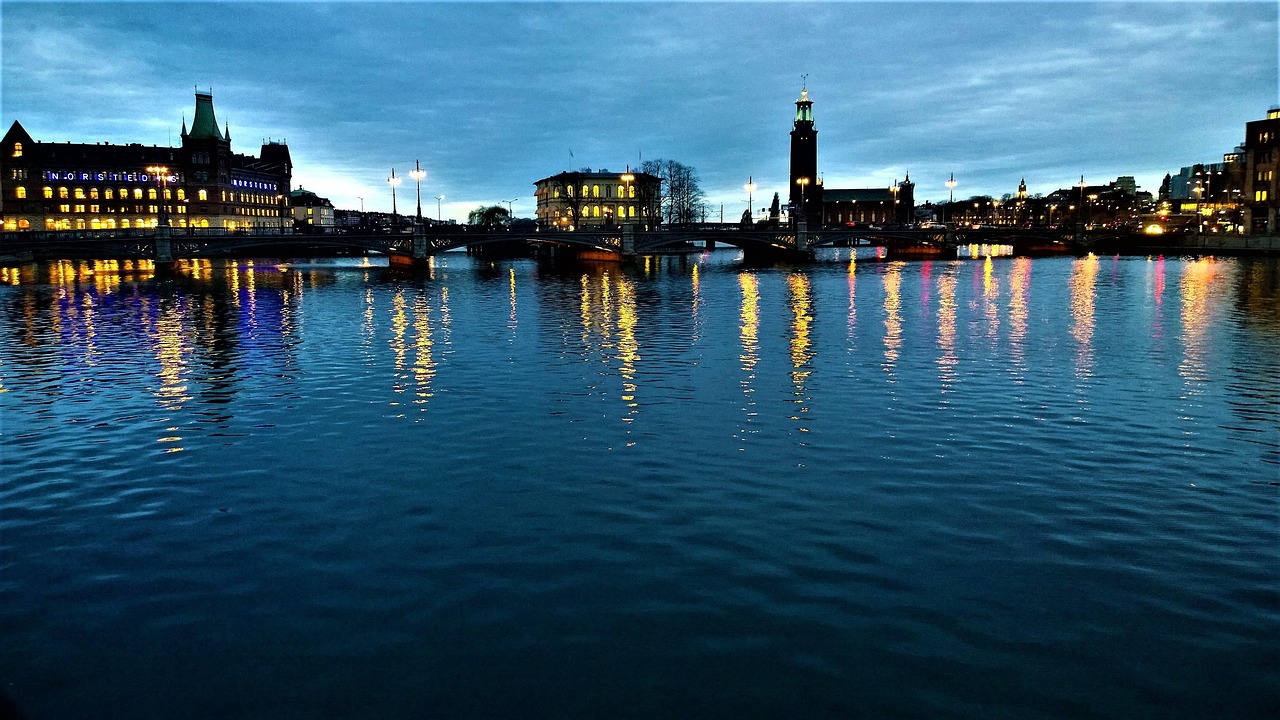
Stockholm’s City Hall is one of the city’s architectural icons, with its brick facade and tall tower topped by three golden crowns. It’s also where the Nobel Prize banquet takes place each year.
One clear autumn morning, I climbed the tower just as the city was waking up. From the top, you get a sweeping view of the skyline, Gamla Stan, and the islands stretching out into the distance.
Highlights:
- The Blue Hall (which is actually red) where the Nobel banquet is held.
- The shimmering Golden Hall covered in mosaic tiles.
- The tower climb for panoramic views (seasonal and timed).
Tip: Guided tours are required to see the interiors; check times in advance. For photos of the exterior, walk across the nearby bridges and along the waterfront.
8. Drottningholm Palace
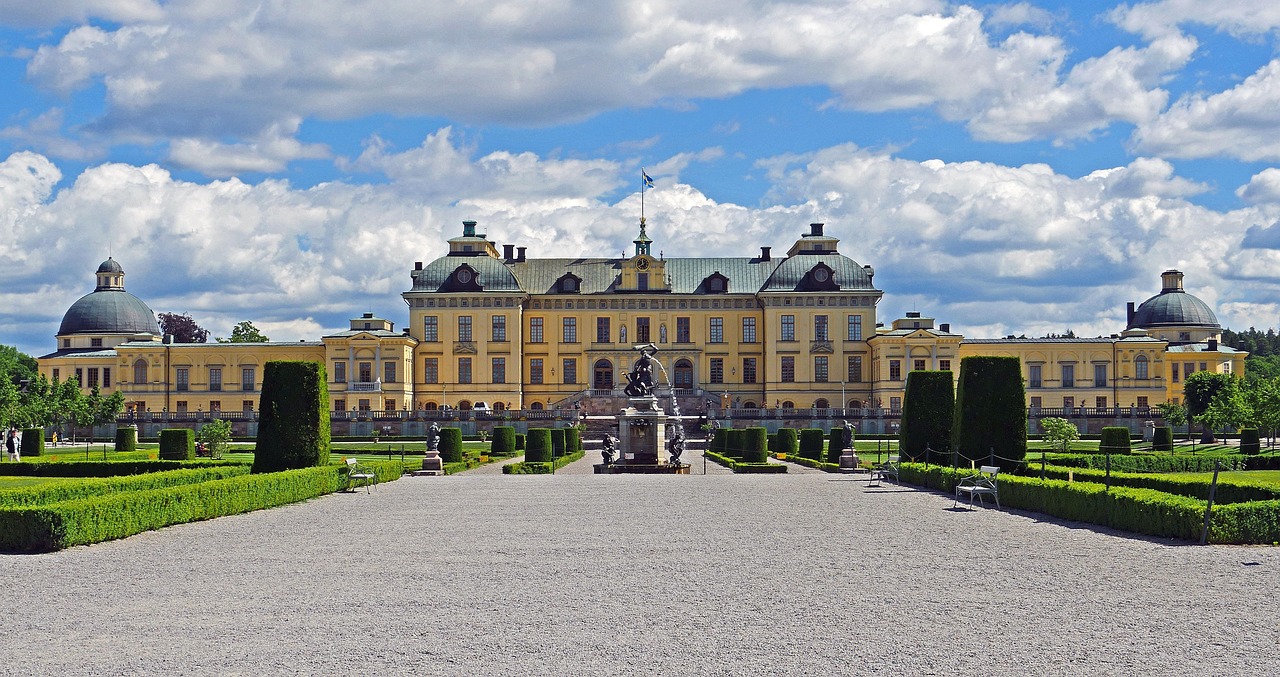
A UNESCO World Heritage site and the private residence of the Swedish Royal Family, Drottningholm is often called Sweden’s Versailles — but with a calmer, more understated vibe.
On a sunny spring day, I took the vintage steamship from central Stockholm to Drottningholm. The journey itself felt like a gentle time warp, and the palace gardens were full of families picnicking and kids rolling down grassy slopes.
Why go: Gorgeous interiors, a historic theatre, and expansive baroque gardens right on the water. It’s a half-day trip that feels very different from the city center.
How to get there:
- Boat from central Stockholm (Nybrokajen or Stadshusbron) in summer.
- Metro + bus combo the rest of the year (around 45 minutes total).
Tip: Combine a palace tour with a long walk in the gardens. Bring snacks or pick up something from the café if the weather is good.
9. Moderna Museet (Modern Art Museum)
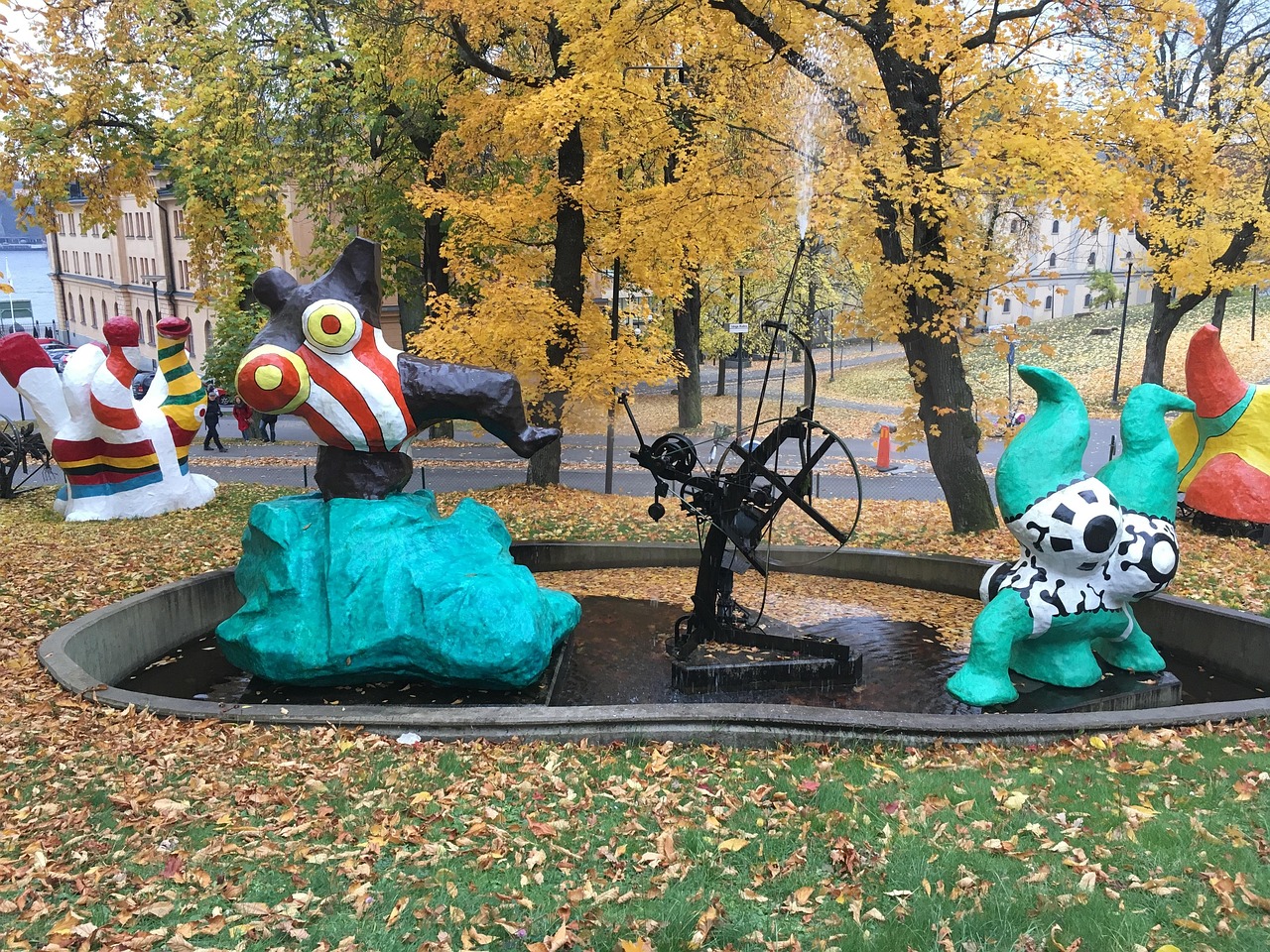
On Skeppsholmen island, Moderna Museet is Stockholm’s hub for modern and contemporary art, with works by Picasso, Dalí, and many Scandinavian artists.
I love how peaceful Skeppsholmen feels despite being so central. On one trip, after an intense exhibition, I sat outside with a coffee watching boats pass under the bridge to Kastellholmen.
Why go: If you’re into art and design, this is essential. The museum shop is also a great place for smart, design-forward souvenirs.
Tip: Check for free entry days or evenings — Stockholm has an expensive reputation, but there are ways to save.
10. Nationalmuseum (National Museum of Fine Arts)
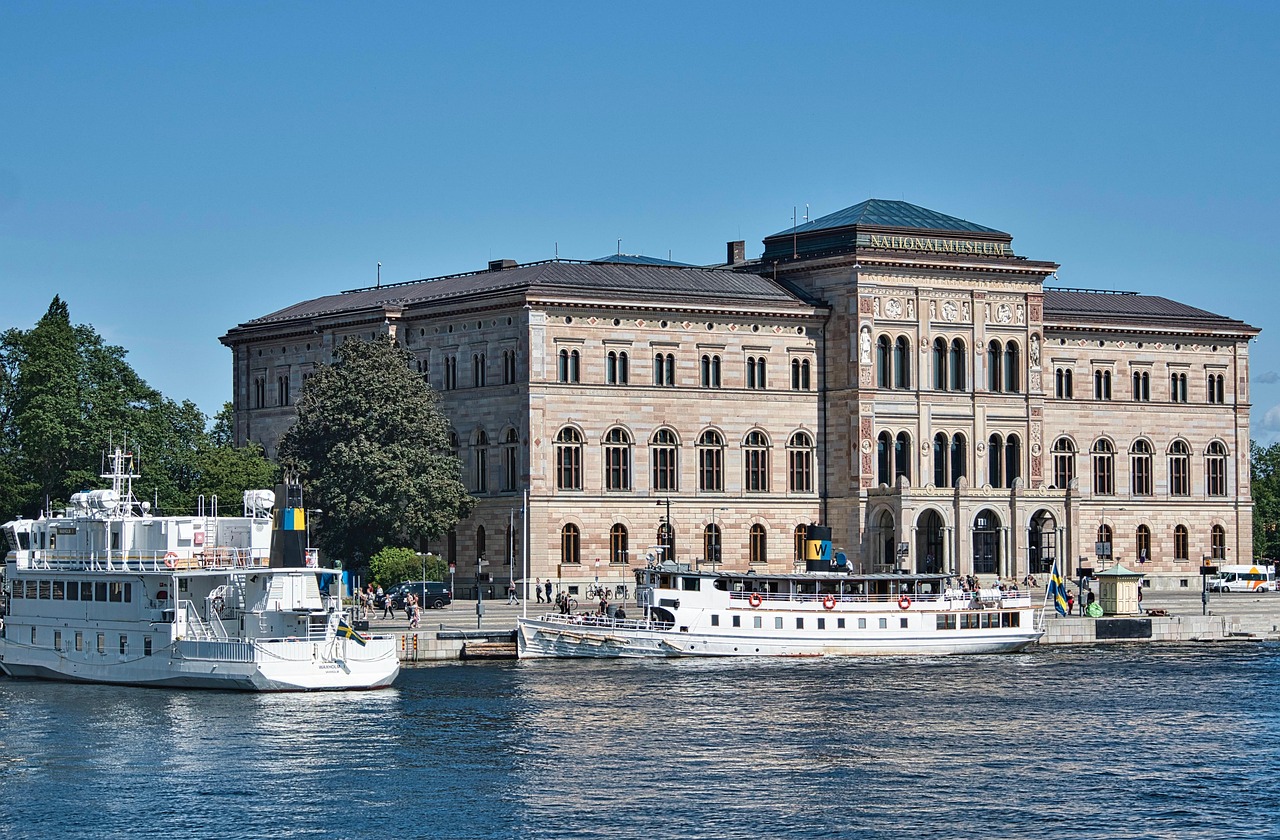
Recently renovated, Nationalmuseum sits elegantly on the waterfront facing the Royal Palace. Inside, you’ll find Swedish and European art, design, and decorative objects from the 16th century to today.
On a rainy day, I wandered its light-filled staircases, lingering in the Scandinavian design sections and watching the rain streak down the huge windows.
Why go: For a broad sweep of Swedish art and design in a beautifully restored building. The café is also excellent.
11. Stockholm Archipelago (Skärgården)
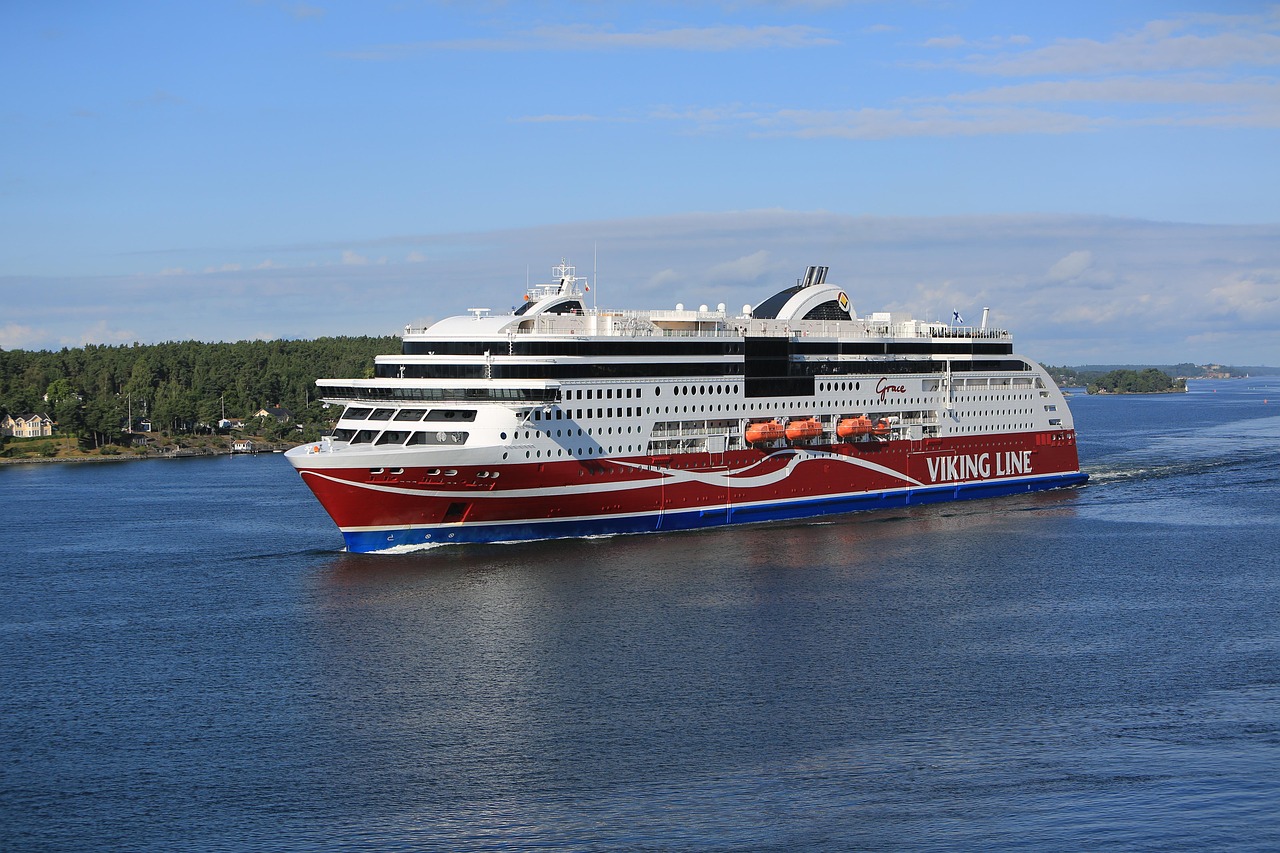
Just beyond the city lies one of Stockholm’s greatest treasures: a network of some 30,000 islands, skerries, and islets scattered into the Baltic Sea.
One of my fondest memories is a summer’s day trip to Vaxholm. We took an early boat, swam off smooth rocks, ate smoked shrimp by the harbor, and took the last ferry back under a pastel sunset. Another time, in late September, I went to Sandhamn and watched the sea turn steel-grey as autumn approached.
Why go: To understand Stockholm, you have to see how closely it’s tied to the water and the archipelago. It’s nature, village life, and sea air within easy reach.
How to visit:
- Short day trips to islands like Vaxholm, Fjäderholmarna, or Grinda.
- Overnight stays in simple guesthouses or cabins on outer islands.
- Kayaking tours if you want something more adventurous.
Tip: In peak summer, book boats and accommodation ahead. Off-season, check reduced schedules carefully.
12. Södermalm Viewpoints & Hipster Corners
Södermalm (Söder to locals) is Stockholm’s laid-back, creative district, full of vintage shops, indie boutiques, and some of the best viewpoints in the city.
On one golden-hour evening, I walked along Monteliusvägen, a narrow clifftop path with wooden houses on one side and sweeping views over Lake Mälaren and Gamla Stan on the other. Couples were sitting on benches, sharing take-away coffee, watching boats drift by.
Why go: It’s where you feel modern Stockholm: young, creative, and a bit bohemian.
Highlights:
- Monteliusvägen and Skinnarviksberget for sunset views.
- Streets like Nytorget and SoFo area for cafés and boutiques.
- Second-hand and vintage stores along Hornsgatan and its side streets.
Tip: Come for late afternoon shopping and stay for dinner and drinks — Söder has some of the best nightlife in Stockholm.
13. Östermalm & Östermalms Saluhall (Food Hall)
Östermalm is Stockholm’s elegant, upscale district, with grand stone buildings, wide boulevards, and a polished vibe. At its heart lies Östermalms Saluhall, a beautiful indoor food market.
The first time I walked in after its renovation, I was struck by the light and the smell of smoked fish and fresh bread. I tried gravlax on crispbread at one stall and later sat at a counter with a plate of meatballs and lingonberries, feeling very content.
Why go: For food lovers, this is a must. It’s also great people-watching — a mix of locals, office workers, and travelers.
Tip: Come hungry, and don’t be shy about asking stallholders for recommendations. Prices are higher than average but the quality is top-notch.
14. Kungsträdgården Park
Kungsträdgården (“The King’s Garden”) is a central park that changes personality with the seasons. In April, cherry blossoms turn it into a pink tunnel; in summer, it’s full of outdoor cafés and events; in winter, there’s often an ice rink.
One April afternoon, I joined what felt like half the city under the cherry trees, everyone angling their phones just so to capture fluttering petals against blue sky.
Why go: It’s a lively, easy-to-reach green space and often a hub for festivals and public events.
15. Stockholm Metro Art (Tunnelbana)
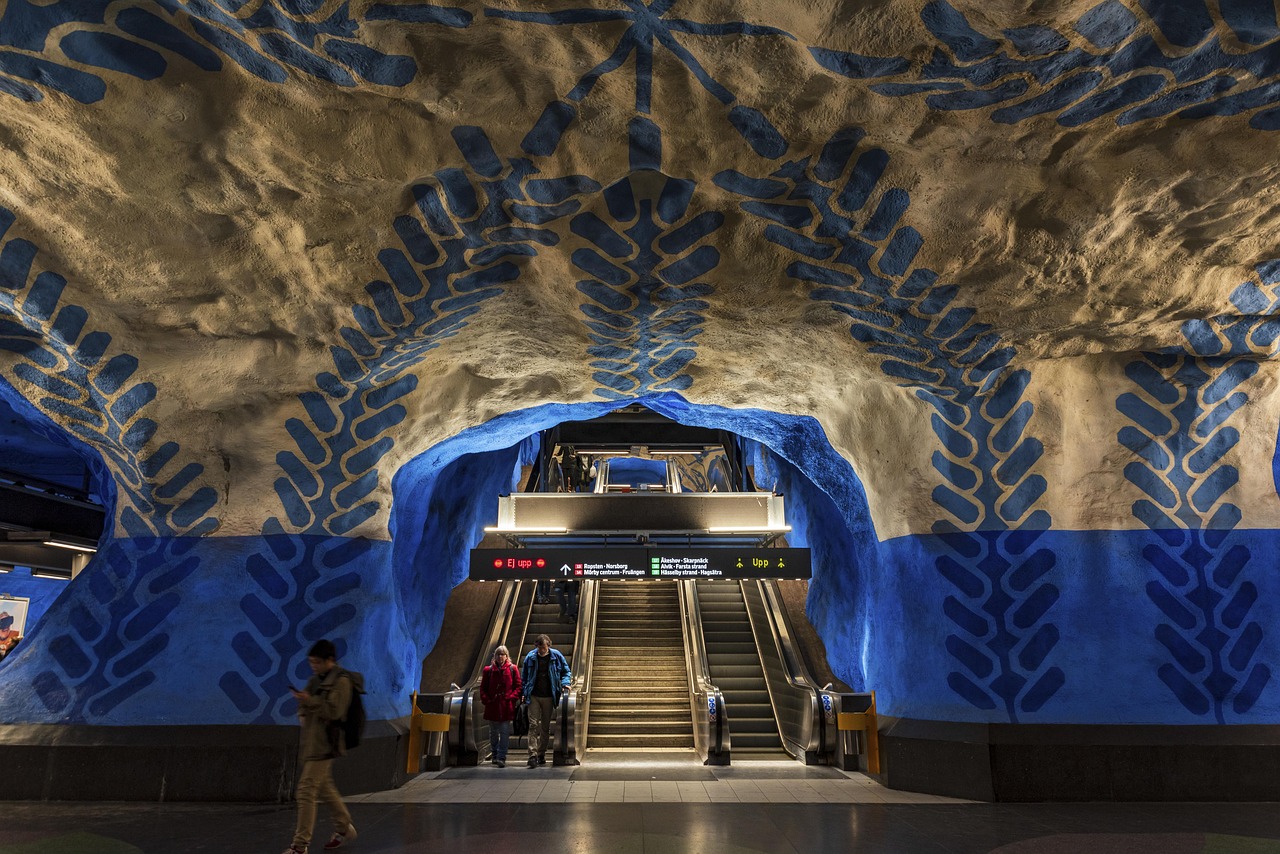
Stockholm’s metro system doubles as the world’s longest art gallery. Many stations have murals, sculptures, and installations, turning commutes into mini gallery visits.
One rainy afternoon, I did a DIY “art tour,” hopping between stations like T-Centralen (blue floral patterns), Solna Centrum (dramatic red and green cave), and Kungsträdgården (ruins and surreal landscapes).
Why go: It’s included in the cost of your metro ticket and makes even bad-weather days fun.
Tip: Buy a 24 or 72-hour transport pass and spend an hour or two station-hopping outside rush hour.
16. Stockholm Public Library (Stockholms Stadsbibliotek)
Designed by Gunnar Asplund, this circular library is a modernist gem and a quiet escape from the city buzz.
I like to come here on cold days, walk into the main rotunda, and feel dwarfed by the walls of books rising around me. It’s free, peaceful, and deeply satisfying if you’re a book lover.
Why go: For architecture, a quiet break, or a free indoor activity.
17. Stockholm Waterfront & Architecture Walk
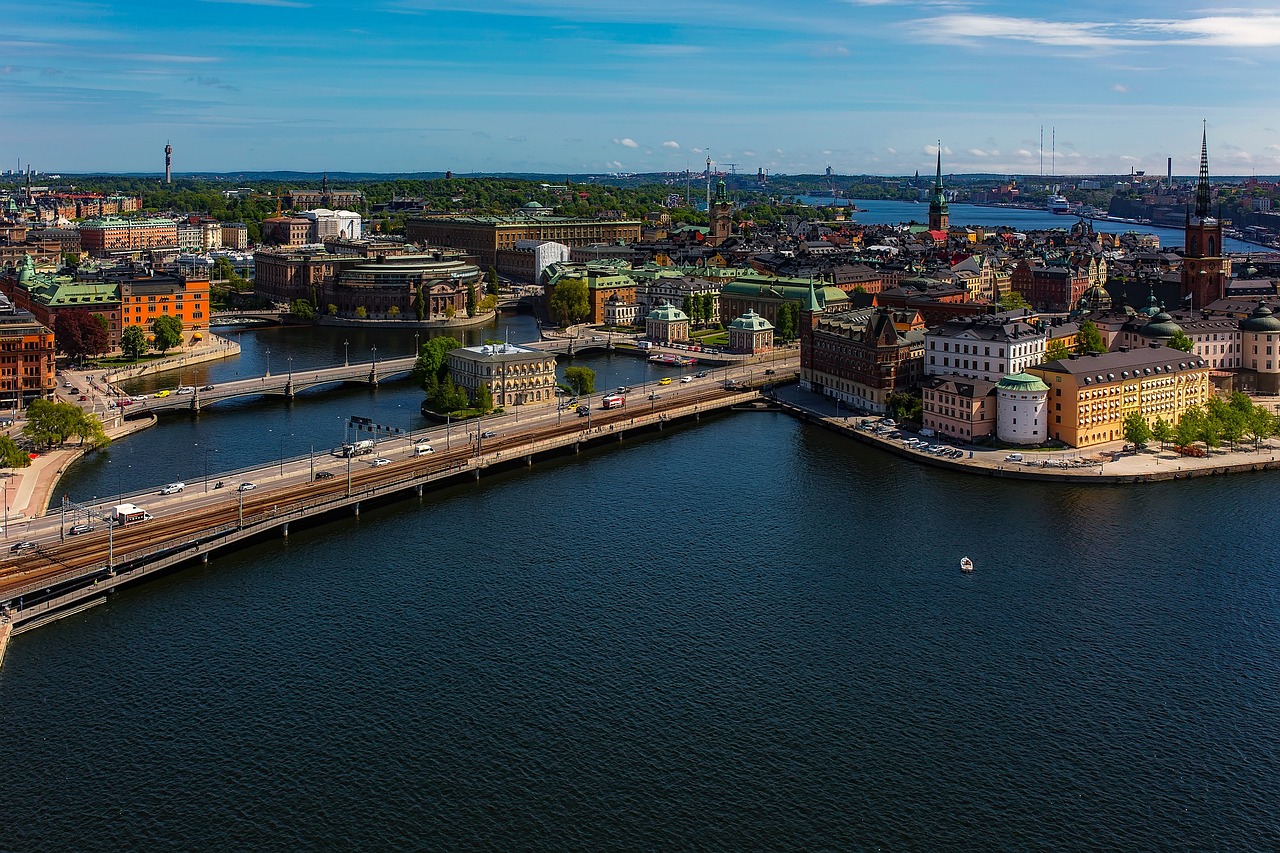
One of Stockholm’s simple pleasures is walking along the waterfront and admiring the city’s blend of historic and contemporary architecture.
On a long summer evening, I often walk from City Hall along Norr Mälarstrand or across to Skeppsbron, watching ferries glide past and the city lights reflect in the water.
Why go: It’s free, beautiful, and gives you that “yes, I’m really in Stockholm” feeling.
18. Gröna Lund Amusement Park
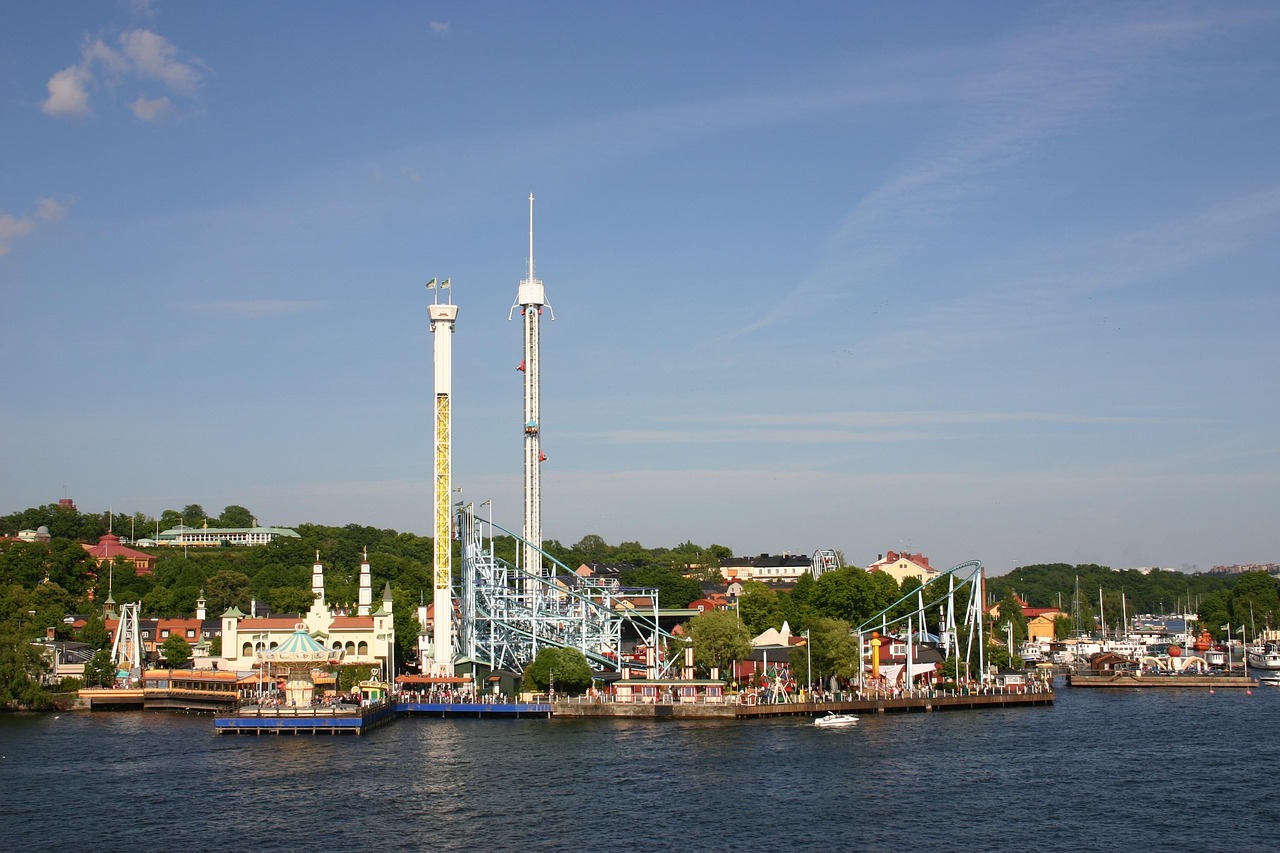
On Djurgården’s waterfront, Gröna Lund is a compact, old-school amusement park packed with roller coasters, rides, and summer concerts.
One July evening, I went for a concert; the sun didn’t really set until late, and the whole place had a festive, slightly nostalgic vibe. Kids shrieked on rides while adults nursed beers by the water.
Why go: Perfect for families, teens, and anyone who loves a bit of adrenaline. In summer, the live music lineup is strong.
Tip: Check the schedule; entry prices vary depending on whether a major concert is included.
19. Royal Djurgården Park
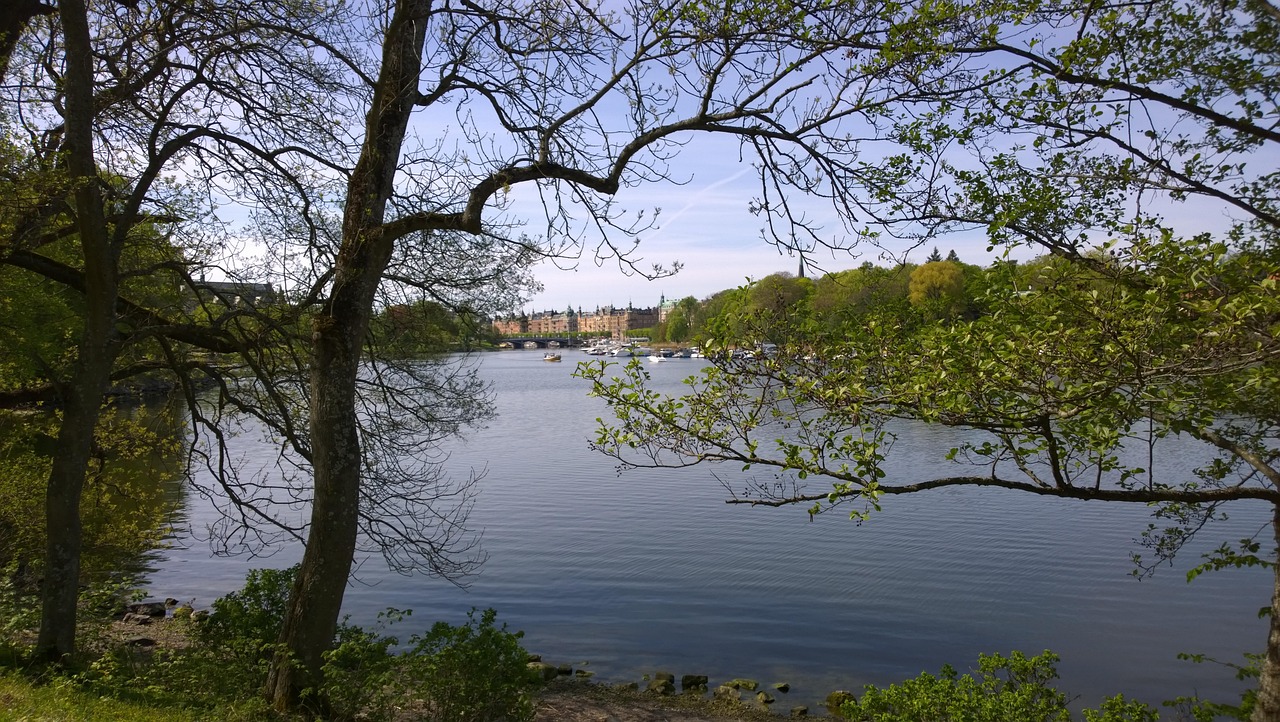
Beyond the big-name attractions, most of Djurgården is actually a huge green island with walking paths, meadows, and quiet waterfront spots.
One early Sunday, I rented a bike and rode the outer loop of the island, passing joggers, dog-walkers, and families setting up picnics near the water.
Why go: For nature, tranquility, and a break from museums. It’s an easy way to “get into nature” without leaving the city.
20. Norrmalm & Sergels Torg
Norrmalm is Stockholm’s commercial heart: big-name shops, department stores, and the slightly brutalist modernist square of Sergels Torg.
While it’s not the city’s prettiest area, it’s practical for transport and shopping. And if you look up, you’ll catch some interesting contrasts between glassy new buildings and older facades.
Why go: You’ll likely pass through anyway; it’s where Central Station, many hotels, and major stores sit.
21. Hagaparken & Royal Haga (Bonus Nature Escape)
Just north of the center, Hagaparken is another expansive green area with lakes, forests, and the copper-roofed Haga Palace (residence of Crown Princess Victoria).
I like coming here in autumn when the leaves turn bright gold and red. The walking paths are wide, and the lake is ringed with trees that look painted in oil.
Why go: For a less touristy park day, especially if you’re staying longer than 3 days in Stockholm.
Itineraries: 3–5 Days in Stockholm
Here’s how I’d structure 3 days in Stockholm, and how to stretch that into 4 days in Stockholm or even a full 5 day itinerary for Stockholm. I’ll keep the tone personal, like I’m walking you through each day.
3 Day Itinerary for Stockholm: Classic Highlights
Day 1: Gamla Stan, Royal Palace & Waterfront Walks
I like to start Stockholm trips in Gamla Stan. It’s the most storybook part of the city and instantly orients you.
Morning: Arrive in Gamla Stan around 9:00. Walk through the quieter backstreets first, then loop towards Stortorget as things wake up. Pop into Stockholm Cathedral if the doors are open. Grab fika at a small café (look for spots with more Swedes than souvenir bags).
Late morning to early afternoon: Head to the Royal Palace. Join a guided tour if you can; it brings the rooms to life. Afterward, step outside to watch the Changing of the Guard if the timing aligns.
Lunch: Avoid the most obvious tourist traps. Cross over to Skeppsbron waterfront or head into nearby Norrmalm for more options and more local pricing.
Afternoon: Walk over to City Hall (Stadshuset). Book a tower tour if available, or simply wander the courtyard and waterfront. From here, look back towards Gamla Stan for your first “postcard” skyline.
Evening: For your first night, I like steering people to Södermalm. Walk or take the metro to Slussen, then climb up to Monteliusvägen for sunset. Have dinner around Mariatorget or Nytorget — plenty of relaxed, stylish places with good Swedish and international food.
Day 2: Djurgården Museums & Royal Park
Day 2 is your Djurgården day: big, famous museums, then nature.
Morning: Take tram 7 or the ferry from Slussen to Djurgården. Start at the Vasa Museum. Give yourself at least 2 hours; more if you like reading every panel.
Late morning: Walk over to Skansen. You could spend an entire day here, but even 2–3 hours gives you a good taste of Swedish rural history and the animal park.
Lunch: Skansen has cafés, or you can leave and eat nearby on Djurgården. For something simple, I like grabbing a light lunch and coffee near the waterfront.
Afternoon: Choose between:
- ABBA The Museum for fun, music, and nostalgia; or
- Gröna Lund if you’re with kids or craving roller coasters.
If you’re more into quiet walks, skip the third big attraction and wander the Royal Djurgården Park instead, looping around the island’s outer paths.
Evening: Head back towards the city by ferry as the light gets golden. Dine in Östermalm or around Nybrokajen for a slightly more upscale night.
Day 3: Södermalm, Fotografiska & Metro Art
On day 3, explore Stockholm’s creative side.
Morning: Start in Södermalm. Wander around SoFo (South of Folkungagatan) for indie boutiques, vinyl shops, and design stores. Stop for fika at a café around Nytorget.
Lunch: Grab lunch in Söder — something simple like a soup, salad, or a classic Swedish dish in a neighborhood bistro.
Afternoon: Walk down towards the water and visit Fotografiska. Plan 2–3 hours to enjoy the exhibits and maybe a coffee with a view upstairs.
Late afternoon: Do a short DIY tour of the Stockholm metro art. Take the metro from Slussen or Medborgarplatsen and hop off at a few standout stations (T-Centralen, Solna Centrum, Kungsträdgården).
Evening: For your last evening, choose your mood:
- Romantic: Sunset walk along the waterfront, dinner in Gamla Stan or a candlelit bistro in Södermalm.
- Nightlife: Bars in Södermalm or Stureplan (Östermalm) depending on whether you prefer laid-back or high-energy club vibes.
- Family-friendly: Early dinner and a twilight stroll along Norr Mälarstrand or Kungsträdgården.
4 Day Itinerary for Stockholm: Add Art & a Palace
With 4 days in Stockholm, you can keep the 3-day structure above and add:
Day 4: Art, Design & Drottningholm
Morning: Take a boat or bus to Drottningholm Palace. Tour the palace and stroll the gardens. If you’re lucky with weather, this is a gorgeous half-day.
Lunch: Snack or light lunch at Drottningholm or back in the city.
Afternoon: Head to Moderna Museet on Skeppsholmen, then walk around the island for views of Djurgården and the city.
Evening: Dinner in Östermalm or Norrmalm, maybe ending with a stroll through Kungsträdgården if the weather is nice.
5 Day Itinerary for Stockholm: Add the Archipelago & Hidden Corners
With 5 days in Stockholm, you can slow down and add nature and neighborhood wandering.
Day 5: Stockholm Archipelago Escape
Morning: Catch an early boat to Vaxholm or Fjäderholmarna. Vaxholm is a bit farther and feels like a small town; Fjäderholmarna is closer and perfect for a shorter, easy trip.
Daytime: Walk around the island, swim in summer, sit on smooth rocks by the water, and enjoy a slow lunch of seafood or a simple sandwich with a view.
Late afternoon: Boat back to Stockholm. On the return, sit on the outside deck if weather allows; watching the city reappear on the horizon is always a magic moment.
Evening: For your last night, pick your favorite neighborhood from earlier in the week and revisit. I often end trips with a relaxed dinner in Södermalm, a final stroll along the water, and one last fika or drink.
Neighbourhoods & Areas to Explore in Stockholm
Gamla Stan: Medieval Heart
Touristy but essential. Best visited early morning or evening. Good for history, architecture, and “I’m really in Europe” feels.
Södermalm: Creative & Casual
Think independent boutiques, record stores, third-wave coffee, and some of the best viewpoints in the city. Great for younger travelers, couples, and anyone who likes a slightly alternative edge.
Östermalm: Elegant & Upscale
Wide boulevards, embassies, and high-end shops. Östermalms Saluhall is the star for food. Nightlife around Stureplan is sleek and dressy.
Norrmalm: Practical Center
Not the prettiest, but very convenient. Central Station, many hotels, and lots of shops. Use it as a hub, not necessarily as a destination in itself.
Djurgården: Museums & Greenery
Perfect for families and anyone craving a mix of culture and nature. Plan at least one full day here if you’re in Stockholm for 3 days or more.
Local Food in Stockholm: What & Where to Eat
Swedish food is comforting, seasonal, and often beautifully simple. Stockholm adds a layer of modern, global flair on top. Here’s what I recommend you try at least once:
- Köttbullar (meatballs) with potatoes, lingonberries, and pickled cucumber.
- Gravlax (cured salmon) on crispbread.
- Räkmacka (shrimp sandwich) piled high on bread.
- Herring in various marinades.
- Kanelbulle (cinnamon bun) or kardemummabulle (cardamom bun) for fika.
Where to sample:
- Östermalms Saluhall for a curated, high-quality intro to Swedish classics.
- Smaller cafés in Södermalm and Gamla Stan for cozy fika.
- Casual lunch spots around Norrmalm for daily specials (dagens lunch) at better prices.
Money-saving tip: Look for “dagens rätt” (today’s dish) or lunch menus on weekdays. They’re usually much cheaper than dinner and often include salad, bread, and coffee.
Nightlife, Entertainment & Cultural Experiences in Stockholm
Stockholm’s nightlife ranges from low-key wine bars to late-night clubs. Things start late, especially on weekends.
- Södermalm: Casual bars, craft beer, live music, relaxed crowds.
- Stureplan (Östermalm): High-energy clubs, dressier, pricier drinks.
- Summer: Outdoor bars by the water, rooftop terraces, and Gröna Lund concerts.
Cultural experiences:
- Concerts at Gröna Lund or major arenas.
- Performances at the Royal Swedish Opera or Dramaten (Royal Dramatic Theatre).
- Smaller live music venues and jazz clubs in Södermalm.
Day Trips & Nearby Attractions from Stockholm
If you’re staying 4–5 days or more, a day trip can add a whole new dimension to your visit.
- Drottningholm Palace: As above, easy half-day trip and great introduction to royal history.
- Archipelago islands: Vaxholm, Fjäderholmarna, Grinda, Sandhamn — choose based on how far you want to go and the season.
- Uppsala: University city with a beautiful cathedral and relaxed atmosphere, about 40 minutes by train.
Practical tip: Use SJ trains for Uppsala; for islands, check Waxholmsbolaget and other boat operators. Always check seasonal timetables.
Cultural Etiquette & Local Customs in Stockholm
Swedes value personal space, punctuality, and fairness. Stockholmers can seem reserved at first, but they’re generally kind and helpful once you interact.
- Queueing: Lines are taken seriously. Don’t cut or crowd.
- Noise: Keep voices moderate on public transport and in residential areas, especially at night.
- Shoes off: In private homes, you usually remove your shoes at the door.
- Fika: Coffee breaks are almost sacred. Taking time to sit and chat over coffee and a bun is a cultural cornerstone.
- Cashless society: Cards and digital payments dominate. Some places don’t take cash at all.
Tipping is appreciated but modest: rounding up or 5–10% in restaurants if service was good is enough.
Practical Travel Advice for Stockholm (2026)
How to Get Around
Stockholm’s public transport (SL) is excellent: metro, buses, trams, and ferries on one system.
- Tickets: Use the SL app or buy a travel card. 24, 72-hour, and 7-day passes are often best for visitors.
- Getting from the airport: Arlanda Express (fast, expensive), commuter trains (slower, cheaper), or airport buses.
- Walking: The central islands are very walkable; you’ll probably walk more than you expect.
- Bike & e-scooter: Common in warmer months; follow bike lanes and traffic rules.
- Car rental: Not necessary for the city itself; parking is expensive and traffic rules are strict.
Saving Money in Stockholm
Stockholm is not cheap, but you can soften the blow:
- Prioritize a few paid attractions; mix in free parks, viewpoints, and neighborhoods.
- Eat your main meal at lunch (dagens lunch deals) rather than dinner.
- Use transport passes instead of single tickets if you’re moving around a lot.
- Tap water is drinkable everywhere; refill a bottle instead of buying.
SIM Cards & Connectivity
In 2026, eSIMs and prepaid SIMs are easy to get:
- Buy local SIMs from providers like Telia, Tele2, or Telenor at convenience stores or electronics shops.
- Many travelers opt for eSIMs before arrival; coverage is generally excellent.
- Wi-Fi is common in hotels, cafés, and even some public areas.
Visas & Entry Requirements
Sweden is part of the Schengen Area. Depending on your nationality, you may get visa-free entry for short stays or need a Schengen visa. Always check the latest rules with official government sources before traveling.
Driving & Foreign Licenses
Most visitors don’t need a car in Stockholm. If you do plan to drive:
- Foreign licenses are usually accepted for short stays; an International Driving Permit may be recommended depending on where you’re from.
- Sweden drives on the right, and roads are well-maintained.
When to Visit Stockholm & 2026–2027 Events
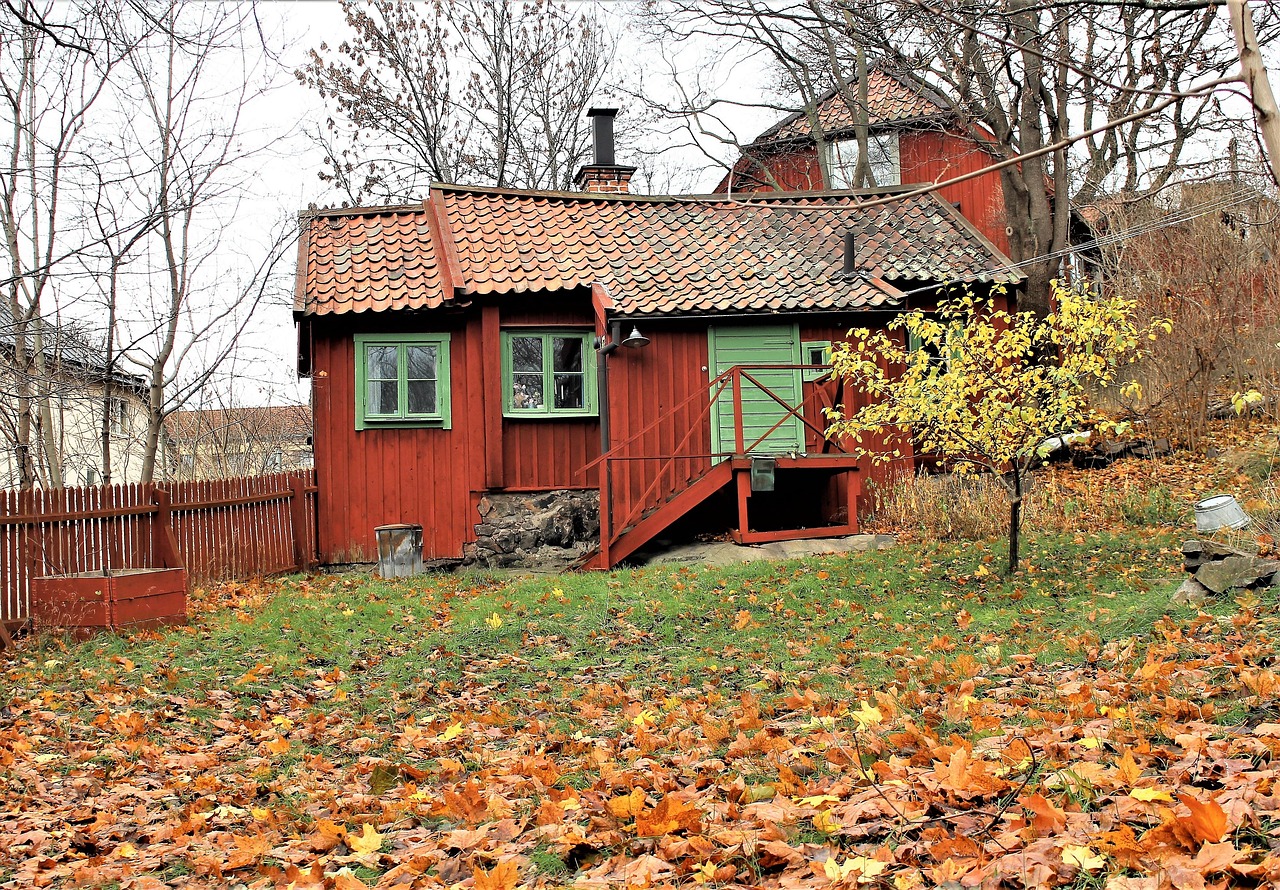
Best Seasons by Activity
- Late May–September: Best for island-hopping, long evenings, outdoor dining, and a relaxed 3 or 4 day itinerary for Stockholm with lots of walking.
- December: Best for Christmas markets, cozy cafés, and winter lights. Gamla Stan and Skansen are especially atmospheric.
- March–April & October: Shoulder seasons with fewer crowds and lower prices; unpredictable weather but rewarding if you pack layers.
- January–February: Cold and dark but magical if you like snow and winter mood. Great for museums and fika-heavy days.
Major Events in 2026–2027
Exact dates change annually, but keep an eye out for:
- Stockholm Culture Festival (Kulturfestivalen): Usually August, with free concerts, art, and performances around the city.
- Stockholm Pride: Late July or early August, one of Scandinavia’s biggest LGBTQ+ events.
- Christmas Markets: Late November through December, especially in Gamla Stan and Skansen.
- Marathons & Sports Events: Stockholm Marathon and other races bring a festive atmosphere to the streets.
For 2026 and 2027, expect continued growth in eco-conscious travel options, more plant-based menus, and ongoing development of cultural districts and waterfront areas.
Summary & Final Recommendations
Stockholm is a city that rewards both planners and wanderers. With a thoughtful 3 day itinerary for Stockholm, you’ll see the essentials: Gamla Stan, Djurgården’s big museums, and Södermalm’s views. Add a day or two and you can slow down, breathe in the archipelago air, and explore parks and neighborhoods at an easy pace.
For first-time visitors, I recommend:
- At least 3 days in Stockholm to cover highlights without rushing.
- 4 days in Stockholm if you want room for a palace or art-heavy afternoon.
- 5 days in Stockholm if you want a full archipelago day trip and some real downtime.
Come in late spring or summer for light and island-hopping, or in December for a cozy, festive city of candles and cobblestones. Whenever you visit, leave space in your schedule for a long fika, a spontaneous walk by the water, and at least one evening watching the city glow across the water. That’s when Stockholm really gets under your skin.