Why Visit Malmö in 2026?
Malmö is one of those cities that quietly gets under your skin. It doesn’t shout like Stockholm or dazzle with drama like the Norwegian fjords—but it wins you over with cobbled squares, salty sea breezes, an easy-going multicultural vibe, and the feeling that you’re in a genuinely livable city rather than a polished museum piece.
I first came to Malmö in winter, when the sky turned pastel at 2 p.m. and locals huddled in candlelit cafés with huge mugs of coffee. I came back in summer, and it felt like a different city: everyone out on blankets at Ribersborg beach, kids leaping off piers, food trucks parked under the Turning Torso. By my third visit, I was timing my days around fika (coffee-and-pastry breaks) and bike rides along the waterfront.
In 2026, Malmö is especially exciting: the city continues its transformation from industrial port to green, innovative, and culturally rich hub. With the Öresund Bridge putting Copenhagen just 35 minutes away, Malmö makes a perfect base—but it’s also absolutely worth a dedicated 3–5 day stay on its own.
Whether you’re planning 3 days in Malmö, a longer 4 day itinerary for Malmö, or a deep-dive 5 day itinerary for Malmö, this comprehensive travel guide for Malmö will help you uncover the best places to visit in Malmö, savor the local food in Malmö, and discover some truly local hidden gems in Malmö.
Table of Contents
- Why Visit Malmö in 2026?
- Malmö at a Glance
- Suggested 3–5 Day Itineraries
- Top 20+ Must-See Attractions in Malmö
- Best Neighborhoods & Areas to Explore
- Local Food & Drink in Malmö
- Nightlife, Entertainment & Cultural Experiences
- Major Events & Festivals 2026–2027
- Best Day Trips from Malmö
- Local Customs & Cultural Etiquette
- Practical Travel Tips for Malmö
- Summary & Best Time to Visit Malmö
Malmö at a Glance
Malmö is Sweden’s third-largest city, sitting at the southern tip of the country in Skåne. It’s connected to Copenhagen by the iconic Öresund Bridge, which you’ll likely cross if you fly into Copenhagen Airport (CPH) and train over.
What sets Malmö apart is its mix: medieval squares and modern architecture, Swedish traditions and a strong international influence, oceanfront living and lush parks right in the city center. It’s also compact—perfect for bikes, walking, and slow travel.
- Population: ~350,000 residents, with over 170 nationalities represented.
- Language: Swedish, but English is widely spoken and usually excellent.
- Currency: Swedish krona (SEK).
- Vibe: Laid-back, creative, youthful, and green-minded.
- Perfect for: Couples, families, design lovers, foodies, and anyone who likes cities you can actually breathe in.
Suggested 3–5 Day Itineraries for Malmö
I’ll dive into detailed daily stories later, but here’s how you can structure your visit depending on how long you have. All these plans are built from my own repeat visits and slow wanderings.
3 Days in Malmö: Classic Highlights
If you only have 3 days in Malmö, focus on the essentials: Old Town, waterfront, parks, and a taste of the city’s food scene.
- Day 1: Gamla Staden (Old Town), Stortorget, Lilla Torg, Malmö Castle & Kungsparken, dinner in the Old Town.
- Day 2: Västra Hamnen & Turning Torso, Malmö waterfront walk, Ribersborg beach & open-air bath, sunset over the bridge.
- Day 3: Möllevången food and street art, Moderna Museet Malmö, shopping in Triangeln area, fika hopping.
4 Days in Malmö: Add Local Neighborhoods
With 4 days in Malmö, you can slow down and add more local life.
- Day 1–3: Follow the 3 day itinerary for Malmö above.
- Day 4: Explore Limhamn’s harbor, beach walks, cycling along the coast, and dinner at a neighborhood bistro.
5 Days in Malmö: Deep Dive & Day Trips
If you have 5 days in Malmö, you can add museums, more hidden gems, and even a countryside or castle day trip.
- Day 1–3: Classic city highlights.
- Day 4: Neighborhoods, design shops, and lesser-known parks.
- Day 5: Day trip to Lund, Ystad, or a nearby castle.
Top 20+ Must-See Attractions in Malmö (With Personal Stories & Tips)
Below are over twenty of the best places to visit in Malmö, each with history, context, and my own experiences to help you decide what fits your style. I’ll start with the icons and move gradually into the more hidden gems in Malmö.
1. Turning Torso & Västra Hamnen Waterfront
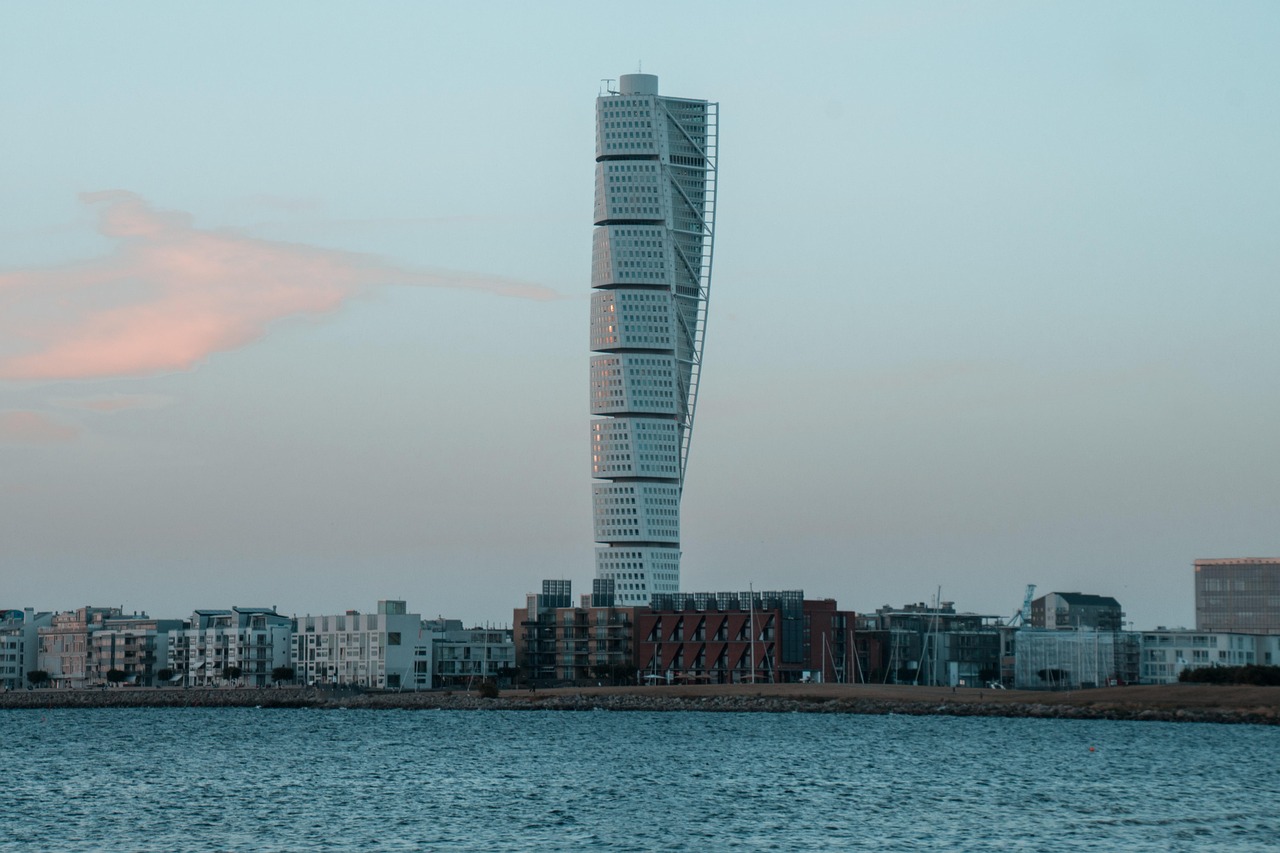
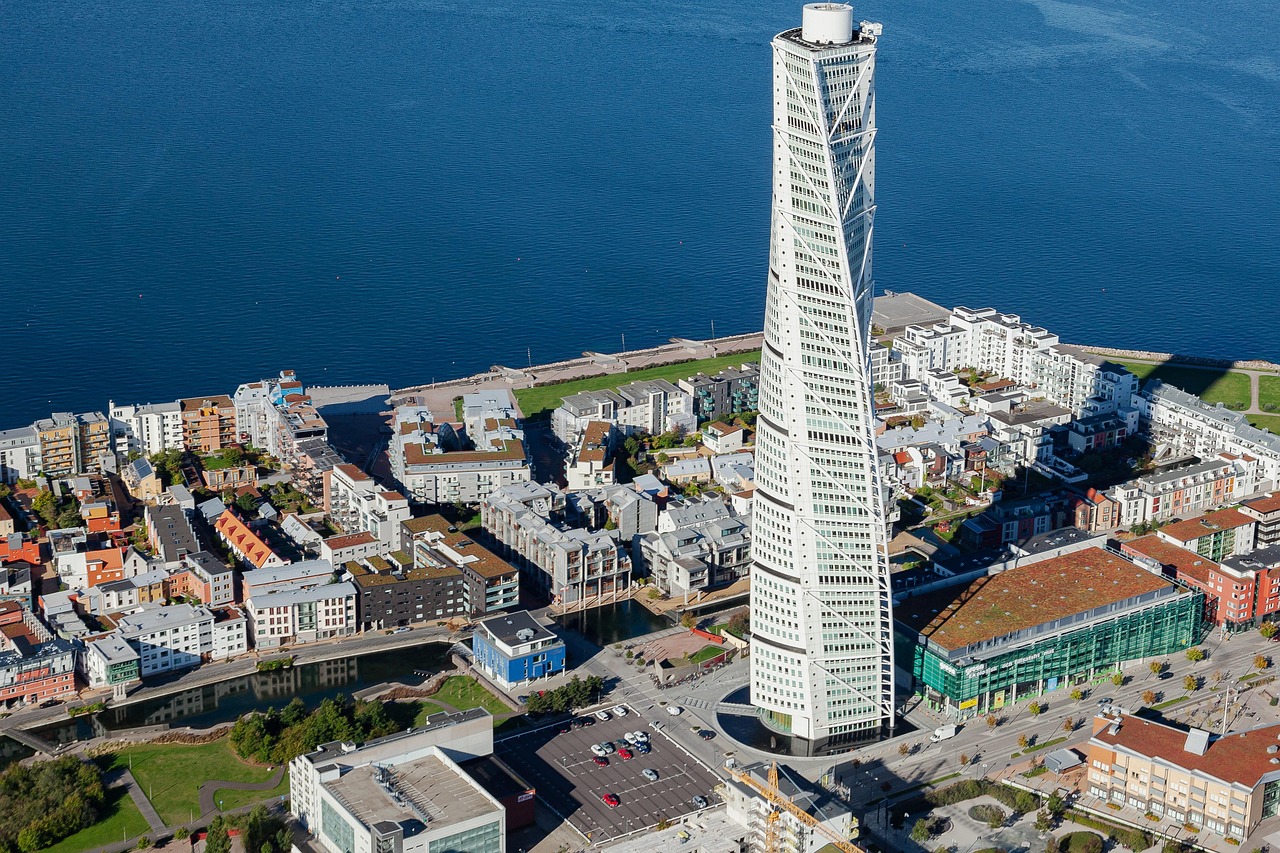
If Malmö had a single postcard image, it would be the Turning Torso, a 190-meter twisting residential tower that looks like a piece of modern sculpture stabbed into the sky. Designed by Santiago Calatrava, it’s the tallest building in Scandinavia and a symbol of Malmö’s shift from shipyards to innovation and design.
I still remember my first walk from the Central Station out to Västra Hamnen in late summer. The air smelled faintly salty, the pathways were full of cyclists, and then suddenly, there it was—the Turning Torso looming above low, colorful houses like a friendly giant. I sat on one of the wooden decks by the water and watched the sunset paint the tower in shades of pink and gold.
What to Do
- Stroll along Sundspromenaden: The waterfront promenade curves around the harbor with views of the Öresund Bridge and Denmark across the sound. Families push strollers, teens jump into the water, and locals grill on summer evenings.
- Swim at Scaniabadet: A modern sea bath area with steps into the water, floating platforms, and sunbathing decks. I usually bring a towel, swimwear under my clothes, and a thermos of coffee—Swedes are serious about coffee, even at the beach.
- Picnic at Daniaparken & Stapelbäddsparken: Daniaparken is grassy and calm; Stapelbäddsparken has a massive skate park and climbing structures. Great for kids and people-watching.
Food & Drink Nearby
Västra Hamnen has a growing food scene, especially in summer when pop-up places and food trucks appear.
- Saltimporten Canteen: Minimalist, seasonal lunches in an industrial harbor setting. Come early; they often sell out.
- Västra Station: A cozy bistro-bar with good natural wines and small plates—it’s become my go-to for an unpretentious but quality dinner.
- Summer kiosks by the waterfront selling glass (ice cream) and hot dogs—perfect budget bites.
Getting There
From Malmö Central Station, it’s about a 20–25 minute walk or a 10-minute bike ride. Buses also run regularly. I recommend walking one way and biking back if you’ve rented a bike.
Tips
- Best time: Late afternoon into sunset, especially on clear days when you can see the entire Öresund Bridge.
- Swimming: The water can be chilly even in June, but locals jump in as soon as they can. July–August is most comfortable.
- Note: The Turning Torso is residential, so you can’t usually go inside, but the views from below and along the water are more than enough.
2. Ribersborg Beach & Kallbadhuset (Open-Air Bath)
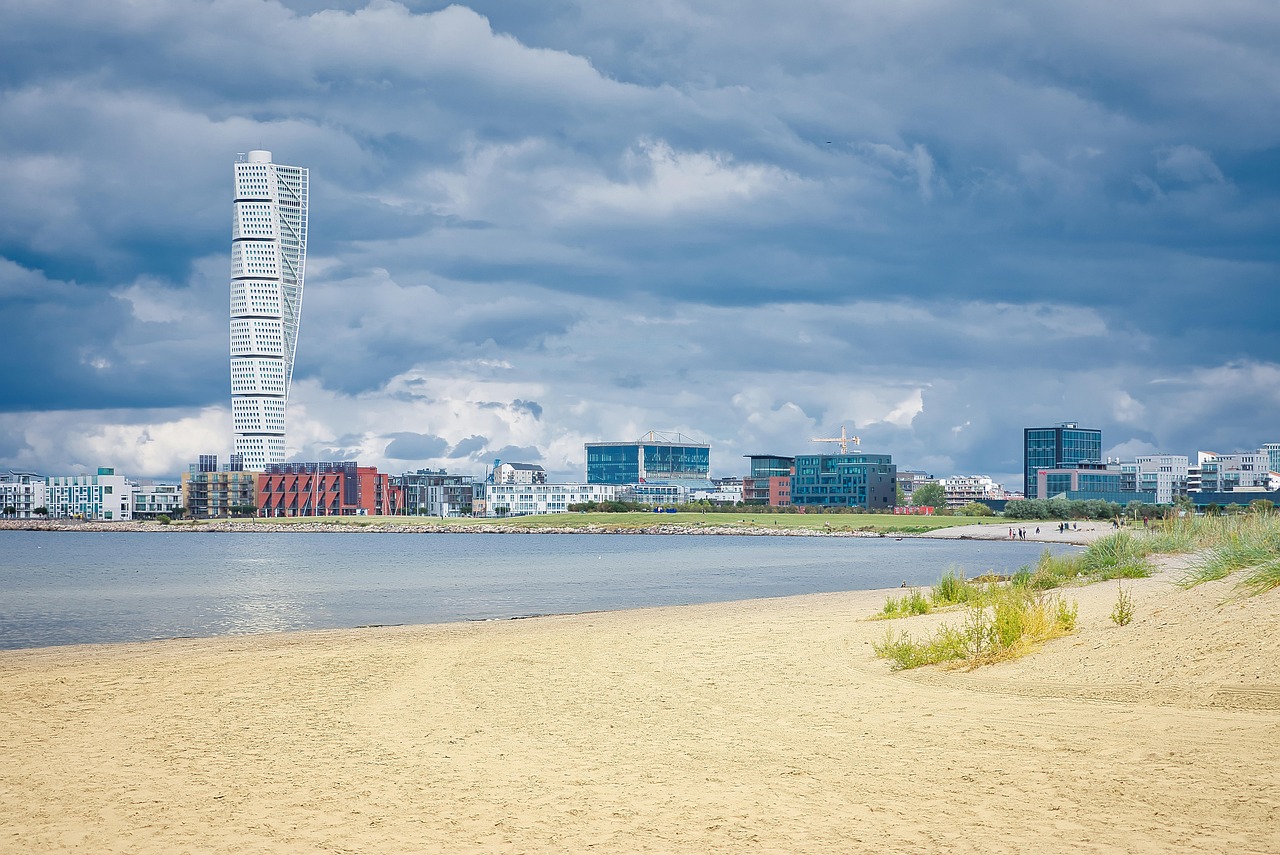
Locals call it “Ribban” and treat it like a giant backyard. This long sandy beach stretches along the western edge of the city, with grassy lawns, shallow waters, and the iconic wooden piers that lead to the Ribersborg Kallbadhus—a historic open-air bath with separate nude sections for men and women.
On my first summer visit, a Malmö friend insisted I “do it properly” and go for a winter dip followed by a sauna. We went in March, when the wind still stung. I shuffled nervously across the pier, peeled off my clothes in the chilly changing room, and then—there was nothing for it but to plunge into the icy water. It was a shock, then a rush, and the hot sauna afterward, with views over the bridge, felt like pure bliss.
What to Do
- Swim & sunbathe: In summer, families set up grills, people play beach volleyball, and dogs splash in designated areas.
- Visit Kallbadhuset: Experience true Scandinavian bathing culture: cold dips, hot saunas, and a café with sea views. Open year-round.
- Walk or bike the coastal path: You can go all the way up toward Limhamn, with continuous sea views.
Food & Drink Nearby
- Beach kiosks in summer for ice cream, burgers, and quick snacks.
- Café at Kallbadhuset: Simple, hearty food and great views; I love their shrimp sandwiches after a sauna session.
- For something more refined, head back toward the city via Slottsstaden and Västra Hamnen for bistros and cafés.
Getting There
From the center, it’s about a 25–30 minute walk through Kungsparken, or a 10-minute bike ride. Several buses stop along Limhamnsvägen.
Tips
- Bring: Towel, swimsuit (unless you’re comfortable with nude areas in the gender-separated sections), flip-flops for the pier.
- Family-friendly: Absolutely; the shallow water makes it great for kids in summer.
- Romantic: Evening walks with the sun setting behind the bridge are quietly magical.
3. Gamla Staden (Old Town), Stortorget & Lilla Torg
The heart of Malmö is its Gamla Staden, the Old Town wrapped around the main square of Stortorget and the more intimate, cobblestoned Lilla Torg. This is where I always find myself on my first evening in town—no matter how many times I’ve visited.
Stortorget is dominated by the Town Hall and a statue of King Karl X Gustav on horseback, while Lilla Torg is all timbered houses, flower-filled patios, and outdoor cafés. In December, lights twinkle overhead and it feels straight out of a storybook; in summer, every chair is taken with people sipping cider and rosé late into the night.
What to Do
- Wander the squares: Start at Stortorget, pass by the Town Hall, then slip into Lilla Torg for a slower pace.
- Explore side streets: Look for cobbled alleys like Gråbrödersgatan and Jakob Nilsgatan—they’re some of my favorite spots for photos.
- Visit St. Peter’s Church (Sankt Petri kyrka): A red-brick Gothic church dating back to the 14th century. The interior is soaring and peaceful; I like to duck in when the weather turns.
Food & Drink
- Bastard (if open under new concepts): Previously one of Malmö’s most beloved restaurants for nose-to-tail, bistro-style cooking. In 2026, check current iterations; the team often experiments with new concepts.
- Victors & Elysée in Lilla Torg: Classic spots with outdoor seating, more about atmosphere than cutting-edge food but perfect for people-watching.
- Noir Kaffekultur: One of my favorite coffee spots just off Lilla Torg, with excellent espresso and a small sunny courtyard.
Tips
- Best time: Late morning for quiet photos; evenings for atmosphere.
- Budget tip: Have a drink in Lilla Torg for the ambiance, but seek out nearby side-street restaurants for better prices and more local feel.
- Family-friendly: Kids enjoy the open squares; just keep an eye on cobblestone tripping hazards.
4. Malmöhus Castle & Slottsparken / Kungsparken
Malmöhus slott is a red-brick fortress surrounded by moats and greenery, just a short walk from the Old Town. Built in the 16th century, it’s one of the oldest surviving Renaissance castles in Scandinavia and now hosts several museums under one roof.
The first time I visited, I spent much longer inside than planned—wandering from medieval history exhibits to aquarium tanks to art displays, before finally emerging into the surrounding Slottsparken and Kungsparken. The parks feel like a green embrace around the castle, with canals, bridges, and willows drooping over the water.
What to Do
- Tour the castle museums: History, natural history, and a small aquarium. It’s an excellent rainy-day activity and very family-friendly.
- Walk the parks: Follow the paths along the water, cross the ornate bridges, and look for the windmill (Slottsmöllan) in Slottsparken.
- Rent a pedal boat or kayak (in season): A fun way to see the park from the water.
Food & Drink
- Slottsträdgårdens Kafé: A beautiful garden café near the castle with organic, seasonal dishes and great cakes. One of my absolute must-stops in good weather.
- Picnics: I often grab take-away sandwiches from a bakery in town and find a sunny spot in the park.
Tips
- Tickets: Malmöhus entry covers several museums in one; check for combined tickets and family discounts.
- Timing: Combine a castle visit with a walk to Ribersborg Beach—it’s an easy progression westward.
- Photography: Early morning in the parks is wonderfully calm, with mist often hovering over the water in spring and autumn.
5. The Öresund Bridge (Øresundsbron)
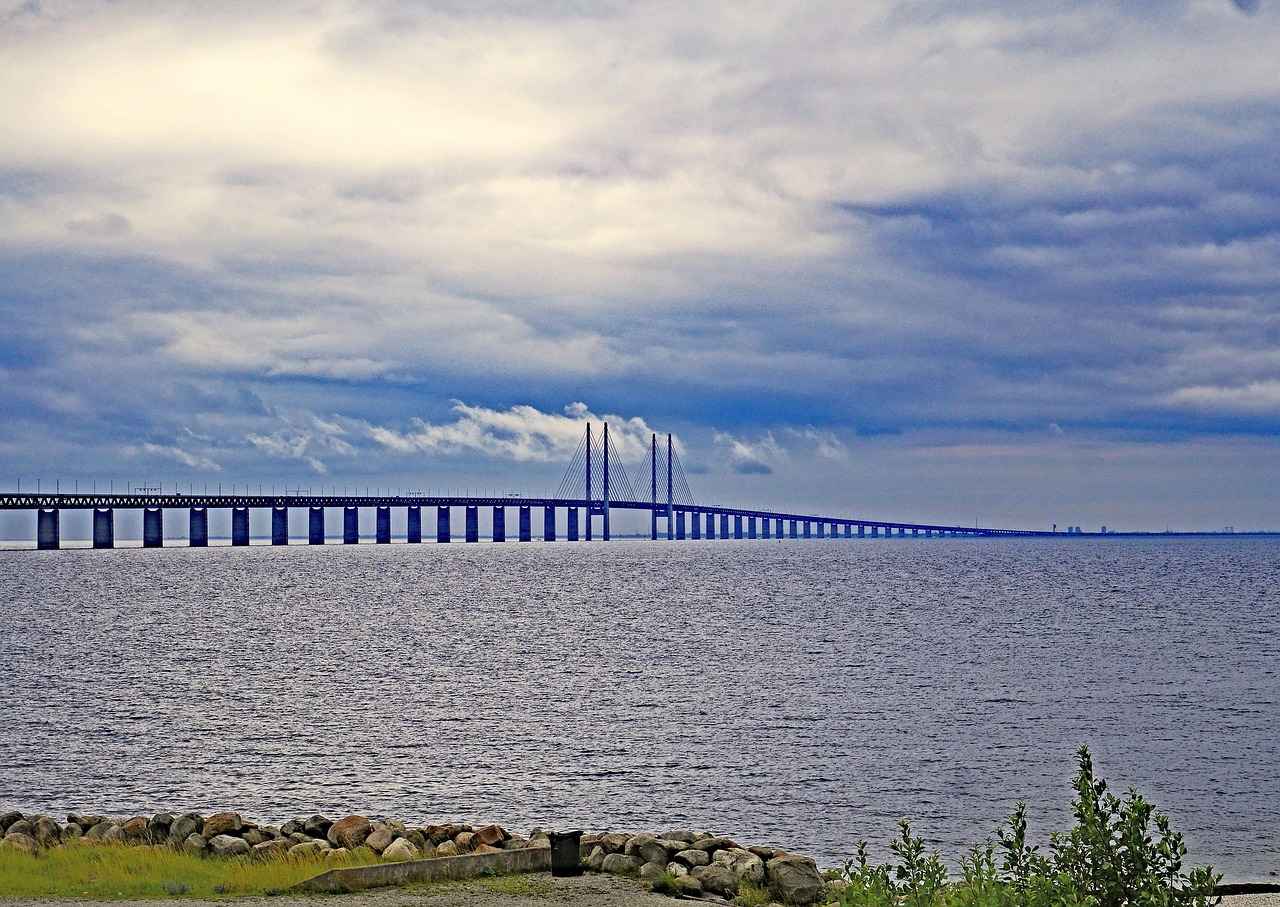
You can’t visit Malmö without noticing the Öresund Bridge, the sweeping structure that connects Sweden with Denmark. Many visitors experience it only from a train window, but I recommend taking time to appreciate it from different angles along the coast.
I’ve crossed the bridge by train more times than I can count, but my favorite memory is watching a thunderstorm roll in over it from Ribersborg—dark clouds framing the delicate arc of steel and cables, lightning flickering in the distance while Malmö behind me stayed strangely calm.
What to Do
- Viewpoints: Ribersborg Beach, Västra Hamnen, and the coastal path toward Limhamn all offer great views of the bridge.
- Ride the train: If you’re flying into Copenhagen, sit by the window on the right side heading to Malmö. The transition from bridge to underwater tunnel is a little surreal.
- Photography: Sunset and blue hour are particularly photogenic; aim for a clear or partly cloudy evening.
Tips
- Tickets: Train tickets between Malmö and Copenhagen can be bought from machines or apps; prices vary slightly by time but it’s affordable for a day trip.
- Weather: The bridge looks different in every light—don’t be disappointed by clouds; they add drama.
6. Möllevången & Möllevångstorget
If the Old Town is Malmö’s historical heart, Möllevången (or “Möllan” to locals) is its bohemian, multicultural soul. Centered around Möllevångstorget, this neighborhood is packed with greengrocers, falafel joints, Asian supermarkets, and bars that fill up every night of the week.
I fell for Möllan on a gray November afternoon. The rest of the city felt sleepy, but Möllevångstorget was buzzing: market stalls piled high with vegetables, people haggling gently in Swedish and Arabic, steam rising from street food stands. Later that evening, the same square filled with friends meeting at bars and restaurants, and the whole area took on a warm glow.
What to Do
- Visit the market: During the day, Möllevångstorget hosts a lively produce market. It’s one of the best places to feel Malmö’s diversity.
- Street art hunt: Wander side streets for murals and creative graffiti.
- Bar hop: This is Malmö’s most vibrant nightlife hub, especially for a casual drink.
Food & Drink
- Falafel: Malmö is famous for its falafel, and Möllan is ground zero. Try spots around Bergsgatan and Ystadsgatan. I’ve never had a bad falafel here, but locals debate their favorites endlessly.
- Vegan & vegetarian: Plenty of options, from Middle Eastern mezze to plant-based burgers.
- Babel & Plan B (venues): For live music and club nights, check what’s on; they often host local bands and DJs.
Tips
- Evening vibes: It can feel a bit rough around the edges late at night, but it’s generally safe; just use normal city awareness.
- Budget-friendly: One of the best areas to eat well on a budget in Malmö.
7. Moderna Museet Malmö
Housed in a former power station with a striking orange façade, Moderna Museet Malmö is the city’s premier space for modern and contemporary art. It’s a satellite of Stockholm’s famous Moderna Museet, which means excellent exhibitions—often with a Scandinavian or socially engaged angle.
One rainy afternoon, I ducked inside just to escape the drizzle and ended up completely absorbed by an exhibit on Nordic social democracy told through art. I spent over an hour in one room watching video installations reflecting on migration and identity—very Malmö themes.
What to Do
- Explore current exhibitions: Check their website before visiting; programming changes regularly.
- Architectural details: The building itself is worth a look, especially the contrast between old industrial bones and modern additions.
- Gift shop: A good place for design-y souvenirs and art books.
Tips
- Admission: Often free or low-cost; check current policy.
- Combine with: Nearby Caroli area and the Old Town—everything is within walking distance.
8. Folkets Park
Folkets Park (“People’s Park”) is one of the oldest public parks in the world, and it feels like Malmö’s communal backyard—especially for families and younger locals. Think playgrounds, mini-golf, cafés, outdoor stages, and in winter, a small ice rink.
I like to come here on sunny weekends: kids dart between the playground and the little pond, couples lounge on the grass, and food trucks park near the entrances. Once, in late summer, I stumbled upon an outdoor salsa event and ended up dancing badly with an 80-year-old Swede who still had better moves than I ever will.
What to Do
- Family fun: Rides, playgrounds, and seasonal events make it a hit with children.
- Events: Check for outdoor concerts, festivals, and cultural events—many are free.
- Relax: Just treat it as a green space to unwind with a coffee.
Tips
- Location: Near Möllevången, so it’s easy to combine with a food stop there.
- Budget: The park itself is free; individual rides and activities may cost a little.
9. Triangeln, Södra Förstadsgatan & Shopping Area
The area around Triangeln station is Malmö’s main shopping corridor, anchored by the Triangeln Mall and the long pedestrian street of Södra Förstadsgatan. It’s not exactly a hidden gem, but it’s where locals actually shop, meet, and run errands.
I often end up here on my “practical” day—when I need a new pair of gloves because I misjudged Swedish winter again, or when I simply feel like browsing Scandinavian brands I can’t find at home.
What to Do
- Shopping: International chains mixed with Swedish brands and smaller boutiques.
- Fika stops: Plenty of cafés for coffee breaks; Espresso House is the ubiquitous chain, but there are many independents too.
- People-watching: Grab a window seat and watch Malmö flow by.
10. Limhamn Harbor & Coastal Walk
Limhamn feels like a small town tucked into the city—once an independent fishing village, now a cozy neighborhood with its own harbor, marina, and calm seaside vibe. When I want to feel like I’ve escaped city life without actually going far, I come here.
What to Do
- Harbor walk: Stroll past boats, old fishermen’s houses, and small cafés.
- Coastal path: Continue walking or biking along the coast, with views of the Öresund Bridge.
- Marina life: Sit on the docks with takeaway coffee and just watch the water.
Food & Drink
- Neighborhood cafés and pizzerias; check around the harbor area for fresh fish dishes.
11. St. Peter’s Church (Sankt Petri Kyrka)
This Gothic brick church is one of Malmö’s oldest buildings, dating back to the 14th century. From outside, it’s imposing; inside, it feels surprisingly light and serene.
During one December visit, I attended a Lucia concert here: a choir of children in white robes, candles flickering in their hands, singing traditional songs in Swedish. Even without understanding all the words, it was goosebump-inducing.
What to Do
- Admire the architecture: High vaulted ceilings, stained glass, and historical details.
- Check for concerts: The church hosts music events, especially around Christmas.
12. Emporia Shopping Center & Hyllie Area
Emporia is Malmö’s ultra-modern shopping center near Hyllie station, notable for its striking glass architecture with a golden “wave” entrance. While I prefer Malmö’s smaller streets and markets, Emporia is useful on cold or rainy days, or if you’re keen on Swedish retail therapy.
What to Do
- Shopping: Fashion, homewares, electronics—everything under one roof.
- Rooftop terrace: Don’t miss the roof garden for an unexpected green space and city views.
Tips
- Transport: Direct trains from Malmö C to Hyllie (on the way to Copenhagen) make this very easy to reach.
13. Södergatan & Gustav Adolfs Torg
Södergatan is one of Malmö’s main pedestrian shopping streets, connecting Stortorget to Gustav Adolfs Torg, another large square with fountains and plenty of life.
I like this stretch because it’s where everyday Malmö unfolds: locals calling out to each other, buskers performing, students rushing between classes and cafés.
14. Malmö Konsthall
Malmö Konsthall is another major contemporary art space, known for its airy, light-filled interior. Exhibitions often feature large-scale installations that really make use of the space.
Once, I walked into a room filled entirely with hanging threads and soft lighting—it felt like stepping into a cloud. Malmö does contemporary art very well, and this is a prime example.
15. Stapelbäddsparken & Skate Park
Near Västra Hamnen, Stapelbäddsparken is a huge outdoor skate park and community space. Even if you don’t skate, it’s fun to watch locals pull off tricks against the backdrop of Turning Torso.
16. Slottsträdgården & Windmill
Within the castle park area, Slottsträdgården is a lush organic garden with flowerbeds, vegetable plots, and a picturesque windmill. In summer, bees buzz, flowers explode in color, and the café terrace fills with locals.
17. Caroli City & St. Johannes Church
The Caroli area east of the Old Town blends offices, shops, and residential streets with pockets of history, including the beautiful St. Johannes Church.
18. Rosengård (With Context)
Rosengård is Malmö’s most talked-about suburb, known for its large immigrant population and social challenges—but also for its strong community, youth culture, and football legacy (Zlatan Ibrahimović grew up here).
This is not a typical tourist area, and I only recommend visiting on a guided tour or with a local who knows the neighborhood. Done respectfully, it can offer insight into the real social fabric of Malmö beyond the postcard images.
19. Malmö Live Concert Hall & Canal Area
Malmö Live is a modern concert hall and hotel complex near the central station, sitting right on the canal. The architecture is bold yet somehow fits Malmö’s skyline.
I’ve enjoyed orchestral concerts here, but I also just like the area: walking the canals at dusk, watching reflections ripple under the bridges, and then seeing the lights come on around Malmö Live.
20. Malmö Canal Boat Tours
One of the most relaxed ways to see Malmö is from the water. Canal boat tours loop around the city’s moat and inner canals, passing under low bridges and along parks and historic buildings.
On one summer ride, our captain pointed out everything from old industrial sites turned creative hubs to hidden cafés I later sought out on foot. It’s touristy, yes, but in a charming way.
21. Street Art in Malmö
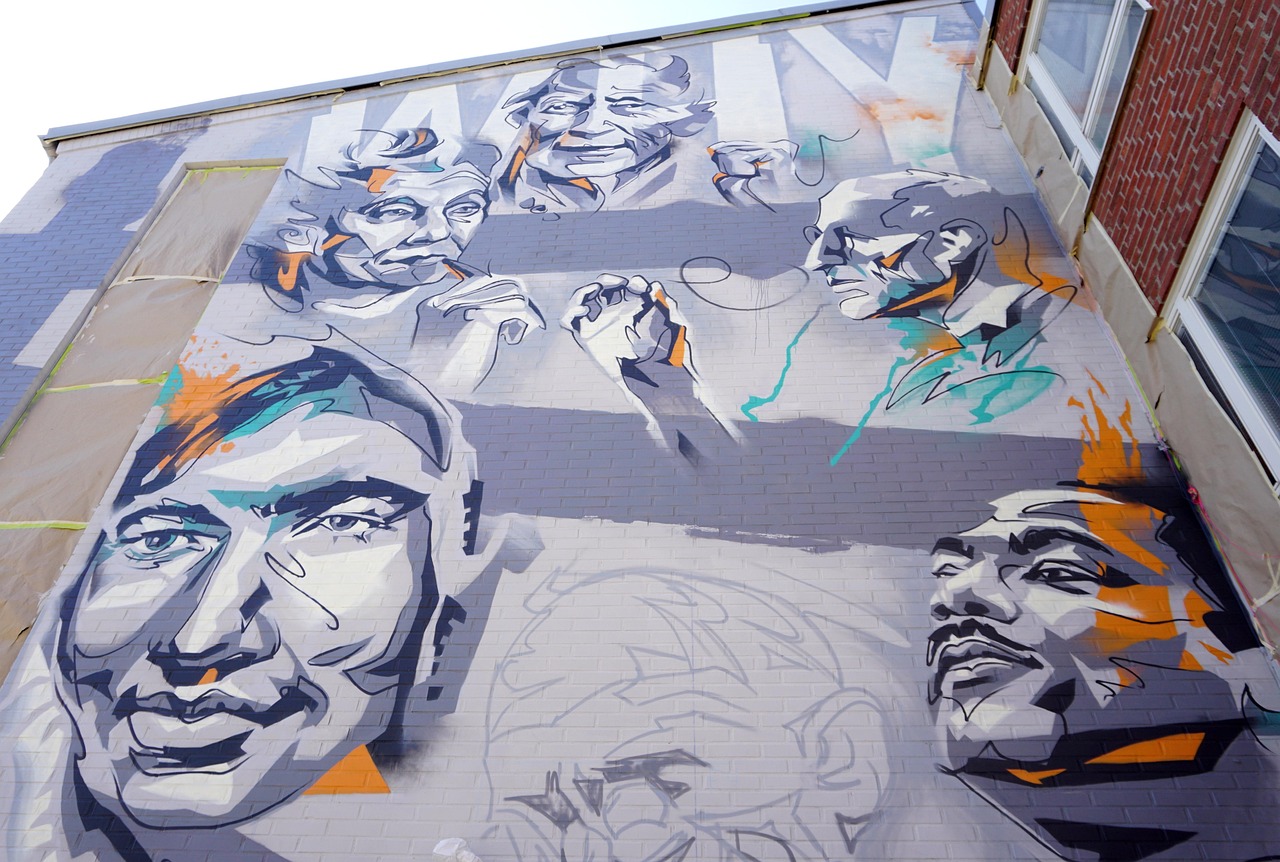
Malmö has a quietly impressive street art scene, especially around Möllevången, Norra Grängesbergsgatan, and industrial edges. Large murals often reflect themes of identity, environment, and diversity.
22. Malmö City Library (Stadsbiblioteket)
The City Library is a gem for architecture lovers: an older brick building connected to a modern glass wing called “The Calendar of Light.” I like to sit inside with a book, watching the park outside through the glass wall.
Interesting Neighborhoods & Areas to Explore
Beyond specific attractions, Malmö’s character reveals itself through its districts. Here are the ones I recommend weaving into your 3–5 day itinerary for Malmö:
- Gamla Staden (Old Town): Historic squares, narrow lanes, churches, main shopping streets. Great for first-time visitors.
- Västra Hamnen: Eco-friendly waterfront development with modern architecture and seaside walks.
- Möllevången: Multicultural, creative, slightly gritty, with the city’s best cheap eats and nightlife.
- Slottsstaden: Leafy residential area west of the center; good for a calm walk between park and beach.
- Limhamn: Former fishing village, now a cozy neighborhood with a harbor and small-town feel.
- Hyllie: Modern transport hub with Emporia mall and new developments; practical for some travelers.
Local Food & Drink in Malmö
Malmö’s food scene reflects both its Skåne roots and its multicultural population. You can eat classic Swedish husmanskost (home-style dishes) one night and Syrian, Iraqi, or Balkan food the next—often on a budget compared to Stockholm or Copenhagen.
Must-Try Local Foods
- Falafel: Malmö’s unofficial city dish. Pick it up for lunch in Möllevången; it’s cheap, filling, and usually excellent.
- Smörrebröd & smörgås: Open-faced sandwiches with shrimp, eggs, or herring.
- Fish dishes: Fresh herring, salmon, and other seafood, often served simply with potatoes and dill.
- Kanelbulle & kardemummabulle: Cinnamon and cardamom buns—mandatory with coffee.
- Skånsk specialties: In season, look for local asparagus, berries, and new potatoes from the fertile farmlands around Malmö.
My Favorite Types of Places
Rather than lock you into specific restaurants (which can change quickly), here’s how I eat in Malmö to balance budget and experience:
- Lunch canteens: Many cafés and smaller restaurants offer affordable daily lunch specials (dagens rätt) with salad, bread, and coffee included.
- Falafel & kebab joints: The best way to save money while eating well.
- Fika cafés: I plan at least one fika break per day—often two in winter.
- Food halls & markets: Keep an eye out for food courts and weekly markets around Möllevången and the city center.
Nightlife, Entertainment & Cultural Experiences
Malmö’s nightlife is relaxed but lively, especially around Möllevången, Lilla Torg, and the canal area near Malmö Live. You won’t find mega-clubs, but you will find bars, live music, and cozy spots that stay open late.
Types of Evenings Out
- Casual bar hopping in Möllan: Start with a beer at a corner bar, move on to a cocktail spot, end with late-night falafel.
- Concerts at Malmö Live: From classical to jazz and contemporary performances.
- Cultural nights: Check Moderna Museet, Malmö Konsthall, and Folkets Park for evening events, film screenings, or festivals.
For a more romantic evening, I like walking the waterfront in Västra Hamnen, then having a quiet dinner overlooking the sea or canals.
Major Events & Festivals in Malmö (2026–2027)
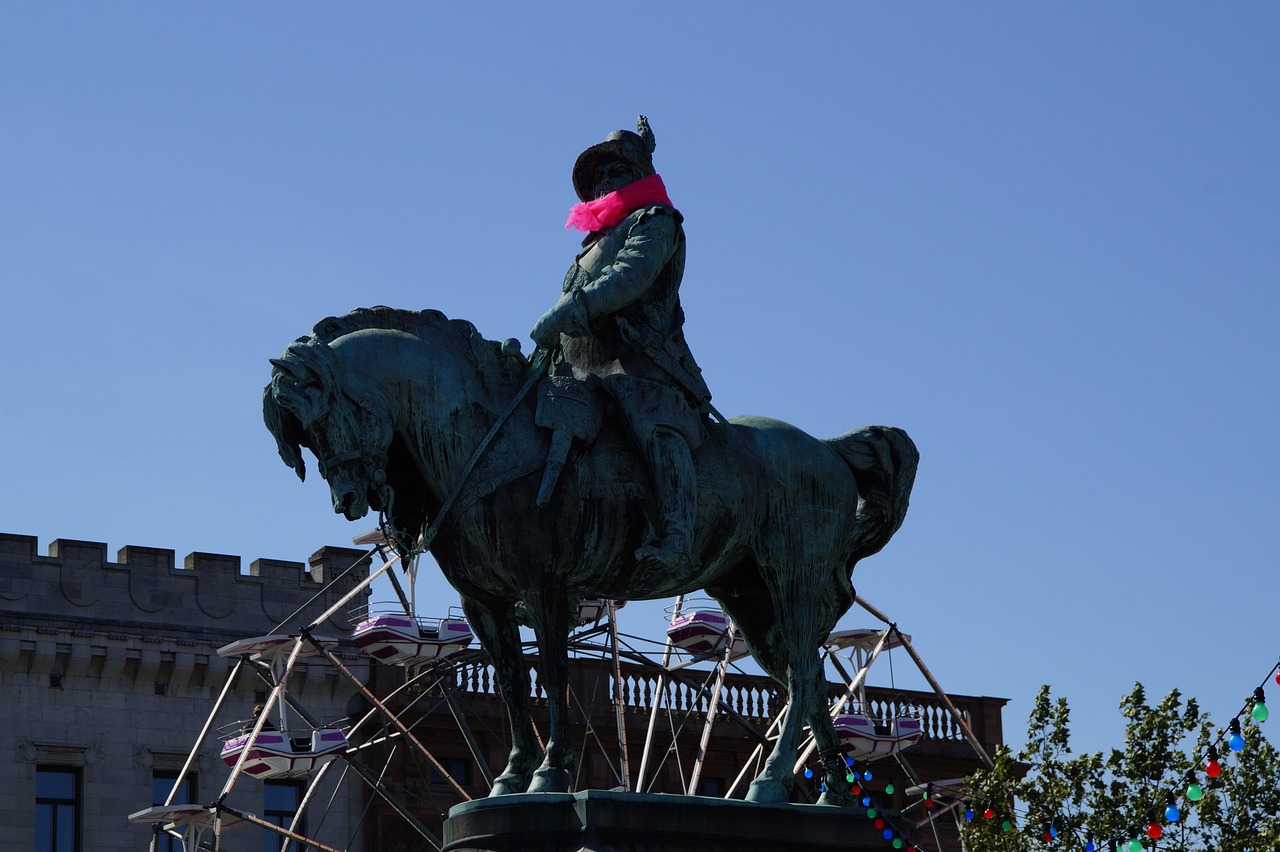
Event line-ups can change, but based on Malmö’s regular calendar and announcements for 2026–2027, here’s what to watch for:
- Malmöfestivalen (Malmö Festival): Usually in August. A huge, week-long city festival with free concerts, food stalls, art, and activities all over the center. If you can time your trip around it, do—just book accommodation early.
- Malmö Pride: Summer celebration of LGBTQ+ culture, with parades, parties, and talks.
- Nordic Game Conference (2026 & 2027): For gaming and tech lovers; Malmö is a game development hub.
- Christmas markets: From late November into December, look for markets around Gustav Adolfs Torg, Folkets Park, and sometimes in Lilla Torg.
Best Day Trips from Malmö
One of Malmö’s strengths is how easy it is to get out of town. Here are classic day trips I’ve enjoyed:
Lund
Just 10–15 minutes by train, Lund is a charming university town with a famous medieval cathedral and cobbled streets lined with colorful houses. It’s one of my favorite places in Skåne.
- Must-see: Lund Cathedral, Botanical Garden, medieval streets.
- Tip: Go early, stroll, have lunch, and be back in Malmö by evening.
Ystad & the South Coast
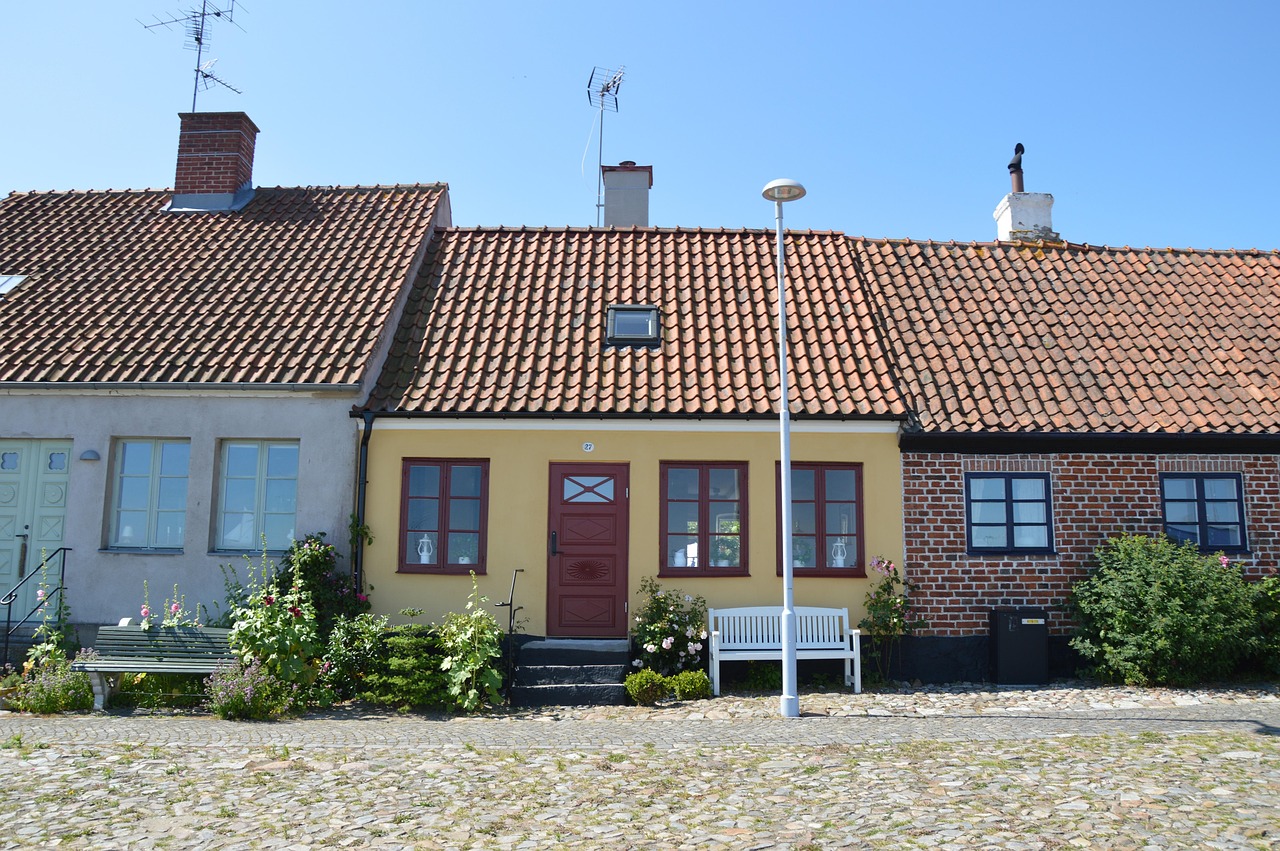
Ystad is a picturesque coastal town known from the “Wallander” crime novels. Half-timbered houses, cobbled streets, and a harbor make it a great day trip.
Skåne Castles & Countryside
The region around Malmö is dotted with castles, manor houses, and rolling fields. If you rent a car for a day, you can visit places like Sofiero, Trolleholm, or Torup Castle and enjoy forest walks and café stops.
Local Customs & Cultural Etiquette in Malmö
Understanding a few Swedish customs will make your time in Malmö smoother and more enjoyable.
Personal Space & Quiet
- Swedes value personal space and are generally quiet in public. Don’t be offended if people don’t make small talk on buses or in elevators.
- Queues are sacred—always stand in line and wait your turn.
Fika Culture
Fika is more than just coffee; it’s a ritual break in the day, often with something sweet. Taking time out to sit, chat, or just breathe is very Swedish—and Malmö is a perfect city to embrace it.
Shoes & Indoors
- In private homes, you almost always remove your shoes at the door. In some smaller guesthouses, you might be asked to as well.
Paying & Tipping
- Sweden is largely cashless; cards and mobile payments are standard.
- Tipping is appreciated but not mandatory. Rounding up or leaving 5–10% in restaurants is common if service was good.
Alcohol & Smoking
- Alcohol over a certain strength is sold in state-run stores called Systembolaget. Beer and cider up to 3.5% can be bought in supermarkets.
- No smoking inside bars or restaurants; respect designated smoking areas outdoors.
Practical Travel Tips for Malmö (2026 Guide)
Getting Around Malmö
Malmö is compact and wonderfully bike-friendly. For most 3 day itineraries for Malmö or a 4 day itinerary for Malmö, you can get almost everywhere by walking and biking.
- On foot: The city center, Old Town, and Västra Hamnen are easily walkable.
- By bike: Rent from bike shops or city schemes. Dedicated lanes make it safe and efficient.
- Public transport: Buses and local trains are run by Skånetrafiken. Use their app to buy tickets and plan routes.
- Car rental: Not necessary within Malmö, but useful for countryside day trips. Foreign drivers with a valid license are generally allowed; check if you need an International Driving Permit depending on your home country.
How to Save Money in Malmö
Sweden has a reputation for being expensive, but Malmö is more affordable than many Nordic cities, especially if you plan smartly.
- Eat your main meal at lunch: Dagens rätt deals are good value.
- Self-cater breakfasts: Stay somewhere with a kitchen or at least a fridge; supermarkets are well-stocked.
- Embrace falafel and street food: Delicious and cheap.
- Use public transport and bikes: Taxis add up quickly.
- Free attractions: Parks, waterfronts, many churches, and often some art spaces are free.
SIM Cards & Connectivity
In 2026, staying connected in Malmö is easy:
- Local SIM: You can buy prepaid SIMs from major providers (Telia, Tele2, Telenor, 3) at convenience stores and electronics shops. They usually offer generous data packages.
- eSIM: Many visitors opt for eSIM packages covering Sweden or all of the EU/EEA.
- Wi-Fi: Cafés, hotels, and even some public spaces offer free Wi-Fi.
Visa Requirements & Entry
Sweden is part of the Schengen Area. Visa requirements depend on your nationality:
- EU/EEA citizens: Can enter freely with an ID card or passport.
- Many non-EU visitors: May enter visa-free for short stays (typically up to 90 days in a 180-day period). Check official Swedish or Schengen visa resources for the latest rules for your passport.
- Others: May need a Schengen visa obtained before travel.
Always check up-to-date information from official government sources before planning.
Best Seasons & What They’re Good For
- Spring (April–May): Blossoms in the parks, fewer tourists, cool but pleasant. Great for walking, cycling, and photography.
- Summer (June–August): Peak season. Long days, outdoor festivals, swimming at Ribersborg, bustling waterfront. Ideal for family trips and romantic evenings by the sea.
- Autumn (September–October): Golden leaves, cozy café weather, fewer crowds. Good for cultural experiences and food-focused trips.
- Winter (November–March): Short days, potential snow or just gray drizzle. Perfect for sauna experiences, Christmas markets, and very slow travel. If you like moody atmospheres and low prices, this can be surprisingly lovely.
Where to Stay in Malmö
For most visitors planning 3–5 days in Malmö, I recommend:
- City Center / Gamla Staden: Best for first-timers; walking distance to almost everything.
- Västra Hamnen: Modern, by the sea, great for families and those who love waterfront walks.
- Möllevången: For nightlife, street food, and a more alternative vibe.
Budget options include hostels and simple guesthouses; mid-range hotels are plentiful; high-end stays cluster near the waterfront and Malmö Live.
Summary: Key Takeaways & Best Time to Visit Malmö
Malmö is a compact, livable, and quietly vibrant city that rewards travelers who like to slow down, explore neighborhoods, and mix iconic sights with everyday life. Whether you’re crafting a 3 day itinerary for Malmö, expanding it into 4 days in Malmö, or giving yourself a full 5 day itinerary for Malmö, you’ll find more than enough things to do in Malmö—from strolling Gamla Staden and swimming at Ribersborg to sampling local food in Malmö and discovering hidden gems in Malmö around Möllevången and Limhamn.
For most travelers, the best time to visit Malmö is late spring to early autumn (May–September), when the city’s parks and waterfront come alive and festivals fill the calendar. Summer is perfect for families and beach lovers; spring and autumn suit culture seekers and food-focused trips. Winter, while darker and quieter, offers its own charm—with Christmas markets, cozy cafés, and the uniquely Scandinavian pleasure of going from cold winds to warm saunas.
Whatever season you choose, come with an open schedule, a warm layer, an appetite for falafel and cinnamon buns, and a willingness to fika like a local. Malmö may not shout—but if you give it time, it will absolutely speak to you.