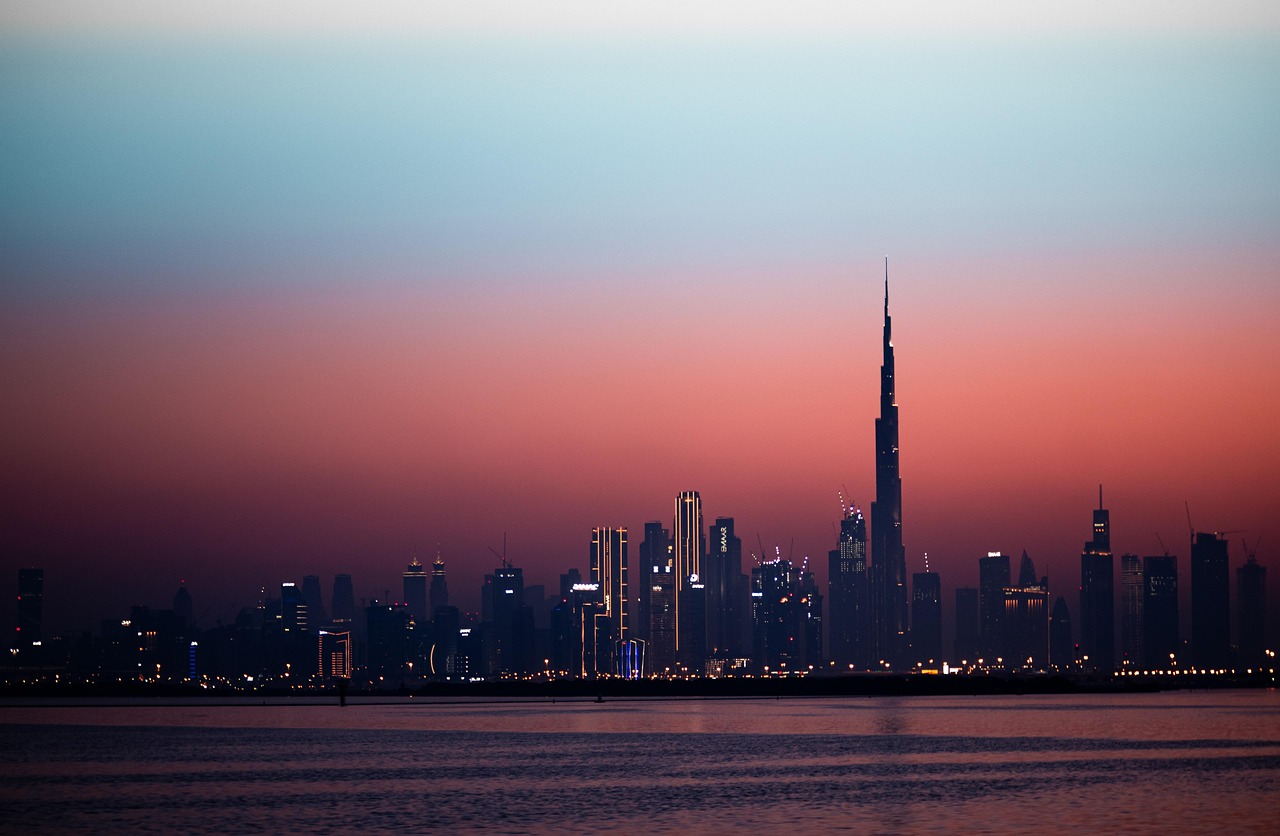
Why Visit Dubai in 2026?
Dubai is a city that shouldn’t make sense – and yet somehow it does. In one afternoon you can wander through centuries-old alleyways perfumed with spices, then be sipping coffee 148 floors above the world in a tower that literally pierces the clouds. It’s desert and sea, old and new, ultra-luxury and humble shawarma joints, all pressed into one shimmering strip along the Arabian Gulf.
I’ve been coming to Dubai regularly since before the Metro opened, and watching the city reinvent itself each time has been addictive. In 2026, Dubai is leaning even harder into culture, sustainability, and big, ambitious projects – but the heart of the city is still in its creekside souks, late-night family promenades, and the smell of cardamom coffee everywhere you go.
Whether you have 3 days in Dubai, 4 days in Dubai, or a full 5 day itinerary for Dubai, this guide is written as if we’re planning your trip together over a pot of mint tea. You’ll get detailed daily plans, personal anecdotes, and plenty of hidden gems in Dubai alongside the famous “must-see” attractions.
Table of Contents
- Why Visit Dubai
- Quick Overview & Travel Basics
- Top 20 Must-See Attractions in Dubai (With Personal Stories)
- Sample Itineraries: 3, 4 & 5 Days in Dubai
- Best Neighborhoods & Areas to Explore
- Local Food in Dubai & Where to Eat
- Cultural Etiquette & Local Customs in Dubai
- Nightlife, Entertainment & Cultural Experiences
- Best Day Trips from Dubai
- Practical Travel Tips for Dubai (Money, SIM, Transport, Visas)
- When to Visit Dubai & 2026–2027 Events
- Final Summary & Key Takeaways
Quick Overview & Travel Basics
This guide is written for 2026, with up-to-date travel advice for Dubai, including what’s changed in the last few years.
- Language: Arabic is official; English is widely spoken everywhere.
- Currency: UAE Dirham (AED). Cards are accepted almost everywhere, but keep cash for small shops and old souks.
- Best time to visit: Late October to April for outdoors; summer (May–September) for cheaper rates but extreme heat.
- Dress code: Modest but relaxed. Shoulders and knees covered in mosques and government buildings; beachwear is fine at pools and beaches.
- Getting around: Metro, tram, buses, taxis, ride-hailing, and walking in certain areas. Renting a car is easy if you’re comfortable with city driving.
Top 20 Must-See Attractions in Dubai (With Personal Stories)
Let’s start with the icons, then slip into the side streets and quieter corners. For each of these must-see attractions in Dubai, I’ll share how I like to experience them and what I wish I’d known my first time.
1. Burj Khalifa & Dubai Fountain
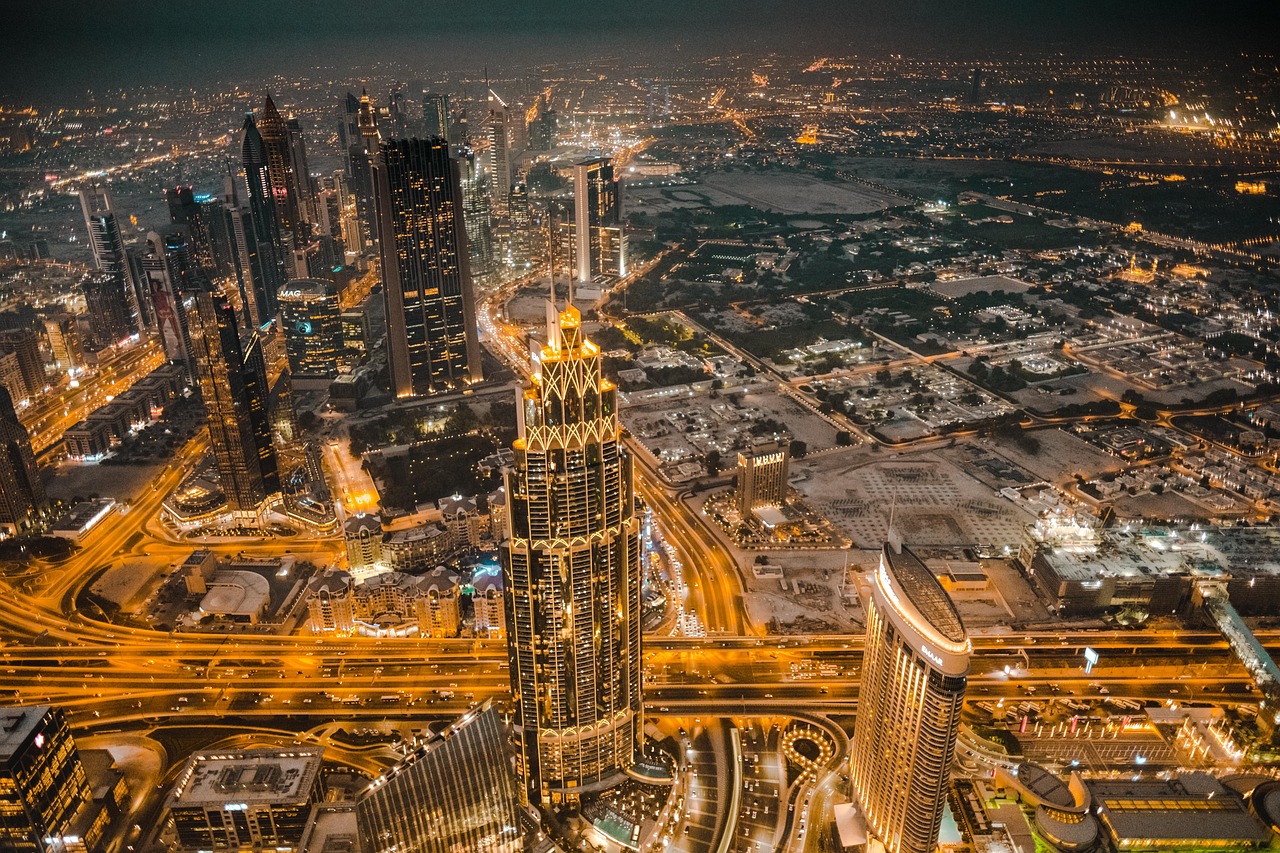
I still remember my first time at the foot of the Burj Khalifa – I craned my neck back so far I nearly fell over. Even after half a dozen visits, that feeling hasn’t gone away. This 828-meter giant is more than a bragging-rights stop; it’s the best place to understand how Dubai leapt from desert trading town to global city.
Why it’s special: The views from the observation decks (“At the Top” on levels 124/125 and the premium lounge on level 148) rewire your sense of scale. At sunset, the city glows gold, the desert blushes pink, and the Gulf turns a deep inky blue.
My routine here: I usually book a late afternoon slot around 4:30–5:00 pm (in winter) to catch both daylight and night views. After the elevator ride – which is an experience in itself – I circle the deck slowly, picking out favorite spots: the curve of the Dubai Canal, the sail of Burj Al Arab, the low-rise sprawl of old Deira by the Creek.
Back at ground level, I always linger at the Dubai Fountain. The fountain shows run in the evenings and are free to watch. My favorite spot is along the promenade near Souk Al Bahar – far enough from the main crush near Dubai Mall but still close to feel the mist on your face.
Family-friendly? Absolutely. Kids love the elevator ride and the fountain shows, but bring a light jacket for the top – it can be breezy.
Romantic? One of the most romantic spots in the city, especially if you book a lakeside dinner with fountain views.
Tips:
- Book tickets online at least a few days ahead, especially for sunset slots.
- Choose non-prime hours if you’re on a budget – mornings are cheaper and less crowded.
- Combine with a walk through Dubai Mall’s aquarium area (you can see the main tank for free from the mall side if you don’t want to pay for entry).
2. Burj Al Arab & Jumeirah Beach
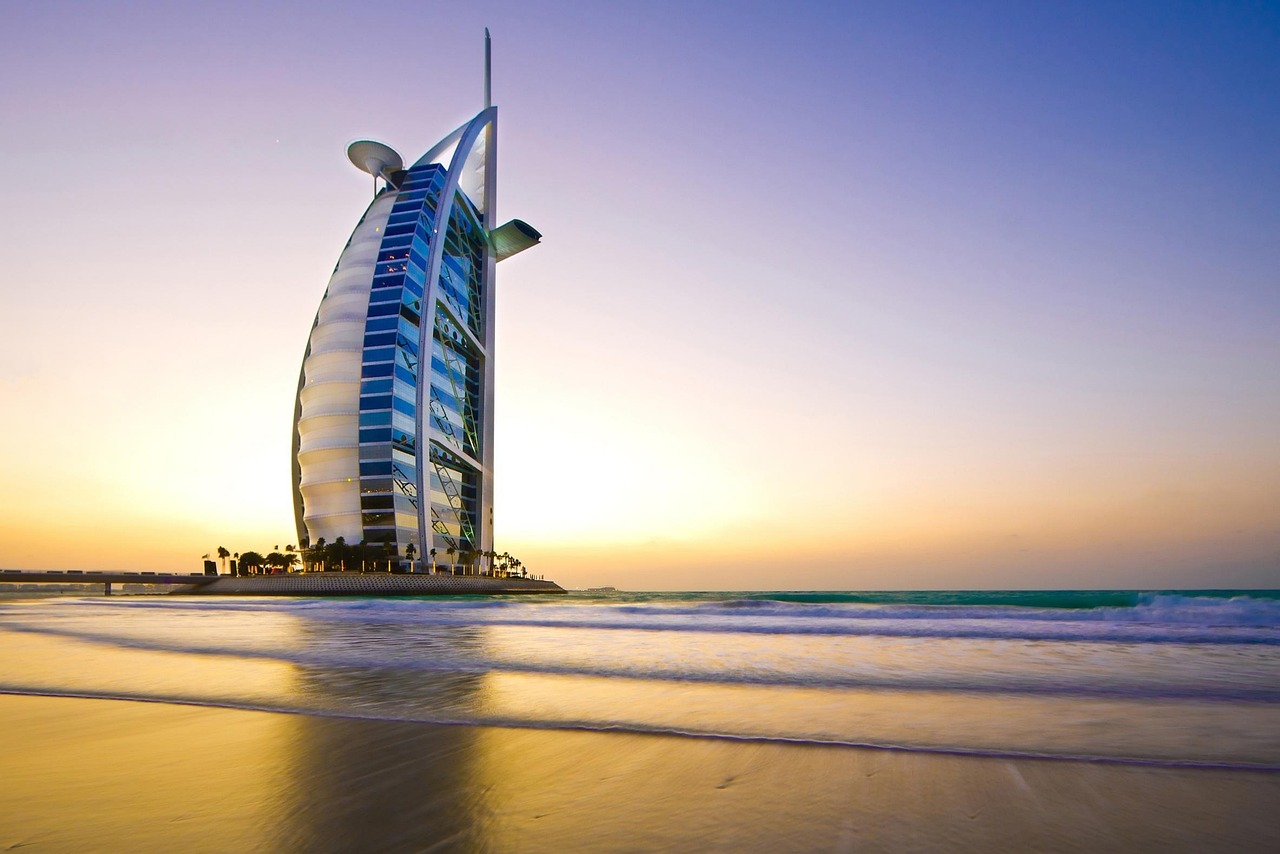
The sail-shaped Burj Al Arab is Dubai’s original showstopper. I’ve never splurged on a room (one day!), but I’ve found ways to enjoy its presence without an ultra-luxury budget.
Best way to see it: From the public beach just north of the hotel – often called Sunset Beach or Umm Suqeim Beach. I love coming here late afternoon: locals playing beach volleyball, kids chasing waves, and that iconic silhouette glowing as the sun dips into the Gulf.
Personal moment: I once packed a simple picnic from a nearby supermarket (labneh, olives, fresh Arabic bread, and hummus) and sat on the sand with friends until the sky turned indigo. The Burj Al Arab felt almost like a stage backdrop while real life played out on the beach.
Tips:
- For a splurge, book afternoon tea or sunset drinks at one of the Burj Al Arab’s restaurants – reservations are essential and act as your entry ticket.
- If you’re on a budget, stick to the beach views and walk along the Jumeirah Corniche path.
- This area is perfect for couples and families; the beach is relaxed and well-maintained.
3. Dubai Marina & JBR Walk
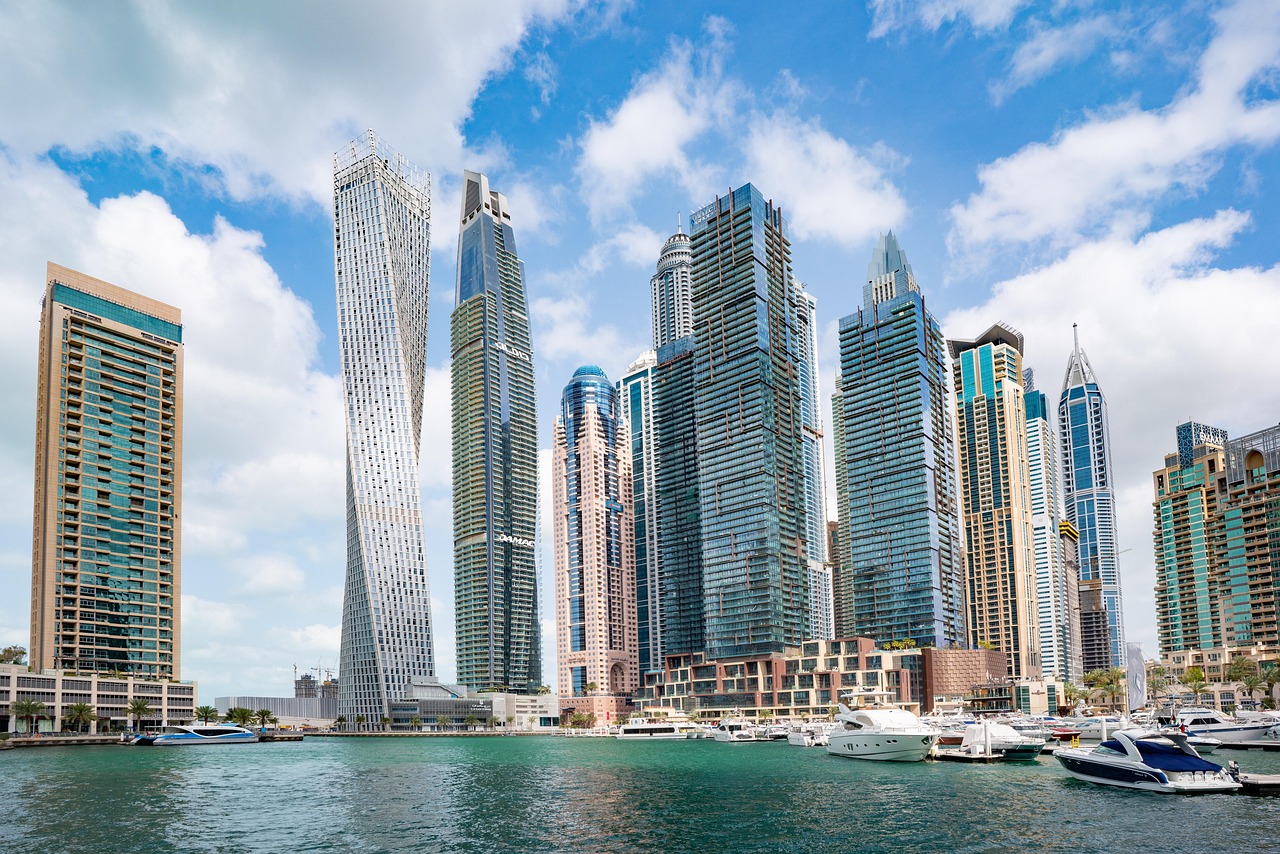
Dubai Marina is where I go when I want to remind myself that Dubai is, in fact, a coastal city and not just a cluster of malls and highways. The Marina’s twisting towers, yacht-lined canal, and palm-shaded promenades are especially gorgeous at night.
What I love doing here:
- Starting with a slow walk along The Walk at JBR, people-watching and grabbing a karak chai (spiced tea) from a food truck.
- Booking a budget-friendly dhow or yacht cruise around sunset – many include simple dinners and music. I’ve done this with friends and family, and it always gets a “wow” when the skyscrapers start lighting up.
- Cutting into the Marina Promenade for quieter views, especially near Marina Mall and the bridges.
Adventure angle: If you’re up for adrenaline, this is also the area for skydiving over the Palm (book well in advance). Watching the tiny parachutes drift down while sitting at a beach café never gets old.
Family-friendly? Very. There are playgrounds, beach activities, and lots of casual dining.
4. Dubai Mall & Dubai Aquarium
Even if you’re not a mall person, Dubai Mall is almost unavoidable – and honestly, it’s worth a few hours. I treat it as an indoor city rather than a shopping center.
Favorite corners:
- The Dubai Aquarium main tank, visible for free from the mall side – I’ve spent embarrassingly long just watching the rays and sharks glide past.
- The Dubai Ice Rink, where you’ll see everything from wobbly first-timers to serious skaters.
- The outdoor promenade facing the Burj Khalifa and fountains – ideal for evening strolls.
Tip: Don’t plan to “see it all” in one go; pick a few attractions and a section of shops or cafés, then move on. It can be overwhelming otherwise.
5. Al Fahidi Historical Neighbourhood (Bastakiya) & Dubai Creek
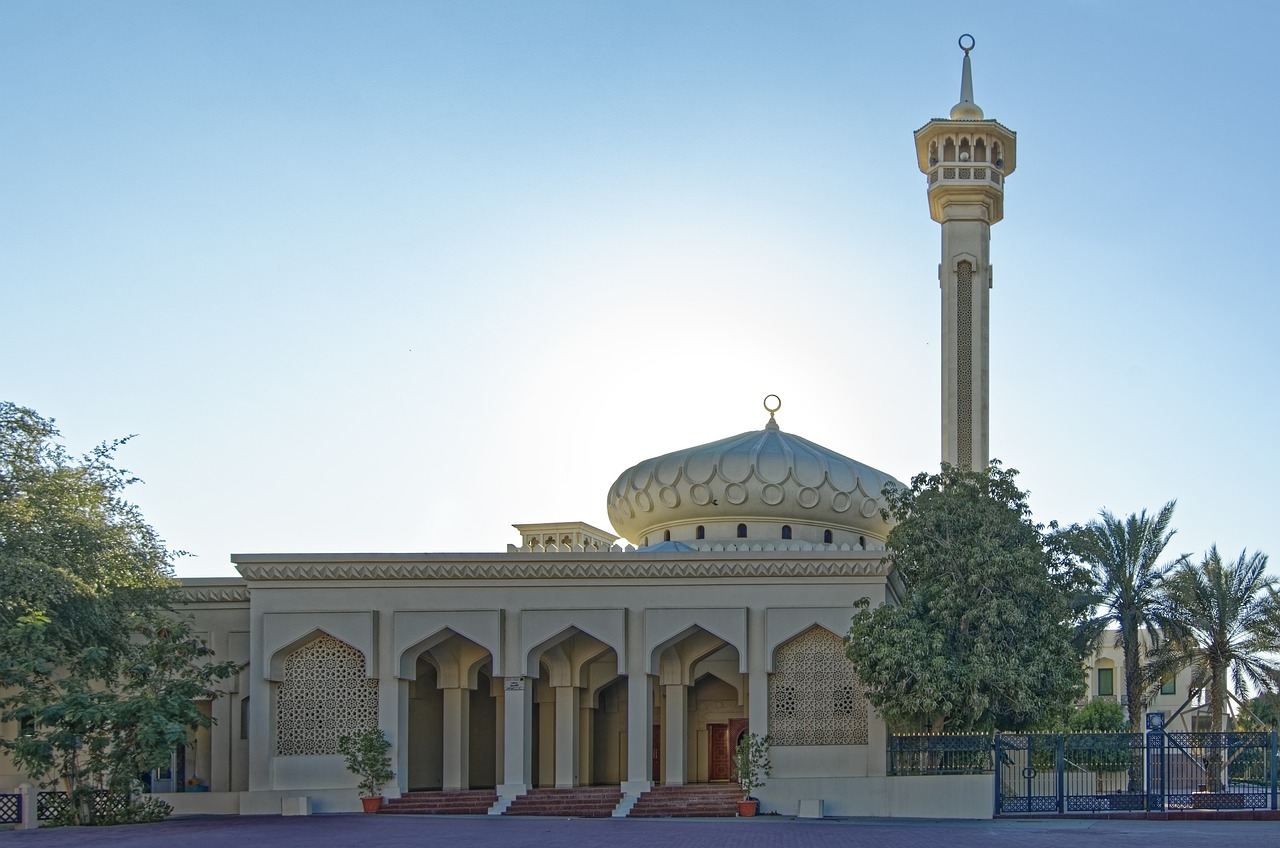
This is my favorite part of Dubai, hands down. Whenever I feel the city has become too shiny, I come back to Al Fahidi Historical District to reset.
What it feels like: Narrow lanes winding between sand-colored houses with wind towers, hidden courtyards, calligraphy galleries, and tucked-away cafés. There’s a hush here that’s rare in the rest of the city.
My ideal morning: I arrive around 9 am, when the light is soft and the tour buses haven’t fully arrived. I wander without a map, duck into the small museums, and always stop at the Coffee Museum to learn (again) how many ways you can brew a bean. Then I walk down to the Dubai Creek, hop on an abra (traditional wooden boat) for 1 AED, and let the short crossing to Deira remind me of Dubai’s trading roots.
Tip: Respect the slower pace here. It’s a great place to learn about cultural experiences in Dubai and the city’s history before all the skyscrapers.
6. Gold Souk & Spice Souk in Deira
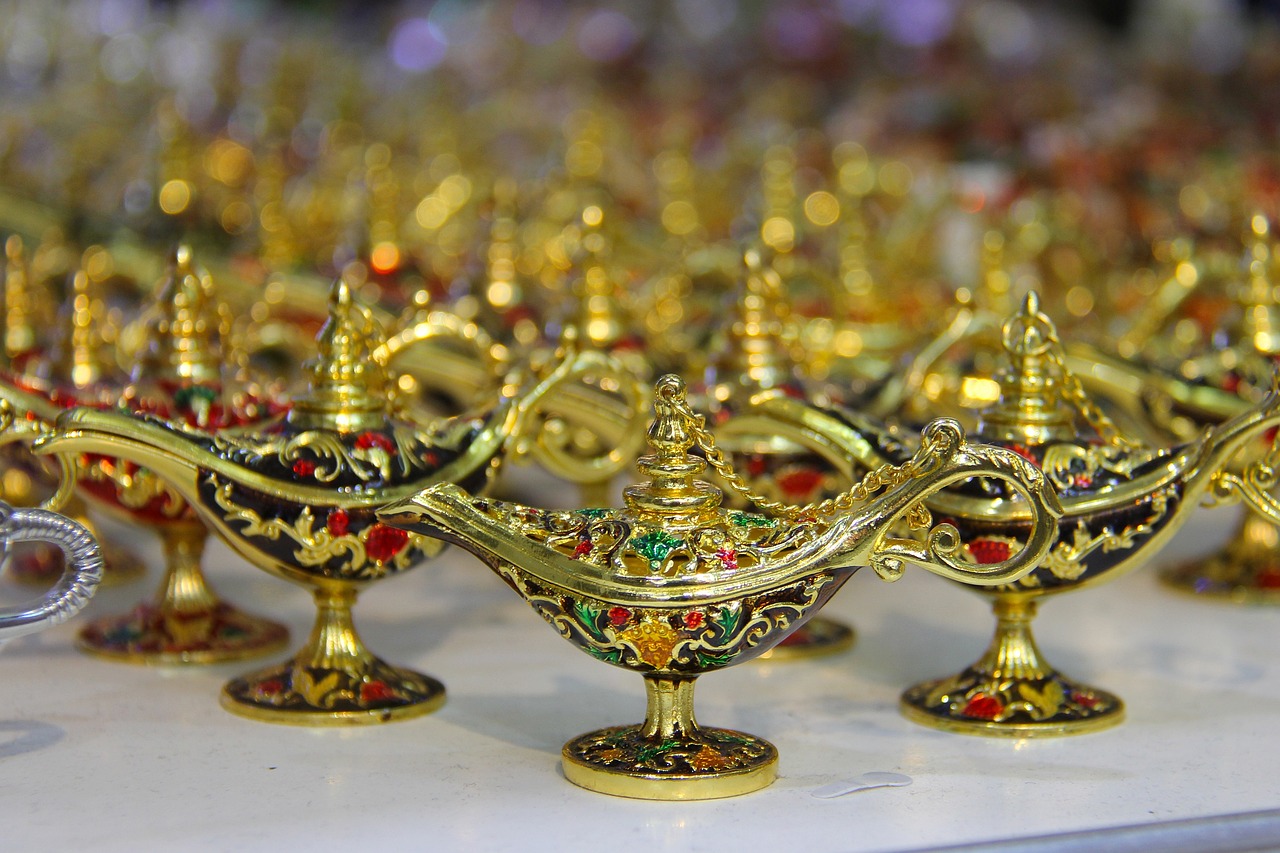
On the Deira side of the Creek, the Spice Souk and Gold Souk are a sensory overload in the best possible way.
Every visit, I promise myself I’ll just “browse,” and every time I end up with a bag of saffron, dried lemon, za’atar, and some tea blend I didn’t know I needed. Vendors will call out to you, but a friendly smile and “just looking, thank you” works fine if you’re not in the mood to shop.
Tips:
- Bargain politely – haggling is expected, especially for spices, souvenirs, and textiles.
- Check the current gold price if you’re seriously shopping for jewelry.
- Come in the late afternoon or early evening for the best atmosphere (and slightly cooler temps).
7. Desert Safari & Bedouin-Style Camp
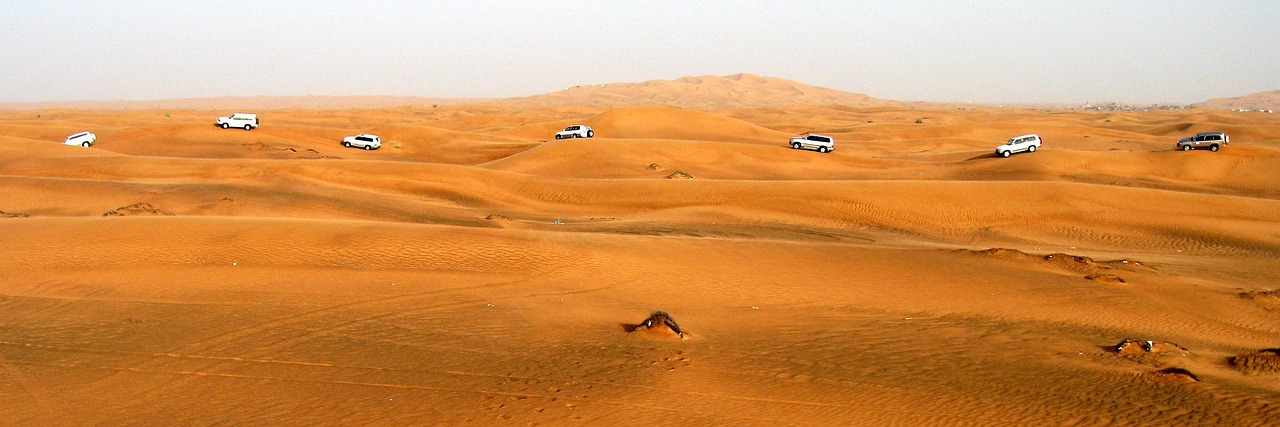
For all its glitter, Dubai’s soul lies in the desert. The first time I went on a desert safari, we drove out of the city for what felt like ages. Then, suddenly, the buildings disappeared, and it was just waves of sand glowing orange in the late sun.
What usually happens on a safari:
- Pickup from your hotel mid-afternoon.
- Dune bashing – a rollercoaster ride in a 4x4 over the dunes (you can ask your driver to go gentle if you’re nervous).
- Photo stops on high dunes, often timed with sunset.
- Evening at a desert camp with a buffet dinner, short camel rides, performances (often tanoura dance and sometimes fire shows), and henna art.
My advice: I prefer smaller, more eco-conscious operators that focus on desert ecology and culture rather than just the adrenaline rush. Ask about group size and whether they support conservation efforts.
Family or adventure? Both. Families usually love the camp atmosphere; adrenaline seekers focus on dune bashing, sandboarding, and quad biking.
8. Palm Jumeirah & Atlantis The Palm
Palm Jumeirah is one of those things you have to see from above to fully appreciate. From ground level, it feels like a string of beachfront resorts and residential towers; from the sky, it’s a feat of human audacity.
How I like to experience it:
- Take the monorail along the trunk of the Palm up to Atlantis The Palm. Sit on the front or back for the best views.
- Spend a few hours at Aquaventure Waterpark if you’re with kids or love water slides – it’s one of the best in the region.
- For a splurge, book a meal at one of Atlantis’s restaurants and stroll the resort grounds at night, when the pink façade is dramatically lit.
Adventure: The Palm is also the landing zone for the skydiving experience I mentioned earlier; seeing photos of yourself with the Palm beneath you is a once-in-a-lifetime souvenir.
9. Dubai Frame
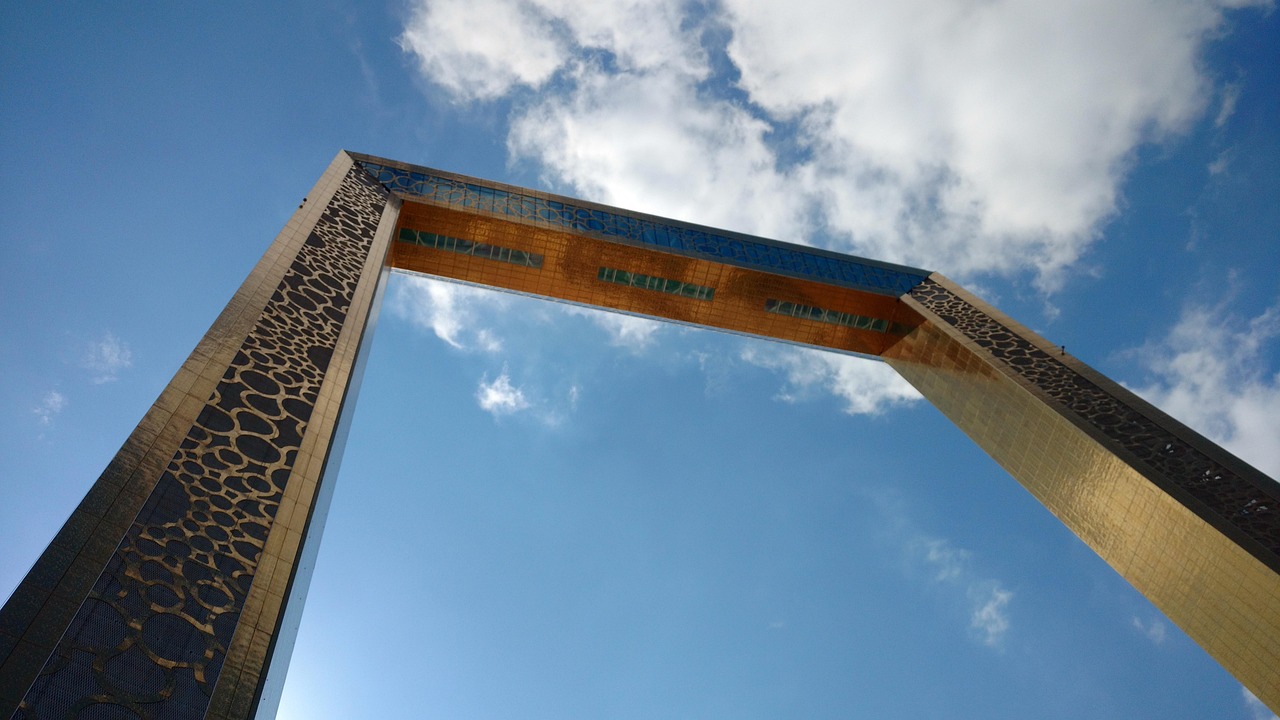
I’m convinced the Dubai Frame is one of the most underrated attractions in the city. The giant golden “frame” perfectly captures old Dubai on one side and new Dubai on the other – a literal snapshot of the city’s evolution.
Inside, there’s a small museum on Dubai’s past and future, but the highlight is the sky deck with a glass floor strip. Kids squeal, adults pretend not to be nervous, everyone takes photos.
Tip: Aim for late afternoon to catch both daylight and early evening lights. It’s also an excellent spot for photographers, with symmetrical compositions everywhere.
10. Bluewaters Island & Ain Dubai (Ferris Wheel)
Bluewaters Island is a relatively new addition to Dubai’s coastline – think chic eateries, waterfront strolls, and the massive Ain Dubai observation wheel (operations have varied in recent years, so check current status before you go).
I love coming here in the early evening, walking across from JBR via the pedestrian bridge, and watching the colors shift on the wheel’s structure as night falls. The views back towards JBR and the Marina are stunning.
11. Global Village
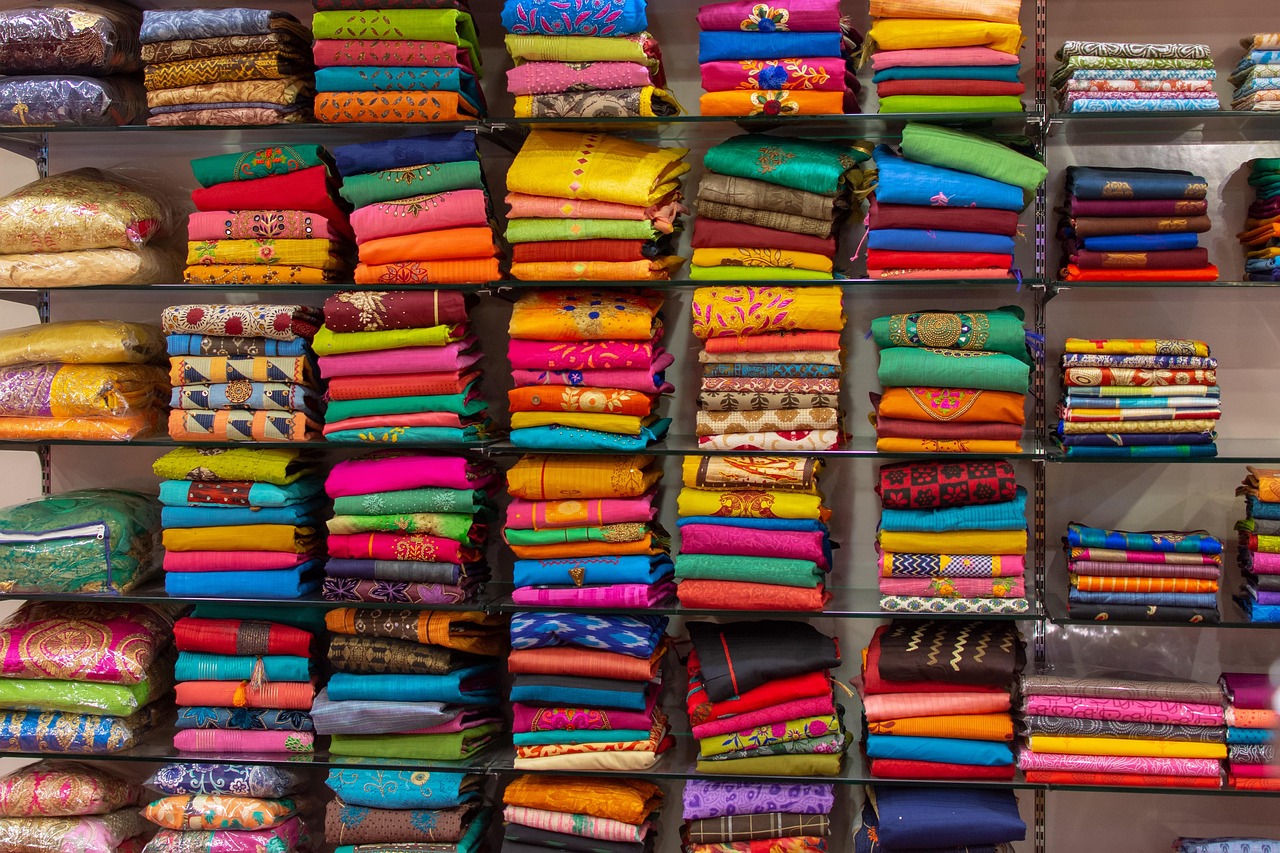
If you’re visiting between late October and April, Global Village is one of the most joyful, chaotic, and surprisingly affordable nights out in Dubai. It’s like a world’s fair meets theme park.
Each country pavilion sells food, handicrafts, and snacks. I’ve made a game of “dinner by continent” here – starting with Turkish gözleme, nibbling on Yemeni honey, then ending with kunafa from the Palestinian or Jordanian stalls.
Family-friendly? 100%. Rides, shows, fireworks on some nights, and endless food. Go hungry.
12. Dubai Miracle Garden
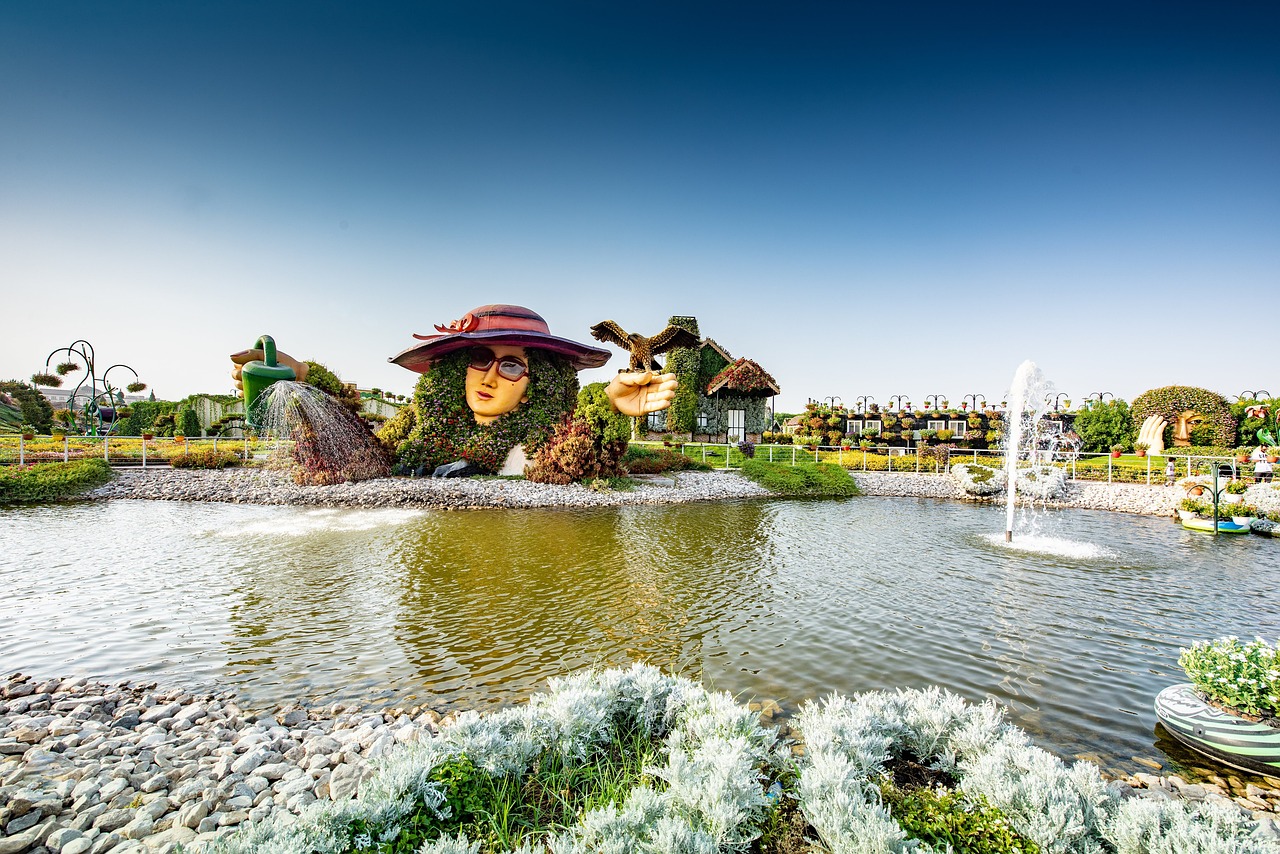
Only Dubai would build a gigantic flower garden in the desert. Open in the cooler months, Dubai Miracle Garden is a riot of colors and shapes – floral castles, hearts, even a full-size airplane covered in blooms.
I’m not usually a floral-theme-park person, but I found myself grinning like a kid here. It’s one of the best Instagram spots in the city, but also just a pleasant, fragrant place to wander.
13. Museum of the Future
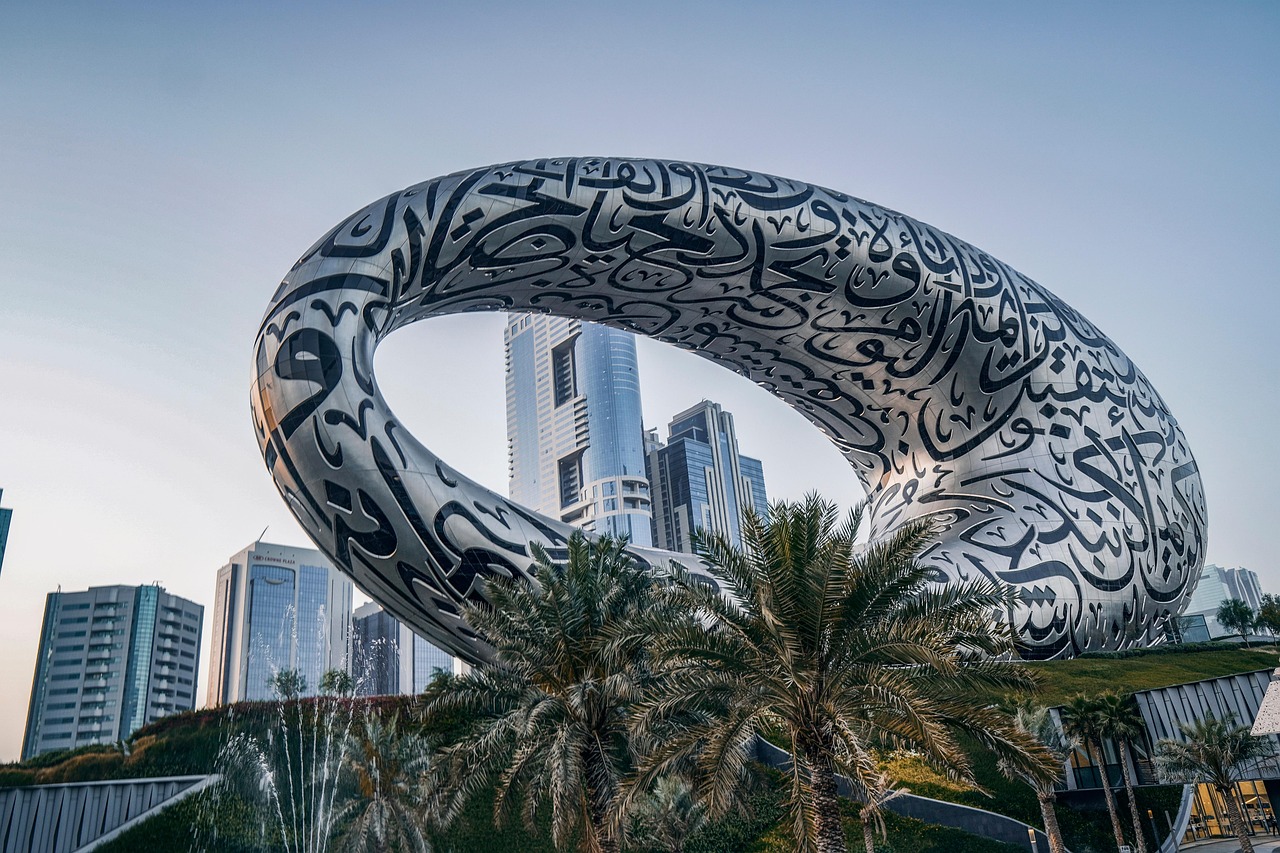
The Museum of the Future is one of the most striking buildings in Dubai – a silver ring inscribed with Arabic calligraphy, hovering above Sheikh Zayed Road. Inside, it’s an immersive journey into speculative futures: climate, health, space, technology.
Personal take: I loved how interactive it was. This isn’t a passive museum; you’re encouraged to touch, explore, and imagine. It’s especially good if you’re traveling with curious teens or anyone into science and design.
Tip: Tickets sell out, so book ahead online, especially for weekends.
14. Dubai Opera & Downtown Boulevard
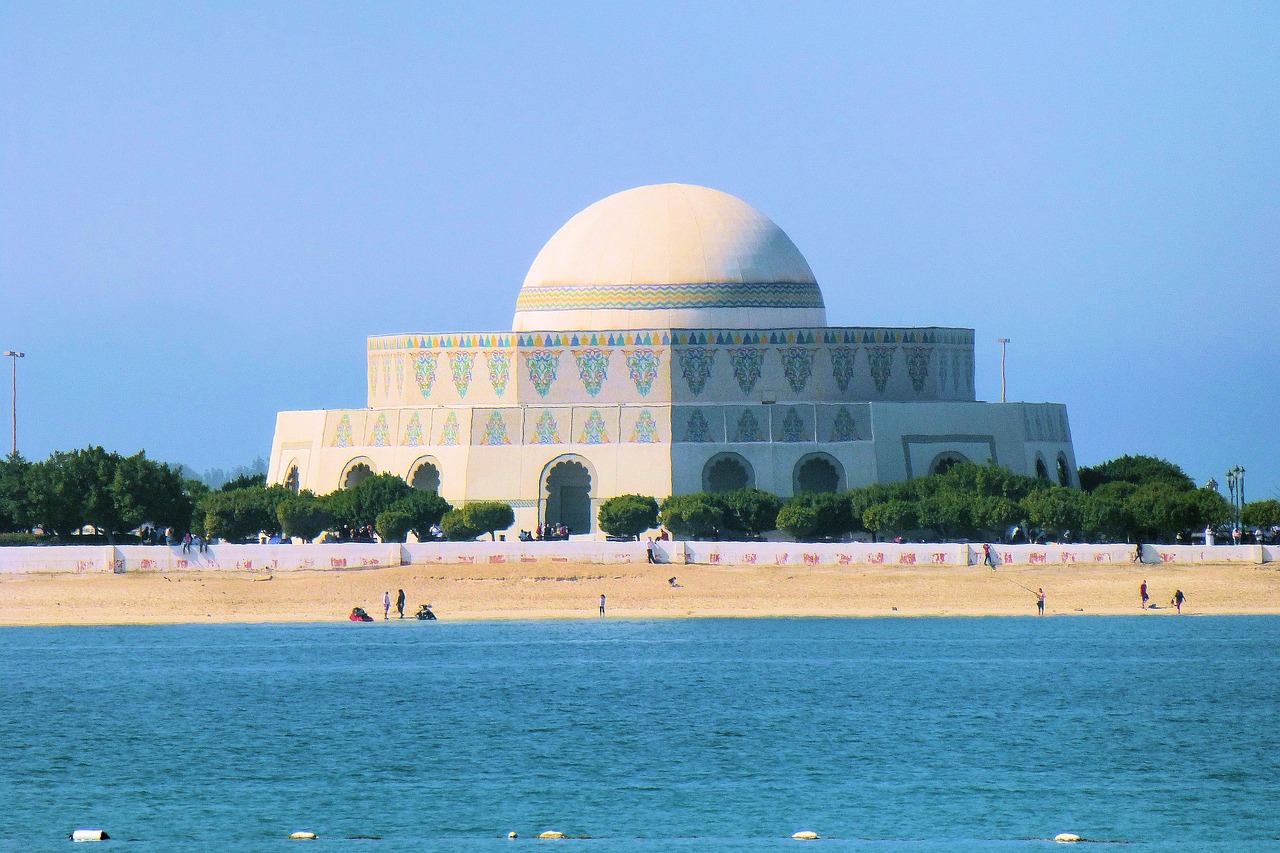
Set in Downtown Dubai, the dhow-shaped Dubai Opera is the city’s cultural heart. I’ve seen everything from ballet to Arabic concerts here, and the acoustics are excellent.
Even if you don’t catch a show, walking around the Opera District in the evening – with views of the Burj Khalifa and fountains – feels like being in an open-air gallery of glass and steel.
15. La Mer Beachfront
La Mer is where I go when I want a casual beach day without heading too far from the city center. Colorful beach huts, street art, shower facilities, cafes, and a laid-back vibe make it easy to spend a full afternoon here.
Tip: Come in the late afternoon to avoid the worst of the heat, then stay for dinner at one of the waterfront restaurants.
16. City Walk
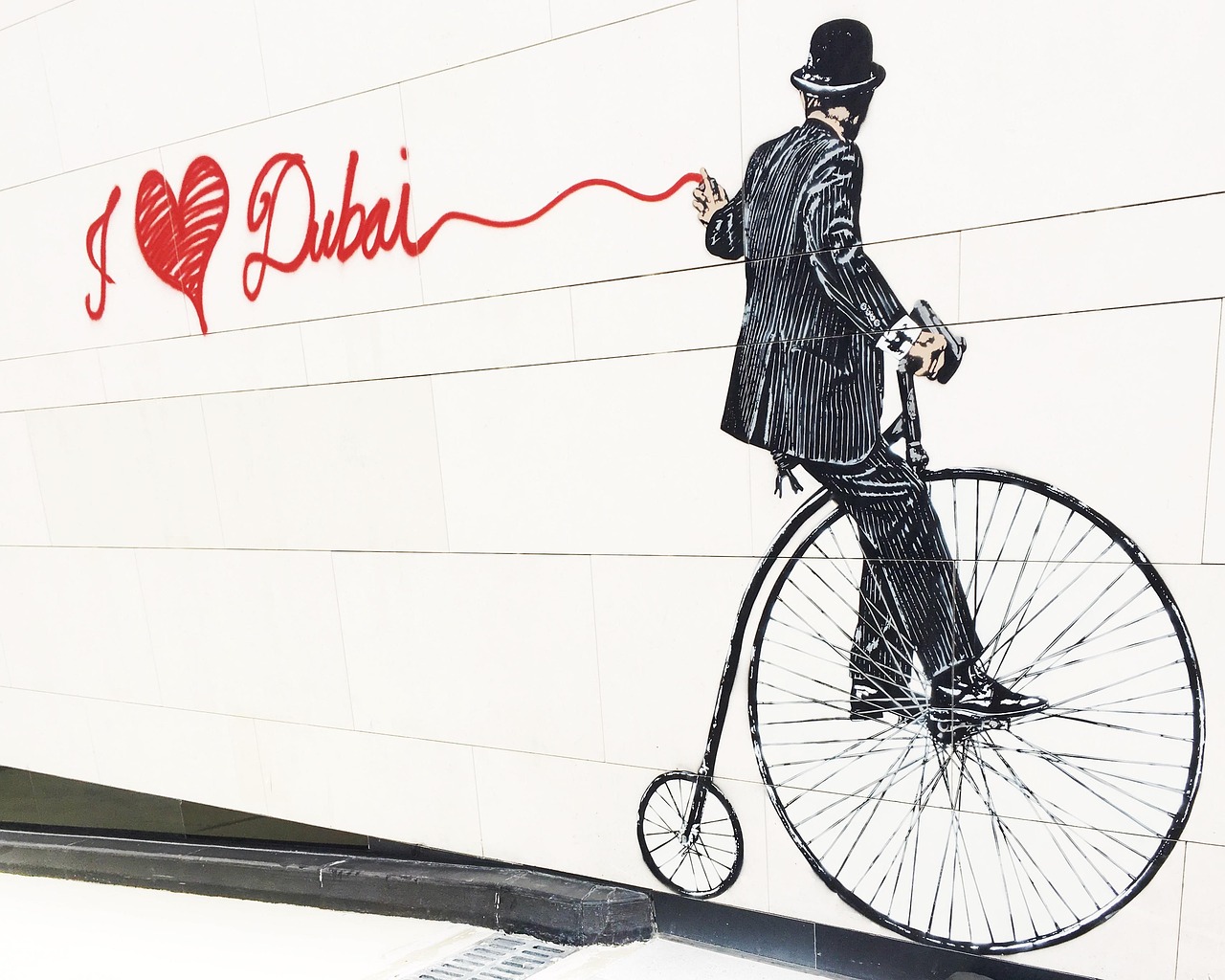
City Walk is an open-air district mixing shopping, dining, and art installations. I like it for its walkability – something you start to crave after a few days in a car-heavy city.
I often end a day here with coffee and a lazy stroll, admiring murals and people-watching. It’s popular with locals and expats, especially on weekend evenings.
18. Alserkal Avenue
In Al Quoz’s industrial backstreets, Alserkal Avenue is Dubai’s creative hub: galleries, warehouses turned into performance spaces, indie cafés, and concept shops.
I love coming here on cooler evenings for exhibition openings or just to browse and feel the city’s artistic pulse. If you think Dubai is all malls and bling, Alserkal will change your mind.
19. Jumeirah Mosque
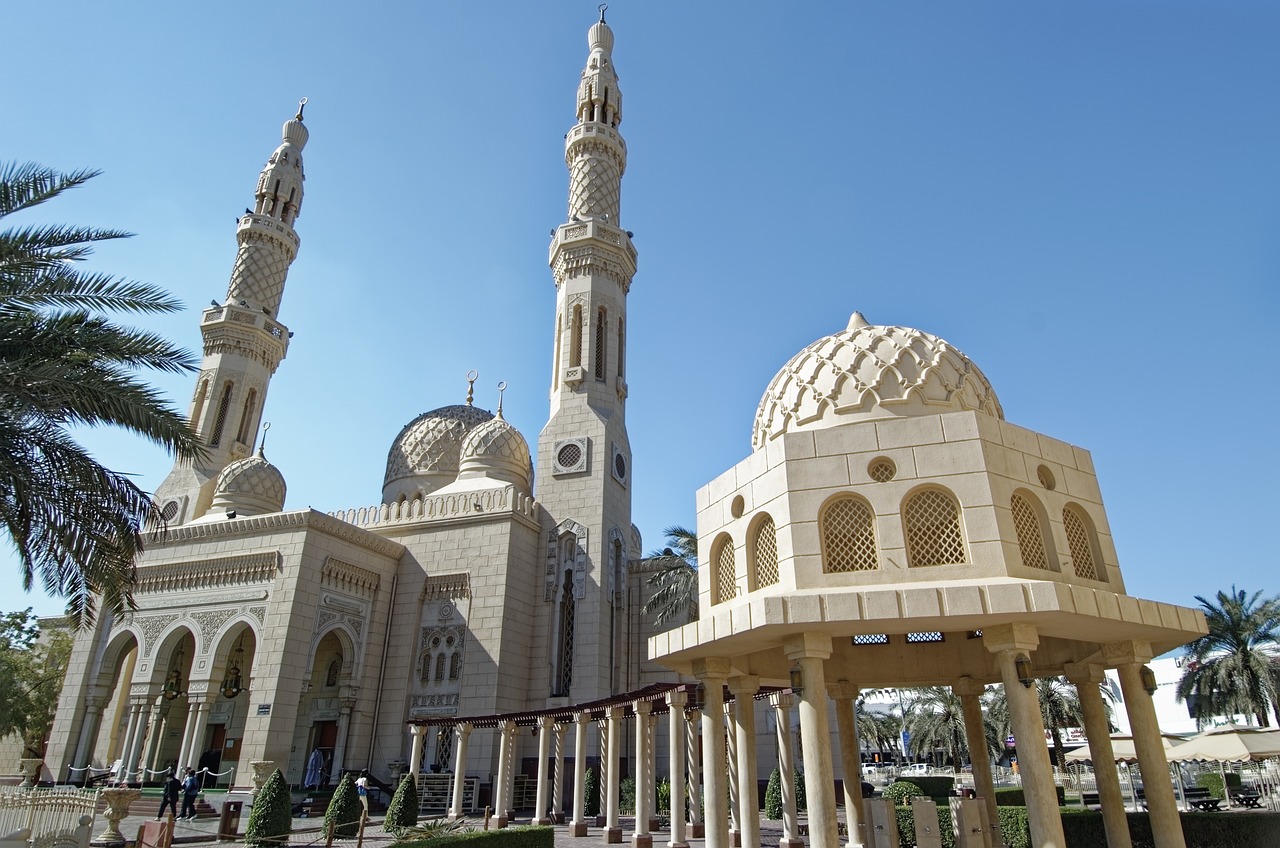
Jumeirah Mosque is one of the few mosques in Dubai open to non-Muslim visitors, with excellent guided tours that explain Islamic traditions and daily life.
The first time I joined a tour, I appreciated how open and welcoming it was – nothing felt off-limits to ask. It’s one of the best cultural experiences in Dubai and a must if you want to understand local customs more deeply.
20. Dubai Parks and Resorts
If you’re traveling with kids or just love theme parks, Dubai Parks and Resorts – which includes MOTIONGATE, LEGOLAND, and others – can easily fill a day.
I’m not a hardcore theme-park person, but I had a surprisingly fun day here with friends, hopping between film-themed rides and eating too much theme-park food. It’s a bit of a drive from the main city, so plan it as a full-day outing.
Itineraries: 3, 4 & 5 Days in Dubai
Let’s stitch these places into real, lived days. I’ll outline a 3 day itinerary for Dubai and expand it into 4 day and 5 day itineraries, so you can adjust based on how long you’re staying.
3 Days in Dubai: Classic Highlights with a Taste of Old & New
Day 1: Downtown Icons – Burj Khalifa, Dubai Mall & Dubai Fountain
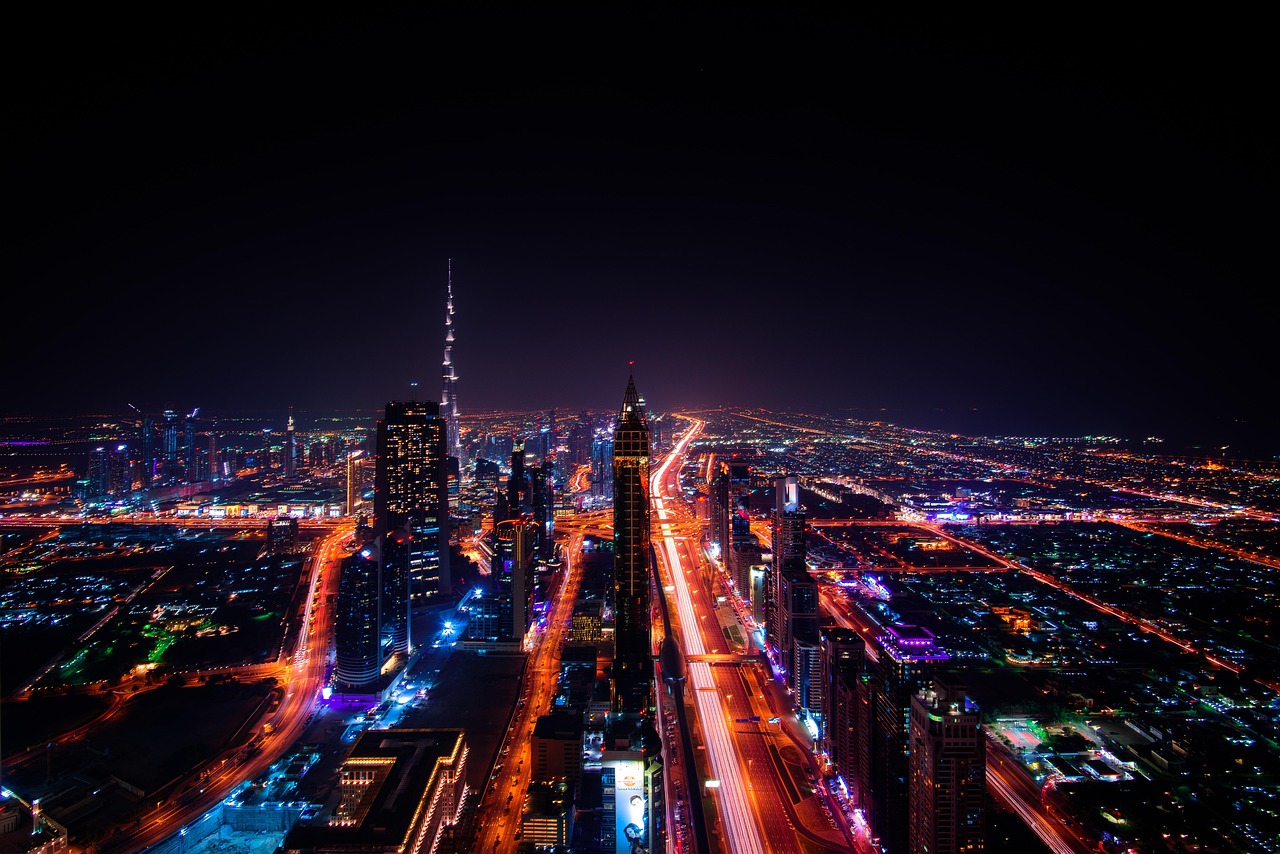
I like starting first-timers in Downtown – it’s the Dubai of postcards and instantly orients you in the city’s shiny side.
Morning:
- Arrive at Dubai Mall around opening time. Wander its quieter corridors, grab coffee overlooking the ice rink, and peek at the Dubai Aquarium tank.
- Book a late-morning or early-afternoon Burj Khalifa “At the Top” slot if you prefer fewer crowds and lower prices.
Afternoon:
- Have lunch at one of the many restaurants with outdoor terraces facing the fountains (I like to head towards Souk Al Bahar’s side for better views and slightly calmer vibes).
- Explore Souk Al Bahar – it’s touristy but atmospheric, with mashrabiya-style woodwork and views back to the Burj.
Evening:
- Stay for the Dubai Fountain shows (evening, every 30 minutes). Watch at least two; each has different music and choreography.
- Walk along the promenade and, if you still have energy, detour to see Dubai Opera from the outside.
Personal note: My first day back in Dubai after any long absence almost always looks like this. The moment the fountains start and the Burj lights up, it feels like, “Okay, I’m back.”
Day 2: Old Dubai – Al Fahidi, Creek, Souks & Dubai Frame
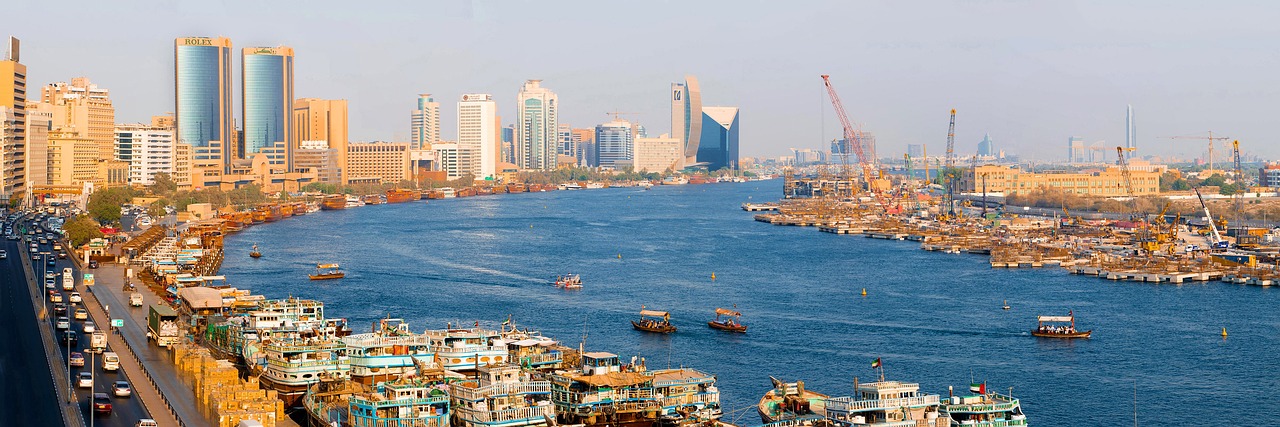
Morning in Al Fahidi: Start early in the Al Fahidi Historical District. Wander the lanes, visit the Dubai Museum (if open/renovated as per 2026 status) or small heritage museums, and stop for traditional Emirati breakfast at a courtyard café – think balaleet (sweet vermicelli with egg) and chebab (pancakes) with date syrup.
Midday on the Creek: Walk to the Creek and take an abra to Deira. Stand at the edge, feel the water spray, and imagine this waterway bustling with dhows from Iran, India, and East Africa centuries ago.
Afternoon in the Souks:
- Explore the Spice Souk and Gold Souk. Taste a sample if offered, ask about spice blends, and don’t be shy about bargaining.
- Grab a simple lunch nearby – shawarma or falafel sandwiches are cheap and delicious.
Late Afternoon / Evening: Head to the Dubai Frame for golden hour. It’s the perfect way to visually connect the old areas you just explored with the skyscraper-filled “new” Dubai.
Day 3: Coast & Desert – Marina, JBR & Evening Desert Safari
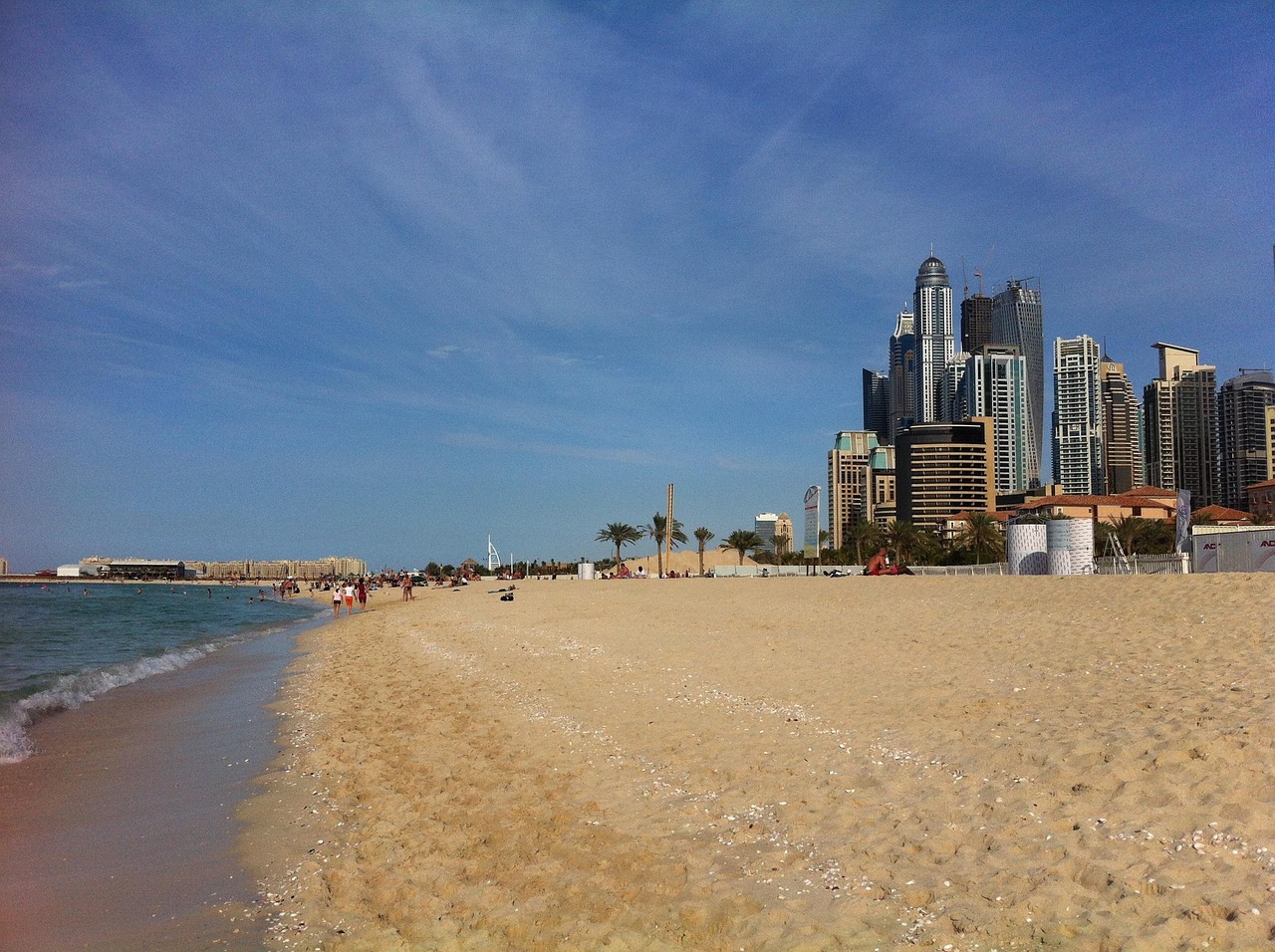
Morning in Dubai Marina & JBR: Start with a relaxed breakfast at a café along JBR or the Marina Promenade. Walk the beach, maybe dip in the sea (more refreshing in winter months), and enjoy the skyscraper canyon views.
Midday: Keep lunch light – you’ll likely have a big dinner at the desert camp. Use this time for last-minute shopping or a quick rest at your hotel.
Afternoon & Evening Desert Safari:
- Get picked up for your desert safari mid-afternoon.
- Enjoy dune bashing, sunset photos, and the evening camp with dinner and shows.
- Return late evening, pleasantly exhausted and sandy.
4 Days in Dubai: Adding Palm Jumeirah & Beach Time
For a 4 day itinerary for Dubai, follow the 3-day plan and add:
Day 4: Palm Jumeirah, Atlantis & La Mer
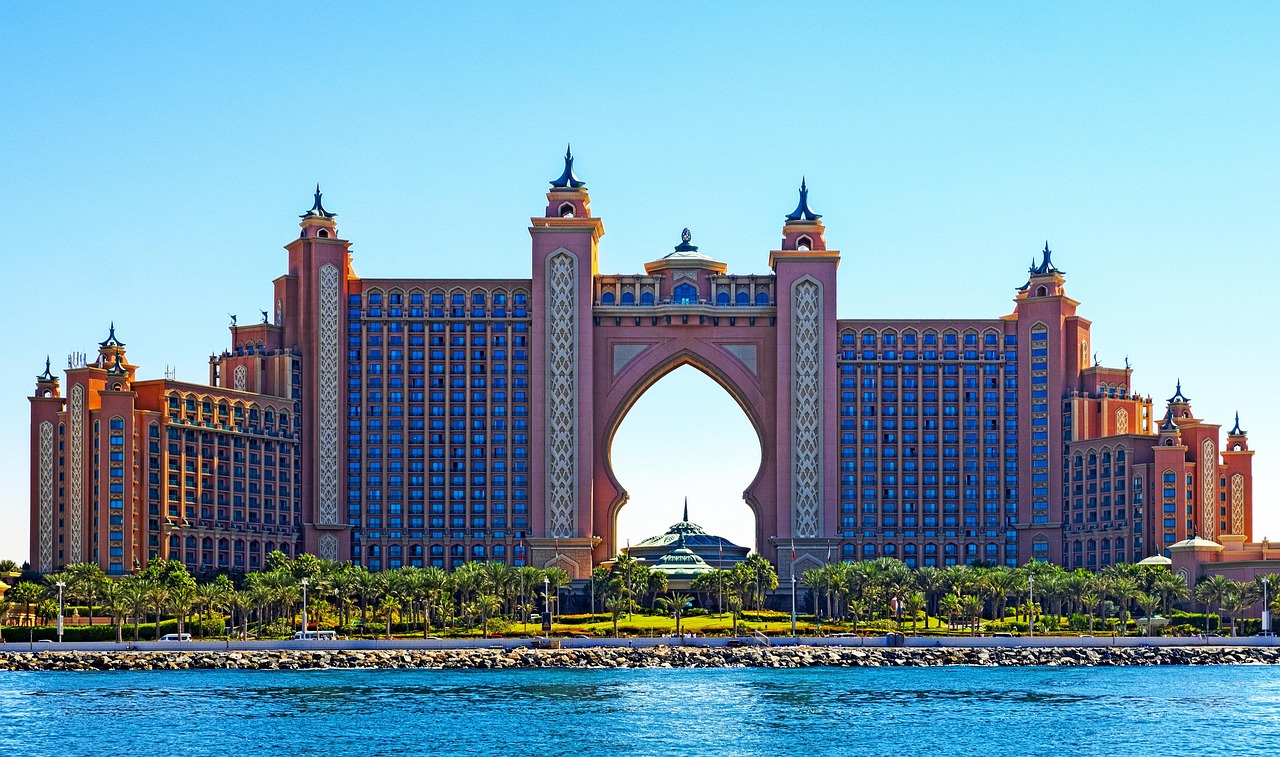
Morning: Head to Palm Jumeirah. Ride the monorail to Atlantis, take photos of the gateway arch, and, if you’re into water parks, spend a half or full day at Aquaventure.
Afternoon: If you didn’t do the waterpark, have a leisurely lunch on the Palm, then head back to the mainland.
Late Afternoon / Evening: Relax at La Mer – swim, stroll, or just lounge with a coffee. Stay for sunset and dinner by the water.
This extra day balances the high-energy pace of the first three with more sea air and downtime.
5 Days in Dubai: Culture, Art & Neighborhoods
For a 5 day itinerary for Dubai, follow the 4-day plan and add:
Day 5: Museum of the Future, Alserkal Avenue & City Walk
Morning: Visit the Museum of the Future. Give yourself time to play and interact – it’s not a “rush-through” museum.
Afternoon: Head to Alserkal Avenue in Al Quoz. Have lunch at one of the creative cafés, wander the galleries, and check if any talks or performances are scheduled (many events pop up seasonally).
Evening: End the day at City Walk for dinner and a relaxed stroll. This is a great night to meet Dubai-based friends if you have any – many locals enjoy this area.
By now, you’ll have seen not just the “things to do in Dubai,” but also how residents actually move through and enjoy the city.
Interesting Neighborhoods & Areas in Dubai
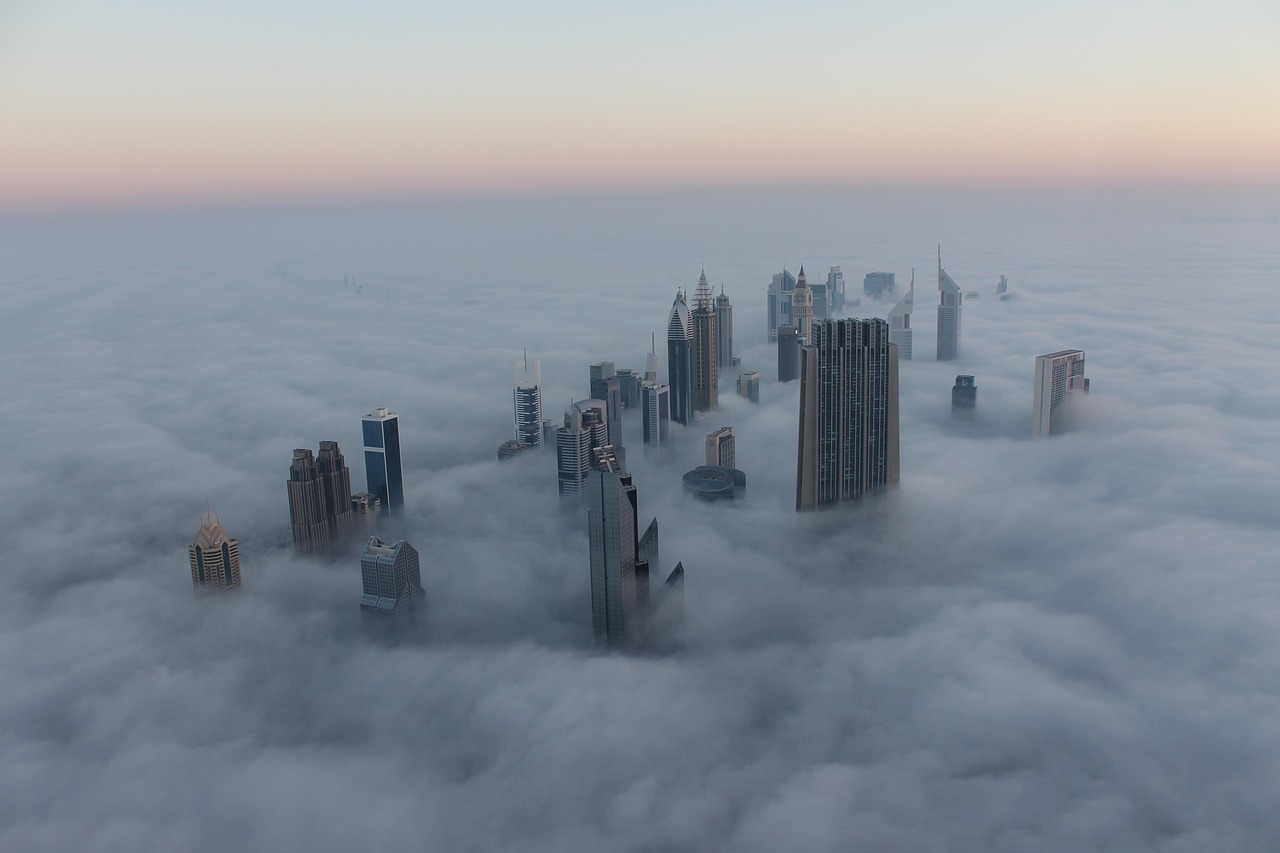
Understanding Dubai’s neighborhoods helps you plan where to stay and how to spend evenings.
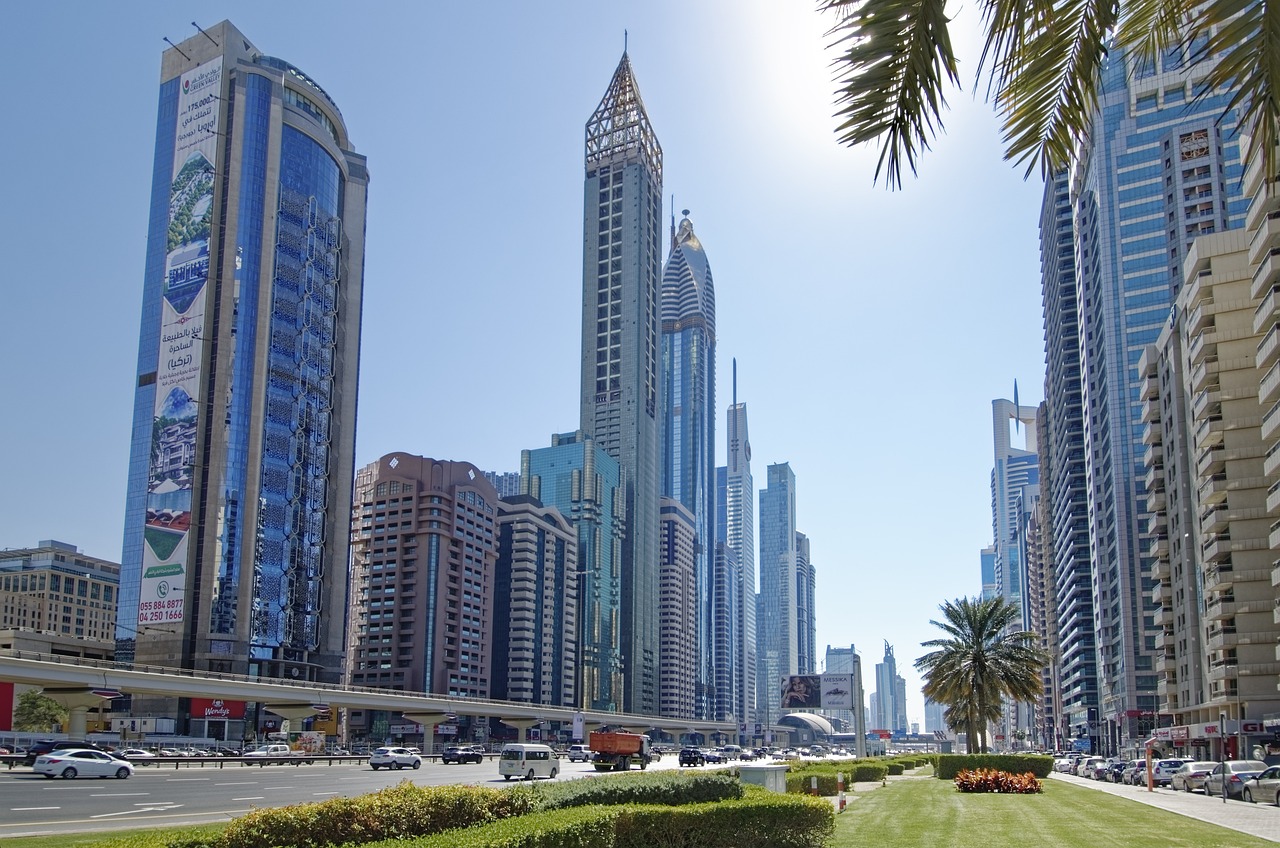
- Downtown Dubai: Home to Burj Khalifa, Dubai Mall, Dubai Opera. Polished, central, great for first-timers. Hotels are pricier but convenient.
- Dubai Marina & JBR: Skyscrapers, beaches, and nightlife. Ideal if you want a coastal base with lots of restaurants and a social vibe.
- Deira & Bur Dubai: Old Dubai around the Creek, souks, heritage areas. More budget-friendly; great for culture lovers and food explorers.
- Jumeirah: Beachfront villas, cafés, Jumeirah Mosque, La Mer. Calm, residential feel with pockets of activity.
- Business Bay: Modern high-rises, canal walks, quickly growing food scene. Good compromise between Downtown access and slightly better hotel value.
- Al Quoz: Industrial but artsy, home to Alserkal Avenue. Not where you’d stay as a tourist, but worth a visit.
Local Food in Dubai & Where to Eat
Dubai’s food scene is a reflection of its population: Emirati flavors alongside Indian, Pakistani, Levantine, Iranian, Filipino, and more. You can eat a 300 AED tasting menu one night and a 10 AED shawarma the next – I recommend doing both.
Must-Try Dishes
- Machboos: Spiced rice with meat or seafood, a classic Emirati dish.
- Luqaimat: Fried dough balls drizzled with date syrup and sesame.
- Shawarma & Falafel: Street-food staples; cheap, filling, and everywhere.
- Grilled Hammour: Local fish, best eaten fresh by the sea.
- Karak chai: Strong, sweet, milky tea with cardamom – my daily addiction when I’m in town.
Where I Like to Eat (A Mix of Budget & Mid-Range)
- Al Fahidi & Bur Dubai: Small Emirati cafés for breakfast; Indian and Pakistani canteens for cheap, fantastic curries.
- Deira: Old-school kebab joints and seafood spots; look for busy places packed with workers at lunchtime.
- JBR & Marina: Trendier, pricier, but excellent for international cuisine and waterfront dining.
- Global Village (seasonal): A world food tour in one night.
Money-saving tip: Eat your big meal at lunch. Many restaurants run set menus or business lunches that are far cheaper than dinner.
Cultural Etiquette & Local Customs in Dubai
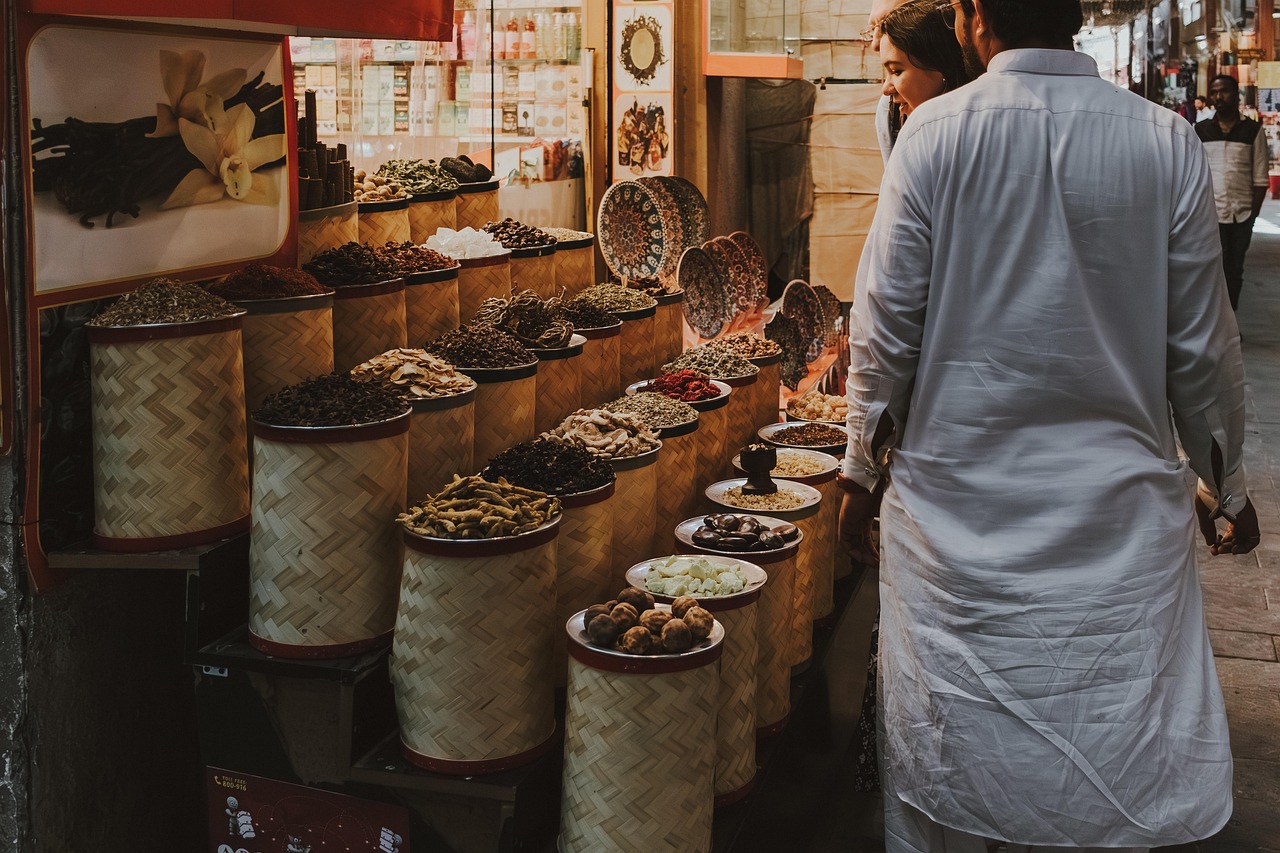
Dubai is cosmopolitan and relaxed compared to many cities in the region, but it’s still rooted in Emirati and Islamic traditions. Knowing a few basics of local customs in Dubai goes a long way.
- Dress: Modest clothing in mosques and government buildings; in malls, cover shoulders and knees as a sign of respect. Beachwear is fine at pools and beaches, but not in city streets.
- Alcohol: Only in licensed venues (hotels, many restaurants, some clubs). Public drunkenness is not tolerated.
- Public displays of affection: Keep it low-key; hand-holding is generally fine, anything more is best kept private.
- Photography: Ask before photographing people, especially women and families. Avoid taking photos of government and military buildings.
- Ramadan: During the holy month, eating and drinking in public during daylight is restricted or discouraged; many restaurants still serve in curtained areas. Nights are wonderfully lively with iftar (breaking fast) buffets and social gatherings.
Nightlife, Entertainment & Cultural Experiences
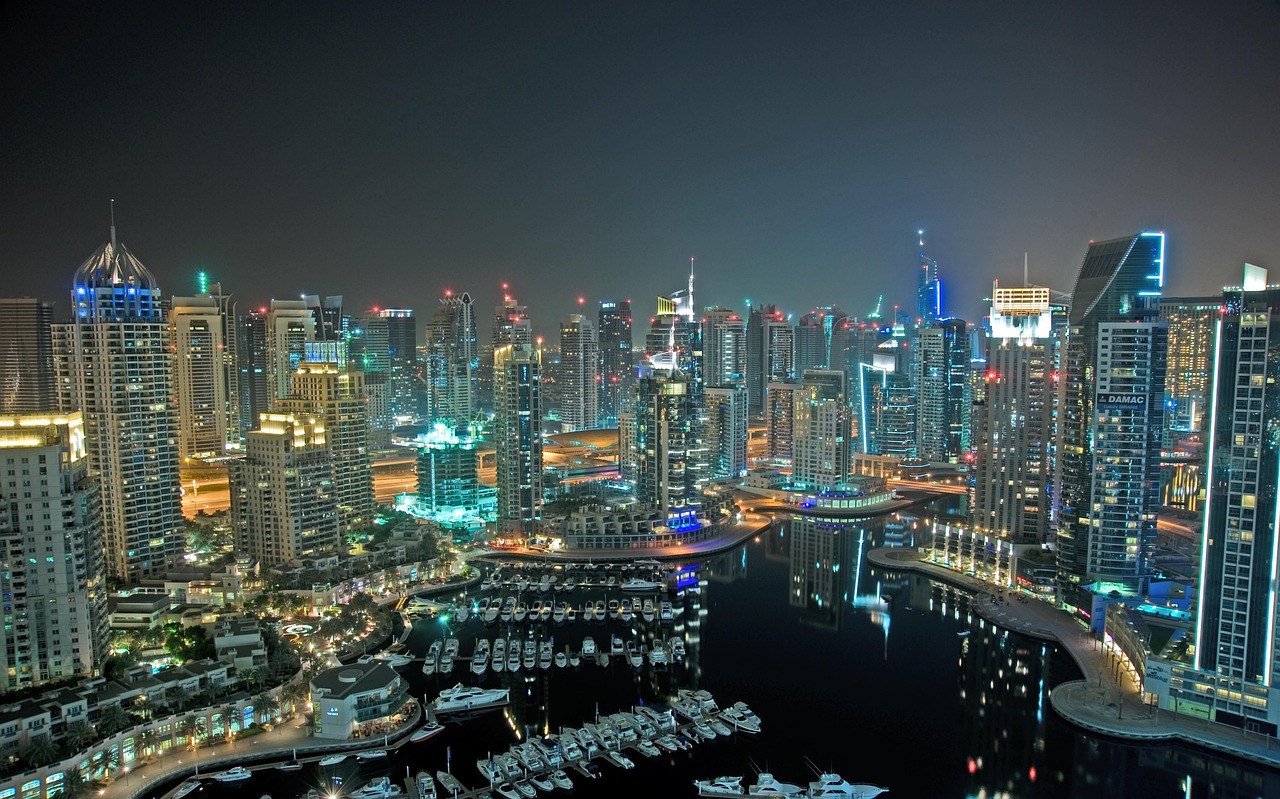
Dubai’s nightlife ranges from rooftop lounges with skyline views to shisha cafés and cultural shows.
Nightlife
- Rooftop bars: Look for spots in Downtown, Business Bay, and the Marina. Views are the main event.
- Beach clubs: Along JBR and the Palm; some are family-friendly by day, party spots by night.
- Shisha cafés: Popular with locals and expats alike; a more low-key, social way to spend an evening.
Cultural Experiences
- Jumeirah Mosque tours: Insight into Islamic practices and Emirati life.
- Dubai Opera: Check the 2026–2027 schedule for ballet, concerts, and local performances.
- Alserkal Avenue events: Film nights, talks, and art openings – check their calendar when you’re in town.
Day Trips & Nearby Attractions from Dubai
- Abu Dhabi: About 1.5 hours by car. Visit the Sheikh Zayed Grand Mosque, Louvre Abu Dhabi, and Corniche. Organized tours available if you don’t want to drive.
- Hatta: Mountain escape with kayaking on Hatta Dam, hiking, and heritage village. Cooler than Dubai, especially in winter.
- Sharjah: The cultural capital next door, with excellent museums and a more traditional feel. An easy half-day or full-day trip.
Practical Travel Tips for Dubai (2026)
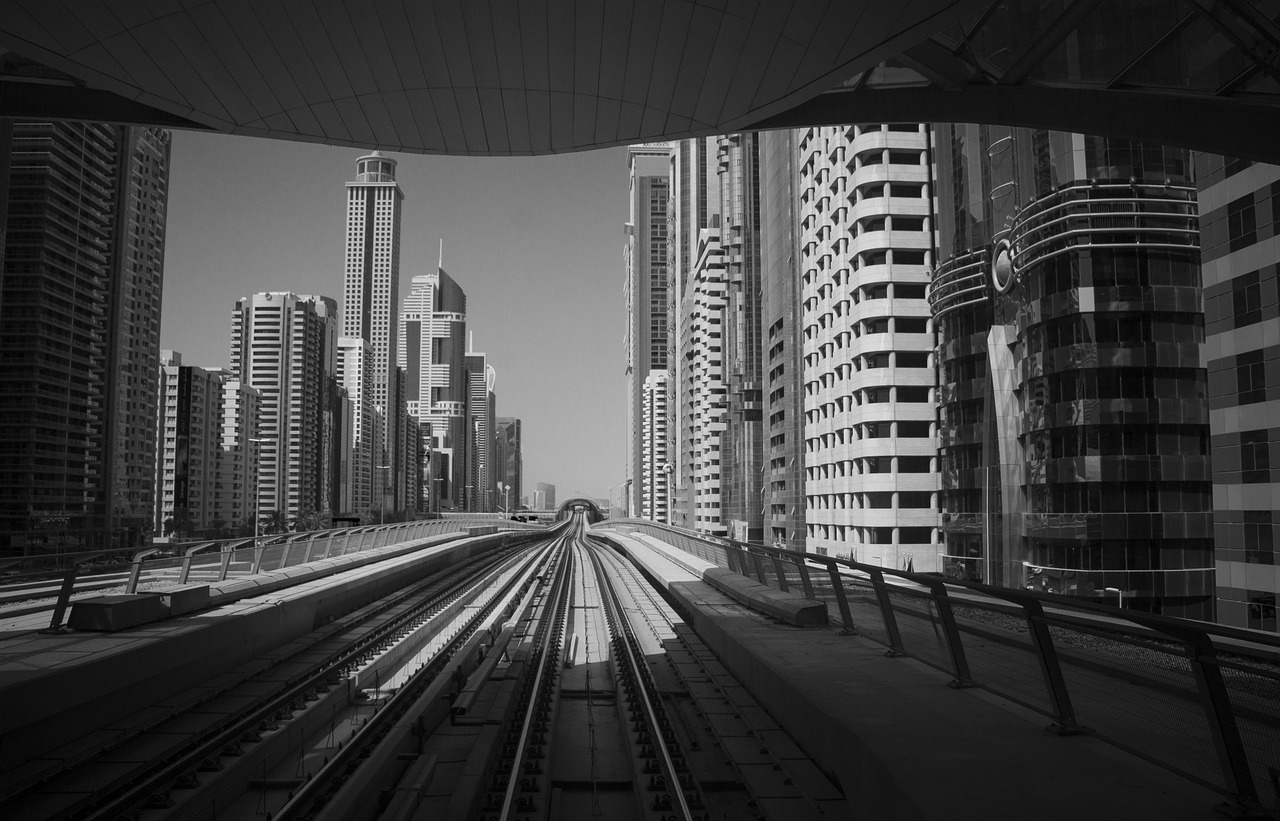
Getting Around: Metro, Taxis & Car Rental
- Metro: Clean, safe, air-conditioned. Great for connecting the airport, Downtown, Deira, and parts of the Marina/Palm areas via tram.
- Buses & Tram: Useful in certain areas; all use the same Nol card system.
- Taxis & Ride-hailing: Plentiful and relatively affordable compared to many Western cities. Use the official cream-colored taxis or apps.
- Car rental: Easy, especially at the airport. Good if you plan day trips or stay in multiple areas, but consider traffic and parking costs.
SIM Cards & Connectivity
- Buy a tourist SIM at the airport from major providers. Packages typically include data and local calling minutes.
- Wi-Fi is widespread in malls, hotels, and many cafés.
Money & Saving Tips
- Cards vs Cash: Cards accepted almost everywhere; keep some cash for small shops and souks.
- Save on food: Eat where office workers eat at lunchtime; avoid only dining in hotel restaurants.
- Attractions: Look for combo tickets and online discounts, especially for Burj Khalifa, theme parks, and desert safaris.
Visas & Driving
- Visa requirements: Many nationalities get visa on arrival; others need to apply in advance. Always check official UAE government sources before you book.
- Driving licenses: Tourists can usually rent with an international driving permit plus their home license (depending on country agreements). Check with your rental company in advance.
When to Visit Dubai & 2026–2027 Events
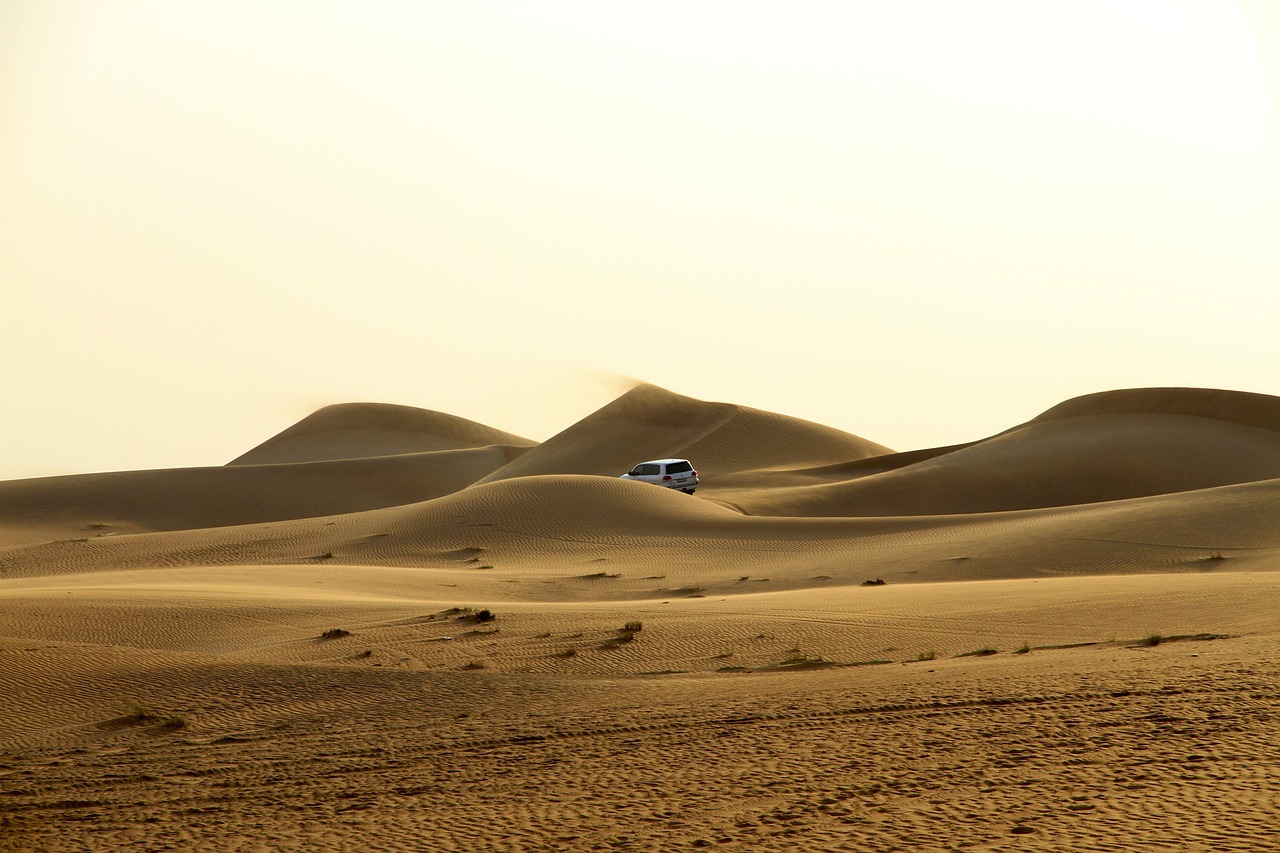
Best Seasons
- November–March: Ideal weather for beaches, outdoor cafés, and desert trips. High season for prices.
- April & October: Shoulder seasons – still warm, but more bearable than peak summer.
- May–September: Very hot and humid; great hotel deals, but plan mostly indoor activities and evenings out.
Major Events 2026–2027 (Subject to Updates)
- Dubai Shopping Festival (DSF): Typically in January–February, with city-wide sales, concerts, and fireworks.
- Dubai Food Festival: Usually in late winter/early spring – a great time for foodies.
- Global Village Season: Late October to April – cultural pavilions, food, and shows.
- Dubai World Cup (Horse Racing): Around March – a huge event in the sporting and social calendar.
Summary: Key Takeaways for Your Dubai Trip in 2026
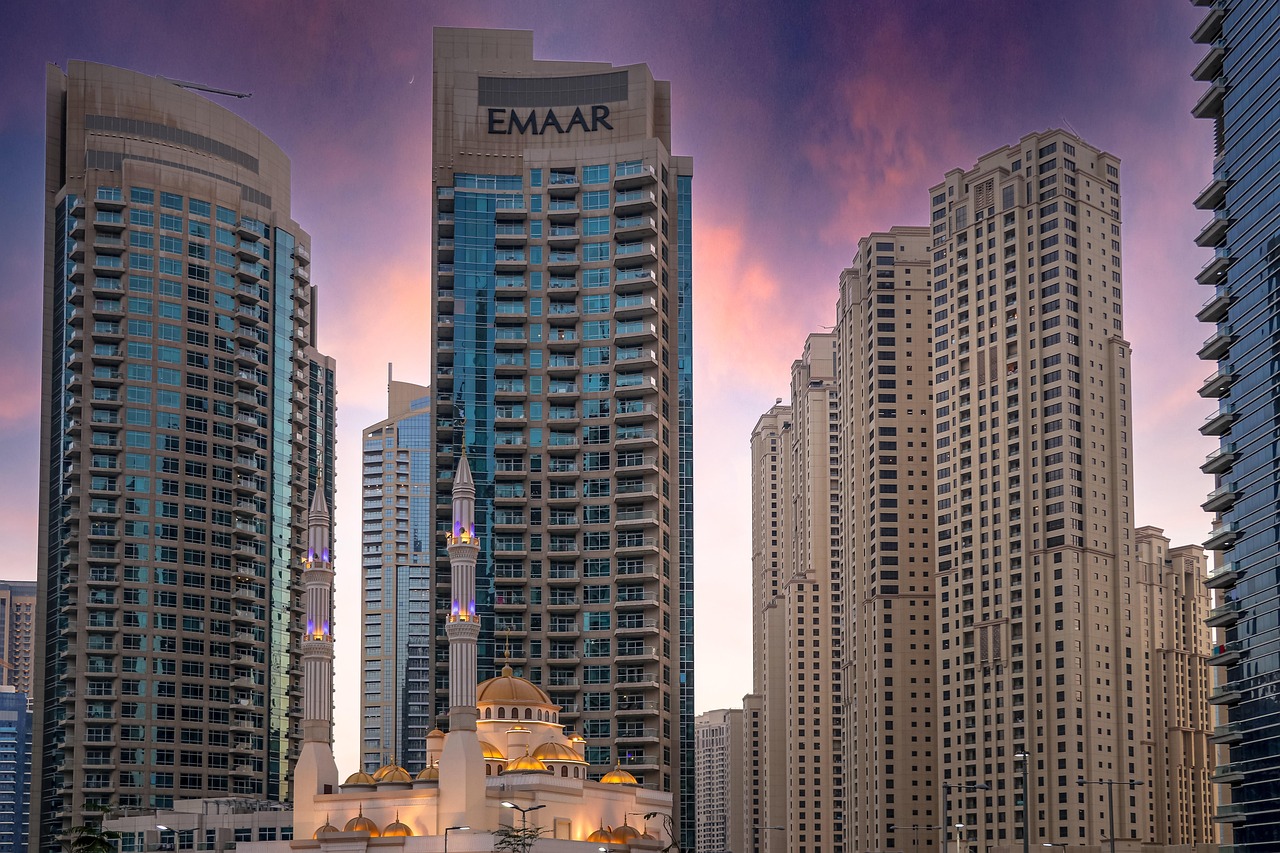
Dubai is a place of contrasts – and that’s exactly why it works so well for a short break or an extended stay. In just 3 days in Dubai, you can stand atop the Burj Khalifa, wander historic lanes in Al Fahidi, haggle in Deira’s souks, and watch the sun set over the desert. With 4 days in Dubai or a full 5 day itinerary for Dubai, you can add beach time, art districts, futuristic museums, and quieter neighborhood explorations.
Think of this guide as a flexible framework: mix and match days based on your interests, budget, and heat tolerance. Aim for a balance – one high-energy attraction-heavy day, followed by a more relaxed, neighborhood-focused one. Eat at least one lavish meal and at least one cheap, local one. See the city from above (Burj Khalifa or Dubai Frame), from the water (abra or boat cruise), and from the sand (desert safari).
For most travelers, the best time to visit Dubai is between November and March, when the weather lets you enjoy both beach and desert. But with smart planning and a willingness to embrace late-night city life, Dubai can be rewarding year-round.
However long you stay, try to look beyond just the “things to do in Dubai” lists and notice the small details: families picnicking late into the night, the call to prayer echoing between towers, the way old wooden dhows sit calmly against a backdrop of glass and steel. That’s where Dubai’s real magic lives.